
Especificaciones y análisis del Alfa Romeo 156
Power
166HP
Torque
206Nm
Consumption
8.9l/100
Emissions
-g/km
0-100 km/h
8.2s
Top Speed
220km/h
Weight
1410kg
Price
27,752€
Technical summary
Gasolina
Manual 5v
FWD
5 / 5 doors
360 L
63 L
122 kW
Current
Technical specifications
Engine
Capacities
Detailed analysis of the Alfa Romeo 156 Sportwagon 2.0 JTS Progression · 166 CV (2003-2005)
General description
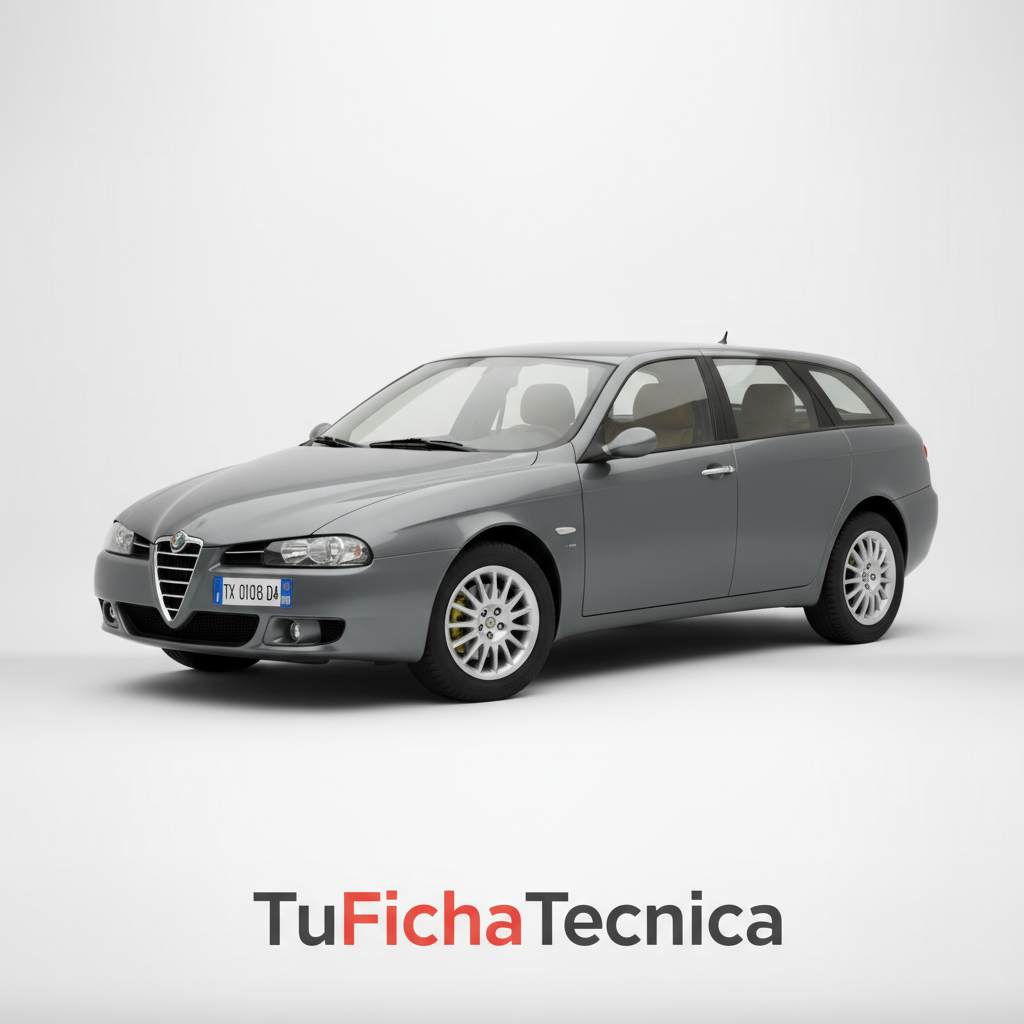
The 2003 Alfa Romeo 156 Sportwagon is not just a family car; it's a statement of intent. It represents the perfect fusion of the practicality of an estate body and the sporting soul that only Alfa Romeo knows how to imprint on its creations. With Giugiaro's redesign, its look became sharper, but its heart, the 2.0 JTS engine, promised pure emotions and an enchanting sound.
Driving experience
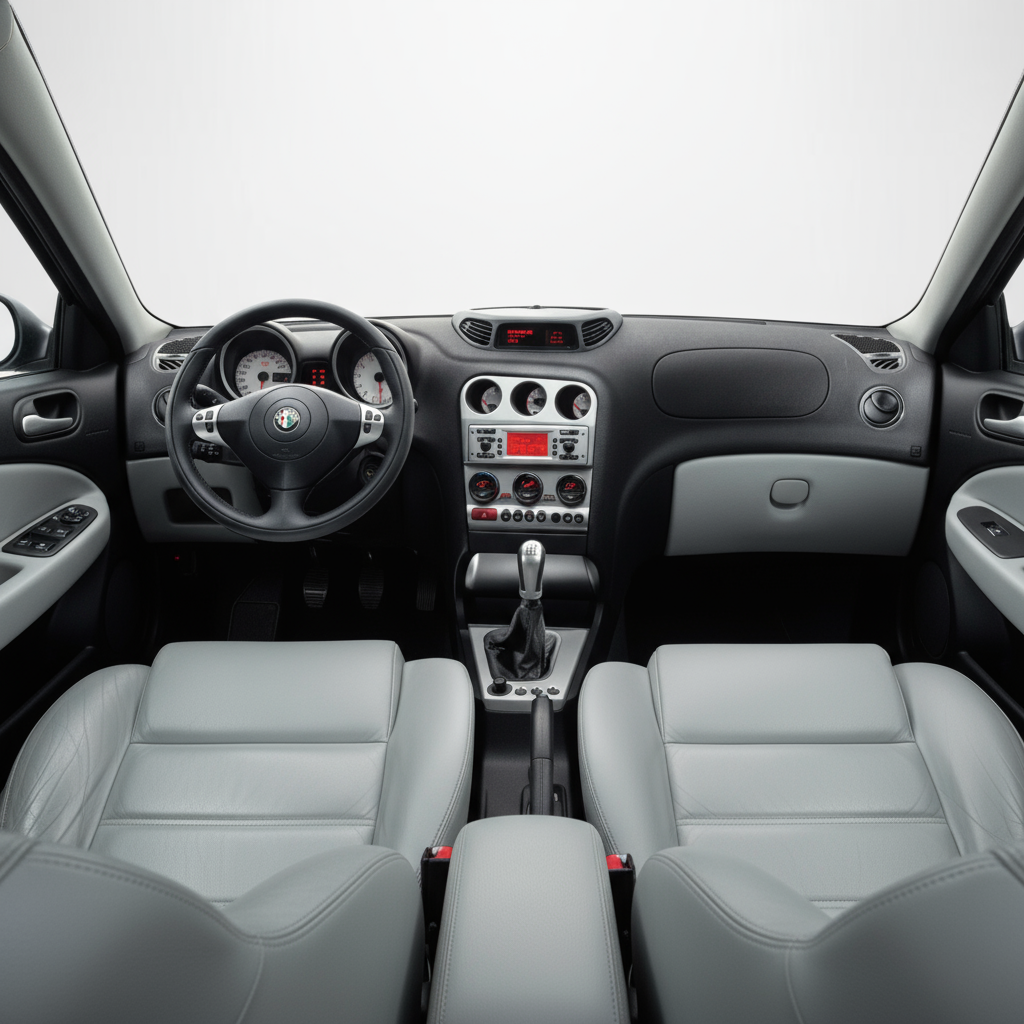
Getting behind the wheel of the 156 Sportwagon is an experience that goes beyond mere transportation. The 166-horsepower 2.0 JTS engine pushes with contagious joy, especially when the needle surpasses 3000 revolutions. Its chassis, with a sophisticated double-wishbone front suspension, offers a cornering precision that makes you forget you're driving an estate. The steering is direct, communicative, and the five-speed manual gearbox invites constant play, turning every journey into a pleasure.
Design and aesthetics
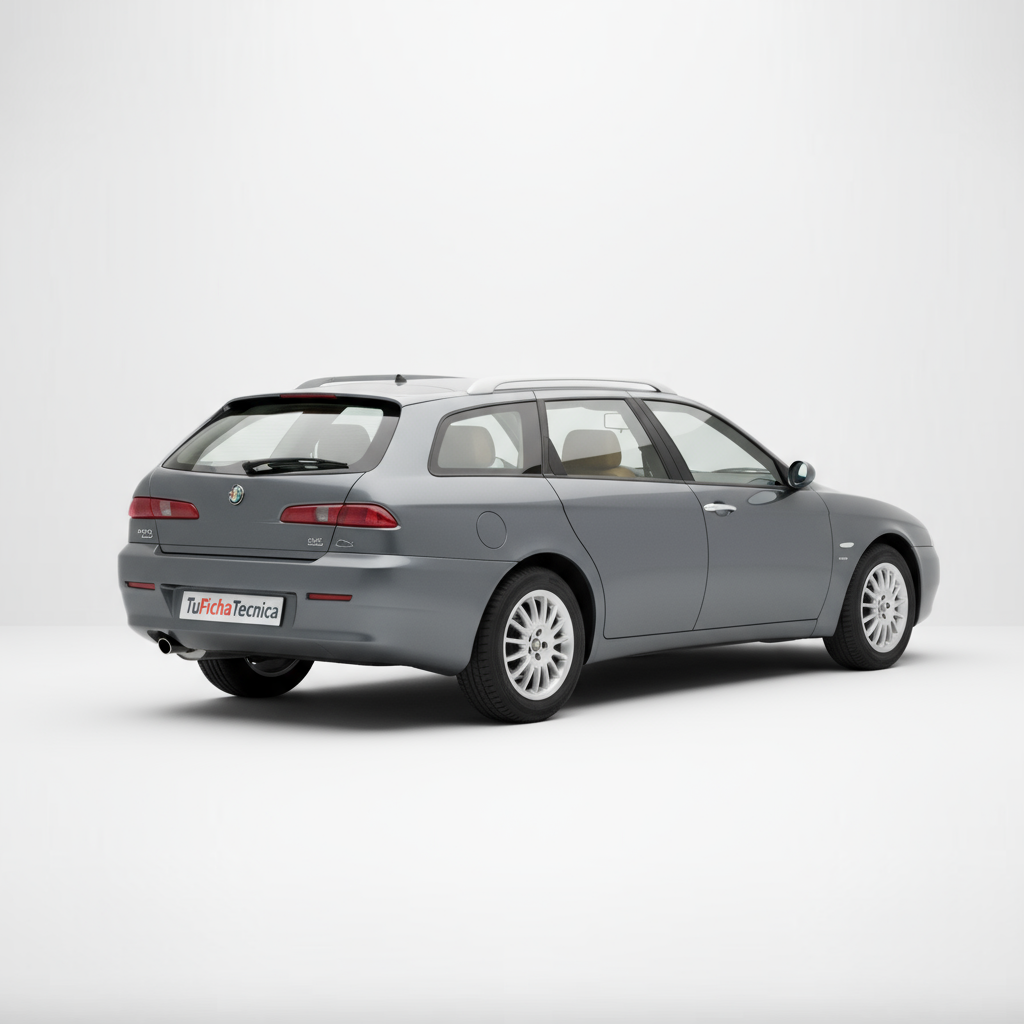
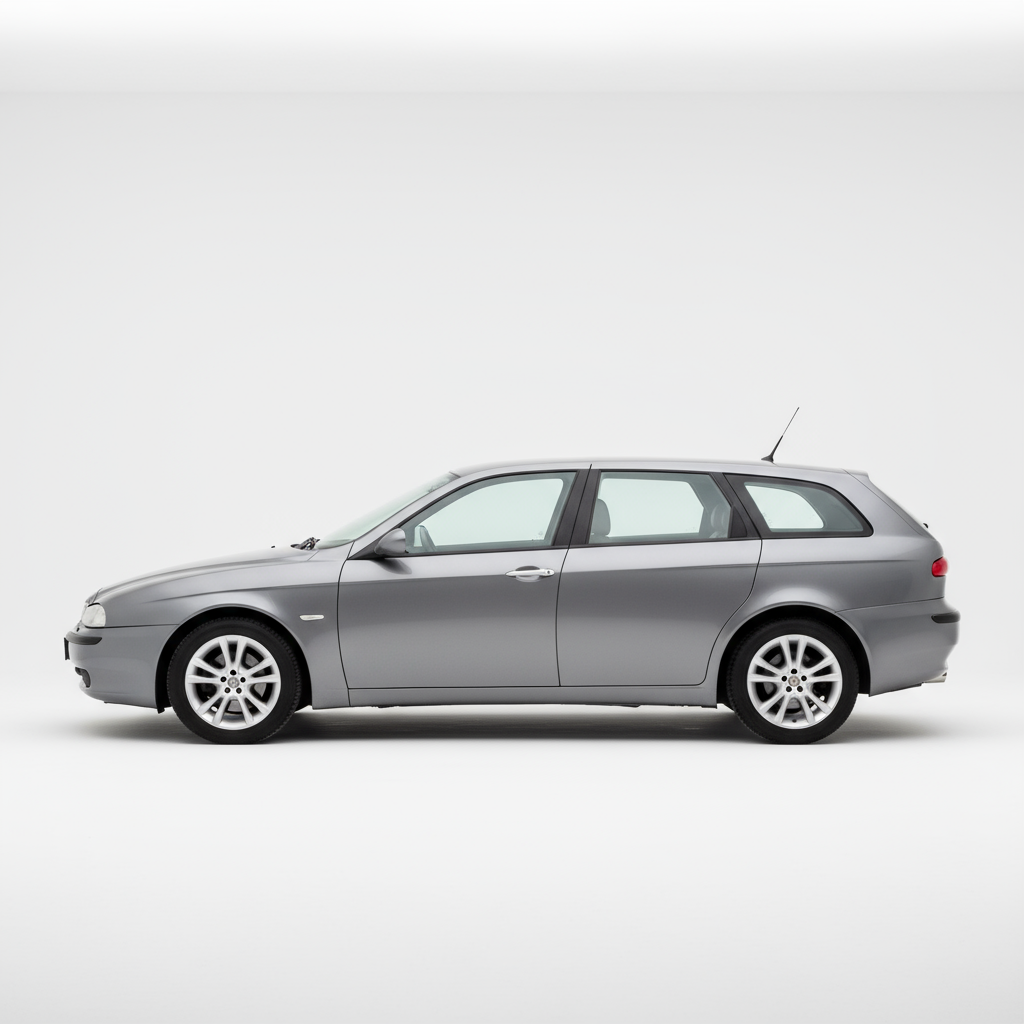
The design of the Alfa Romeo 156, originally a masterpiece by Walter de'Silva, was masterfully updated by Giorgetto Giugiaro in 2003. The larger 'Scudetto' grille and sharp headlights give it a timeless aggression and elegance. The Sportwagon's line is fluid and dynamic, masterfully concealing its practical nature with details like the rear door handles hidden in the C-pillar. It is a sculpture in motion, an estate that sacrifices a bit of space for a beauty that stops time.
Technology and features
The technological heart of this model is its 2.0 JTS (Jet Thrust Stoichiometric) engine. It was one of the Fiat group's first direct-injection gasoline engines, a technology aimed at improving performance and efficiency. With 166 hp and 206 Nm of torque, it offered a more linear and forceful response than its Twin Spark predecessors. Although it lacked modern driving assistants, its technological focus was on pure mechanics: an advanced engine and an exceptional chassis to maximize driving pleasure.
Competition
In its time, the Alfa Romeo 156 Sportwagon faced well-established German rivals like the BMW 3 Series Touring (E46) and the Audi A4 Avant. While the Germans offered superior perceived build quality and greater reliability, the Alfa Romeo counterattacked with an irresistible weapon: the 'Cuore Sportivo'. It offered a much more passionate design, more agile dynamic behavior, and a driver-machine connection that its colder, more calculating competitors could not match.
Conclusion
The Alfa Romeo 156 Sportwagon 2.0 JTS is more than a car; it's a piece of Italian automotive history. A vehicle that proves that practicality doesn't have to be at odds with passion and beauty. Although its reliability may not match that of its German rivals, the sensations it conveys, the sound of its engine, and the purity of its driving make it an unforgettable modern classic. It is an emotional purchase, a reward for those who value the journey as much as the destination.