
Especificaciones y análisis del Audi Q7
Power
280HP
Torque
360Nm
Consumption
12.9l/100
Emissions
309g/km
0-100 km/h
8.3s
Top Speed
225km/h
Weight
2270kg
Price
55,740€
Technical summary
Gasolina
Manual 6v
AWD
5 / 5 doors
775 L
100 L
206 kW
Current
Technical specifications
Engine
Capacities
Detailed analysis of the Audi Q7 3.6 FSI quattro · 280 CV (2008)
General description
The 2008 Audi Q7 3.6 FSI quattro burst onto the market as a statement of intent, a luxury SUV that was not afraid to show off its size, power, and sophistication. It represented the culmination of comfort and capability, wrapped in an imposing package that promised to take its occupants to any destination with a feeling of absolute dominance over the road. It was more than a car; it was a status symbol and a rolling fortress.
Driving experience
Getting behind the wheel of the Q7 3.6 FSI is an experience that blends power and serenity. The 280-horsepower V6 engine pushes with a forceful smoothness, a torrent of power that feels inexhaustible, especially when managed through its unusual but rewarding 6-speed manual transmission. Despite its considerable weight, the quattro all-wheel drive system instills unwavering confidence, gluing the car to the asphalt in any circumstance. It's not an agile sports car, but a high-speed cruiser that devours miles with a poise and quietness that isolates you from the outside world.
Design and aesthetics
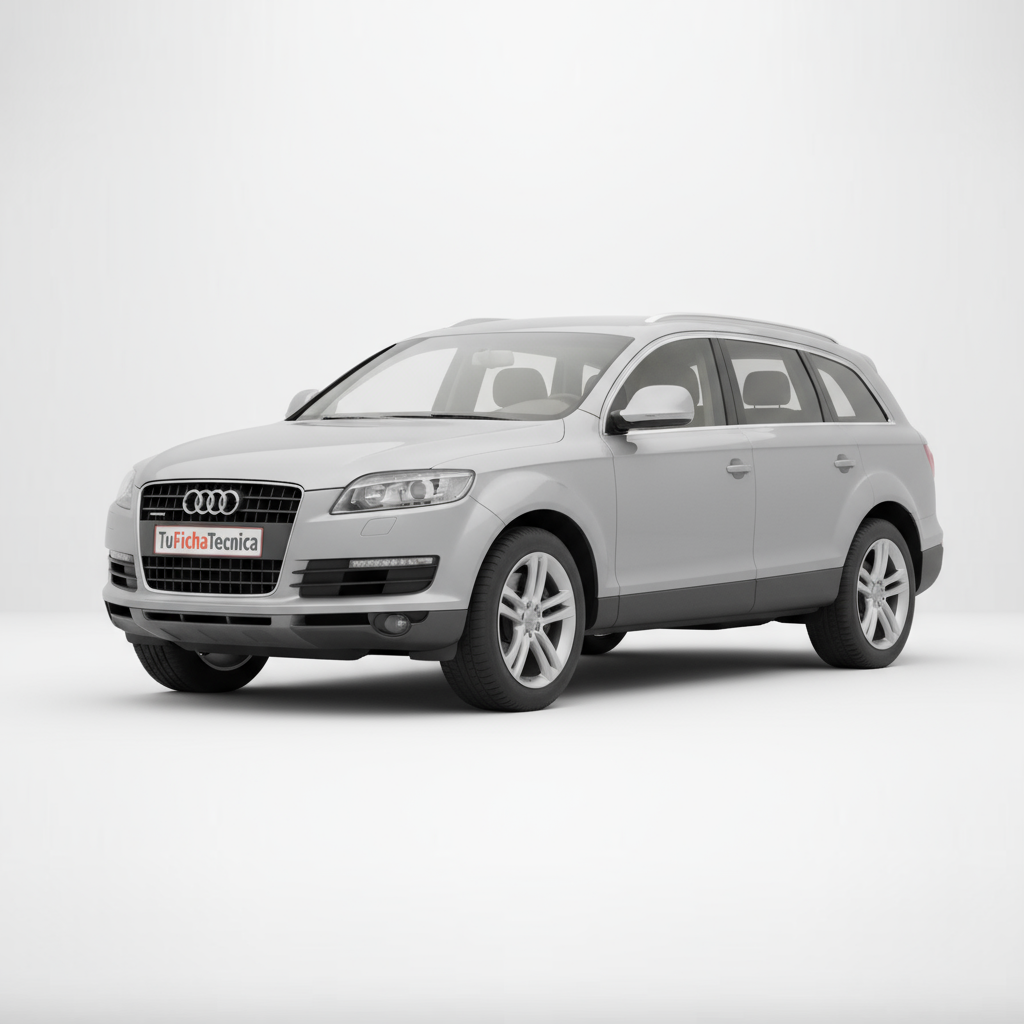
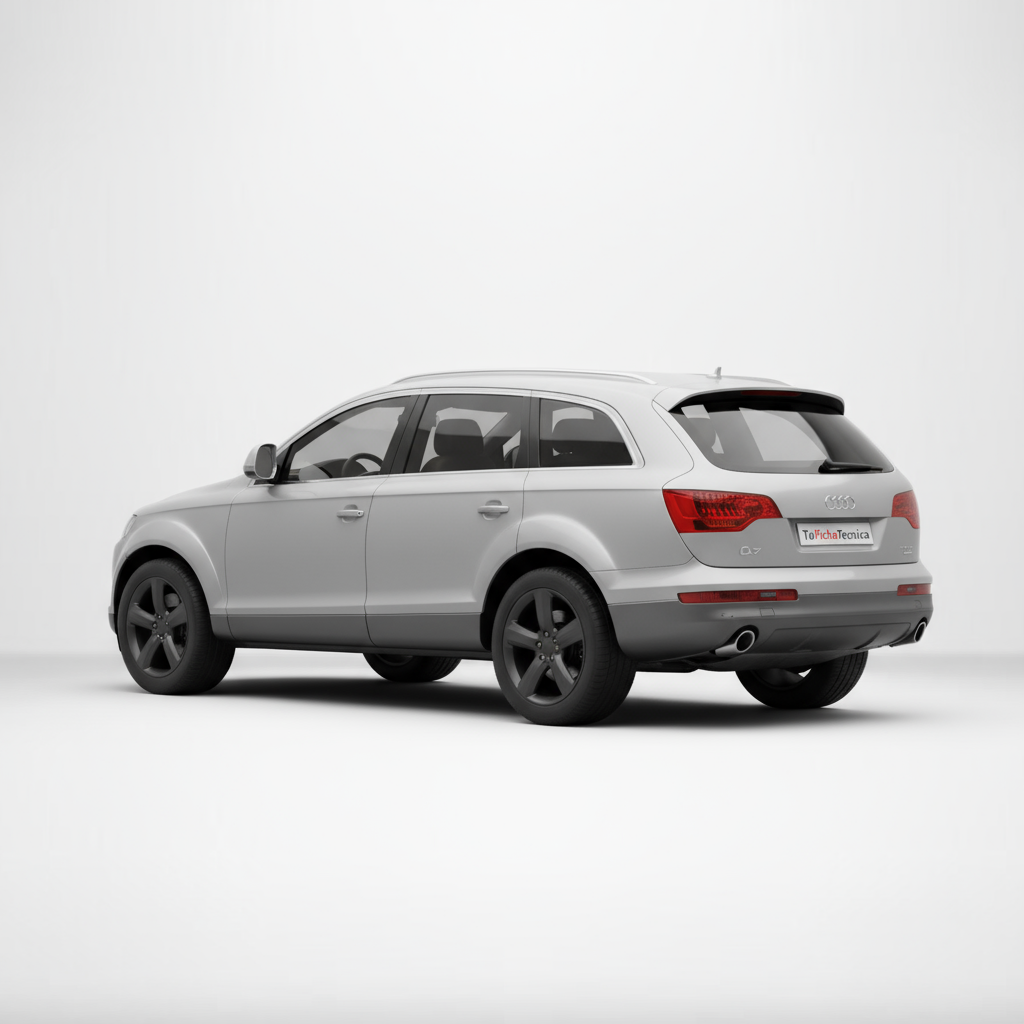
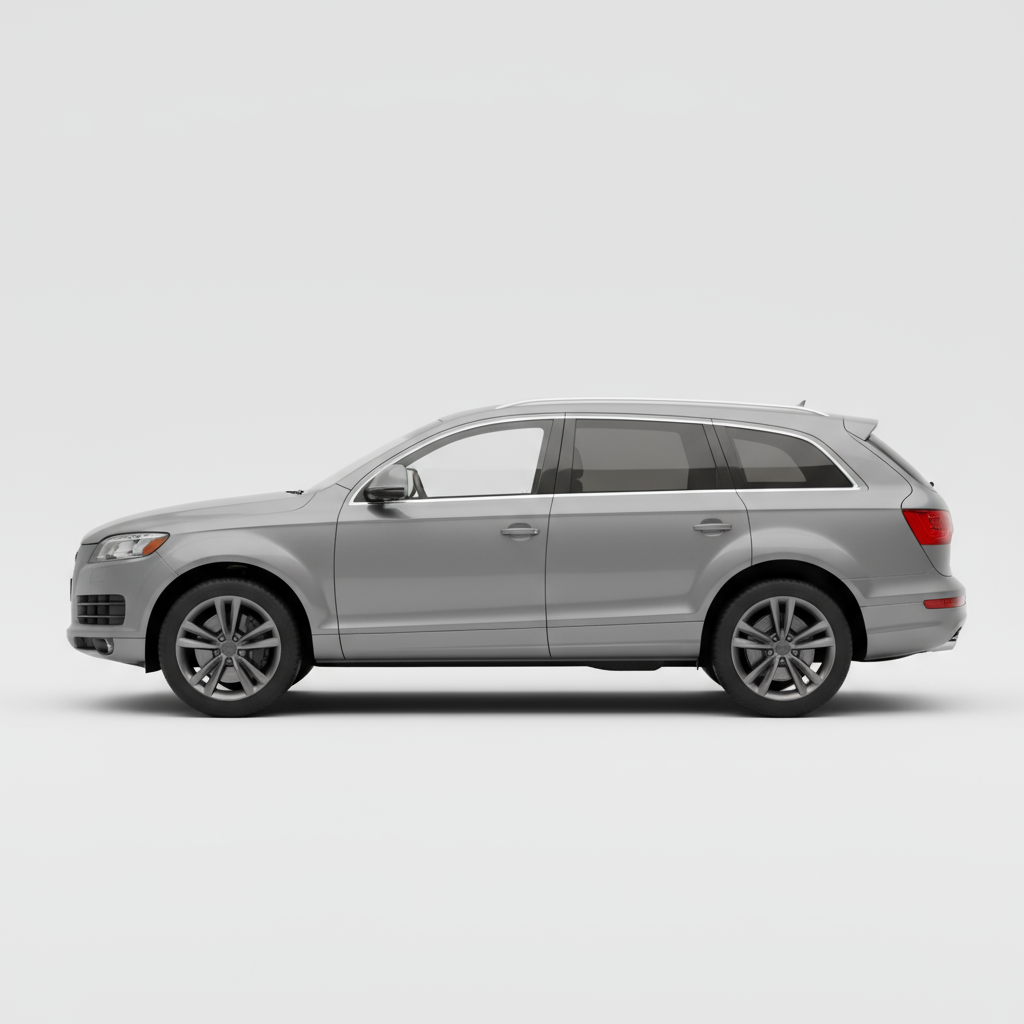
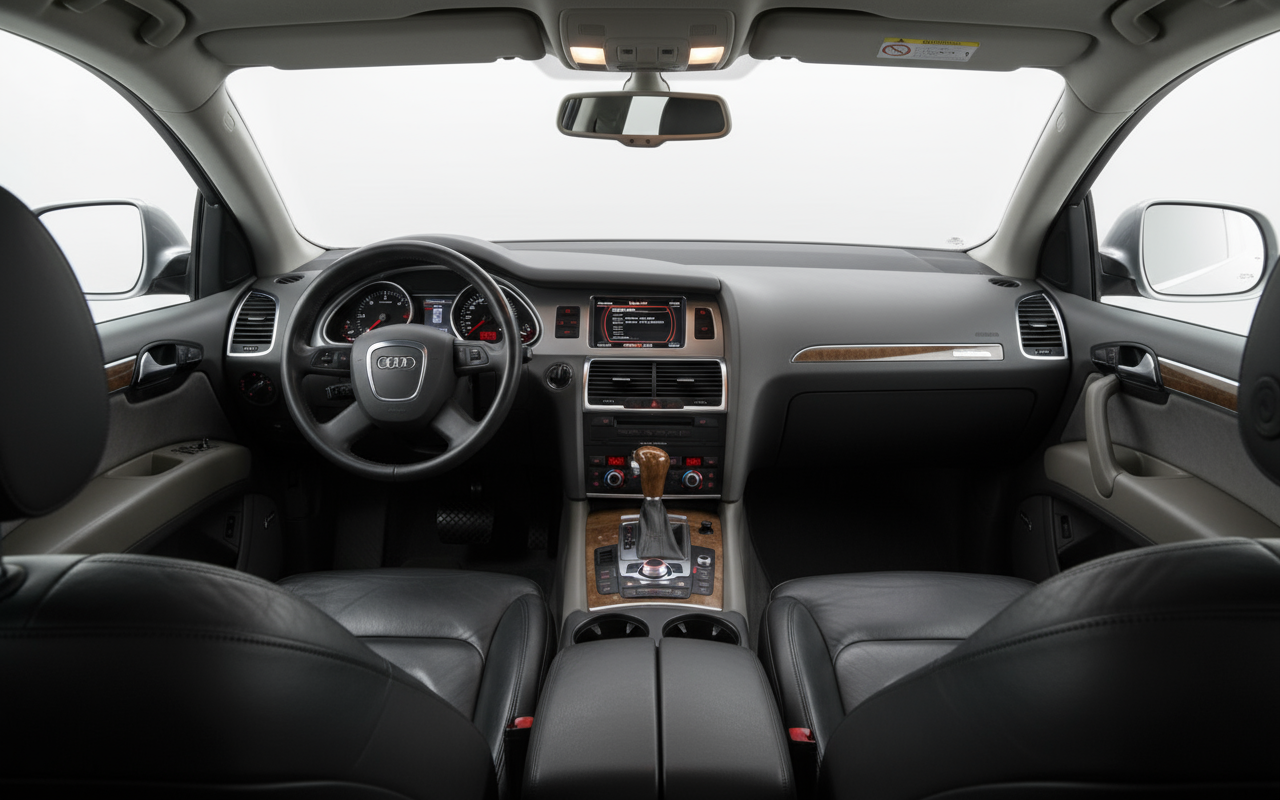
The design of the first-generation Audi Q7 is monumental. Its road presence is overwhelming, defined by a Singleframe grille that seems to devour the horizon and fluid yet muscular lines that run along its more than five-meter-long body. There are no subtleties, only a demonstration of strength and elegance. Inside, the cabin is a lesson in ergonomics and material quality, a space where luxury is perceived in every fit and texture, creating a welcoming and technologically advanced environment that has aged with admirable dignity.
Technology and features
In its time, the Q7 3.6 FSI was a technological showcase. Its FSI direct-injection engine sought a balance between performance and reasonable efficiency for its displacement. However, the real crown jewel was its quattro permanent all-wheel-drive system, a brand pillar that guaranteed superlative traction and active safety. Added to this was a sophisticated double-wishbone suspension on both axles and speed-sensitive power steering, technologies that worked together to make this colossus feel surprisingly manageable and safe.
Competition
In the exclusive Olympus of large luxury SUVs, the Audi Q7 faced industry titans. Its most direct rivals were the BMW X5, which offered a more dynamic and sporty driving experience, and the Mercedes-Benz ML-Class, focused on superior ride comfort. One could not ignore the Porsche Cayenne, with which it shared a platform and offered an even more performance-oriented approach, nor the Volvo XC90, which played the card of safety and family functionality above all else.
Conclusion
The Audi Q7 3.6 FSI quattro is the personification of the luxury and power of an era. A vehicle that prioritizes a sense of security, imperial comfort, and a capacity for limitless travel over agility or efficiency. It is an imposing machine, built with exceptional quality, that offers a majestic driving experience. Although its fuel consumption and size may be intimidating today, its appeal as a luxurious rolling fortress endures, reminding us of a time when more was, indisputably, more.