
Did you know that in 2025 the number of drivers opting for an LPG car is growing faster than ever? More and more people are looking for alternatives that are sustainable while also allowing daily savings.
Choosing an LPG car not only offers significant economic savings but also provides environmental benefits, access to restricted urban zones, tax incentives, great autonomy, and easy refueling. If you’re looking for an efficient and practical option for your next purchase, LPG could be your best ally. Discover why this fuel is revolutionizing mobility in Spain!
What is an LPG Car and How Does It Work?
The LPG car is becoming an increasingly popular option for those seeking efficiency and sustainability. But what sets it apart and how exactly does it work? Let’s find out step by step so you can assess if it’s truly the alternative you need.

Definition and Principles of LPG
Liquefied Petroleum Gas (LPG) is a mixture of propane and butane, obtained both from petroleum refining and natural gas extraction. This alternative fuel stands out for its ability to be stored in liquid form at low pressure.
Unlike gasoline or diesel, the LPG car uses a dual system that allows it to run on both LPG and gasoline. Key components include:
- Specific LPG tank, usually placed in the trunk or under the floor.
- Adapted injectors and regulators.
- Electronic control unit to manage both fuels.
LPG differs from CNG (Compressed Natural Gas) in its composition and storage pressure, and from electric vehicles by the nature of its energy. Thus, the LPG car offers an intermediate solution between traditional fuels and full electrification.
History and Evolution of LPG in Spain
The development of LPG cars in Spain has been gradual but has experienced notable growth in the last decade. Initially, their presence was minimal, but from 2015 onwards, with stricter environmental regulations and the search for economical alternatives, their popularity increased.
According to Increase in LPG Car Sales in Spain, LPG car registrations rose by 250% in the last five years. This growth is driven by fuel savings and obtaining the ECO label, factors highly valued by urban and professional drivers.
In 2024, the network and model offerings have consolidated the LPG car as a real option for those seeking affordable and sustainable mobility.
Types of LPG Vehicles Available in 2025
Today, LPG cars are available in a wide range of versions. There are factory models specifically designed for LPG, with notable brands such as Dacia, Opel, Renault, Peugeot, and DR Automobiles.
Additionally, many drivers opt to convert gasoline vehicles to LPG. This process, carried out in certified workshops, allows adapting a conventional car to run dual-fuel. Thus, both new and used cars can benefit from this technology, expanding access possibilities.
Safety and Certifications
Safety in LPG cars is a priority. Tanks are made of high-strength steel and have safety valves to prevent leaks and overpressure. Moreover, LPG systems include sensors that cut off supply in case of accident or anomaly.
In Spain, LPG vehicles must comply with UNECE R67 regulations, which govern installation and components. From 2025, only certified workshops can perform conversions and maintenance, ensuring maximum reliability and peace of mind for users.
Myths and Realities About LPG
Several myths surround LPG cars. Some think performance is lower, but studies and experiences show the difference is minimal compared to gasoline. Others believe maintenance is more expensive, when in fact it is similar or even cheaper due to cleaner combustion.
Regarding durability, LPG-adapted engines usually experience less wear, resulting in a longer lifespan. Users and experts agree on the reliability and overall satisfaction with this technology.
Availability and Refueling Network
One of the strengths of LPG cars is their refueling network. Currently, there are more than 700 LPG service stations across Spain, facilitating both urban and interurban travel.
Compared to other alternative fuels like CNG or electric charging points, LPG has wider coverage and refueling times similar to gasoline. This makes LPG cars a practical and accessible alternative for everyday use.
6 Advantages of Choosing an LPG Car in 2025
Have you wondered why more and more people are betting on an LPG car? Discover below the six key advantages that make this option one of the smartest for 2025. We will analyze everything from economic savings to driving experience so you can make the best decision.
1. Significant Economic Savings
Savings are one of the biggest attractions when choosing an LPG car. The price per liter of LPG is usually up to 40% lower than gasoline or diesel. This difference directly impacts your wallet, especially if you drive daily or cover long distances.
Additionally, the cost per kilometer with an LPG car is considerably lower. For example, an urban driver can save between €600 and €900 annually just on fuel. For frequent travelers, annual savings can exceed €1,200, depending on the model and usage.
Maintenance of an LPG car is also usually more affordable. The engine suffers less wear thanks to cleaner LPG combustion, reducing breakdowns and extending vehicle lifespan. This translates into fewer workshop visits and lower spare parts costs.
In the used car market, LPG car prices are accessible. According to Flexicar and HR Motor, you can find models from €6,000, facilitating access to this technology without large initial investments.
Estimated Annual Cost Comparison Table (2024):
| Car Type | Annual Fuel Cost | Annual Maintenance |
|---|---|---|
| LPG | €800 | €350 |
| Gasoline | €1,400 | €400 |
| Diesel | €1,200 | €420 |
As you can see, opting for an LPG car is a decision that protects your finances without sacrificing performance.
2. Environmental Benefits and ECO Label
An LPG car is not only more economical but also more environmentally friendly. These vehicles emit up to 68% less NOx and 15% less CO2 compared to gasoline and diesel cars. This emission reduction directly improves air quality, especially in cities with pollution problems.
Thanks to their low emissions, LPG cars receive the DGT ECO label. This badge allows driving in low-emission zones, access to restricted areas, and benefits in regulated parking. For example, in cities like Madrid or Barcelona, LPG drivers can enter urban centers even during high pollution episodes.
The ECO label also means fewer restrictions in the future. While other combustion vehicles face limited access, LPG cars maintain unrestricted mobility. This ensures you can move freely even as regulations become stricter.
Moreover, an LPG car’s contribution to sustainability goals is real and measurable. You help reduce the carbon footprint and support the transition to cleaner, responsible mobility.
3. Access to Tax Incentives and Public Aid
Choosing an LPG car in 2025 means taking advantage of tax incentives and direct aid. Many cities offer up to 75% discounts on vehicle circulation tax for LPG vehicles, and some autonomous communities provide reductions in registration tax. These fiscal savings can amount to several hundred euros annually.
The MOVES Plan and other public aids offer subsidies both for purchasing a new LPG car and for converting a gasoline vehicle. Thus, the initial investment is substantially reduced, making this technology more accessible.
In certain locations, LPG drivers enjoy exemptions or discounts on tolls and regulated parking zones. For example, in some cities, you can park for free or at a reduced rate, adding another plus to your budget.
Example of Annual Tax Savings:
- Circulation tax discount: up to €120
- Registration tax discount: up to €400
- Conversion aid to LPG: up to €1,000
These benefits, combined with low operating costs, make LPG cars a very attractive alternative for those looking to maximize their budget and minimize environmental impact.
4. Greater Autonomy and Easy Refueling
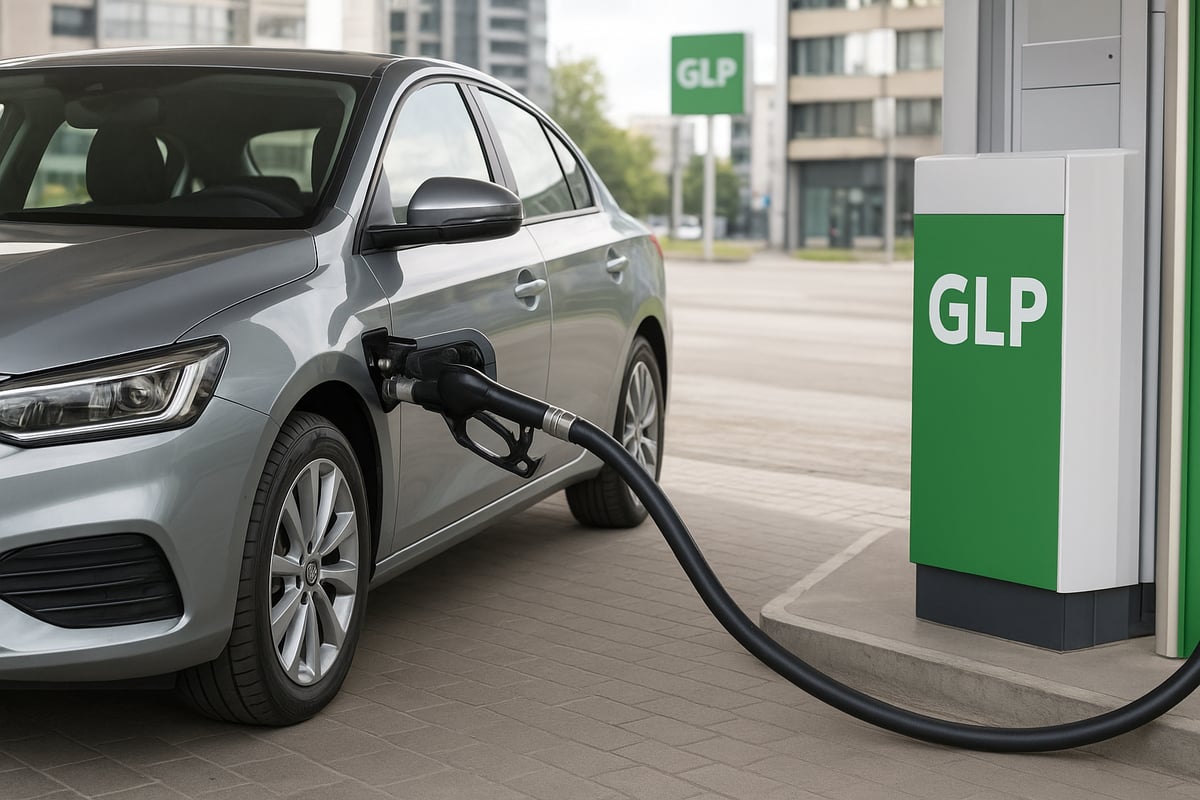
One of the most valued advantages of LPG cars is autonomy. Thanks to the dual tank (LPG and gasoline), you can travel up to 1,200 km without worrying about running out of fuel. This feature is ideal for those who travel a lot or don’t want to depend on a single energy source.
The LPG refueling network in Spain has grown significantly. In 2024, there are more than 700 LPG service stations nationwide. This ensures refueling an LPG car is as simple and fast as with gasoline or diesel. Filling time is similar, just a few minutes, which is a clear advantage over the long charging times of electric cars.
Refueling Points Comparison (2024):
| Fuel Type | Points in Spain |
|---|---|
| LPG | 700+ |
| Gasoline/Diesel | 11,000+ |
| Electric (fast) | 2,500 |
Additionally, you can plan long routes with complete peace of mind, knowing the LPG network covers most common trips. Thus, the LPG car offers a practical and unrestricted experience.
5. Wide Offer and Competitive Prices in 2025
In 2025, the LPG car offer is broader than ever. You will find more than 170 models available, both new and used, according to portals like Flexicar and HR Motor. This means you can choose from compact cars, family cars, SUVs, and even adapted commercial vehicles.
LPG car prices are very competitive. In the second-hand market, models start from €6,000, making them accessible for all budgets. Moreover, depreciation of these vehicles is low, so they retain their value better over time.
Brands like Dacia, Opel, Renault, DR Automobiles, Jeep, and Peugeot lead the offer. Each presents models with different power, equipment, and finishes, adapting to each user’s needs. For example, Dacia stands out for its value for money, while Peugeot offers options with more technology and comfort.
To easily compare all alternatives, you can consult LPG Car Technical Sheets, where you’ll find detailed comparisons and analyses of each model. This way, choosing the perfect LPG car for you is much easier and safer.
6. Driving Experience and Simple Maintenance
Driving an LPG car is a comfortable and pleasant experience. The engine runs smoothly and quietly, very similar to a gasoline car, but with the added value of cleaner combustion. This results in less vibration and a more relaxed environment during your daily trips.
Maintenance of an LPG car does not present major complications. Service intervals are similar to conventional cars, and spare parts are readily available. Also, the network of LPG-specialized workshops has grown, so you will always have technical support nearby.
Thanks to cleaner combustion, the engine and components suffer less wear. This extends the LPG car’s lifespan and reduces the risk of major breakdowns. Users highlight reliability and low maintenance costs as strong points of this technology.
Finally, satisfaction among LPG car owners is very high. They value the combination of savings, sustainability, autonomy, and ease of use. If you’re looking for a practical and hassle-free option, the LPG car is a safe bet for 2025.
Comparison: LPG vs. Other Alternatives in 2025
Wondering if an LPG car is the best option compared to other technologies in 2025? The decision isn’t simple, as each alternative has pros and cons depending on your needs and driving habits. Let’s analyze point by point to help you make the best choice.
LPG vs. Gasoline and Diesel
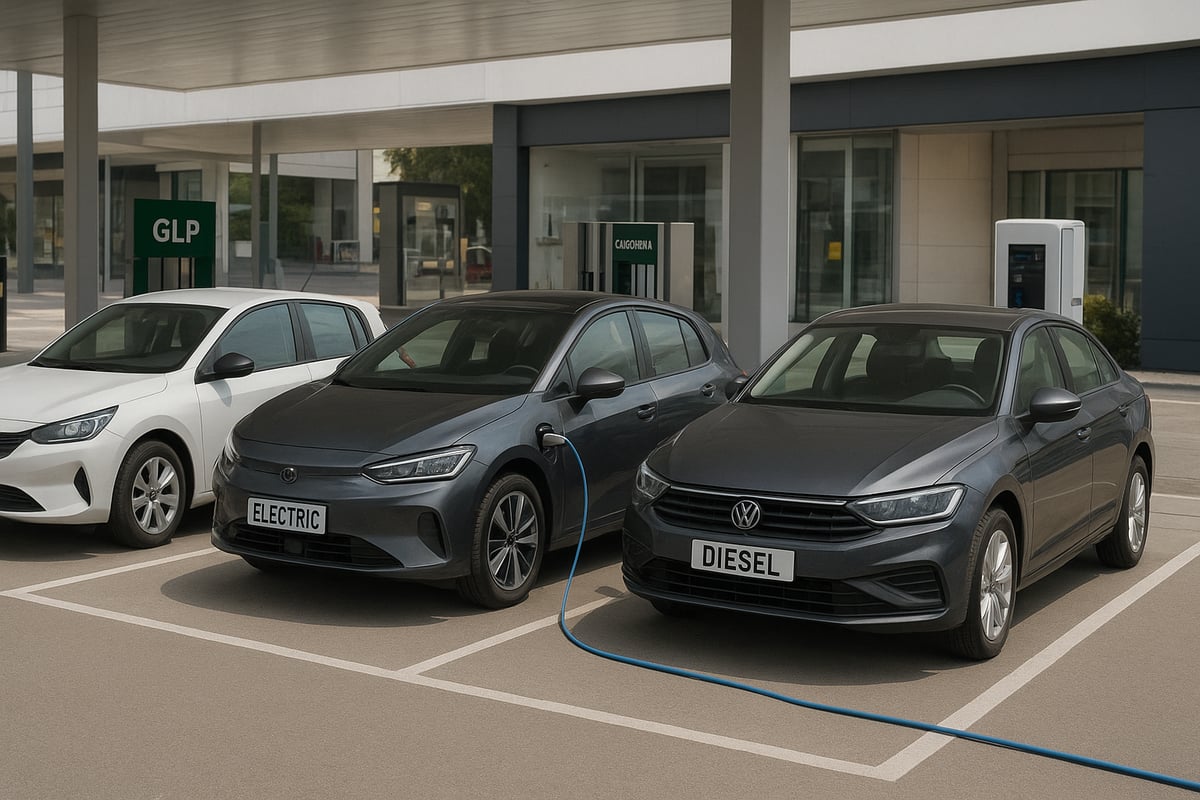
The LPG car stands out against traditional gasoline and diesel in several key aspects. The cost per kilometer is considerably lower, as LPG can be up to 40% cheaper per liter than gasoline. This translates into significant annual savings, especially for those who drive many kilometers per year.
Regarding maintenance, LPG cars usually show less engine wear thanks to cleaner combustion. Also, LPG vehicles enjoy the ECO label, allowing access to restricted zones where gasoline and diesel may face limitations, especially in large cities.
The resale value of an LPG car is also competitive, as demand for ECO-labeled vehicles continues to grow. Facing increasingly strict environmental restrictions, the LPG car positions itself as a smart transitional option, aligned with policies for phasing out fossil fuels in vehicles in Europe and Spain.
LPG vs. Electric and Hybrid Cars
Comparing LPG cars with electric and plug-in hybrids, autonomy is a strong point for LPG. Many models exceed 1,000 km combining both tanks, while electric cars usually offer between 300 and 500 km depending on model and conditions.
Refueling an LPG car is as fast as a conventional vehicle, while charging an electric car can take several hours. Although the electric charging network is growing, the LPG station network already has over 700 points in Spain, providing peace of mind for long trips.
Regarding price, a new or used LPG car is usually more affordable than an equivalent electric. Public aids and tax bonuses are also available, although electric cars have some additional advantages. However, the initial investment and ease of use make LPG cars very attractive for many drivers.
Advantages and Disadvantages of Each Alternative
Here is a comparative table summarizing the main differences:
| Feature | LPG Car | Gasoline/Diesel | Electric |
|---|---|---|---|
| Cost per km | Low | High | Very low |
| Autonomy | Very high | High | Medium-Low |
| Emissions | Reduced (ECO) | High | Zero local |
| Refueling Time | Fast | Fast | Slow |
| Restrictions | Few | Many | None |
| Purchase Price | Medium | Medium | High |
| Maintenance | Low | Medium | Very low |
For an urban driver needing flexibility and access to restricted zones, the LPG car offers an ideal combination of cost, autonomy, and environmental benefits. For those prioritizing total sustainability and able to invest more, electric is an excellent option, though it requires charging planning.
In summary, LPG cars remain in 2025 a balanced and realistic alternative for those seeking economy, autonomy, and ECO benefits without the logistical limitations of other options.
How to Choose the Best LPG Car for You?
Choosing the best LPG car for your daily life may seem challenging, but with the right tools, it’s easier than you think. First, clearly define what you expect from your future vehicle: are you looking for city efficiency, long trips, or a balance of both? Analyzing these needs will help you focus on models that truly fit your lifestyle.

Nowadays, comparing technical sheets, consumption, and prices is essential before deciding which LPG car to buy. Specialized platforms like TuFichaTecnica allow you to access detailed comparisons, expert analyses, and updated data on each model. This way, you can quickly see key differences such as autonomy, emissions, equipment, and maintenance costs.
Don’t forget to check user reviews and expert guides. This gives you a real view of driving experience and reliability of each LPG car. Also, filter by budget and usage type to find the perfect option. For example, brands like Dacia stand out for variety and value for money; you can see Available Dacia LPG Models to start your search.
Take advantage of free comparison tools and resources offered by specialized websites. This way, you’ll make an informed decision tailored to your needs and with the confidence to choose the LPG car that best fits you. Make your search easier and take the first step toward efficient mobility!
Frequently Asked Questions About LPG Cars in 2025
Do you have doubts about LPG cars in 2025? Here we answer the most common questions with updated data and practical advice to resolve your concerns. Let’s discover together if an LPG car is your best option this year.
What Maintenance Does an LPG Car Require?
Maintenance of an LPG car is very similar to a gasoline vehicle. Filters, spark plugs, and the gas injection system are checked, usually every 15,000-30,000 km. Costs tend to be slightly lower because the engine suffers less wear. Also, LPG-specialized workshops are increasingly common throughout Spain.
Can I Convert My Current Car to LPG?
Yes, it is possible to convert a gasoline car to LPG, provided it meets certain age and condition requirements. Prices range between €1,500 and €2,500 depending on the model and system installed. Certification is required after installation. Interest in this option continues to grow, as shown by the growth in LPG conversions in recent years. To know the most popular models for conversion, check the ranking of most converted LPG cars in 2023.
Is It Safe to Travel Long Distances with LPG?
Traveling with an LPG car is completely safe. Tanks are reinforced and comply with strict regulations. Combined autonomy of gasoline and LPG usually reaches up to 1,200 km, ideal for long trips. Moreover, the LPG refueling network exceeds 700 stations in Spain, so you will always have a nearby point.
What Happens if LPG Runs Out During a Trip?
No need to worry. If the LPG tank empties, the car automatically switches to gasoline without you noticing the change. You can continue driving until you find a station to refuel LPG or gasoline.
Is the ECO Label Permanent?
The ECO label remains as long as the LPG car complies with current regulations. If legal changes occur, you might need a new inspection or adaptation, but currently, most models keep their badge without issues.
What About the Resale Value of LPG Cars?
LPG cars maintain an interesting resale value as demand for sustainable vehicles continues to rise. In 2025, trends indicate that used LPG cars depreciate less than conventional diesel ones, making them a safer long-term investment.
Will LPG Remain an Option in the Future?
Everything points to LPG cars continuing to be a relevant alternative beyond 2025. The growth of the refueling network, new regulations, and market interest consolidate LPG as a viable option for both individuals and professional fleets.
Now that you know the advantages of choosing an LPG car in 2025, you’re probably thinking about which models might suit you. We all want to save money, protect the environment, and move freely around the city, right? If you’re curious to see real specifications, compare prices, and discover all available versions, you don’t have to do it alone. At TuFichaTecnica you can find technical information on your favorite cars and see which fits your needs best. Get motivated to take the next step and Review Your Favorite Cars!