
Are you looking for the best beginner car in 2026 and feeling overwhelmed by so many options? We know that choosing your first vehicle is an important decision and can make the difference between peace of mind and complications.
In this article, you will discover the 7 most recommended alternatives for beginners, analyzing advantages, prices, and who each model is ideal for.
We will show you compact, efficient, and safe cars designed to save money and protect you on every trip. Get ready to make an informed decision and get your purchase right from the start.
Key Factors When Choosing a Beginner Car
Choosing the best beginner car in 2026 may seem complicated, but knowing the key factors is the first step to getting it right. Analyzing each aspect will help you make a safe, practical decision tailored to your needs.
Ease of Handling and Size
Ease of handling is fundamental when looking for a beginner car. Compact models under 4 meters stand out for their agility in the city and ease of parking in tight spaces. Examples like the Seat Ibiza or Fiat Panda are ideal for those starting behind the wheel.
Key aspects to consider:
- Smooth and precise power steering.
- Good visibility from the driver's seat.
- Parking sensors and cameras that facilitate maneuvers.
A beginner car should be easy to control, respond well in urban traffic, and allow you to gain confidence from day one.
Safety and Assistance Technology
Safety is a priority when looking for a beginner car. Systems like ABS, ESP, and at least 4 airbags should be essential in any model you consider. Emergency braking assistants and lane departure warnings are already common in 2026 and make a difference in unexpected situations.
According to Euro NCAP, cars with 5 stars reduce the risk of serious injuries by 30%. Take advantage of available technology to protect yourself and your passengers. A beginner car well-equipped in safety will let you drive with peace of mind.
Maintenance and Insurance Costs
Budget is a decisive factor when choosing a beginner car. Engines between 1.0 and 1.4 liters offer average consumption of 5 to 6 liters per 100 kilometers, ideal for urban trips and short distances.
- Basic insurance for young drivers: from €250 to €350 per year.
- Popular brands ensure affordable spare parts and workshops available in almost any town.
- Regular check-ups and simple maintenance avoid surprises in the future.
Choosing a beginner car with low maintenance costs will help you save and avoid unexpected expenses.
Reliability and Resale Value
Reliability is key so your beginner car doesn't become a source of worries. Models known for low failure rates, like the Toyota Aygo or Honda Civic, can exceed 200,000 kilometers without major problems.
Also, a good beginner car maintains its resale value better. Average depreciation is around 5-10% annually, so it's important to choose models that are popular and have a good reputation among users.
| Model | Failure Rate | Annual Depreciation |
|---|---|---|
| Toyota Aygo | <5% | 6% |
| Honda Civic | <5% | 8% |
| Dacia Sandero | 7% | 10% |
This way, you ensure your investment is profitable in the medium term.
Engine Types and Fuel
The engine type defines the use and cost of your beginner car. For urban trips, gasoline engines are usually more economical and easier to maintain. Hybrid and electric options are gaining prominence in 2026, allowing lower cost per kilometer and access to restricted zones in big cities.
Electric microcars are also an interesting alternative for those seeking urban mobility and ease of use. If you want to delve into these aspects, we recommend the guide on criteria for choosing your first car, which details advantages and considerations for each engine type.
Correctly selecting your beginner car's engine will make a difference in your daily life and your wallet.
Comparison: New or Used Beginner Car?
Wondering whether to choose a new beginner car or go for a used one? It's an important decision because it will shape your driving experience and your budget. Let's analyze together the pros and cons of each option so you can make the best choice according to your needs and expectations.
Pros and Cons of a New Car
Choosing a completely new beginner car can be very attractive. The main advantage is the peace of mind provided by the official warranty, which usually covers you for 2 to 3 years against any problem. Additionally, you will enjoy the latest technologies in safety, driving assistants, and efficient low-emission engines.
Another great advantage is having a brand-new vehicle, with no previous history or hidden surprises. However, the main drawback is the initial depreciation: a new car can lose between 20% and 30% of its value in the first year alone. Also, the purchase price is higher compared to equivalent used models.
In summary, a new beginner car is ideal if you prioritize zero complications and access to the latest technology, but you must accept a higher initial investment.
| Advantage | Description |
|---|---|
| Warranty | 2-3 years, covers breakdowns and factory defects |
| Technology | Latest safety and connectivity systems |
| Brand New | No prior wear or hidden surprises |
| Disadvantage | Description |
|---|---|
| Depreciation | Loses value quickly in the first year |
| Price | Higher initial investment |
Pros and Cons of a Used Car
Opting for a used beginner car can be a very smart decision, especially if your budget is tight. The initial investment is much lower since you can find models with up to 40% discount compared to a new one. Also, depreciation is gentler, meaning you will lose less money if you decide to sell it after a few years.
On the other hand, used cars allow access to better-equipped versions for the same price as a basic new model. However, caution is necessary: it is essential to check the maintenance history, possible hidden faults, and ensure the vehicle has no outstanding liens.
If you want to easily compare new and used models before deciding on your beginner car, you can use tools like the Compact Car Comparison, where you can see prices, consumption, and equipment at a glance.
| Advantage | Description |
|---|---|
| Price | Up to 40% less than a new one |
| Depreciation | Gentler, less value loss |
| Equipment | Access to higher trims for less money |
| Disadvantage | Description |
|---|---|
| Risk | Possible faults or dubious history |
| Warranty | More limited or nonexistent |
Practical Cases and User Opinions
Many young people looking for a beginner car choose the used option for savings and less pressure over minor scratches or damages. For example, a 2019 Renault Clio with 30,000 km can cost up to €5,000 less than the new model, allowing access to a well-equipped and reliable vehicle without exceeding the budget.
In forums and communities, most agree that a used car is a sensible bet for the first years, as it allows learning and gaining confidence without fear of losing too much value in resale. Also, the offer of compact and reliable models is increasing, making it easier to find the option that suits you best.
That said, don't forget to have the car checked by a trusted mechanic before purchase and always request the maintenance history. This way, your experience with your first beginner car will be much calmer and safer.
7 Beginner Car Options You Should Know in 2026
Ready to find the perfect beginner car in 2026? Here we present a selection of the most recommended models for those taking their first steps behind the wheel. We have analyzed key aspects such as price, consumption, reliability, and ease of use to make your decision much easier.
To help you compare at a glance, here is a small table with essential data:
| Model | Price From | Consumption l/100km | Safety | Engine Type |
|---|---|---|---|---|
| Toyota Aygo | €13,000 | 4.8 | 5★ NCAP | Gasoline/Hybrid |
| Dacia Sandero | €12,000 | 5.2 | 4★ NCAP | Gasoline |
| Suzuki Swift | €15,000 | 4.9 | 5★ NCAP | Gasoline/Hybrid |
| Fiat Panda | €11,000 | 5.0 | 4★ NCAP | Hybrid |
| Citroën C-Elysée | €13,500 | 5.4 | 4★ NCAP | Gasoline |
| Honda Civic | €14,000 | 5.6 | 5★ NCAP | Gasoline |
| Opel Corsa | €14,500 | 5.0 | 5★ NCAP | Gasoline |
As you can see, each beginner car has strong points that make it stand out. Want to know which suits you best? Let's get to know them one by one.
Toyota Aygo 2026
The 2026 Toyota Aygo is the classic beginner car that never goes out of style. Its compact size makes it the ideal ally for moving around the city and parking stress-free. With a 1.0 engine of 72 HP and a hybrid option, it maintains a real consumption of only 4.8 l/100 km, helping you save from day one.
Safety is one of its strong points, with 5 Euro NCAP stars and state-of-the-art assistance systems. Maintenance is economical and spare parts are abundant, reducing unexpected scares. Also, insurance is usually among the most affordable for novice drivers.
Pros:
- Recognized reliability and low maintenance costs.
- Easy to park and very manageable in the city.
- Affordable insurance.
Cons:
- Small trunk for long trips.
- Just enough power for usual highway trips.
Who is it ideal for? This beginner car is perfect for urban youth, students, or those looking for an easy-to-drive, economical, and safe car. If you prioritize savings and peace of mind, the Aygo will give you what you need.
Dacia Sandero
The Dacia Sandero remains one of the kings in the beginner car segment. For a price from €12,000 new or €8,000 nearly new, it offers plenty of interior space, reliable engines, and affordable spare parts. Its 1.0 TCe engine is efficient and consumption is around 5.2 l/100 km, ideal for urban and mixed trips.

Insurance starts at only €250/year, and maintenance is simple, something novice drivers greatly appreciate. Although basic versions have limited equipment, higher trims add useful technology and safety assistants, improving its overall rating.
Pros:
- Great value for money.
- Robustness and interior space.
- Economical maintenance.
Cons:
- Limited equipment in entry-level versions.
Who is it ideal for? The Sandero is the beginner car that fits tight budgets and those looking for a reliable companion for city and road. If you want to explore all variants and advice about this model, you can consult the Dacia Beginner Car Guide.
Suzuki Swift
The Suzuki Swift shines as a beginner car thanks to its 1.2 Dualjet engine, which combines agility and low consumption (4.9 l/100 km). Having an ECO badge, it offers advantages in big cities and access to restricted zones. Its road behavior is safe and dynamic, inspiring confidence from the first kilometer.
Safety stands out with 5 Euro NCAP stars and modern assistants like autonomous braking and lane control. Maintenance is affordable and mechanical reliability makes it a safe bet in the long term.
Pros:
- Agility and fun driving.
- Advanced safety technology.
- Low maintenance costs.
Cons:
- Slightly smaller trunk than rivals.
Who is it ideal for? It is the choice for those seeking a beginner car with modern design, good performance, and hassle-free technology. Perfect for young people who value aesthetics and efficiency.
Fiat Panda
The Fiat Panda is synonymous with practicality and simplicity for novice drivers. With a price from €11,000 new and €7,500 used, it is one of the most affordable urban cars. Its 1.0 Hybrid engine guarantees low consumption and maintenance intervals every 20,000 km.
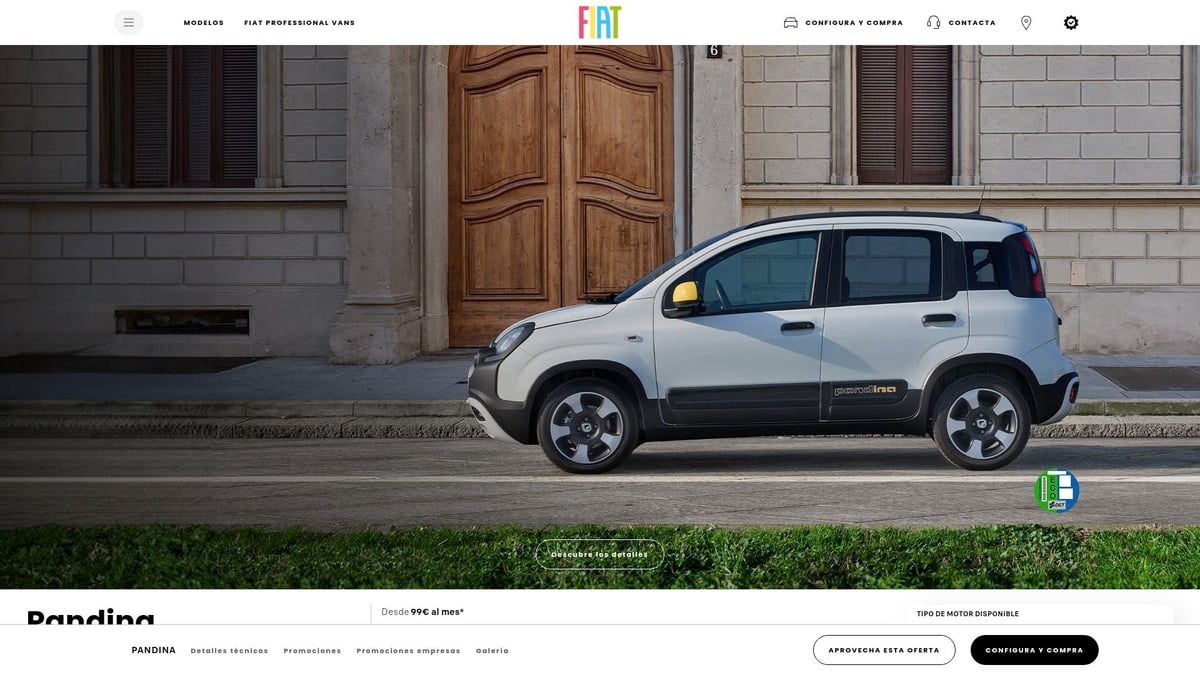
Compact (3.9 meters), it is ideal for parking in tight spaces and moving through narrow streets. It comes with 5 standard airbags and a good safety level for a beginner car of this size.
Pros:
- Low maintenance costs.
- Outstanding maneuverability.
- Ease of use.
Cons:
- Basic interior finishes.
- Just enough power outside the city.
Who is it ideal for? The Panda is the beginner car for those seeking reliability, economy, and simplicity in daily life, especially in urban environments.
Citroën C-Elysée
The Citroën C-Elysée surprises with its space and robustness. For €13,500 new or €9,000 used, it offers a huge trunk (506 liters), ideal for young families or those who frequently carry luggage. Its engines are durable and insurance is usually affordable.
In terms of safety, it meets requirements and has the basic functions a beginner car needs. The technological equipment is simple but sufficient for those who prioritize functionality over luxury.
Pros:
- Large trunk capacity.
- Mechanical reliability.
- Comfort on long trips.
Cons:
- Less modern design than rivals.
- Basic technology in entry-level versions.
Who is it ideal for? The C-Elysée is the beginner car for those seeking space and comfort without giving up a competitive price and simple maintenance.
Honda Civic (high mileage)
The Honda Civic is a classic for those looking for a robust and durable beginner car. For about €14,000 you can find used units with over 100,000 km, but these models often exceed 300,000 km without major breakdowns.
Its consumption is contained and active and passive safety are well resolved. Insurance may be somewhat more expensive, but in return, you get a beginner car that will accompany you for years, with comfortable and stable driving.
Pros:
- Legendary reliability and durability.
- Good safety and comfort.
- Low failure rate.
Cons:
- Slightly higher insurance.
- More demanding maintenance if used intensively.
Who is it ideal for? Ideal for those who want a beginner car that lasts many years and are not afraid of high mileage if the maintenance history is good.
Opel Corsa
The Opel Corsa is a benchmark among urban cars and stands out as a beginner car thanks to its balance between technology, design, and practicality. From €14,500 new or €10,000 used, it offers efficient engines like the 1.2T with 100 HP and consumption of only 5.0 l/100 km.
It has advanced safety assistants and equipment above average, even in entry-level versions. The C badge facilitates access to big cities and low emission zones.
Pros:
- Modern technology and safety assistants.
- Variety of engines.
- Good level of equipment.
Cons:
- Slightly higher price than basic options.
Who is it ideal for? Perfect for those looking for a beginner car with a current image and extra comfort and safety in daily use.
As you can see, choosing the ideal beginner car in 2026 depends on your needs, budget, and lifestyle. Each model on this list fits different profiles, but all share ease of use, economy, and safety that you seek in your first driving experience.
Practical Tips for Choosing and Buying Your First Car in 2026
Choosing your first beginner car may seem like a huge challenge, but with some practical tips and good planning, the process becomes much easier and safer. Here we guide you step by step to make the best decision and enjoy your purchase from day one.
Vehicle Inspection and Test Drive
Before deciding on a beginner car, always request the maintenance history. This lets you know if the vehicle has undergone important check-ups and avoid unpleasant surprises.
Test the car in your usual environment. Drive through narrow streets, access your garage, and check how it responds in real traffic situations. This way, you will discover if it really suits your daily needs.
Don't forget to check key elements: brakes, tires, shock absorbers, and the operation of airbag indicators and safety assistants. A visual inspection and a short test can make a difference.
Comparing Insurance and Real Costs
Insurance is a fundamental aspect when looking for a beginner car. Use online comparators to find extended third-party policies, which usually start from €300 per year for novice drivers.
Compare deductibles and specific coverage for young drivers, as they can offer greater peace of mind in case of an incident. Remember that insurance cost varies according to the model, power, and your driving record.
If you have doubts about how to adjust your budget or what factors influence final costs, you can consult this guide on key factors when choosing a new car, which will help you make a more informed decision.
Essential Safety and Equipment
Safety must be a priority in any beginner car. Prioritize models that include stability control (ESP), at least four airbags, autonomous braking system, and lane-keeping assistants.
Always check the updated Euro NCAP ratings for 2026 models. A high score significantly reduces the risk of injury in an accident.
Don't underestimate the importance of parking sensors and rear cameras, especially if you will drive or park in the city. These features make your experience much more comfortable and safe.
Financing and Leasing Options
Nowadays, there are very flexible alternatives to acquire a beginner car. Leasing can be an excellent option if you want to avoid surprises in maintenance, as it includes insurance, check-ups, and assistance.
Installment financing is another interesting alternative, especially if you prefer to get a new car without paying all the money upfront. Compare both options and analyze which suits your personal situation and budget better.
Remember that some promotions include interest-free months or down payment facilities, which can greatly ease your first step towards personal mobility.
Environmental Considerations and Access to Restricted Zones
In 2026, choosing a beginner car also means thinking about the future of mobility. ECO and C badge models will be essential to drive without restrictions in many cities.
Electric microcars and hybrids offer tax advantages, lower cost per kilometer, and free access to low emission zones. If you seek sustainable and affordable alternatives, this analysis on affordable electric cars in 2026 will be very useful.
Also consider public subsidies and incentives for purchasing efficient vehicles, as they can significantly reduce the final price and facilitate your choice.
Find and Compare Specifications of All These Models at TuFichaTecnica
Want to compare each beginner car and make the best decision? At TuFichaTecnica you can consult more than 70,000 versions, see technical sheets, prices, consumption, and expert analyses all in one place.
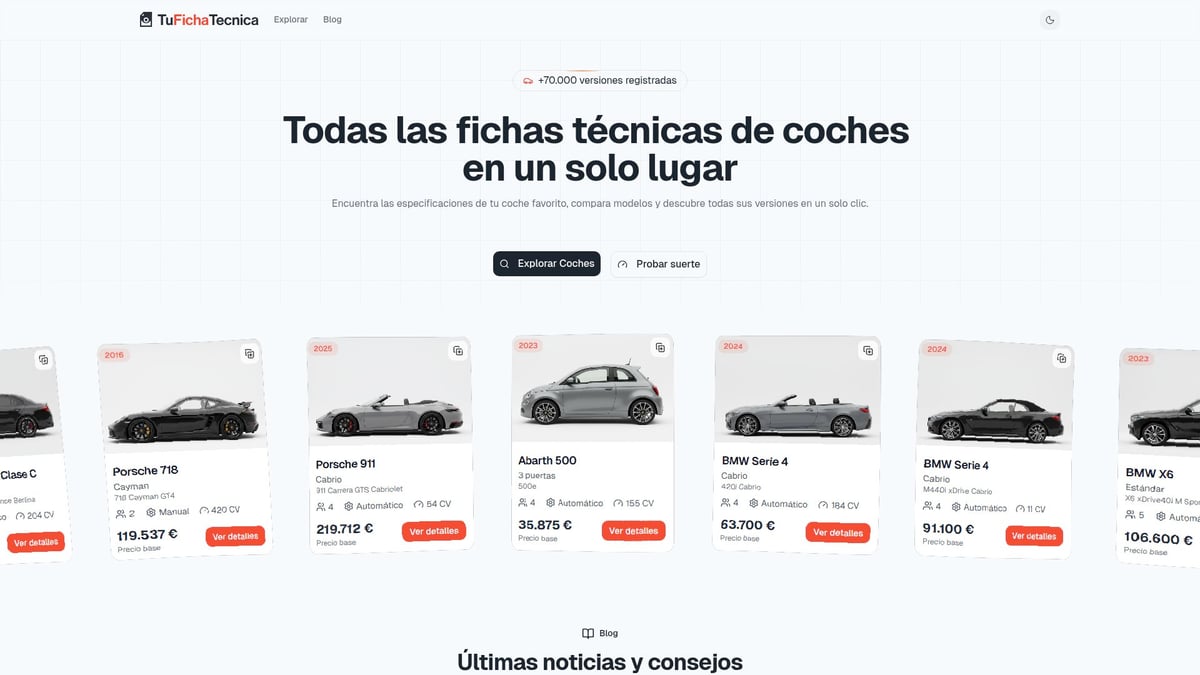
Also, if you are interested in a compact Citroën, you can check the Citroën car technical sheets to learn all their advantages and details.
The platform is ideal for those seeking clear information and easy-to-use comparison tools. This way, choosing your next beginner car will be much easier and safer.
Now that you have a clear view of the best beginner car options in 2026 and know what details to focus on, the next step is to compare specifications and see which fits your needs best. At TuFichaTecnica we love to accompany you in this process because we understand how important it is to make an informed decision and feel confident with your choice. Do you have doubts about prices, consumption, or equipment? Here you can find all that information side by side to choose with peace of mind. Together, we can make your first car the success you deserve.
Check your favorite cars