
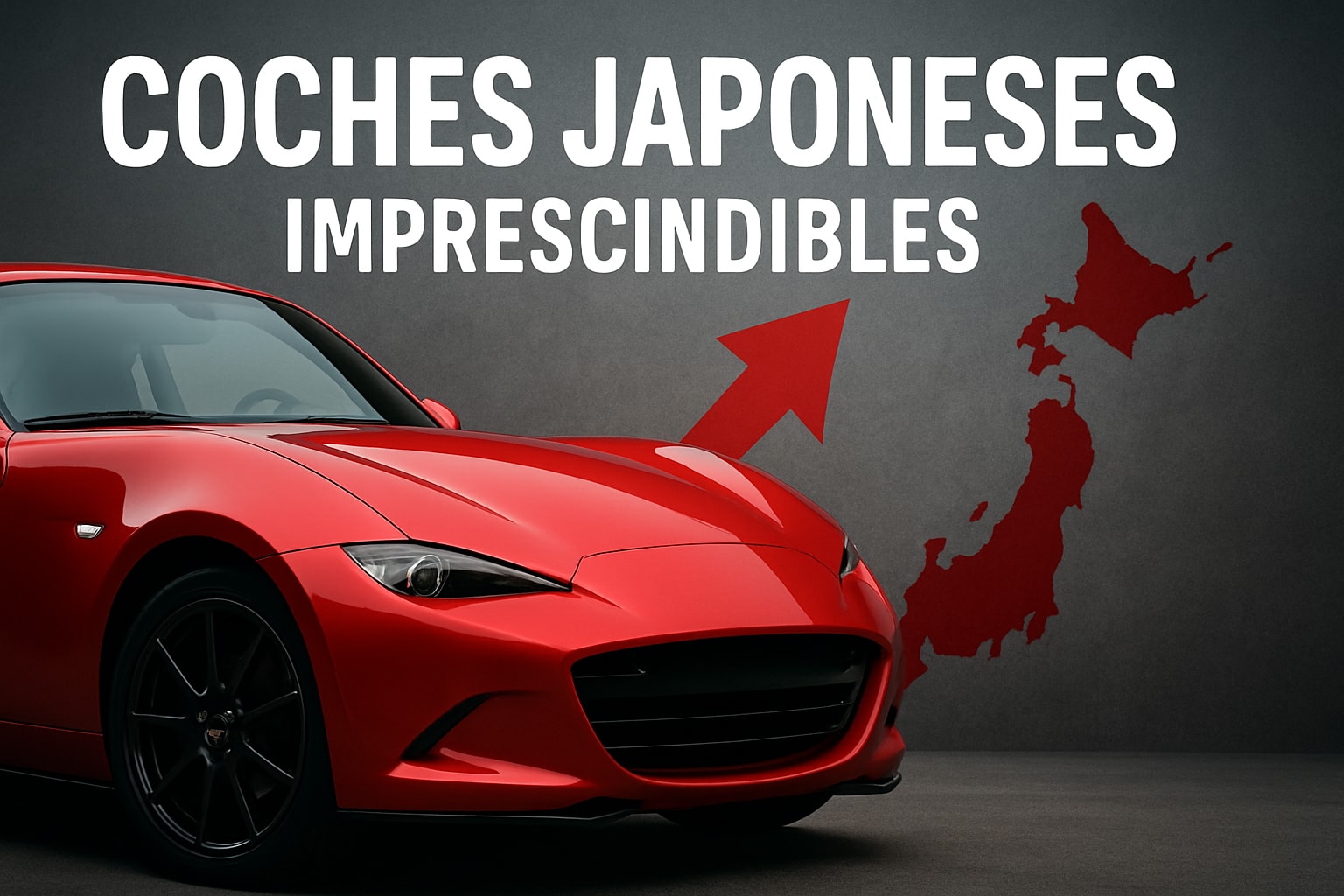
Have you ever wondered why Japanese cars are conquering more and more roads worldwide? Their innovation, reliability, and design have elevated their popularity, making them benchmarks in the global market.
Choosing among the most advanced Japanese cars for 2025 is key if you seek cutting-edge technology, sustainability, and long-term value. The coming year promises innovations that will transform how we experience mobility.
In this article, you will discover the 7 must-have models, with technical details, advantages, and tips for every type of driver. Ready to find the perfect car for you? Join us and discover which one best suits your lifestyle!
Trends and Evolution of the Japanese Automotive Market in 2025
The Japanese car market is undergoing a revolution in 2025. The Japanese automotive industry has established itself as a global benchmark thanks to its constant commitment to innovation, electrification, and sustainability. This year, Japanese manufacturers are setting the pace of mobility, driving technologies that define the sector's future.
One of the strongest trends is the exponential growth of electric vehicles (EVs) and hybrids. Brands like Toyota and Honda have expanded their lineup with increasingly efficient and environmentally friendly models. The commitment to emission reduction and the development of longer-range batteries have positioned Japanese cars as the preferred option for those seeking sustainable and responsible mobility.
At the same time, demand for SUVs, crossovers, and urban compacts continues to rise. Consumers value versatility and space, but also the efficiency and smart design that characterize Japanese cars. These models combine ideal city dimensions with features adapted to family and leisure needs, boosting their sales in both Europe and America.
Technology is another pillar of Japanese success. Manufacturers have integrated advanced driving assistants, active safety systems, and state-of-the-art connectivity. Thanks to these developments, driving a Japanese car in 2025 means enjoying a safe, intuitive, and connected experience. Brands like Nissan, Mazda, and Lexus stand out for their innovation in this area, ranking among the world leaders in sales and reputation.
The impact of Japanese culture is also reflected in design and user experience. Attention to detail, minimalist philosophy, and the search for balance between functionality and aesthetics are key in the new models. This unique identity contributes to Japanese cars being recognized and valued globally.
According to recent data, Japanese brands have increased their market share in Europe and America, consolidating their presence and surpassing many traditional competitors. Factors such as reliability, low maintenance costs, and resale value reinforce consumer confidence in Japanese cars.
For those seeking detailed information on how preferences and expectations are evolving, the Global Automotive Consumer Study 2025 offers a comprehensive view of the trends transforming the industry and directly influencing the selection of must-have models for this year.
These trends pave the way to choose the most outstanding Japanese cars of 2025. The combination of technology, sustainability, design, and value is the foundation on which Japanese manufacturers will continue leading the market and winning over drivers worldwide.
7 Must-Have Japanese Cars for 2025
Choosing among the best Japanese cars for 2025 is an exciting task. Innovation, efficiency, and reliability are the pillars of the Japanese automotive industry, and this year they come packed with trendsetting proposals. Here we present a careful selection of seven models that stand out for their technology, safety, design, and value, designed for all types of drivers and needs.
Toyota Prius 2025
The 2025 Toyota Prius is the benchmark when it comes to Japanese hybrid cars. Its estimated price starts from €35,000, with versions including the Advance and Executive trims. The new generation incorporates a more efficient hybrid system, achieving consumption of only 3.8 l/100km.
Among its main innovations, the integration of Toyota Safety Sense driving assistants and a revamped multimedia system stand out. The exterior design is more aerodynamic and modern, improving both aesthetics and efficiency.
This model is ideal for urban users and drivers committed to sustainability. Reliability and low consumption remain its main advantages. However, the initial price may be high, and the interior finishes remain modest.
Pros:
- Very low consumption and ECO label.
- Advanced assistance technology.
- Reputation for reliability and durability.
Cons:
- Initial price above average.
- Interior less attractive than some rivals.
Toyota continues to lead hybrid Japanese car sales worldwide. If you want to compare versions and specifications of this model with other Japanese cars, you can easily do so on the Japanese Car Comparator, a very useful tool for informed buyers.
Mazda CX-60 PHEV
The Mazda CX-60 PHEV positions itself as one of the most attractive Japanese SUVs for 2025. Its price starts from €50,000, offering Prime-Line, Exclusive-Line, and Takumi versions. The e-Skyactiv PHEV engine delivers 327 hp and an electric range of up to 63 km, ideal for urban trips and weekend getaways.
Mazda's Kodo design is reflected in elegant lines and premium interior finishes. It features advanced assistants, wireless connectivity, and state-of-the-art safety systems.
Designed for families and drivers seeking versatility, the CX-60 stands out for its interior quality and ZERO emissions label. Weak points include the high price and reduced trunk space due to battery presence.
Pros:
- Premium quality and finishes.
- Dynamic and efficient driving.
- ZERO label and low emissions.
Cons:
- High price compared to other SUVs.
- Limited trunk capacity.
Mazda SUV sales have grown notably in Europe, consolidating the brand among leaders in family Japanese cars.
Honda Civic e:HEV
The Honda Civic e:HEV is a hybrid compact that appeals to both young professionals and urban families. The price starts from €31,000, with Elegance, Sport, and Advance versions. Its latest generation e:HEV hybrid powertrain combines efficiency and dynamism, with consumption around 4.7 l/100km.

Honda Sensing safety equipment provides peace of mind on any journey. The exterior design is sportier, and the quality of interior materials has improved significantly compared to previous generations.
Among Japanese cars, the Civic stands out for its low maintenance cost and agile driving. However, rear space is somewhat tight, and the price is higher than traditional compacts.
Pros:
- Low consumption and maintenance.
- Renewed and sporty image.
- Advanced standard safety.
Cons:
- Limited rear space.
- Price higher than conventional compacts.
The Honda Civic remains one of the best-selling Japanese cars globally, demonstrating its acceptance and reputation in markets worldwide.
Nissan Ariya
The Nissan Ariya represents the full leap to electric mobility among Japanese cars. Its base price is around €47,000, with different battery options offering ranges between 403 and 528 km. Fast charging allows recovering 80% in just 35 minutes.
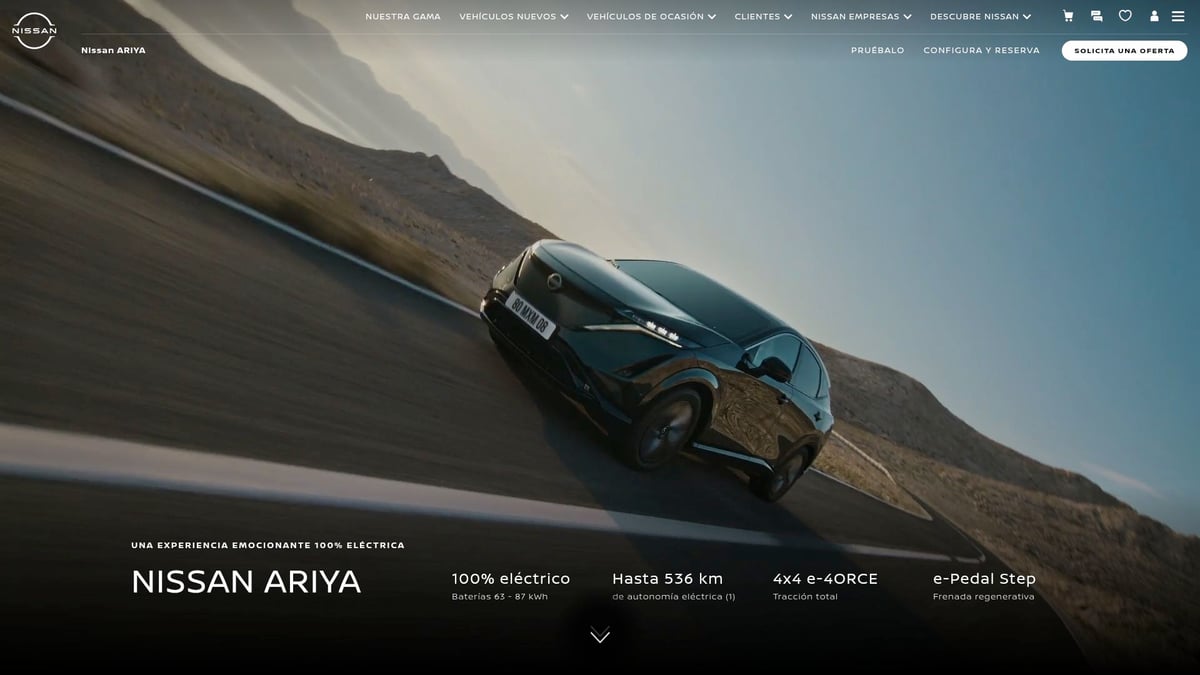
Its technological equipment is one of its strong points, with ProPILOT, intelligent assistants, and full smartphone connectivity. The exterior design is futuristic, and the cabin offers generous and comfortable space.
Designed for those seeking to make the definitive jump to electric cars, the Ariya combines zero emissions with cutting-edge technology. Negative aspects include a higher price than combustion models and limited availability in some regions.
Pros:
- Outstanding electric range.
- Advanced technology and assistants.
- Spacious and comfortable interior.
Cons:
- High initial price.
- Limited availability depending on region.
Nissan, a pioneer in Japanese electric cars with the Leaf, reinforces its electrification commitment with the Ariya, aimed at a demanding and tech-savvy audience.
Suzuki Swift 2025
The Suzuki Swift 2025 is one of the most popular urban Japanese cars, ideal for city and young drivers. Its price starts from €18,000 and includes mild-hybrid versions, helping reduce consumption to 4.2 l/100km.
The renewed design brings freshness and personality. It includes standard safety and connectivity equipment, making it a competitive option in its segment.
Its main advantages are compact size, low consumption, and great agility. However, the trunk is small, and base versions offer less power.
Pros:
- Perfect for city and daily use.
- Reduced consumption and ECO label.
- Competitive price.
Cons:
- Small trunk.
- Limited power in entry-level versions.
The Suzuki Swift stands out among the best-selling urban Japanese cars in Spain, proving that efficiency and practicality remain key in current mobility.
Lexus NX 350h
The Lexus NX 350h is the premium choice among Japanese hybrid cars. Its price starts from €55,000, with Business, Executive, F Sport, and Luxury versions. The self-charging powertrain and all-wheel drive guarantee smooth and efficient driving.
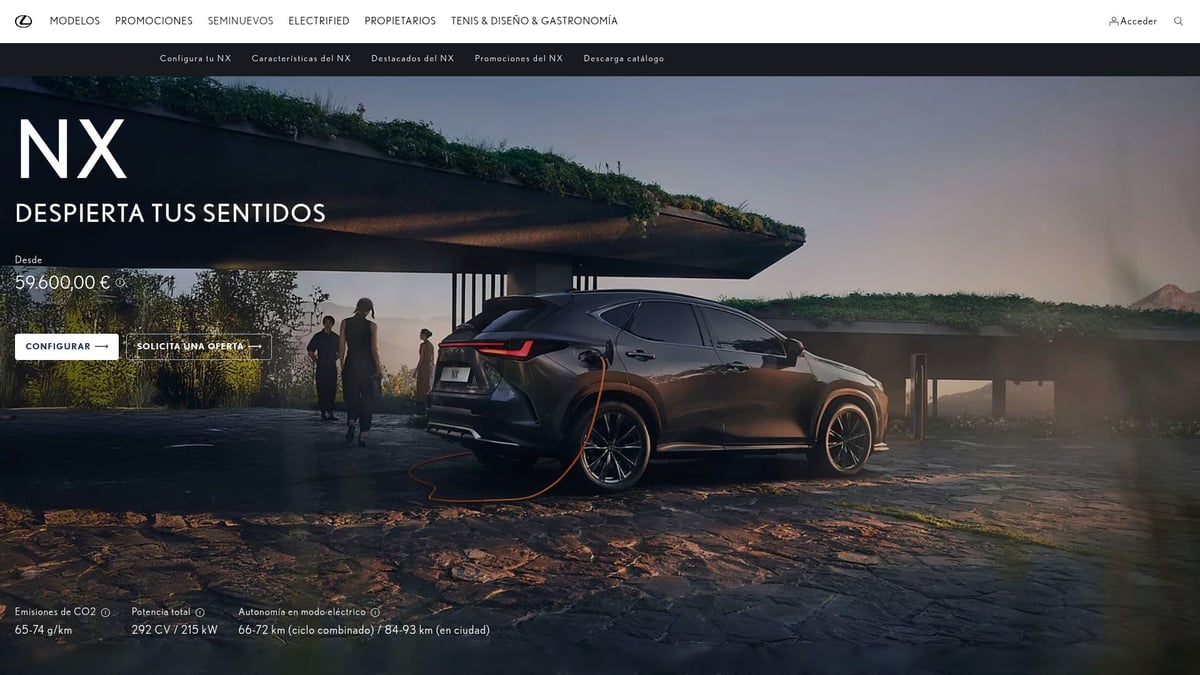
The Lexus Safety System+ technology and advanced multimedia system enhance safety and user experience. Premium finishes and comfort are hallmarks of this SUV, designed for executives and families seeking sustainable luxury.
Pros include material quality, quiet ride, and ECO label. Cons are the high price and the need for specialized maintenance.
Pros:
- Premium finishes and materials.
- Cutting-edge safety and technology.
- ECO label and efficiency.
Cons:
- Premium price.
- More costly maintenance.
Lexus is a reference in luxury Japanese hybrid cars in Europe, combining elegance, efficiency, and technology in every detail.
Subaru Solterra
The Subaru Solterra is the brand's first 100% electric SUV and stands out among Japanese cars for its robustness and off-road capabilities. The price is around €50,000, with 4x4 versions and a range of up to 466 km.
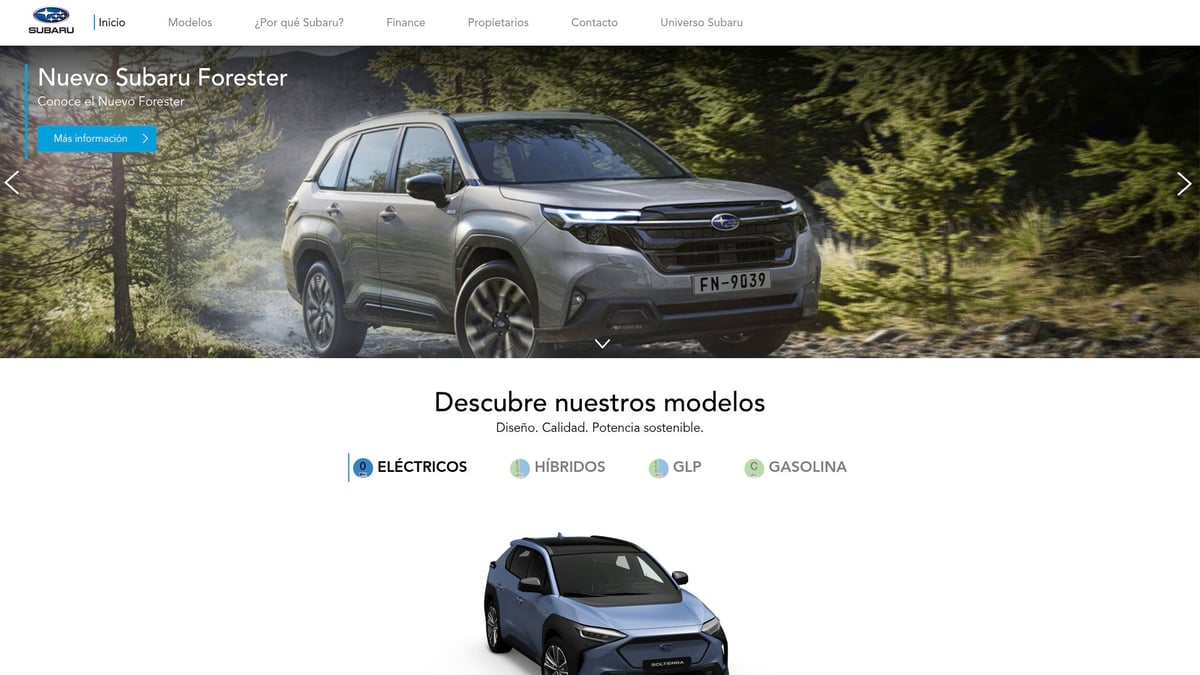
The e-Subaru Global platform and permanent all-wheel drive ensure safe behavior on any terrain. The EyeSight system and latest-generation assistants reinforce active and passive safety.
Ideal for adventurers and those seeking a versatile electric SUV, the Solterra offers all-wheel drive and a unique driving experience. Drawbacks include limited charging network and a potentially high initial price.
Pros:
- All-wheel drive and off-road capabilities.
- Advanced safety.
- Competitive range.
Cons:
- Limited charging infrastructure.
- High initial price.
Subaru has been a pioneer in all-wheel drive and safety, now bringing that experience to Japanese electric cars, opening new possibilities for the SUV segment.
Specification Comparator and Technical Analysis with TuFichaTecnica
Want to make the best decision when choosing among different Japanese cars for 2025? At TuFichaTecnica, we make it easy with an intuitive platform designed to quickly and thoroughly compare all key aspects of the models that interest you.

From the website, you can analyze technical specifications, prices, consumption, dimensions, and equipment of each Japanese car. Just search for the model, select versions, and access complete datasheets and visual comparisons.
Some of TuFichaTecnica's main benefits include:
- Access to more than 70,000 vehicle versions, including the most innovative Japanese cars.
- Objective analysis and easy-to-use comparison tools.
- Always updated and centralized data in one place.
For example, if you want to explore the Most Popular Toyota Models, you can dive into details of hybrid powertrains, equipment, and prices to make an informed decision.
The platform is designed for both informed buyers and motor enthusiasts and professionals. Its competitive advantage is independence, data rigor, and the convenience of having all relevant information in one site.
We invite you to try TuFichaTecnica and discover which Japanese car is best suited to your needs in 2025.
Key Factors to Choose a Japanese Car in 2025
Choosing among the many Japanese cars available in 2025 may seem challenging, but essential factors guide us. Energy efficiency and sustainability are now absolute priorities, as Japanese manufacturers lead in low emissions and reduced consumption.
Reliability has always been a hallmark of Japanese cars. Additionally, their low maintenance cost and long-term durability guarantee peace of mind and confidence behind the wheel. In 2025, technological innovation takes center stage: driving assistants, advanced connectivity, and safety systems are integrated into every model, following the automotive industry trends for 2025.
The excellent value for money compared to European and American brands makes Japanese cars a smart investment. Their high resale value and variety of models allow finding the ideal option for every profile. When evaluating your needs, think about daily use, desired technology, and budget: this way, you'll find the perfect Japanese model for you.
Now that you know in depth the 7 must-have Japanese cars for 2025 and have seen how innovation, sustainability, and technology make the difference, don't you feel like comparing your favorites more closely to see which fits you best? At TuFichaTecnica, you can analyze specifications, prices, and versions of all these models and many more, all in one place and easily. Together, we can make a more informed decision and find that perfect Japanese car that suits your lifestyle and needs.