
Choosing the right utility car in 2025 can make a difference in your daily life, especially with so many new developments and emerging technologies. In a constantly changing market, knowing the best utility car alternatives is essential to make a smart decision.
In this article, we guide you through 8 must-have models, covering engines, prices, advantages, and practical advice so you can find the ideal vehicle according to your needs. Discover the most competitive options and take the first step toward your next choice!
Why Choose a Utility Car in 2025?
Choosing a utility car in 2025 is more relevant than ever. Wondering why so many people still bet on this segment? We invite you to find out.
Modern utility cars stand out for their efficiency and low environmental impact. Thanks to optimized engines, they comply with strict standards like Euro 6d and offer reduced consumption. Their compact size facilitates city mobility but surprises with interior space and capacity for short getaways. Additionally, they incorporate safety technology, driving assistants, and advanced connectivity, enhancing the driving experience. You can choose from various powertrains: gasoline, hybrids, electric, or LPG, adapting the utility car to your needs. All this with acquisition and maintenance costs lower than other segments.
The market has changed, but the utility car maintains its place as a rational and practical option. Although SUVs dominate sales, utility cars represent nearly 15% of the market, a significant figure. Electrification is advancing strongly, and more models offer ECO or ZERO versions, adapting to urban restrictions and user demands. Examples like the Seat Ibiza, Renault Clio, or Dacia Sandero remain benchmarks. If you're interested in the best-selling models and current trends, you can check this analysis of best-selling cars in Spain in 2024.
Who chooses a utility car in 2025? The profile is very varied. From young people looking for their first car to small families prioritizing economy and practicality. They are also popular among rental companies and fleets. The growing interest in electric models is due to incentives and restrictions for driving in many city centers. If you value efficiency, ease of parking, and urban use, the utility car is for you.
The numbers speak for themselves. The average trunk capacity ranges from 300 to 350 liters, and their length is usually between 3.9 and 4.1 meters, facilitating daily use. Models like Dacia Sandero, Peugeot 208, and Opel Corsa lead sales in 2024 and 2025. A real example: a user switching from a gasoline compact to a hybrid utility car can save hundreds of euros per year on fuel and maintenance. This combination of advantages makes the utility car the smartest choice for those seeking efficient and future-ready mobility.
8 Essential Utility Car Options in 2025
Choosing the best utility car in 2025 is an exciting task but also requires clear and updated information. That’s why we have selected eight models that stand out in the segment for their technology, efficiency, price, and versatility. Each option covers different user profiles, from those seeking sustainable mobility to those prioritizing economy and reliability. Discover which of these cars can be your ideal daily companion.
BYD Dolphin Surf
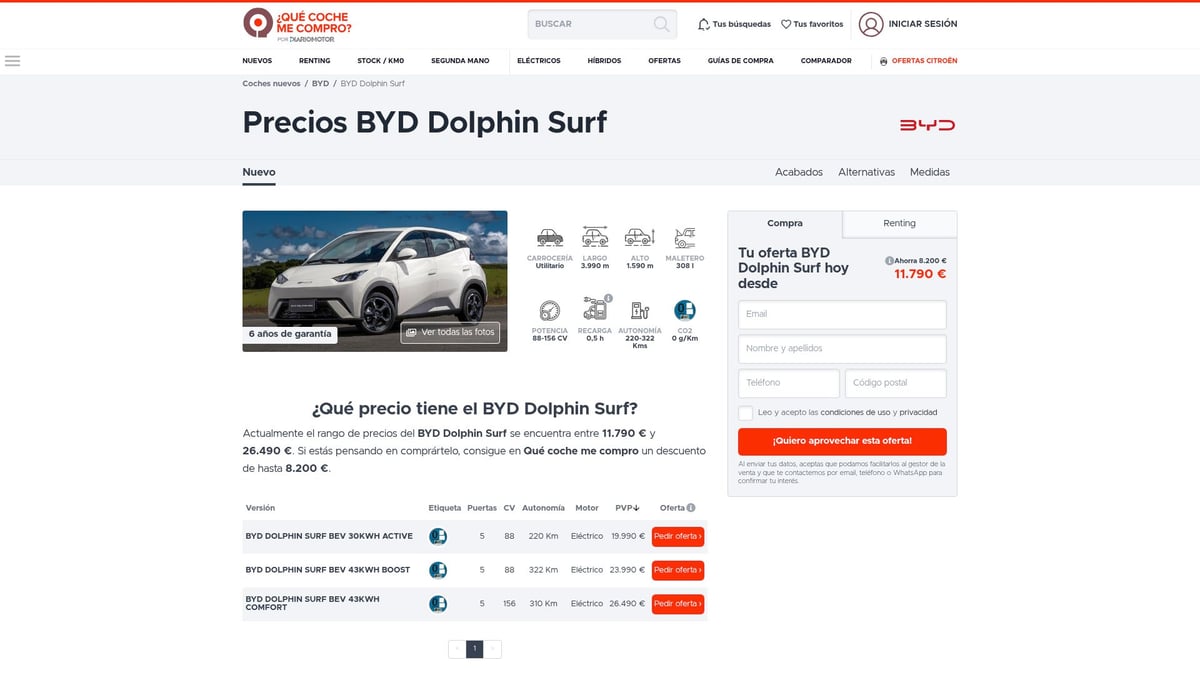
The BYD Dolphin Surf is one of the big surprises in the utility car world for 2025. Its price, from €11,790 with subsidies, positions it as one of the most affordable electric cars on the market. It offers a range of up to 340 km, ideal for moving around the city and metropolitan areas.
Main features:
- 100% electric
- Multimedia screen and driving assistants
- 6-year warranty
Pros:
- Very competitive price
- Minimal usage cost
- Zero emissions
Cons:
- Only four seats
- Limited customization options
Designed for urban users and young professionals, this utility car facilitates access to low-emission zones and becomes a practical and modern alternative. If you seek sustainable and efficient daily mobility, the BYD Dolphin Surf may be the perfect answer.
Peugeot 208
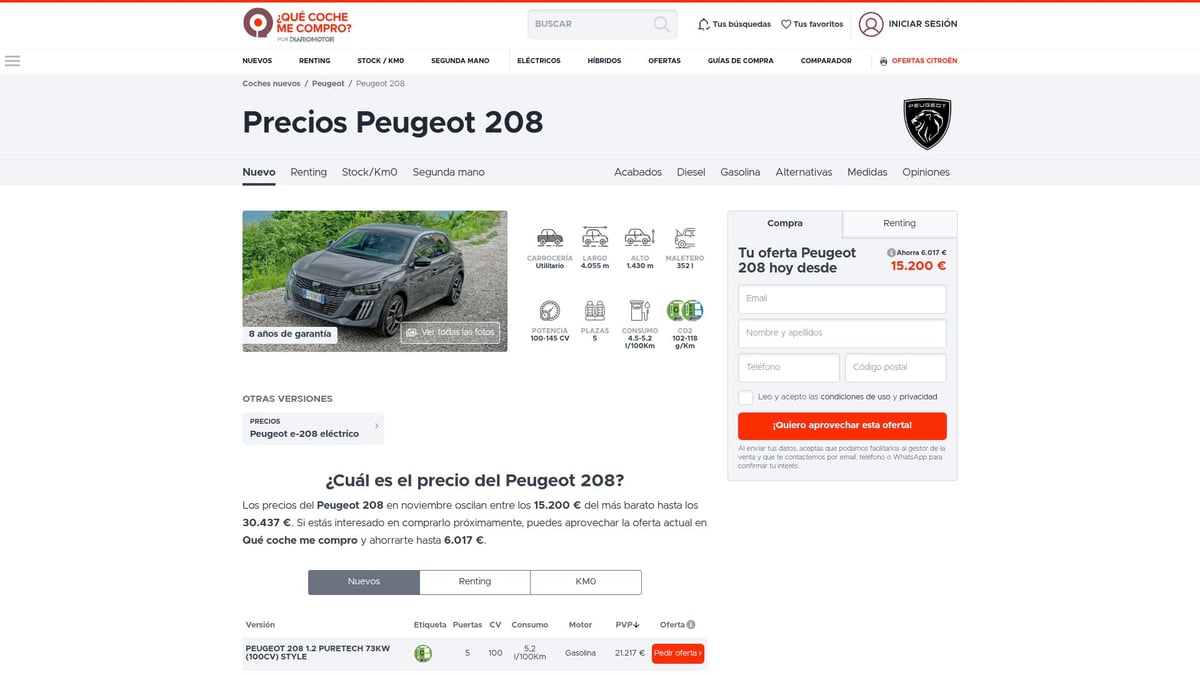
The Peugeot 208 remains a benchmark in the utility car segment thanks to its attractive design and wide variety of powertrains: gasoline, diesel, and 100% electric (e-208). Its price starts from €15,200 with discounts.
Technology and safety:
- i-Cockpit and advanced connectivity
- Brake and lane-keeping assistants
- Traffic sign recognition
Advantages:
- Wide variety of versions and trims
- Youthful and modern image
- Technological equipment
Disadvantages:
- Higher price in electric version
- Reduced trunk space in the e-208
This utility car is ideal for young drivers and small families who value design and technology. It has been awarded in Europe for its excellent value for money and remains a safe bet in 2025.
Dacia Sandero
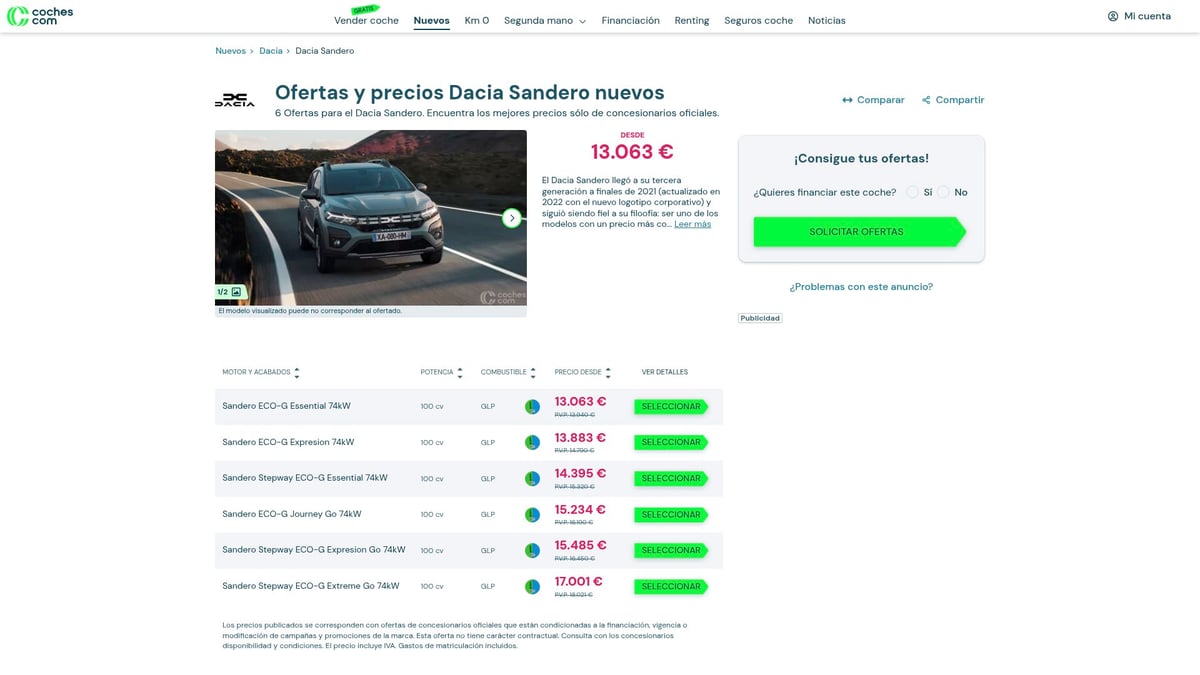
The Dacia Sandero stands out as one of the best-selling utility cars in Spain for its economy and reliability. With a price from approximately €13,000, it offers gasoline and LPG (ECO-G) versions but no longer diesel in its latest generation.
Key data:
- Trunk capacity of 328 liters
- Improved interior space
Pros:
- Unbeatable price
- ECO-G version with ECO label
- Simplicity and robustness
Cons:
- Basic equipment in entry versions
- Simple finishes
Aimed at those looking for a reliable and economical utility car, the Sandero is perfect as a first car, for families, or as a second vehicle. Its low maintenance cost is one of its great assets.
Renault 5 Electric
The return of the Renault 5 in electric format is a nod to nostalgia but with cutting-edge technology. Its price starts from €16,726 with MOVES subsidies and offers up to 410 km of maximum range.
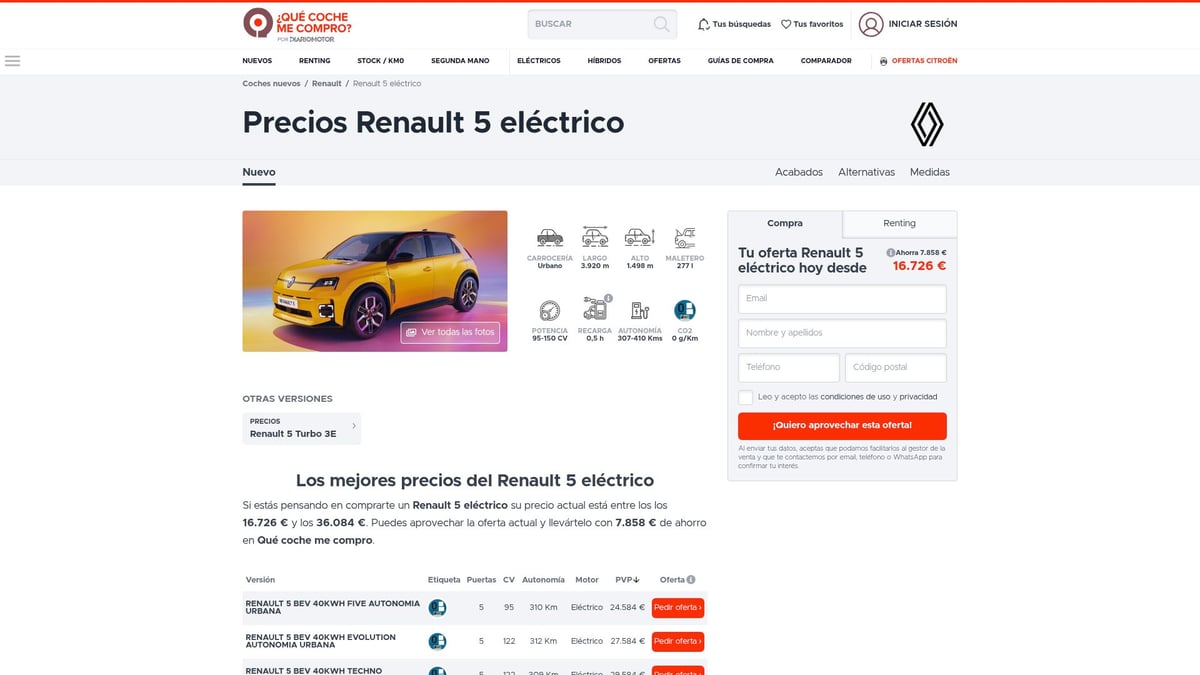
Highlighted equipment:
- Digital screen and full connectivity
- Latest generation safety assistants
Advantages:
- Retro and modern aesthetics at once
- Advanced technology
- Reduced usage cost
Disadvantages:
- Limited range in the basic version
- High price without subsidies
This utility car is perfect for those seeking image, sustainability, and efficiency in the city. Its iconic design makes it a unique option among electric utility cars in 2025.
Hyundai i20
The Hyundai i20 offers one of the most complete ranges in the utility car segment, with gasoline engines and a 48V mild hybrid option (MHEV). Its price is around €15,000.
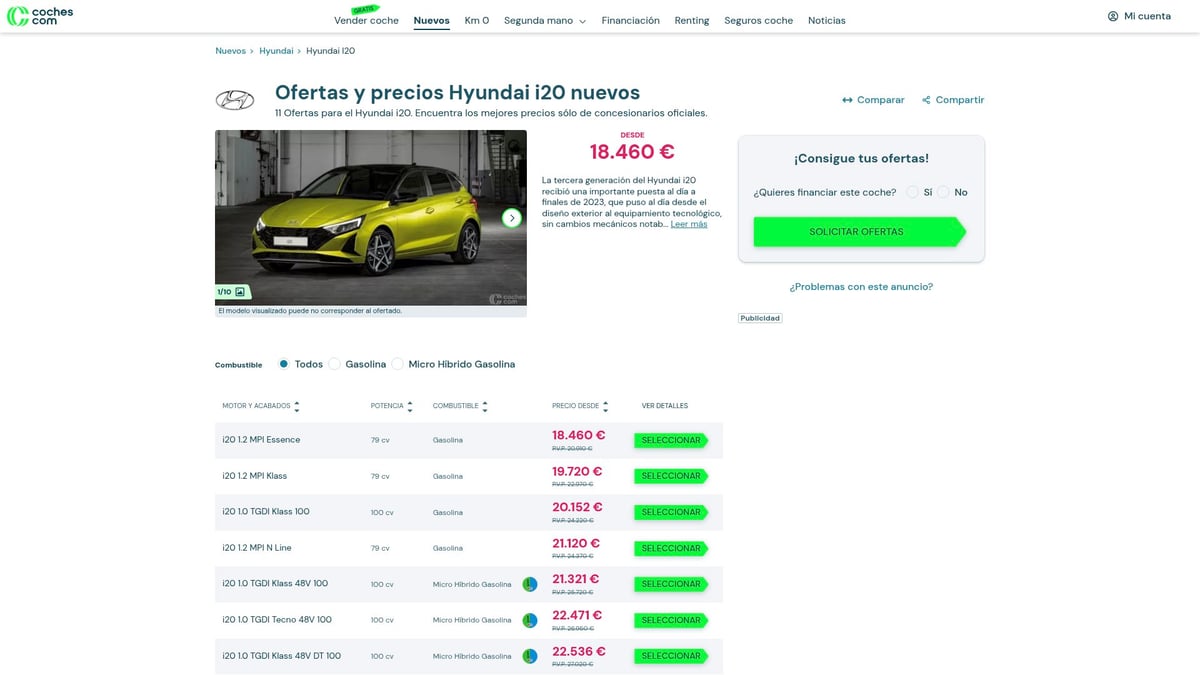
Strengths:
- Digital instrumentation and multimedia screen
- Advanced driving assistants
- Trunk of 351 liters
Advantages:
- Technology and interior space
- 5-year warranty
Disadvantages:
- Limited equipment in basic versions
- Higher price in top trims
The Hyundai i20 is ideal for young families and users seeking a versatile utility car for both city and short getaways. Its technology and space differentiate it from the competition.
Opel Corsa
The Opel Corsa is one of the most balanced utility cars on the market. Available with gasoline, diesel, and electric (Corsa-e) engines, it starts from €14,900 on offer.
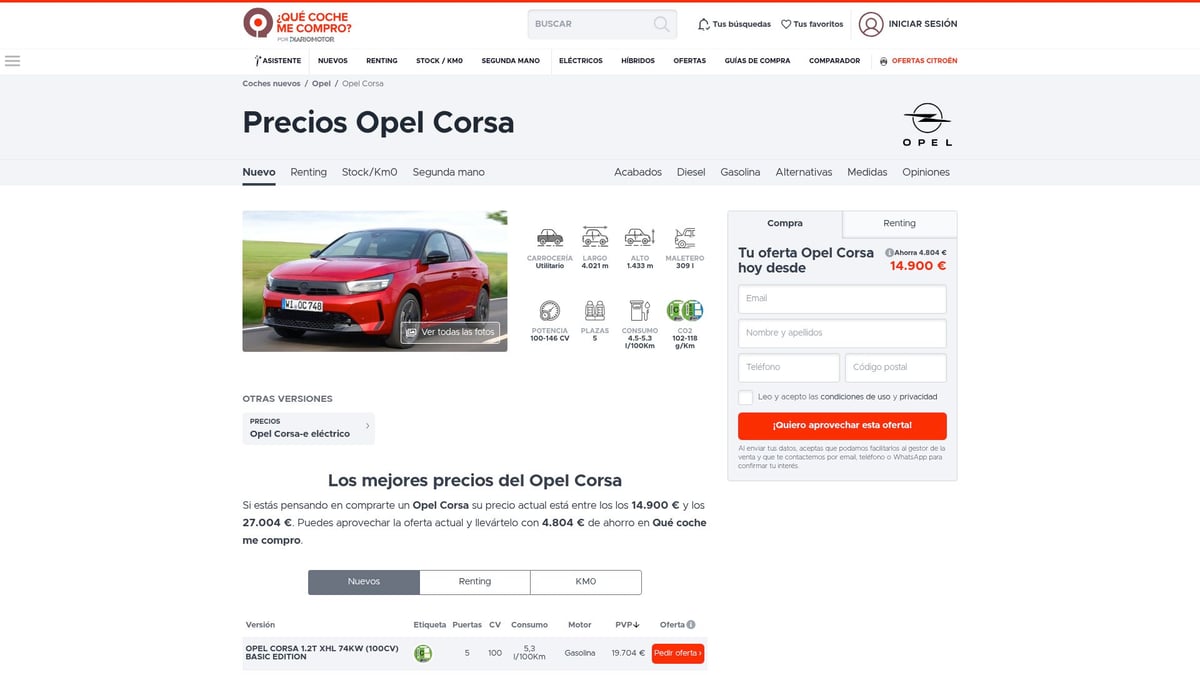
Equipment and safety:
- Automatic braking and lane assistant
- Adaptive cruise control
Pros:
- Variety of powertrains
- Good quality-price balance
Cons:
- Rear space somewhat limited
- Extra equipment in higher versions
This utility car is an excellent option for young people, families, and those seeking an urban or peri-urban vehicle with a good reputation and resale value.
Citroën C3
The Citroën C3 bets on personalization and comfort, with gasoline, mild hybrid, and electric (ë-C3) engines. Its price starts from €15,590 with subsidies for the electric version.
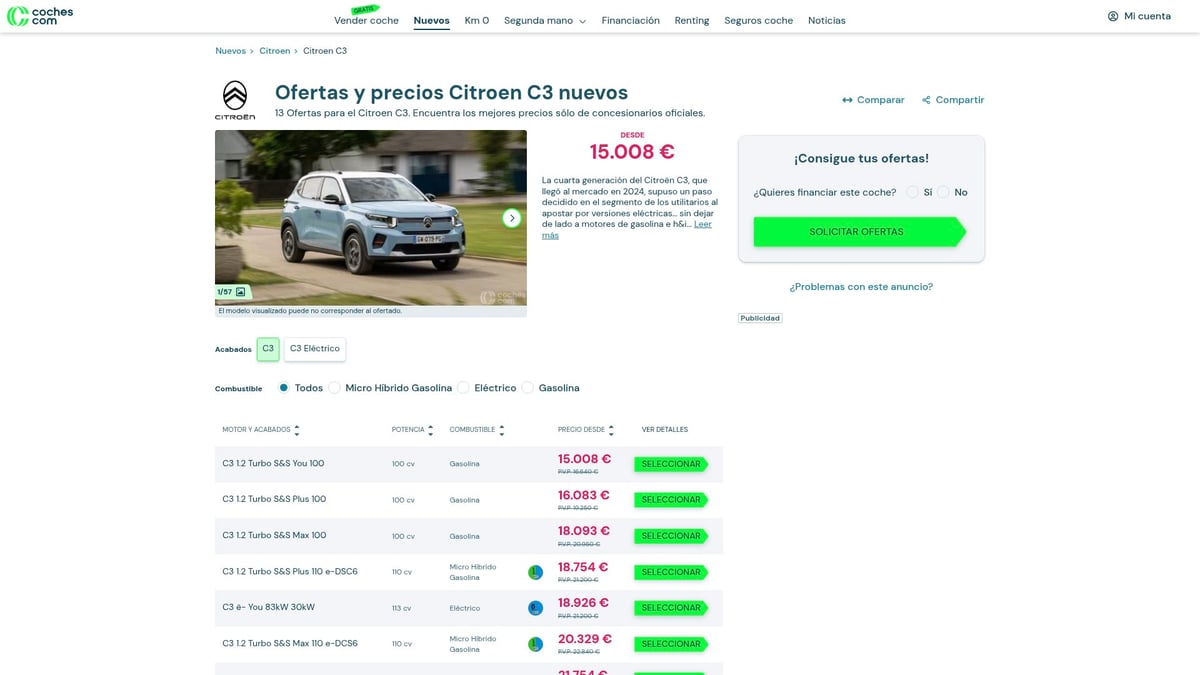
Main features:
- Customizable design and Advanced Comfort seats
- Trunk of 310 liters
Advantages:
- Ride comfort
- Personalization options
- Good safety equipment
Disadvantages:
- Basic equipment in entry versions
- Limited range in electric version
The Citroën C3 is perfect for those seeking a comfortable utility car with its own style, adapted to current urban mobility.
TuFichaTecnica: Utility Car Comparator and Guide
When choosing your next utility car, having clear and updated technical information is essential. Utility Car Technical Guide 2025 offers free access to over 70,000 car versions, allowing you to compare performance, powertrains, and equipment of all analyzed models.
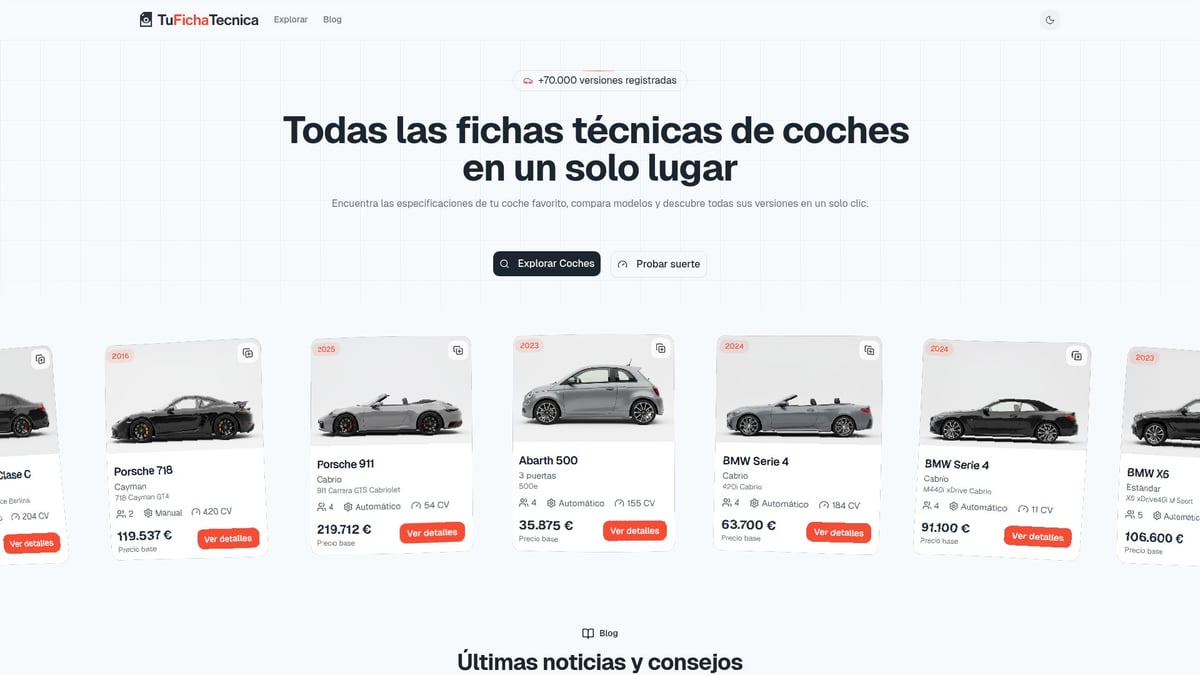
Platform advantages:
- Easy and quick comparison between 2025 models
- Largest and most updated Spanish database
- Free resources for buyers, enthusiasts, and professionals
This tool is ideal for those who want to analyze several utility cars before deciding, ensuring an informed choice tailored to their needs. You can compare, for example, Peugeot 208, Dacia Sandero, and Renault 5 Electric in just a few clicks.
Key Factors to Choose the Best Utility Car in 2025
Choosing the best utility car in 2025 requires analyzing several factors beyond price or design. To get the purchase right, it is essential to consider powertrain, technology, space, costs, environmental regulations, and reliability. Let’s look together at the aspects that really make a difference and how they can adapt to your daily needs.
Powertrain and energy efficiency
The type of engine defines much of the experience and costs. In 2025, you can choose between gasoline, mild or full hybrids, electric, and LPG. Electric engines stand out for their silence and zero emissions, perfect for the city. Hybrids combine efficiency and autonomy. LPG is an economical alternative, though less widespread.
| Powertrain | Approx. Consumption | Emissions | Label |
|---|---|---|---|
| Gasoline | 5.0-6.5 l/100km | Moderate | C |
| Hybrid | 4.0-5.0 l/100km | Low | ECO |
| Electric | 0 l/100km | None | ZERO |
| LPG | 6.0-7.0 l/100km | Low | ECO |
Think about your routes and urban restrictions before choosing the ideal powertrain.
Safety equipment and technology
Nowadays, even a utility car offers brake assistants, lane control, sensors, and advanced connectivity. Active safety is key: look for models with automatic braking, sign recognition, and adaptive cruise control.
In technology, digital instrumentation and multimedia systems compatible with Android Auto and Apple CarPlay stand out. Don’t underestimate the comfort of traveling connected and protected.
Space and cargo capacity
Interior space can make a difference, especially if you travel with family or need a generous trunk. Most utility cars offer between 265 and 391 liters.
Evaluate seat modularity and loading ease. If the utility car will be your main vehicle, check accessibility and if the space meets your daily needs, whether for shopping, getaways, or work trips.
Total cost of ownership
Not only the purchase price matters. Calculate maintenance, taxes, insurance, and energy consumption costs. Electric cars, although more expensive initially, usually compensate with annual savings. According to the best-selling cars in Spain in 2024, utility cars remain popular for their low total cost.
Make realistic calculations and compare several models before deciding on a utility car.
Environmental labels and city access
ECO and ZERO labels are increasingly relevant. They allow circulation in restricted zones and access to incentives. If you live in a big city or plan to move through urban areas, prioritize models with these labels. Hybrids and electric cars offer clear advantages in 2025, such as discounts on parking or tolls.
Inform yourself about active subsidies and how they can reduce the final price of the utility car.
Resale value and reliability
Choose brands and models with good reputation and low depreciation. A reliable utility car will better retain its value in the second-hand market. Examples like the range of Dacia utility models stand out for their robustness and economy, which is key for many buyers.
Check user reviews and breakdown histories before deciding.
Practical tips for comparing and choosing
Use online comparators, read user tests, and whenever possible, test several models. This way, you’ll discover which utility car best fits your lifestyle and needs. Remember, the final decision should balance reason and emotion. Don’t hesitate to ask for advice and enjoy the selection process!
Future Trends in Utility Cars: Electrification, Connectivity, and More
The future of the utility car is marked by innovation and sustainability. In 2025, those looking for a utility car will find a landscape full of advances that improve urban mobility and the driving experience. Let’s see the trends already transforming this segment and how they impact our daily lives.
Electrification of the B segment
Electrification is one of the biggest revolutions in the utility car. Electric and plug-in models gain ground year after year, with launches like the Renault 5 Electric, BYD Dolphin Surf, and Citroën ë-C3. This trend responds both to the demand for sustainable mobility and the need to comply with stricter regulations.
In fact, electric car sales in Spain have surpassed 10,000 units for the first time, according to this recent report. This shows that the electric utility car is no longer just a future option but a present and accessible reality.
Technology and connectivity
Technology is another fundamental pillar in the evolution of the utility car. Today, utility cars incorporate virtual assistants, large touchscreens, and full smartphone connectivity via Android Auto and Apple CarPlay. Models like the Peugeot 208 and Hyundai i20 stand out for their digital instrumentation and advanced multimedia systems.
Moreover, active and passive safety systems have become standard, ensuring safer and more comfortable driving for all users.
Personalization and design
Personalization is a trend in utility cars. Drivers seek models that reflect their personality, choosing vibrant colors, special wheels, and unique interior details. The Citroën C3 and Peugeot 208 allow a wide variety of aesthetic and technological combinations.
This focus on design not only improves the visual experience but also increases the emotional and resale value of the utility car.
Sustainability and new materials
Sustainability is reflected in the use of recycled materials and responsible manufacturing processes. Brands like Citroën incorporate ecological fabrics and details inspired by sustainable prototypes. This trend responds to environmental commitment and the growing ecological awareness of utility car buyers.
More and more factories opt for clean energy and reduce the carbon footprint in production, which adds points in favor of the segment.
Impact of regulations and urban restrictions
Environmental regulations are key in the development of the utility car. The evolution of ECO and ZERO labels, along with the expansion of low-emission zones, forces manufacturers to adapt their models. Utility cars with electric and mild hybrid engines offer advantages such as unrestricted access to urban areas and tax benefits.
This adaptation ensures that the utility car remains the most practical and rational option for city mobility.
Changes in mobility habits
Our mobility habits are changing. Renting, carsharing, and subscription models grow among those seeking flexibility and fewer commitments. The utility car, due to its size and efficiency, is perfect for these services and for those who want a practical and economical option.
In the coming years, we will see launches of new electric models and more technological solutions, consolidating the utility car as a protagonist of sustainable and connected mobility.
Now that you know the most interesting utility car options for 2025, you surely have some models in mind that catch your attention. We know how important it is to compare details like powertrain, equipment, or price before deciding. That’s why we encourage you to continue this journey with us and review the specifications of your favorite cars. At TuFichaTecnica you have all the information you need to make a smart and personalized decision. Ready to find the perfect utility car? Let’s discover it together!
Check your favorite cars