
Especificaciones y análisis del BMW Serie 3
Power
90HP
Torque
190Nm
Consumption
6.4l/100
Emissions
-g/km
0-100 km/h
13.9s
Top Speed
175km/h
Weight
1290kg
Price
21,005€
Technical summary
Gasóleo
Manual 5v
RWD
5 / 3 doors
300 L
55 L
66 kW
Current
Technical specifications
Engine
Capacities
Detailed analysis of the BMW 318tds Compact · 90 CV (1996-2001)
General description
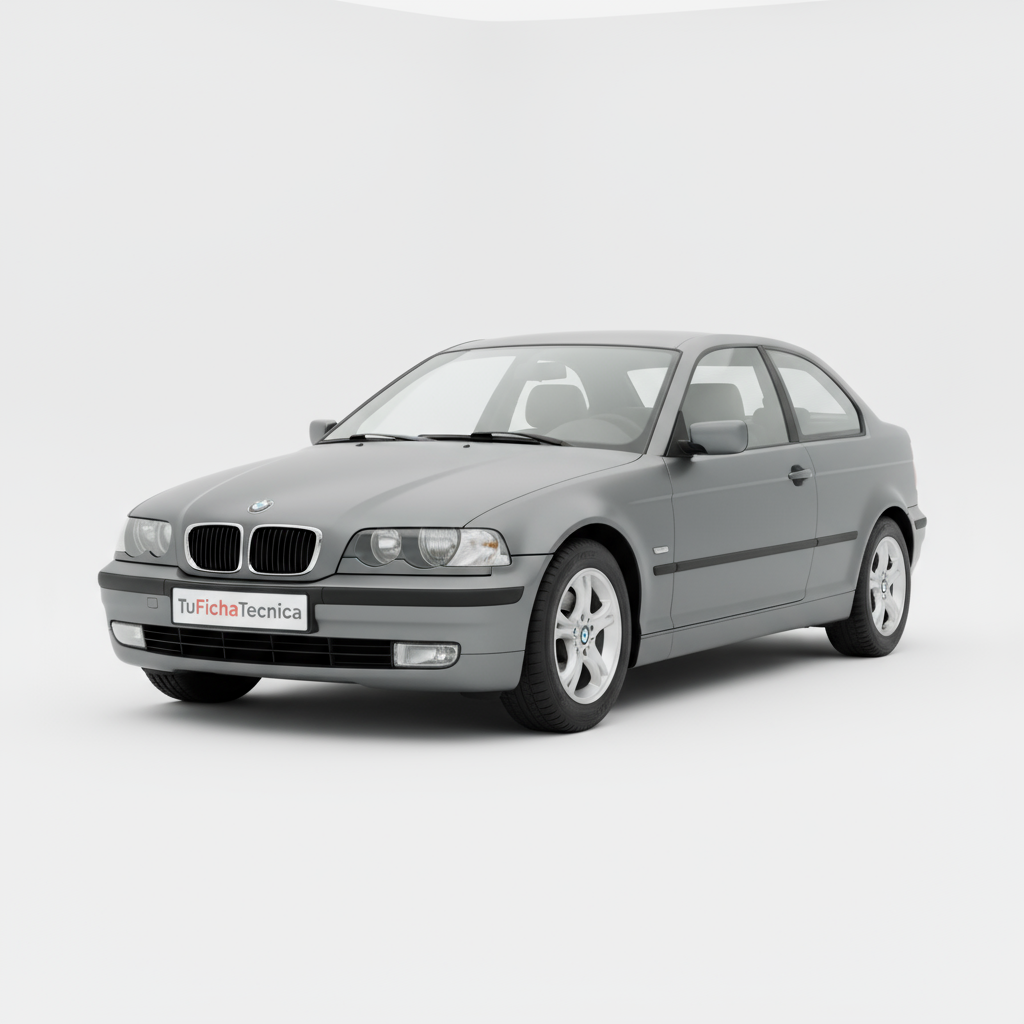
The BMW 318tds Compact of the E36 generation was the bold gateway to the BMW universe in the 90s. It represented an attempt to distill the essence of the brand—pure driving and rear-wheel drive—into a smaller, more accessible format. It was a car that promised big-car sensations in a compact body, offering an economical diesel without sacrificing the sporty soul that defines BMW.
Driving experience
Behind the wheel, the 318tds Compact transports you to a more analog and connected era. Its 90 horsepower doesn't aim to break records but to offer an authentic driving experience. The heart of it all is its rear-wheel-drive chassis, which provides a balance and agility that its front-wheel-drive rivals couldn't match. Every corner feels like a conversation between the driver and the asphalt, with direct steering and a manual gearbox that make you a part of the mechanics. The thrust of the turbo diesel engine at low revs makes it capable in daily use, but its true magic lies in the purity of its dynamic behavior.
Design and aesthetics
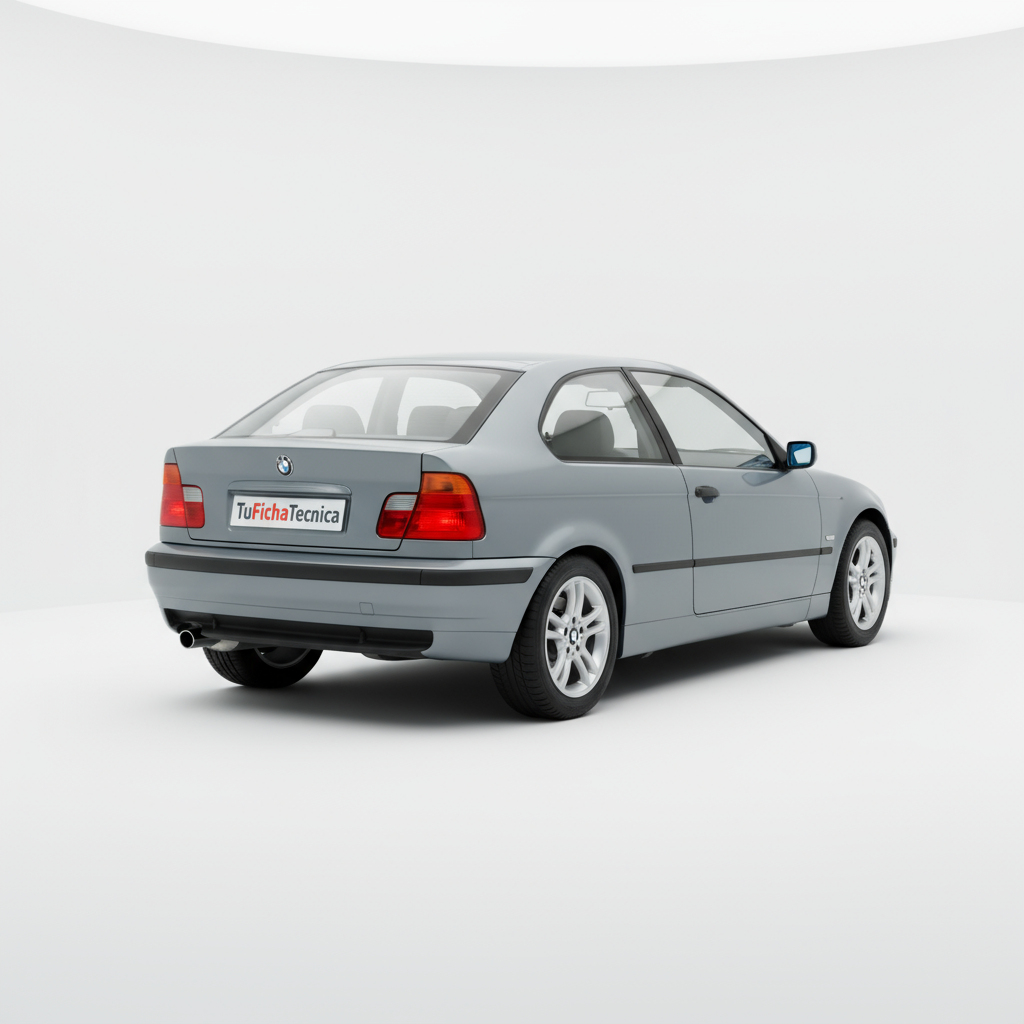
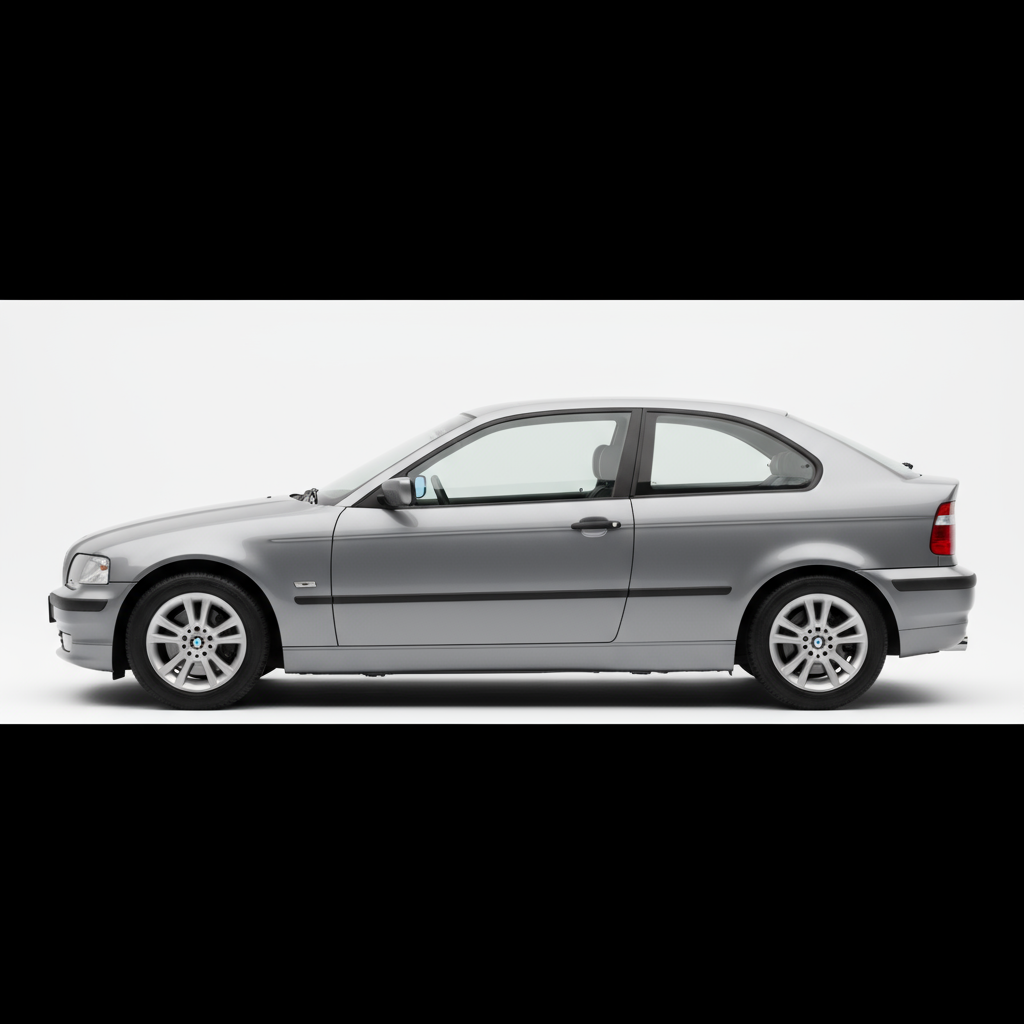
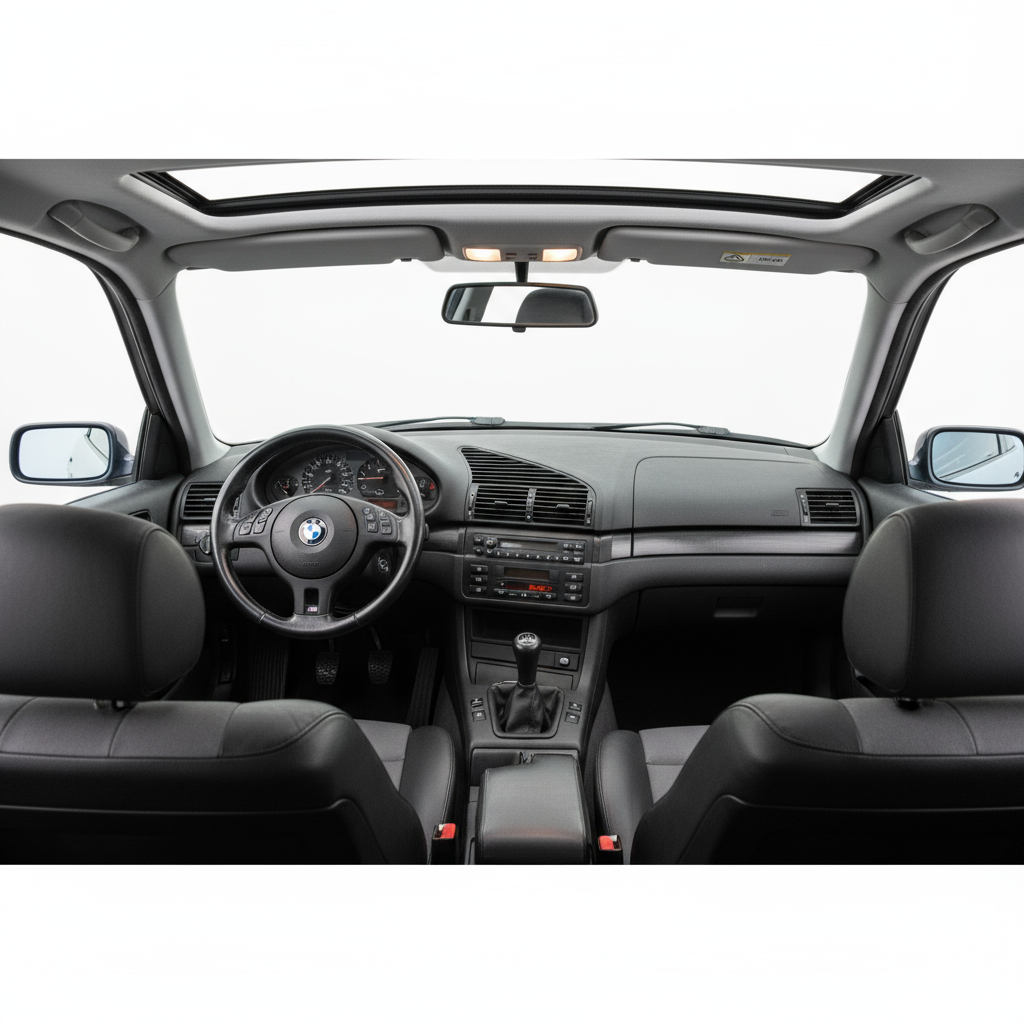
Its design is unmistakable and generated mixed feelings. It inherits the sharp front end and aggressive look of the E36 3 Series, but its shortened rear gives it a unique and rebellious personality. It's a car that doesn't leave anyone indifferent, with a silhouette that screams compact sportiness. Inside, the cabin is a sanctuary for the driver, with a console oriented towards them and a typically German sobriety. The materials, of high quality for their time, have stood the test of time well, creating an atmosphere that feels classic and robust.
Technology and features
The technology of the 318tds Compact focuses on mechanical engineering, not electronic frills. Its diesel engine with indirect injection and a turbo was a reliable and efficient solution for the era. The real technological display is in its chassis, with a suspension layout designed for enjoyment and a nearly perfect weight distribution. It lacks modern assists and screens, but in return, it offers an unfiltered experience where the driver's skill is the main protagonist. It's technology at the service of the driving sensation.
Competition
In its time, the 318tds Compact faced competition that opted for front-wheel drive. Its main rivals were the Volkswagen Golf, a benchmark for its balance and quality, and the newcomer Audi A3, which brought a new level of refinement to the segment. It also competed with characterful models like the Alfa Romeo 145. However, none of them could offer the unique experience of rear-wheel drive, the hallmark that made the small BMW a special and emotionally different choice.
Conclusion
The BMW 318tds Compact is much more than an old car; it's a statement of principles. It was a brave vehicle that democratized the BMW driving experience, even if it had to make concessions in design and power. Today, it has become a much-loved youngtimer, a car that evokes nostalgia for a purer, more mechanical driving experience. It's proof that you don't need stratospheric figures to feel a deep connection with the road, just a well-tuned chassis and the desire to enjoy every kilometer.