
Especificaciones y análisis del BMW Serie 7
Power
231HP
Torque
300Nm
Consumption
10.6l/100
Emissions
-g/km
0-100 km/h
8.1s
Top Speed
237km/h
Weight
1790kg
Price
69,900€
Technical summary
Gasolina
Automático 6v
RWD
5 / 4 doors
500 L
88 L
170 kW
Current
Technical specifications
Engine
Capacities
Detailed analysis of the BMW 730i · 231 CV (2003-2005)
General description
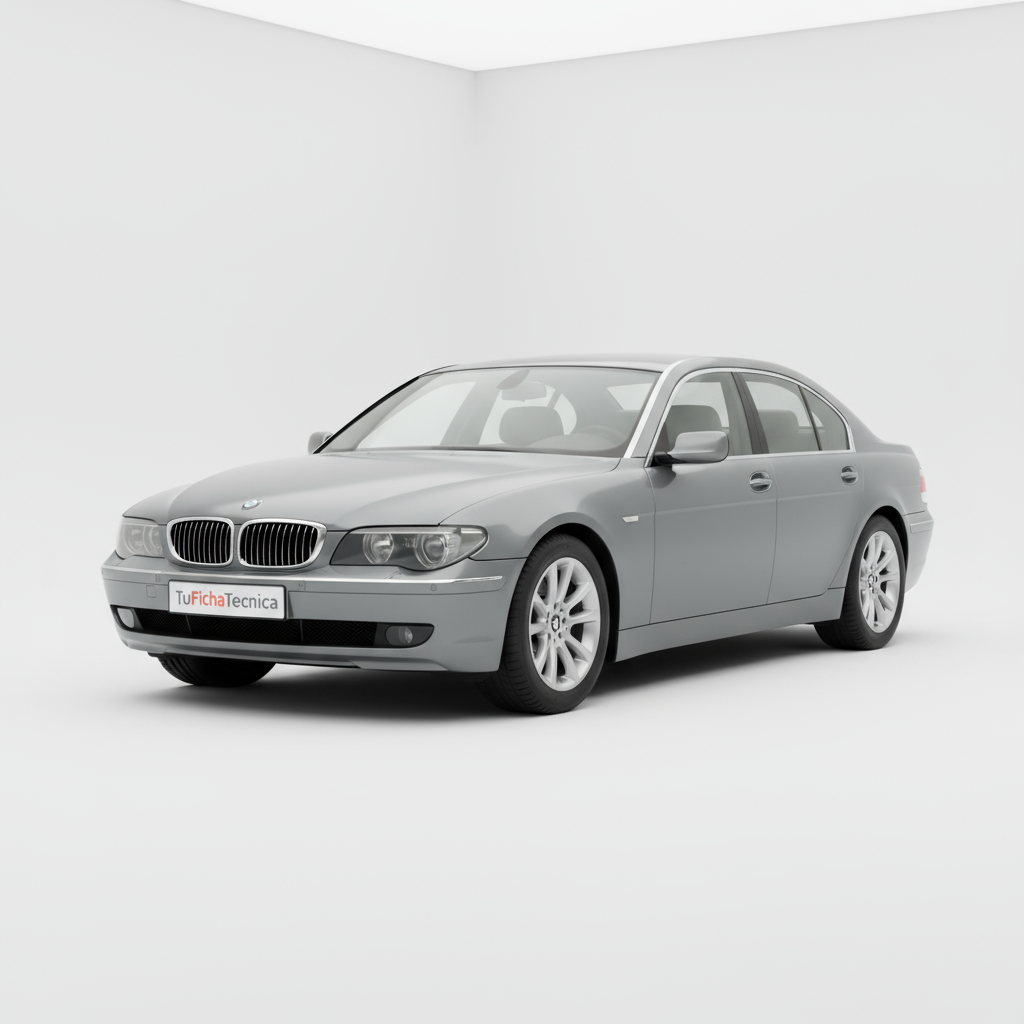
The 2002 BMW 7 Series, in its 730i version, is presented as a luxury sedan that marked a before and after for the brand. With a price of 69,900 euros at its launch, this vehicle not only offered a 231 hp gasoline engine, but also introduced innovations that positioned it at the forefront of its segment. Its design, although controversial for some, laid the foundations for BMW's aesthetic for years to come, combining elegance and an imposing presence on the road.
Driving experience
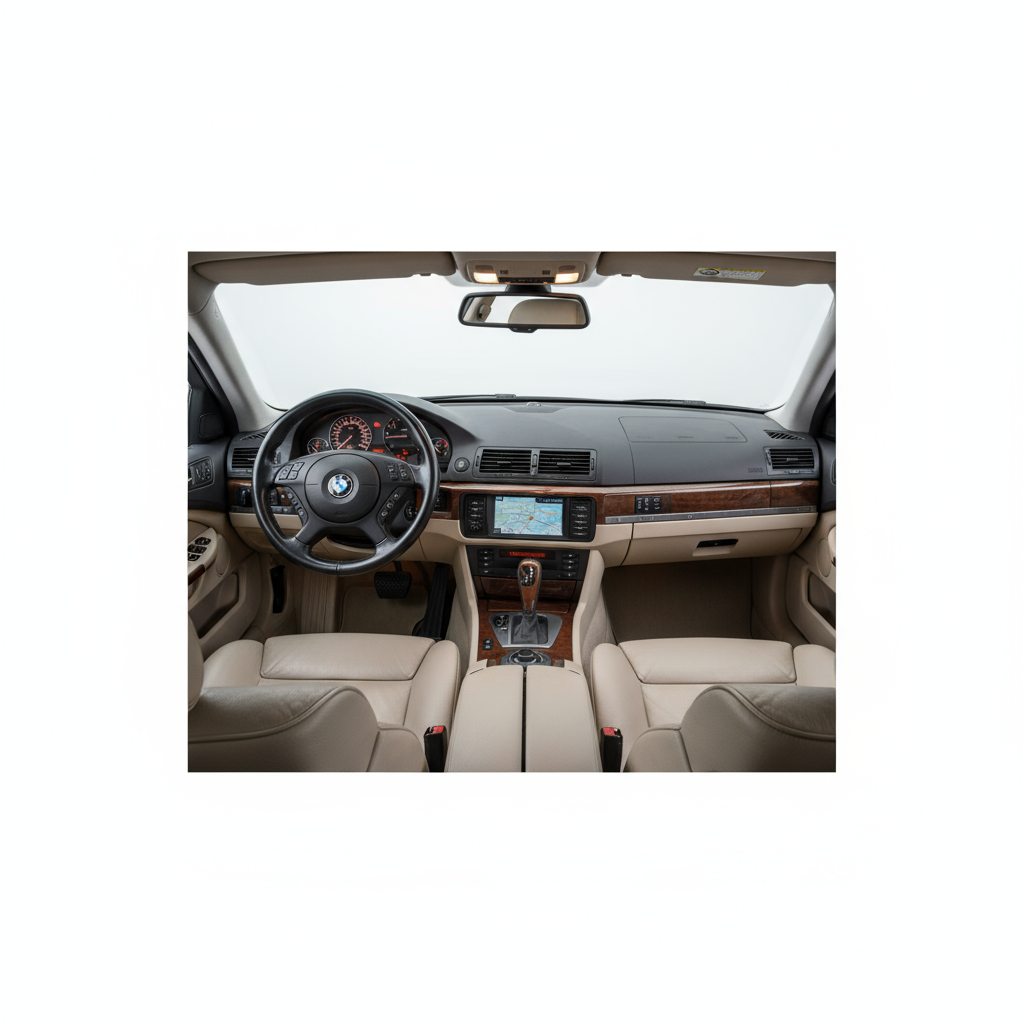
Behind the wheel of the BMW 730i, the sensation is one of pure dominance. The in-line six-cylinder engine, with 2979 cc, delivers 231 hp at 5900 rpm and a torque of 300 Nm at 3500 rpm, which translates into an acceleration from 0 to 100 km/h in 8.1 seconds and a top speed of 237 km/h. The 6-speed automatic transmission with torque converter operates with exquisite smoothness, making shifts almost imperceptible. The suspension, McPherson type at the front and deformable parallelogram at the rear, together with stabilizers on both axles, provides a perfect balance between comfort and dynamism. The speed-sensitive rack-and-pinion steering offers precision that invites you to enjoy every curve, while the 324 mm ventilated disc brakes on both axles guarantee safe and effective stopping. Despite its 1790 kg weight, the car feels agile and planted, transmitting unwavering confidence to the driver. The combined consumption of 10.6 l/100km is reasonable for a vehicle of its size and performance, although in the city it can rise to 15.5 l/100km.
Design and aesthetics
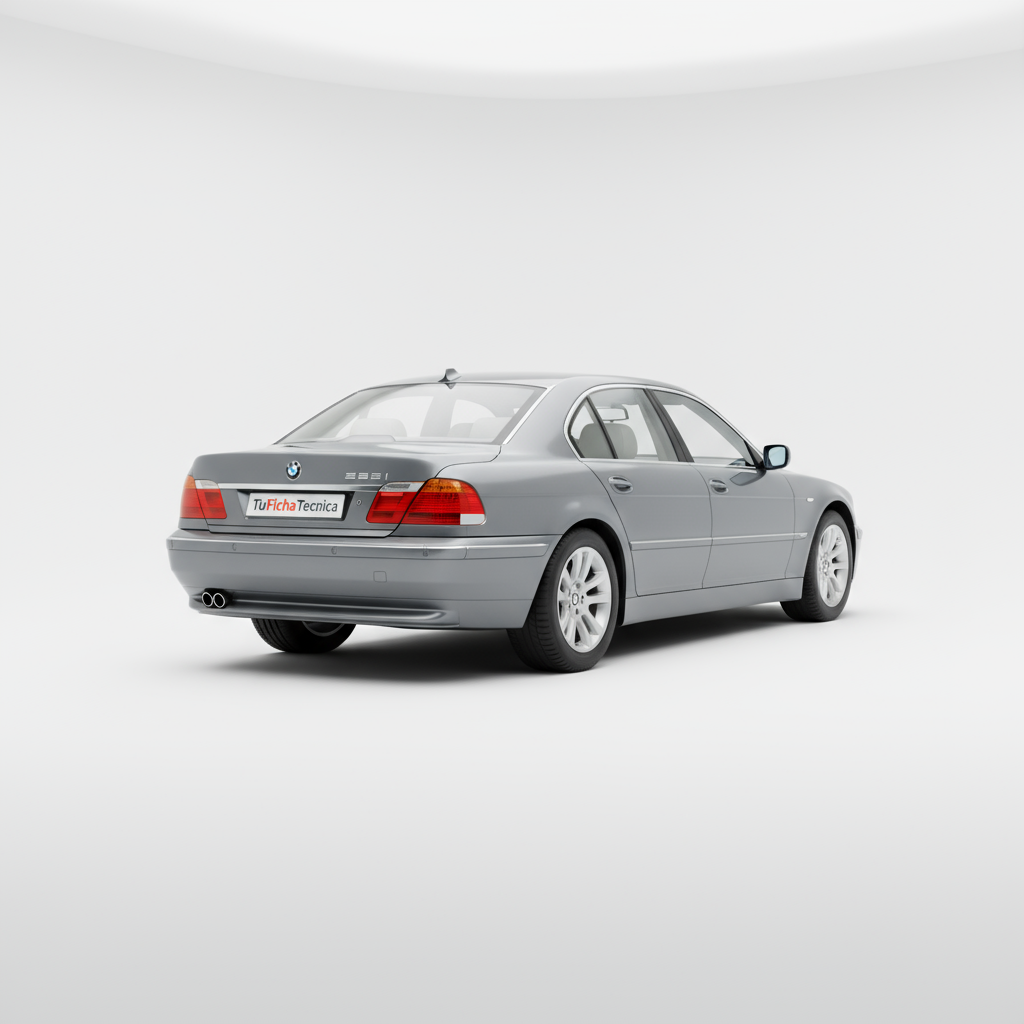
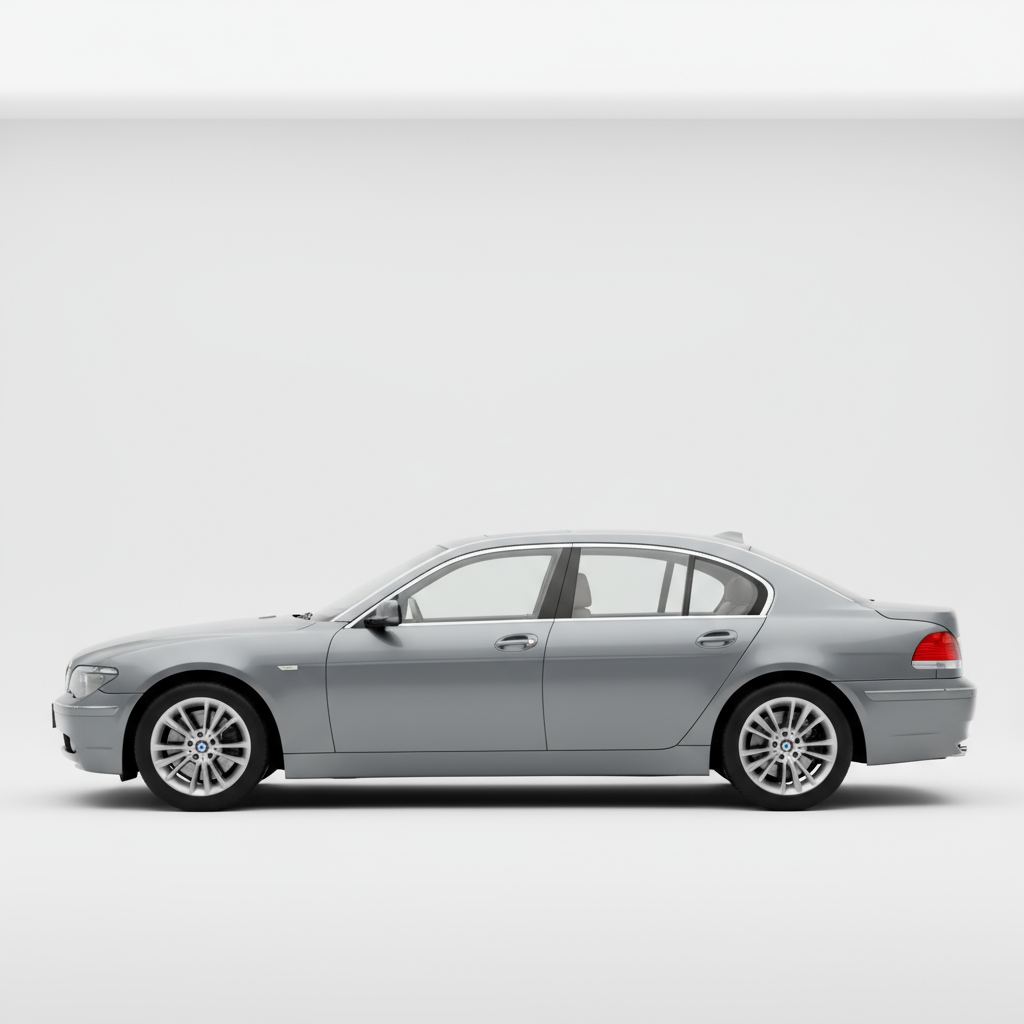
The design of the 2002 BMW 7 Series was the work of Chris Bangle and generated great debate at the time. Its lines, bolder and less conservative than those of its predecessors, broke with tradition and marked a new aesthetic direction for BMW. With a length of 5029 mm, a width of 1902 mm and a height of 1492 mm, the 730i projects an image of majesty and solidity. The wheelbase of 2990 mm contributes to a spacious and comfortable cabin. Details such as the front and rear headlights, the double kidney grille and the 17-inch wheels (225/60 R17 W) give it an unmistakable personality. The 500-liter trunk is generous, suitable for long trips with luggage.
Technology and features
The 2002 BMW 7 Series was a technological showcase. Although the provided data does not detail all the innovations, we know that it incorporated a gasoline engine with indirect injection and variable intake, which optimized power delivery and efficiency. The 6-speed automatic transmission was one of the most advanced of its time, offering a refined driving experience. Speed-sensitive steering improved maneuverability at low speeds and stability on the highway. Although not specified, it is expected that it had state-of-the-art active and passive safety systems for the time, such as ABS, traction control and multiple airbags. The engine's construction with an aluminum block and cylinder head contributed to reducing weight and improving vehicle dynamics.
Competition
In the luxury sedan segment, the 2002 BMW 7 Series faced heavyweights such as the Mercedes-Benz S-Class and the Audi A8. The Mercedes-Benz S-Class offered superlative comfort and a more traditional image, while the Audi A8 stood out for its quattro all-wheel drive and aluminum construction. The Lexus LS was also a competitor to consider, known for its reliability and smoothness. The BMW 730i differed from its rivals by its more dynamic approach and its avant-garde design, attracting those who sought a more exciting driving experience without sacrificing luxury and sophistication.
Conclusion
The 2002 BMW 7 Series 730i is a car that, despite the years, still maintains its appeal. Its combination of a powerful six-cylinder engine, a smooth transmission and a balanced chassis make it a luxury sedan with a marked sporty character. Its design, although polarizing at the time, has aged with dignity and is still instantly recognizable. It is a car for those who appreciate German engineering, comfort on long journeys and the thrill of driving a well-made machine. Its consumption, although high by current standards, was competitive at the time. In short, the 730i is a modern classic that offers a rewarding driving experience and a level of luxury that still impresses today.