
Especificaciones y análisis del BMW X5
Power
218HP
Torque
500Nm
Consumption
9.4l/100
Emissions
250g/km
0-100 km/h
8.8s
Top Speed
210km/h
Weight
2180kg
Price
55,600€
Technical summary
Gasóleo
Automático 6v
AWD
5 / 5 doors
465 L
93 L
160 kW
Current
Technical specifications
Engine
Capacities
Detailed analysis of the BMW X5 3.0d Aut. · 218 CV (2003-2006)
General description
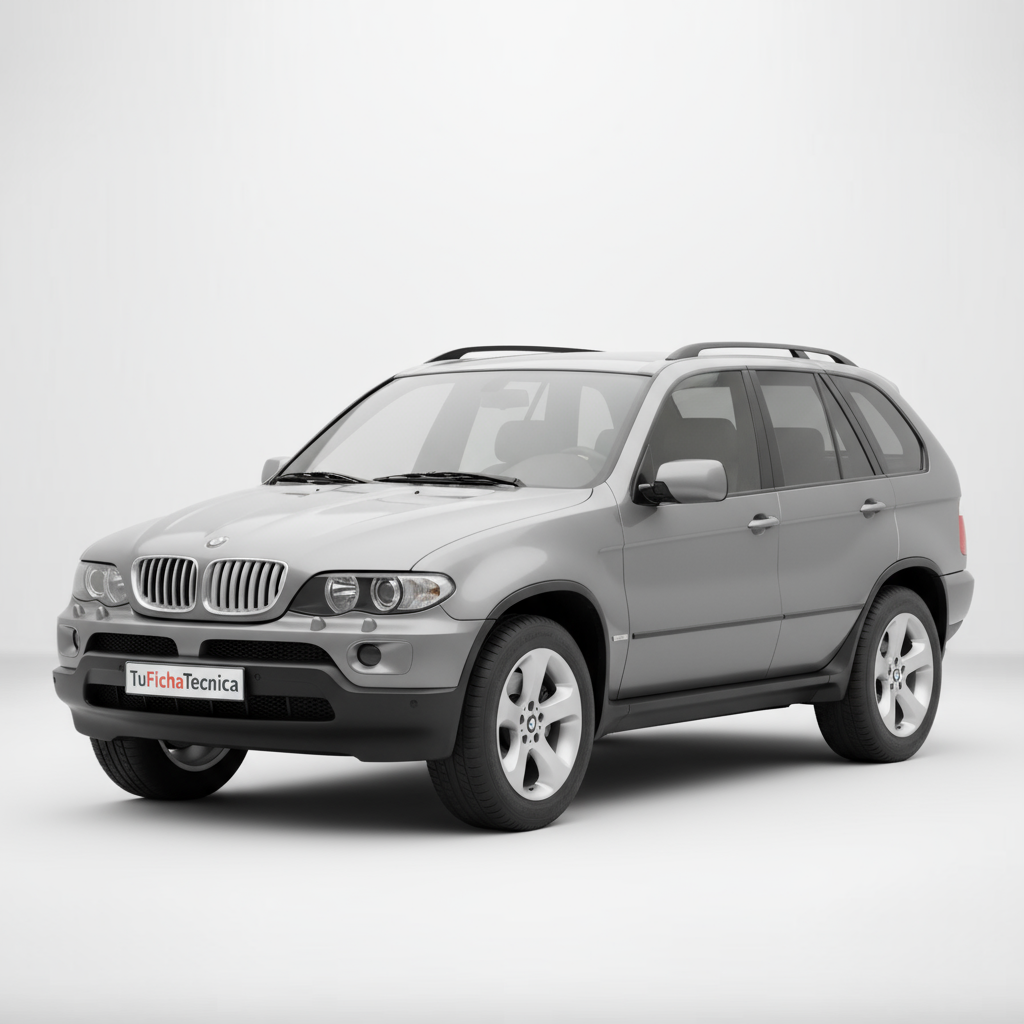
The first-generation BMW X5, especially after its 2003 update, is the car that consolidated the 'Sports Activity Vehicle' concept. It wasn't just a luxury SUV; it was a BMW through and through, designed to dominate the asphalt. The 3.0d version with its 218-horsepower diesel engine became the perfect balance, a statement of intent that promised power, prestige, and a versatility that captivated the market.
Driving experience
Getting behind the wheel of this X5 is a transporting experience. The thrust of its inline-six engine is immediate and forceful, with 500 Nm of torque that pins you to the seat with surprising smoothness thanks to its 6-speed automatic transmission. It feels heavy and planted on the road, but BMW's magic makes it incredibly agile for its size. The xDrive all-wheel-drive system conveys unwavering confidence, allowing you to devour miles on the highway with a composure and quiet ride that make you feel invulnerable.
Design and aesthetics
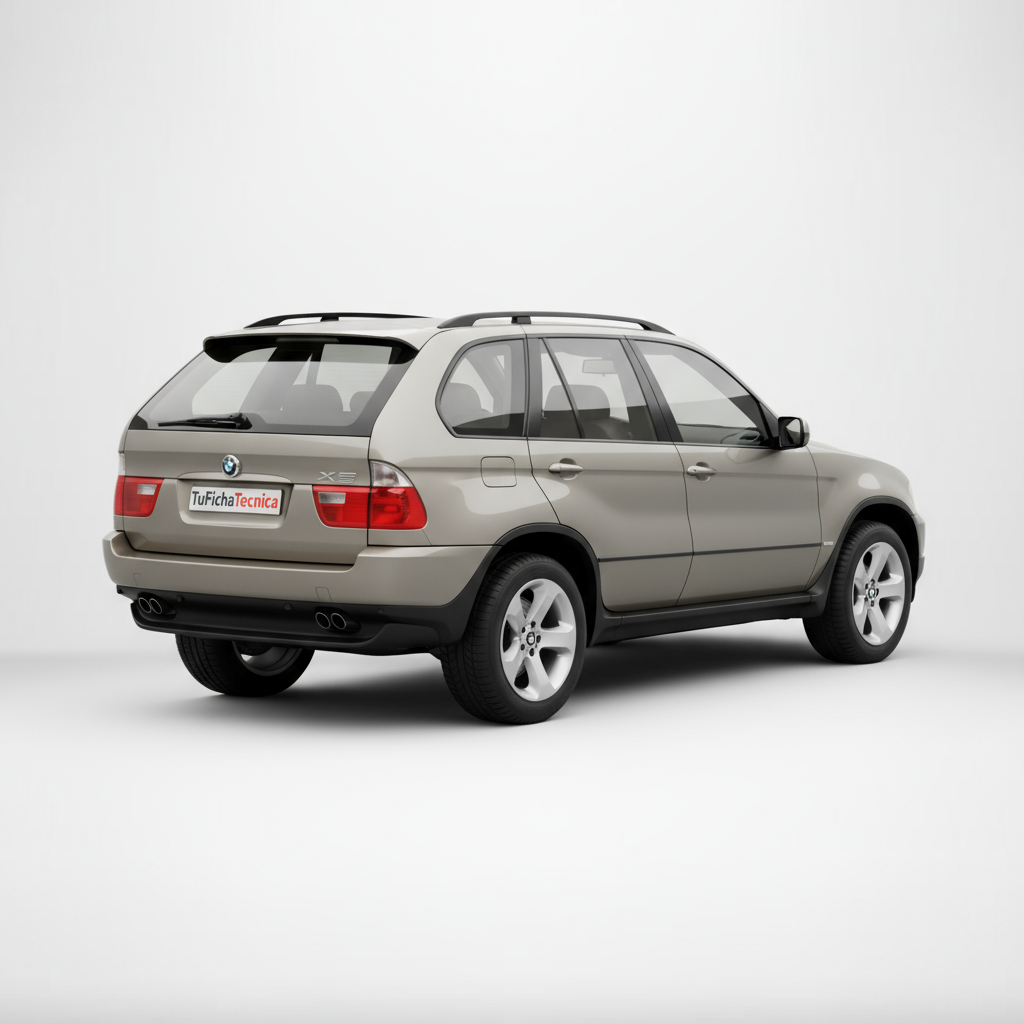
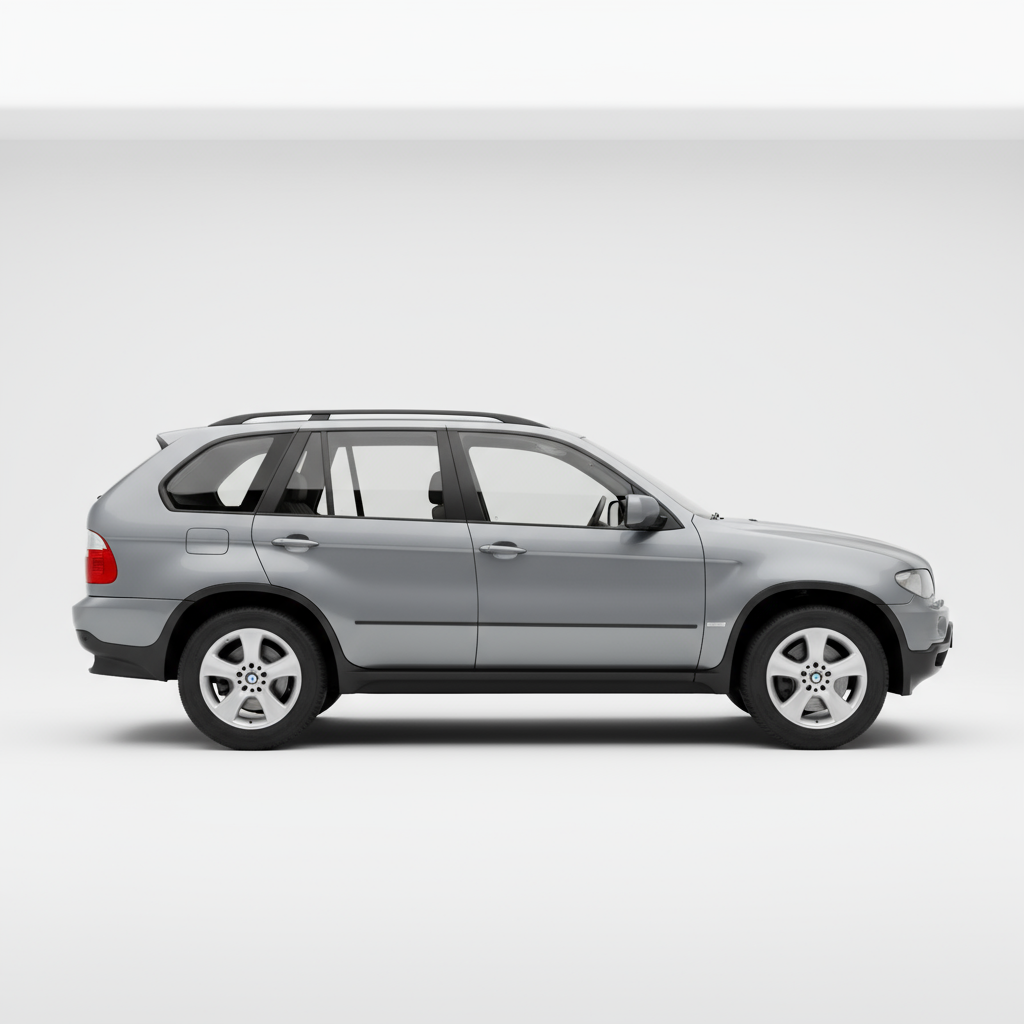
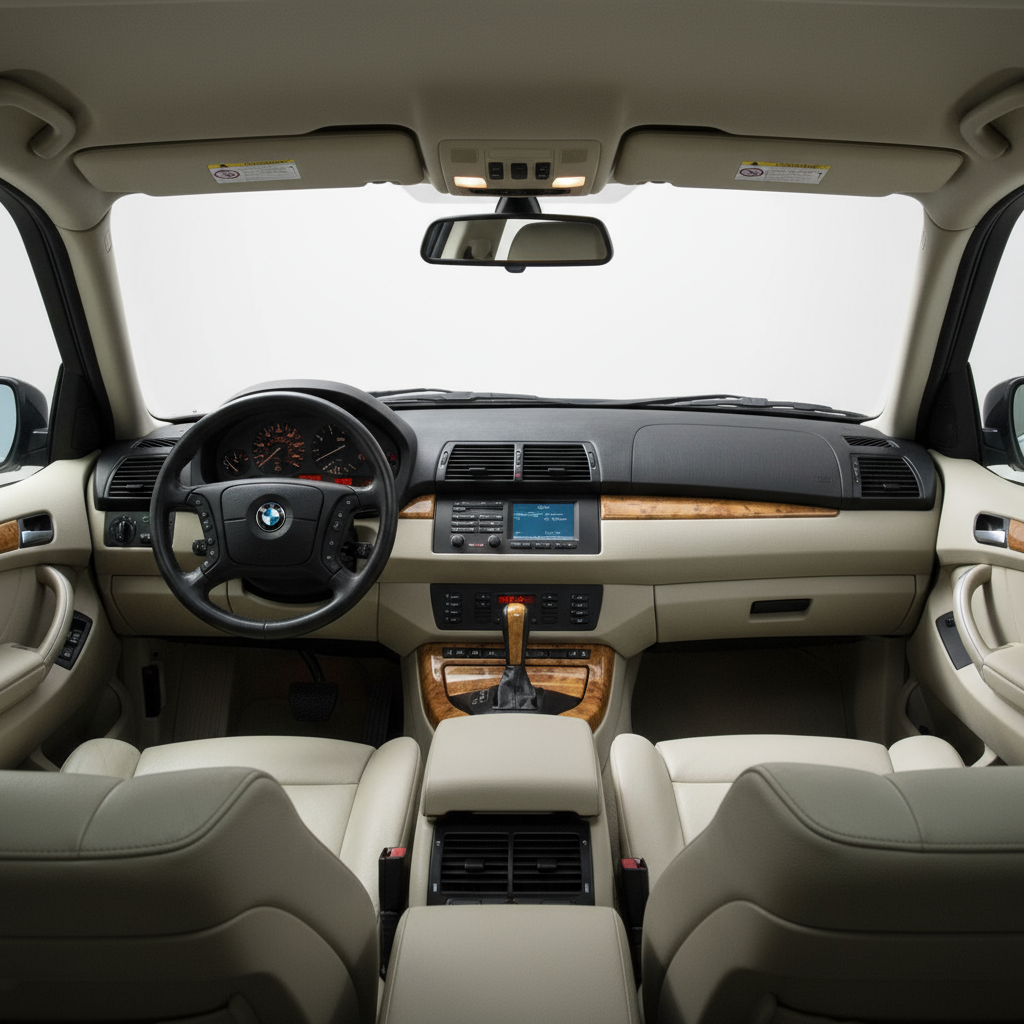
Its design is a masterpiece of muscular proportions and timeless elegance. The lines are clean yet imposing, projecting an image of power and status that has aged with exceptional dignity. Inside, you are greeted by a cabin where quality is tangible. The materials are noble, the fits are perfect, and the ergonomics are driver-focused. It's a space that embraces you, a sanctuary of luxury and solidity that isolates you from the outside world and reminds you why BMW was the benchmark.
Technology and features
For its time, the X5 was a technological showcase. The xDrive all-wheel-drive system, which debuted in this model, was revolutionary, capable of variably distributing torque to maximize grip and agility. It featured Hill Descent Control, an advanced stability system (DSC), and comfort equipment ranging from climate control to a navigation system that, although it may seem archaic today, was at the cutting edge. The 6-speed Steptronic automatic transmission was a significant qualitative leap.
Competition
In the pantheon of luxury SUVs of the early 2000s, the X5 dueled with giants like the Mercedes-Benz ML, which offered more comfort but less dynamism. It also faced the newcomer Porsche Cayenne, which raised the stakes in sportiness, and the Volvo XC90, which played the card of safety and family space. Against them, the BMW X5 was always the king of the asphalt, the one that offered driving sensations most similar to those of a sports sedan.
Conclusion
The 2004 BMW X5 3.0d is not just a used car; it's a piece of automotive history. It represents the audacity of a brand that redefined a segment. Driving it is an addictive pleasure; its combination of a robust engine, superb chassis, and exceptional build quality make it a legend. It is a vehicle that makes you feel special, capable, and safe, a machine built to last in time and in memory. A passionate choice that, when well-cared-for, remains deeply rewarding.