
Especificaciones y análisis del BMW X5
Power
231HP
Torque
300Nm
Consumption
12.9l/100
Emissions
312g/km
0-100 km/h
8.8s
Top Speed
210km/h
Weight
2095kg
Price
54,238€
Technical summary
Gasolina
Automático 5v
AWD
5 / 5 doors
465 L
93 L
170 kW
Current
Technical specifications
Engine
Capacities
Detailed analysis of the BMW X5 3.0i Aut. · 231 CV (2003-2006)
General description
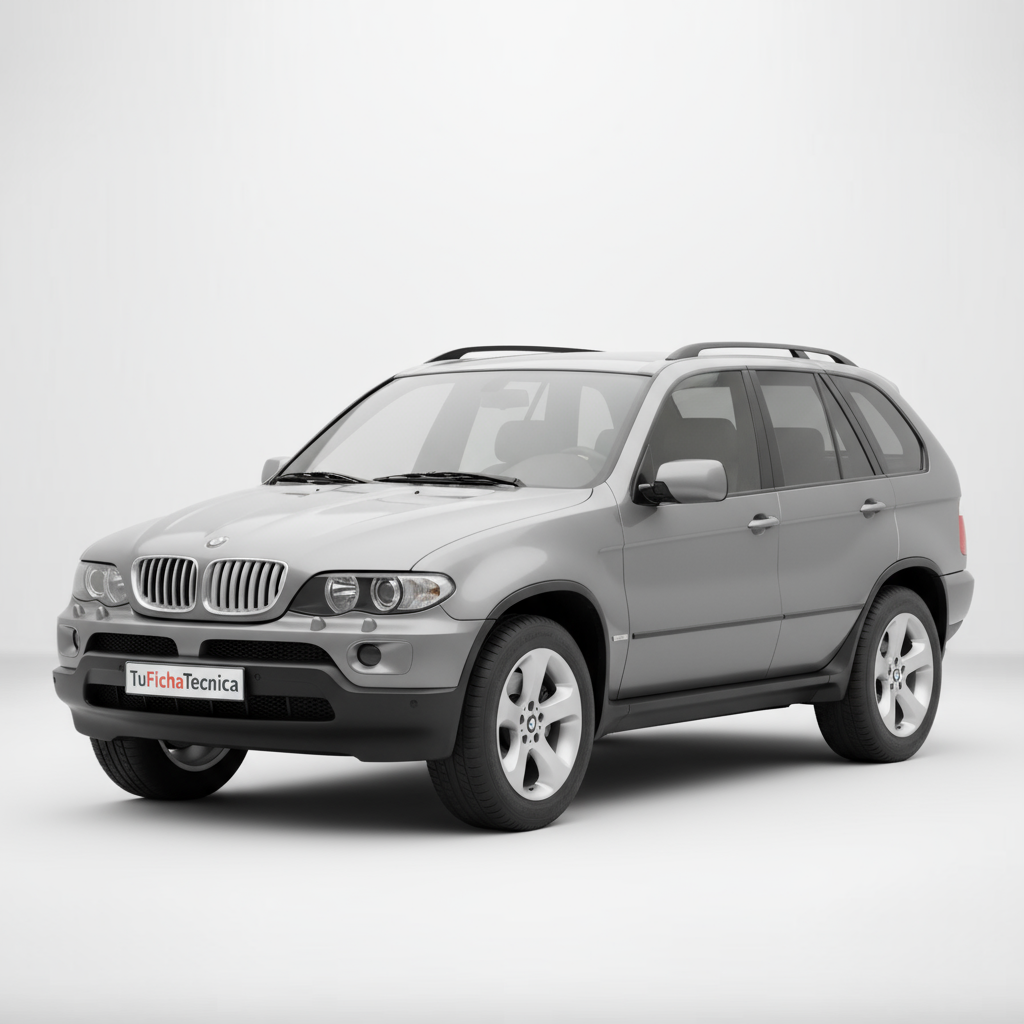
The first-generation BMW X5, known as the E53, was not just another SUV; it was the vehicle that showed the world that an off-roader could handle with the agility and poise of a sports sedan. This 2004 3.0i version perfectly embodies that philosophy, a pioneer that fused luxury, versatility, and BMW's unmistakable driving pleasure into an imposing and charismatic package.
Driving experience
Getting behind the wheel is an experience that transcends time. The 231-horsepower inline-six engine sings a smooth and powerful melody, pushing with an addictive linearity. The automatic transmission manages power fluidly, while the all-wheel drive conveys a sense of absolute security and control. It's a heavy car, yes, but it feels surprisingly agile and connected to the road, a true BMW with the soul of an explorer.
Design and aesthetics
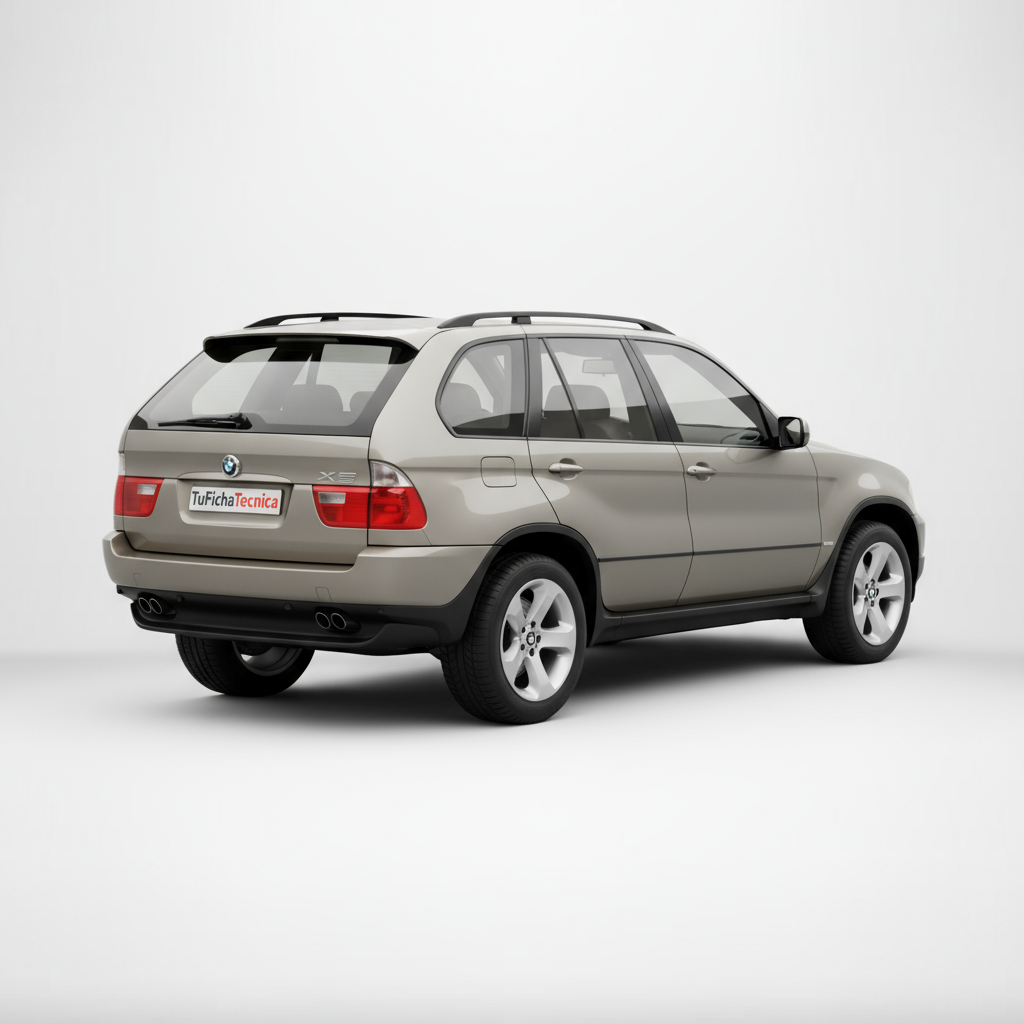
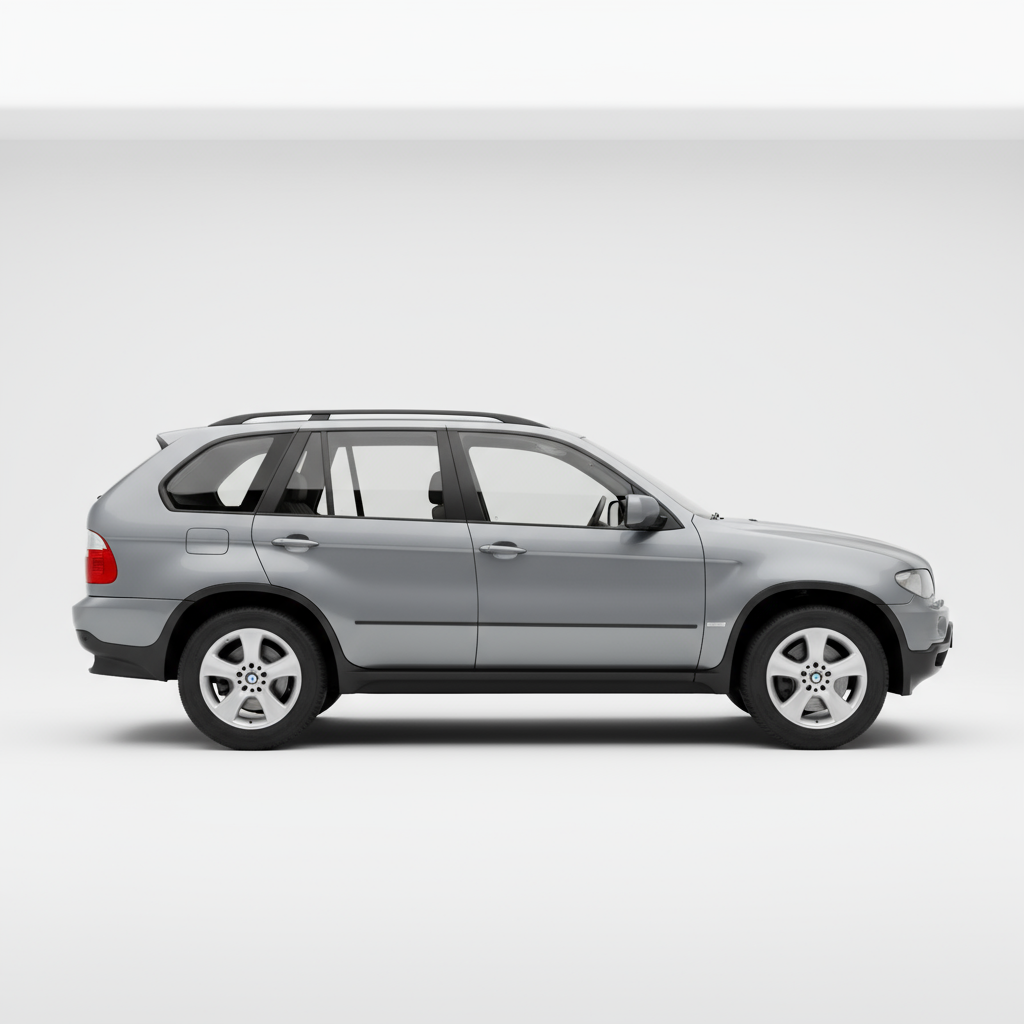
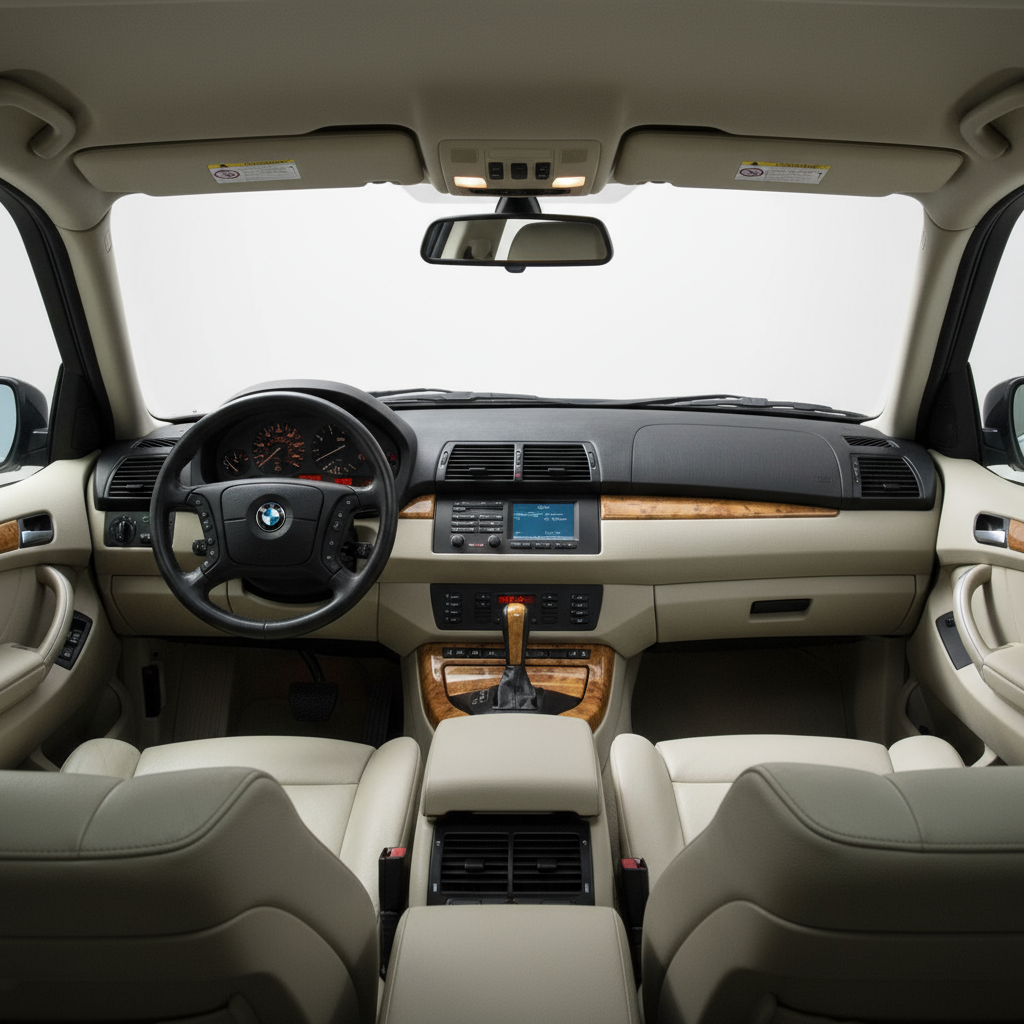
Its design is a statement of intent. The muscular lines and wide stance give it a road presence that still turns heads two decades later. The front, with the iconic BMW kidney grilles and dual headlights, is unmistakable. Inside, the quality of the materials and the fit of every component envelop you in an atmosphere of luxury and solidity. It's a cabin built to last, where ergonomics and a premium feel go hand in hand.
Technology and features
Although 2004 technology may seem simple today, the X5 was at the forefront. Its advanced all-wheel-drive system was an engineering feat for its time, capable of intelligently distributing torque. The chassis, with independent suspension, and the robustness of its aluminum engine are a testament to superior engineering that prioritized dynamic performance and safety.
Competition
In its golden age, the BMW X5 faced titans of the luxury SUV segment. Its most direct competitors were the Mercedes-Benz M-Class, which offered a more comfort-oriented approach, the newcomer Porsche Cayenne, which raised the bar for sports performance, and the Volvo XC90, which focused on safety and family space.
Conclusion
The 2004 BMW X5 3.0i is much more than an old car; it is an icon and a key piece in automotive history. It represents the audacity of a brand that dared to redefine a segment. Driving it today is to connect with an era of pure engineering and passion for detail. It is a future classic that continues to offer a rewarding driving experience and a sense of power and elegance that is hard to match.