
Especificaciones y análisis del BMW Z4
Power
150HP
Torque
200Nm
Consumption
7.4l/100
Emissions
176g/km
0-100 km/h
8.2s
Top Speed
220km/h
Weight
1295kg
Price
34,900€
Technical summary
Gasolina
Manual 6v
RWD
2 / 2 doors
260 L
55 L
110 kW
Current
Technical specifications
Engine
Capacities
Detailed analysis of the BMW Z4 Roadster 2.0i · 150 CV (2006-2008)
General description
The 2006 BMW Z4 Roadster 2.0i is the embodiment of freedom on four wheels, a classic roadster in its purest form. It doesn't seek record-breaking figures, but rather to offer a visceral connection between the driver, the machine, and the asphalt. It is the gateway to the world of BMW convertibles, a car born to be enjoyed in the open air, feeling the wind and listening to the melody of its naturally aspirated engine.
Driving experience
Driving this Z4 is an addictive experience. Its 150 horsepower won't pin you to the seat, but the power delivery is so linear and the sound of the four-cylinder engine as it revs is so intoxicating that it encourages you to constantly play with its precise six-speed manual gearbox. The driving position is low, almost over the rear axle, allowing you to feel every reaction of the chassis. The rear-wheel drive and a direct, communicative steering make you part of a perfect dance in every corner, turning any secondary road into your personal circuit.
Design and aesthetics
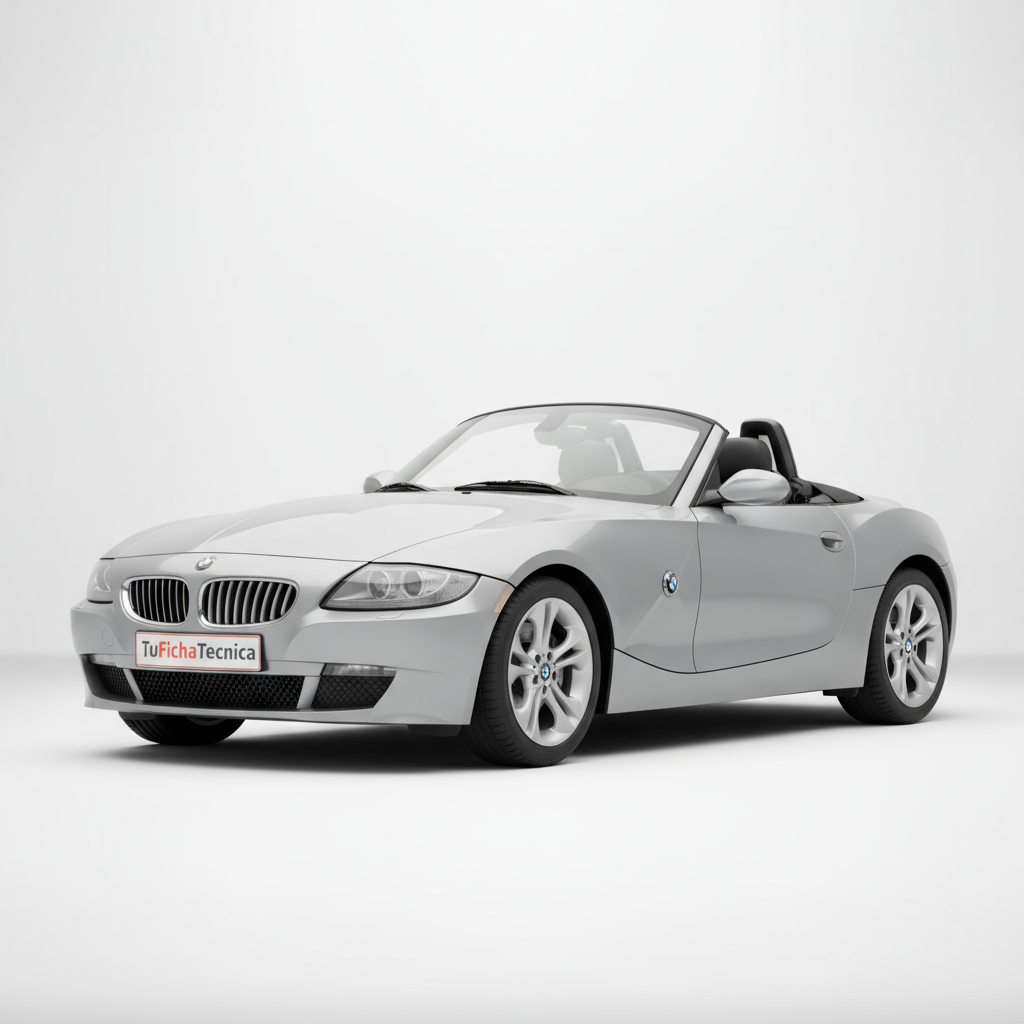
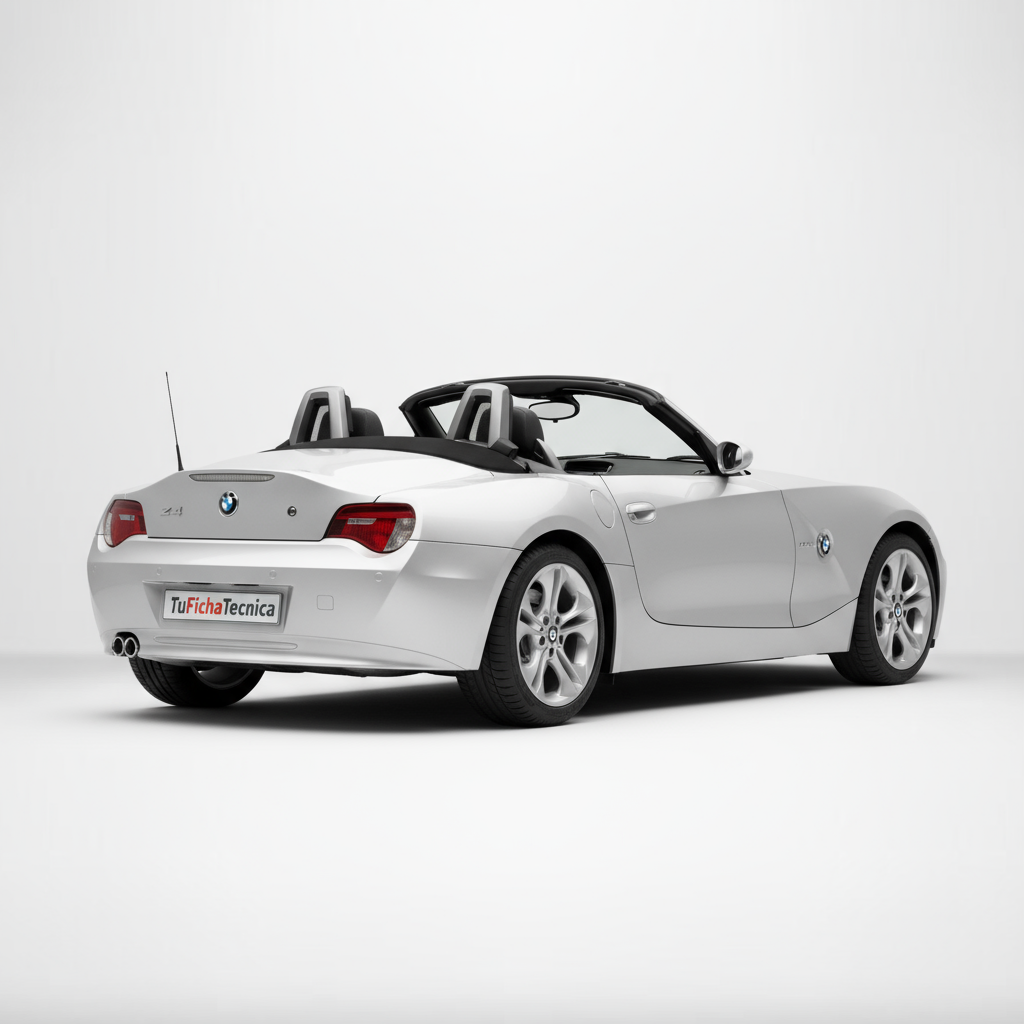
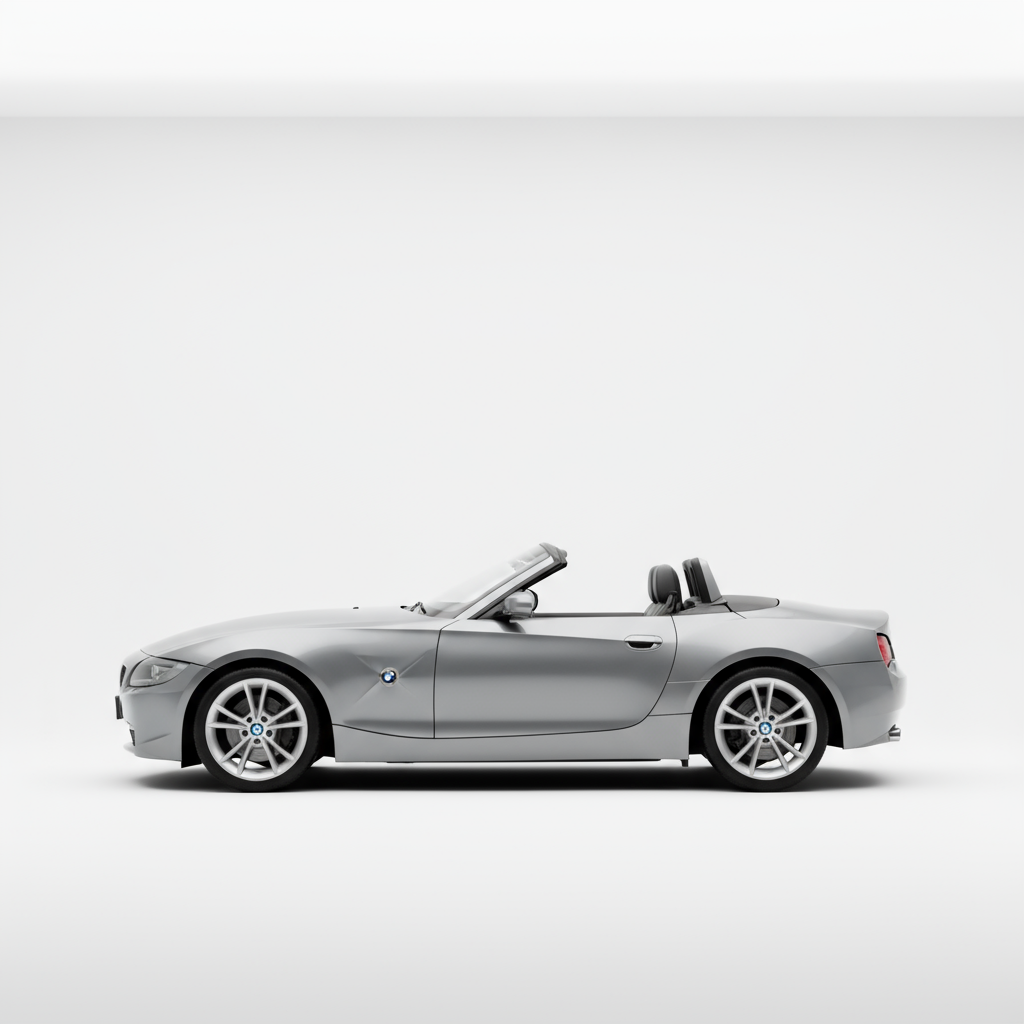
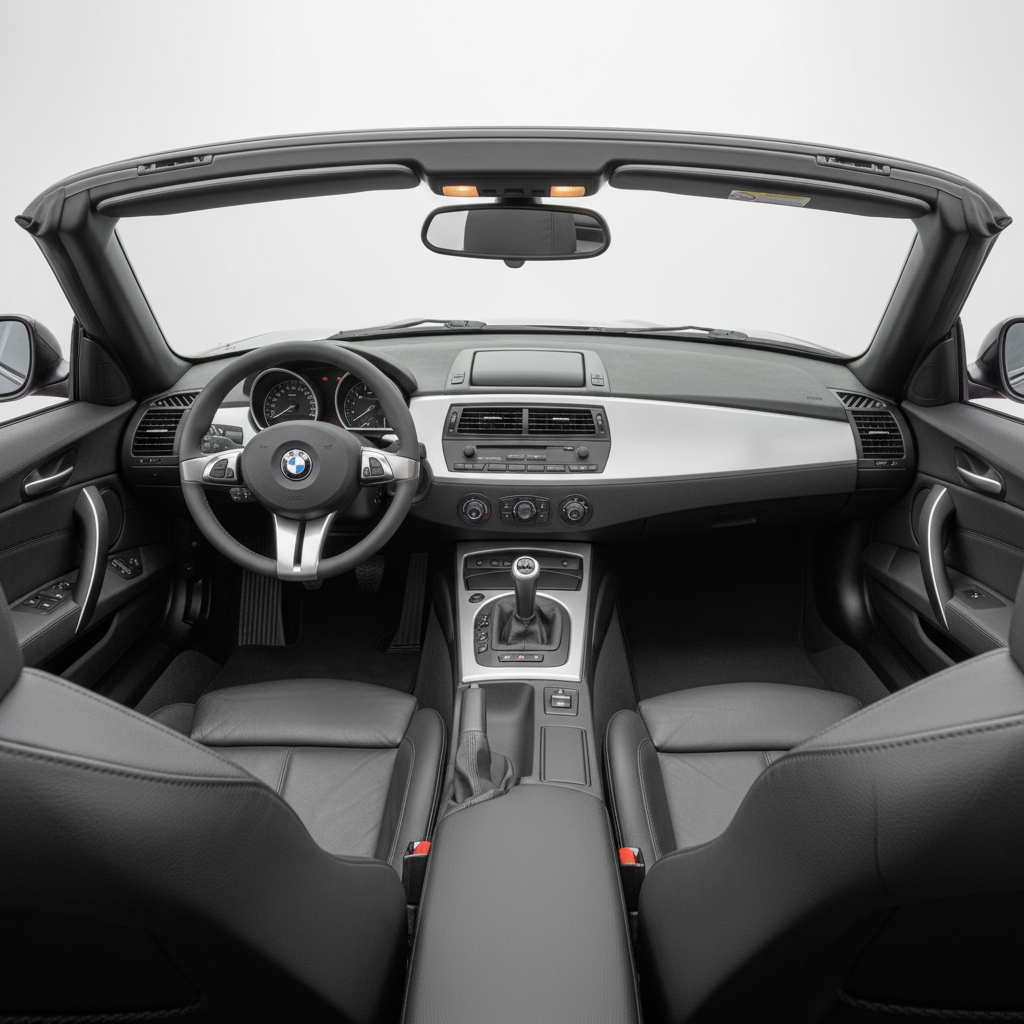
Chris Bangle's design for the Z4 is a controversial and timeless work of art. Its proportions are those of a legendary roadster: an endless hood, a short and muscular rear, and a set-back cabin. The concave and convex lines, known as 'flame surfacing,' give it a visual tension and a presence that still turns heads. Inside, everything is driver-oriented, with functional minimalism and quality materials that envelop you and isolate you from the outside world to focus solely on the pleasure of driving.
Technology and features
The technology in this Z4 is at the service of dynamics, not entertainment. Its biggest breakthrough was the electric power steering, which offered a precise and variable feel. The chassis, with McPherson strut front suspension and a sophisticated multi-link rear axle, was designed to offer a sublime balance between agility and control. Although it lacks modern screens and connectivity, its fundamental technology lies in the mechanical engineering that makes it an exceptional driving machine.
Competition
In its time, the Z4 2.0i faced titans. The Porsche Boxster offered superior mid-engine dynamics at a higher price. The Mercedes-Benz SLK focused on the comfort and versatility of its retractable hardtop, being more of a grand tourer. The Audi TT Roadster featured an iconic design and the safety of front-wheel or all-wheel drive, while the Mazda MX-5 was the undisputed king of affordable fun, albeit with less power and prestige.
Conclusion
The BMW Z4 2.0i is much more than a car; it is a smile-generating machine and a future classic. It represents a golden era of naturally aspirated engines and pure sensations that is fading away. It is not the fastest or the most powerful, but its authenticity and the emotional connection it establishes with its driver are its greatest virtue. It is a car for purists, for those who understand that the journey is always more important than the destination.