
Especificaciones y análisis del Chevrolet Corvette
Power
344HP
Torque
483Nm
Consumption
12.1l/100
Emissions
-g/km
0-100 km/h
4.7s
Top Speed
274km/h
Weight
1538kg
Price
57,998€
Technical summary
Gasolina
Manual 6v
RWD
2 / 2 doors
335 L
70 L
253 kW
Current
Technical specifications
Engine
Capacities
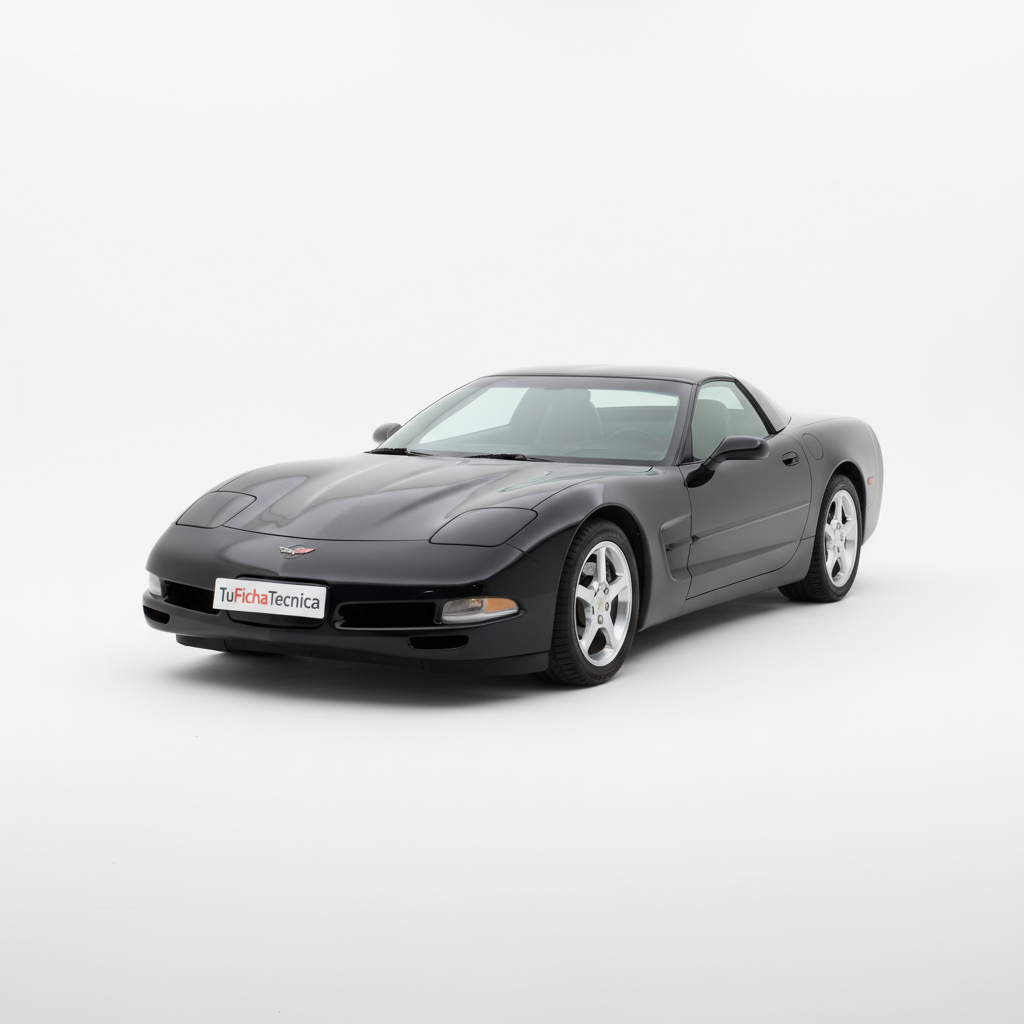
Detailed analysis of the Chevrolet Corvette Coupé SA · 344 CV (1997-2001)
General description
The 1997 Chevrolet Corvette C5 is not just a car; it's the embodiment of the American dream on wheels. It represented a quantum leap for the saga, a sports car that could finally go head-to-head, without complexes, with the best from Europe. Under its long hood beats a 5.7-liter V8 heart, a promise of pure emotions and a sound that gives you goosebumps.
Driving experience
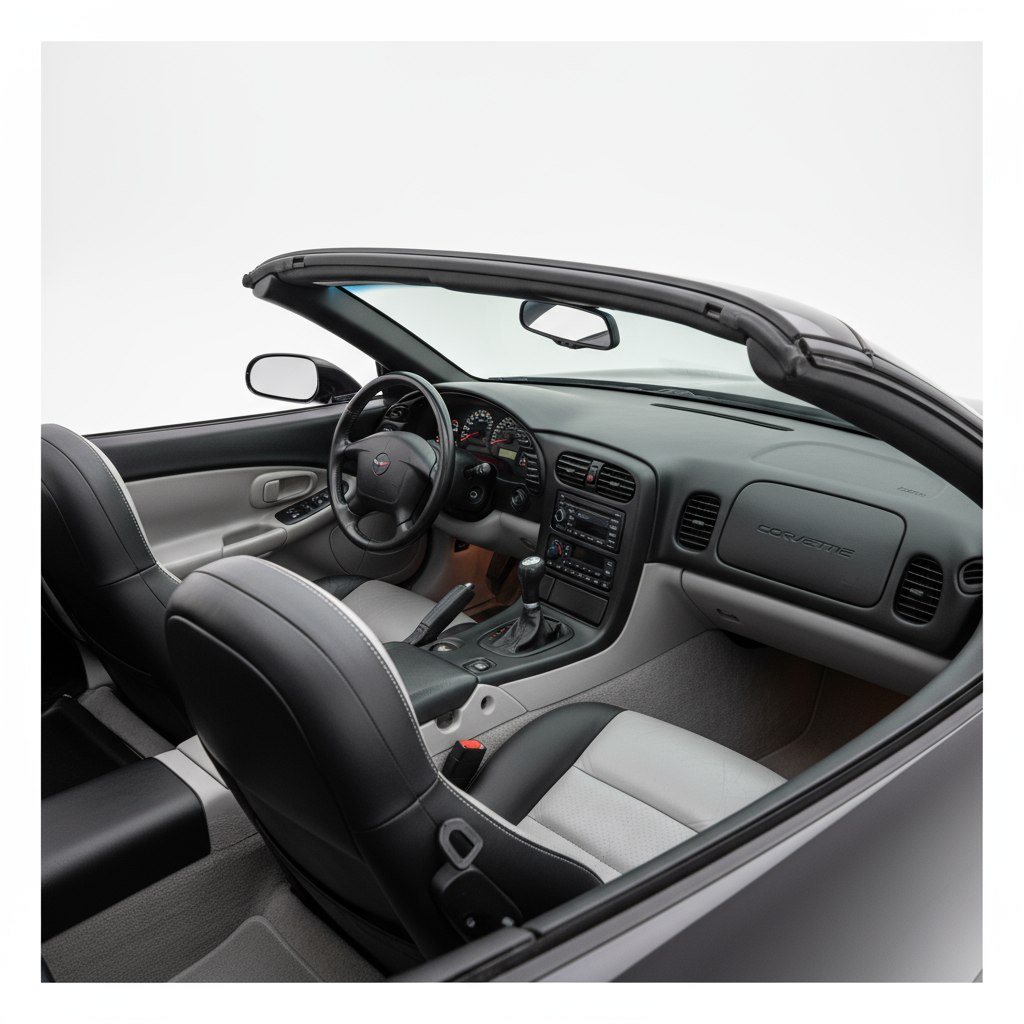
Getting behind the wheel is a ritual. The roar of the V8 upon starting floods your soul. Every press of the accelerator is an adrenaline rush, with 344 horsepower pushing from the rear axle and pinning you to the seat. The 6-speed manual gearbox makes you part of a mechanical dance, feeling the car as an extension of your own body. It's a visceral, raw, and absolutely addictive experience.
Design and aesthetics
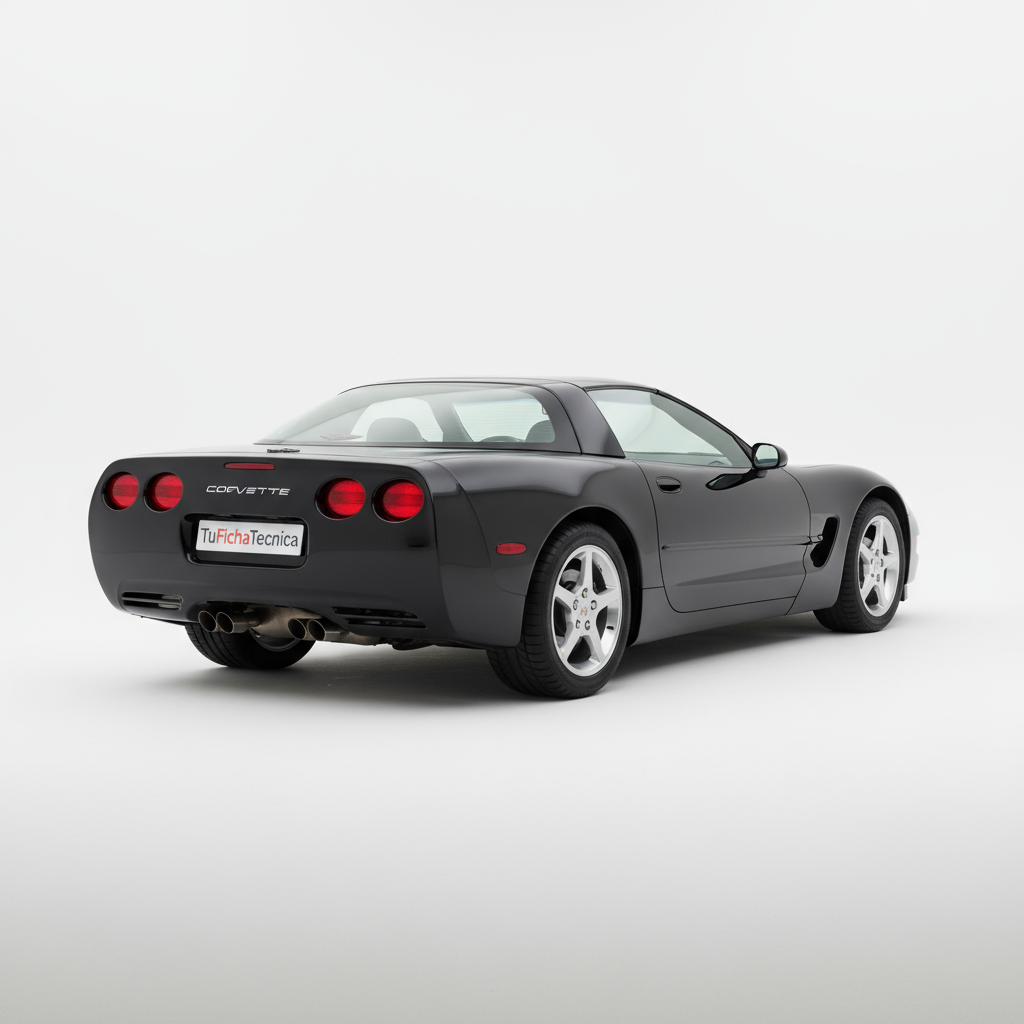
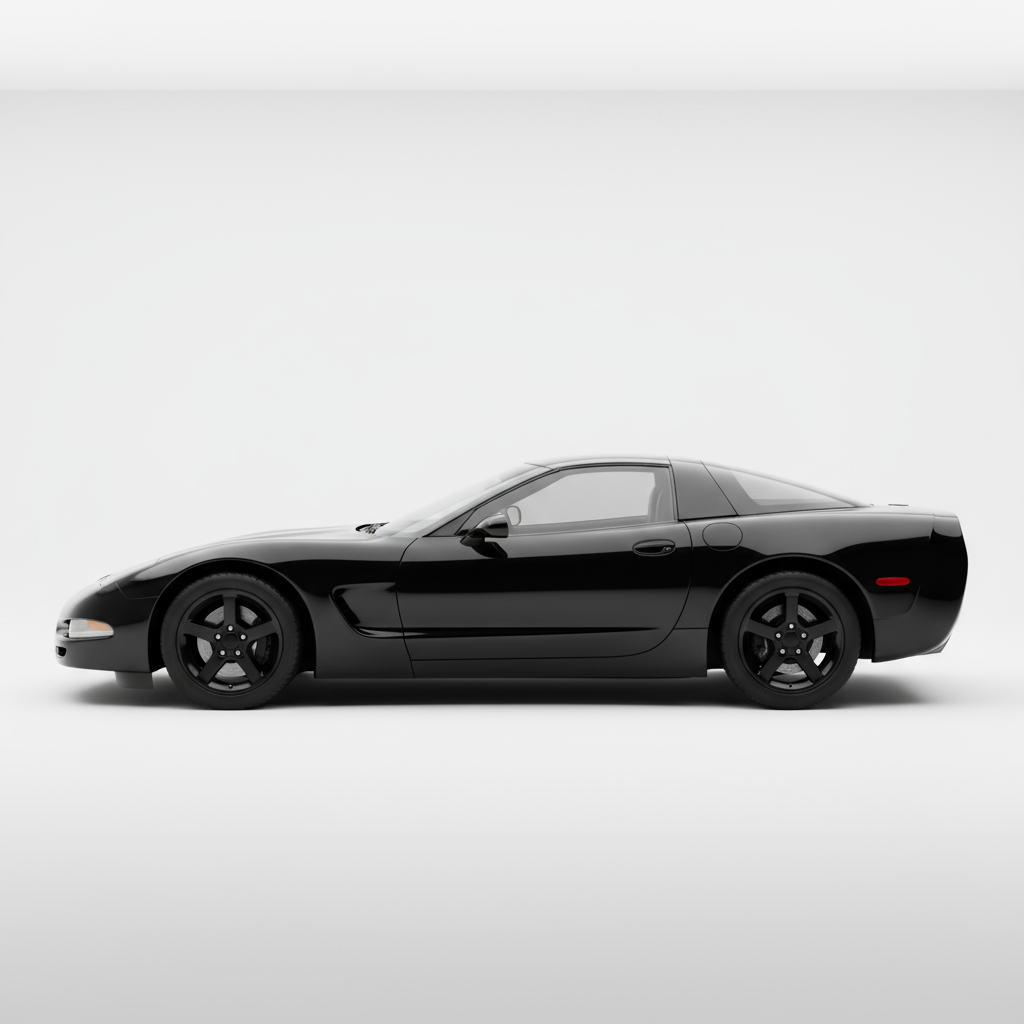
Its silhouette is unmistakable and timeless. An endless hood, a set-back cabin, and a short, muscular rear define its character. The pop-up headlights are a nostalgic nod to a golden era of automotive design. It's a sculpture in motion, wide and low, conveying speed even when stationary. A modern classic that still turns heads.
Technology and features
Although its soul is analog, the C5 was an advanced car for its time. Its LS1 engine, built from aluminum, was lighter and more powerful. The 'transaxle' architecture, with the gearbox at the rear axle, achieved a nearly perfect 50/50 weight distribution, key to its dynamic behavior. It doesn't overwhelm with screens but focuses all its engineering on one thing: the pleasure of driving.
Competition
In its time, the Corvette C5 dared to challenge established legends. It fearlessly faced the 996-generation Porsche 911, the exotic Dodge Viper, and Japanese sports cars like the Honda NSX. Its great advantage was always the same: offering supercar performance for a fraction of the cost, a value and power equation that few could match.
Conclusion
The Corvette C5 is much more than its impressive acceleration figures. It's an emotion machine, a cultural icon that represents the passion for driving in its purest form. It offers a man-machine connection that has been lost in many modern sports cars. It's a car to feel, to listen to, and above all, to enjoy.