

Especificaciones y análisis del Chevrolet Tacuma
Power
122HP
Torque
178Nm
Consumption
9.3l/100
Emissions
234g/km
0-100 km/h
11.7s
Top Speed
173km/h
Weight
1396kg
Price
15,080€
Technical summary
Gasolina
Automático 4v
FWD
5 / 5 doors
325 L
60 L
90 kW
Current
Technical specifications
Engine
Capacities
Detailed analysis of the Chevrolet Tacuma 2.0 16v CDX Aut. · 122 CV (2008)
General description
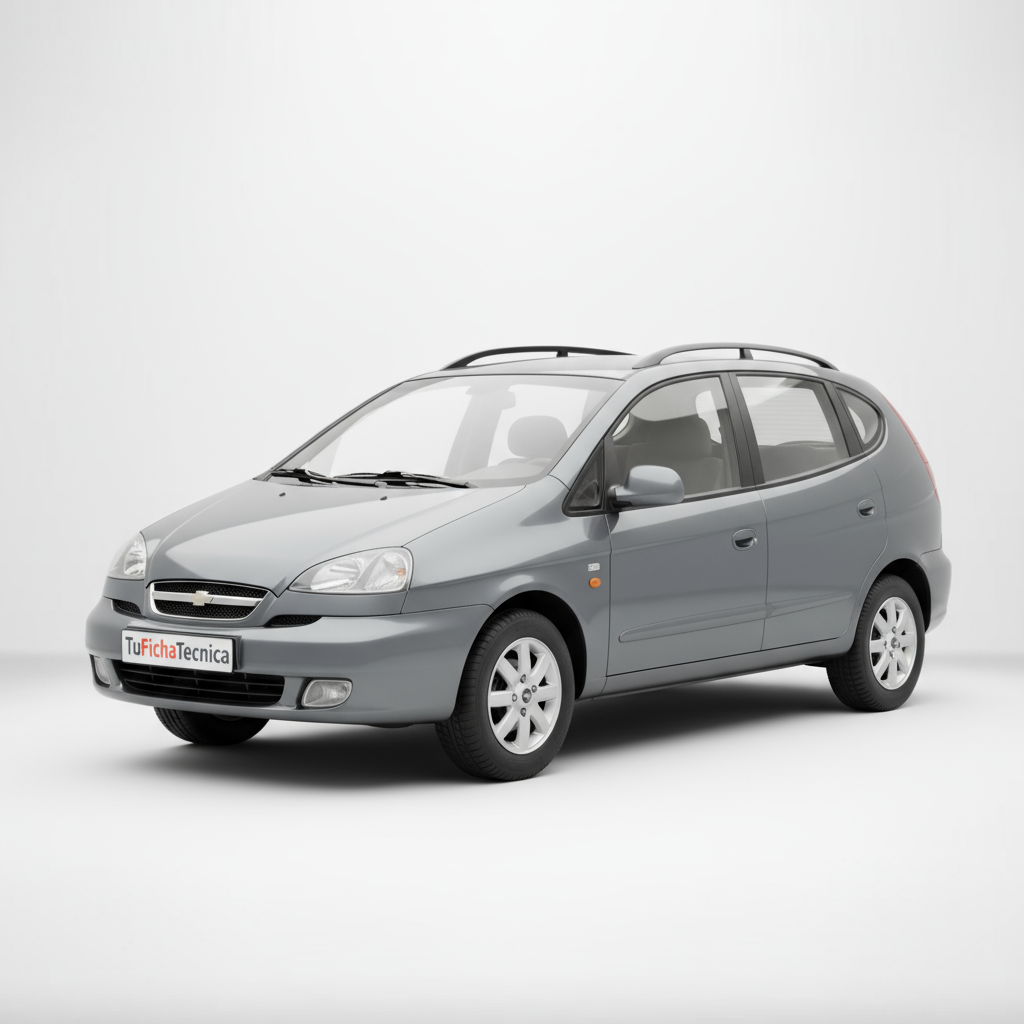
The 2005 Chevrolet Tacuma is more than just a minivan; it's a reflection of an era when space and versatility for the family were everything. Born under the Daewoo umbrella and adopted by Chevrolet, this vehicle was presented as an honest and accessible solution for those looking for a reliable and unpretentious travel companion, a home on wheels for everyday adventures.
Driving experience
Behind the wheel, the Tacuma envelops you in a sense of tranquility. Its 2.0-liter, 122-horsepower engine, coupled with a 4-speed automatic transmission, doesn't aim for speed records but rather offers a smooth and relaxed drive. It's a car for enjoying the scenery, without rush, feeling how the simple and proven mechanics take you to your destination. Fuel consumption is a reminder of its age, but its comfortable ride and ease of driving compensate for it on daily trips.
Design and aesthetics
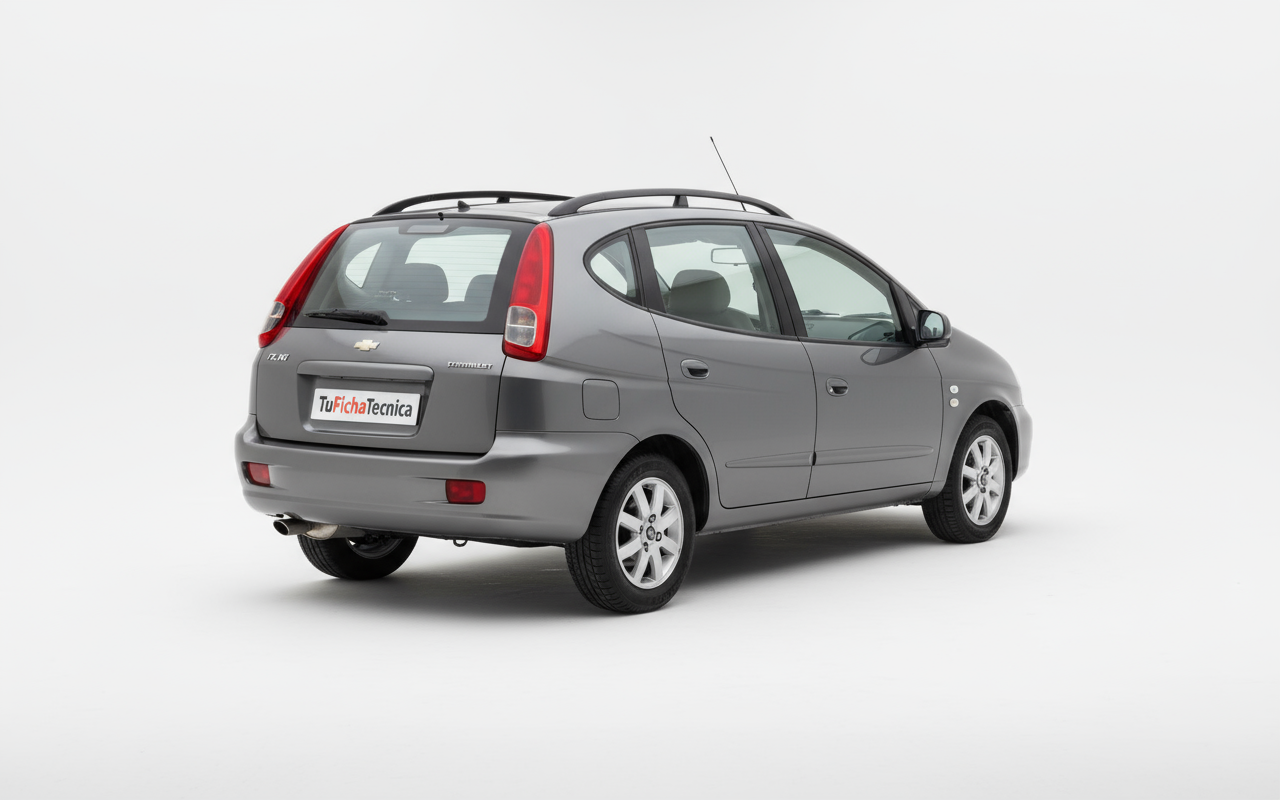
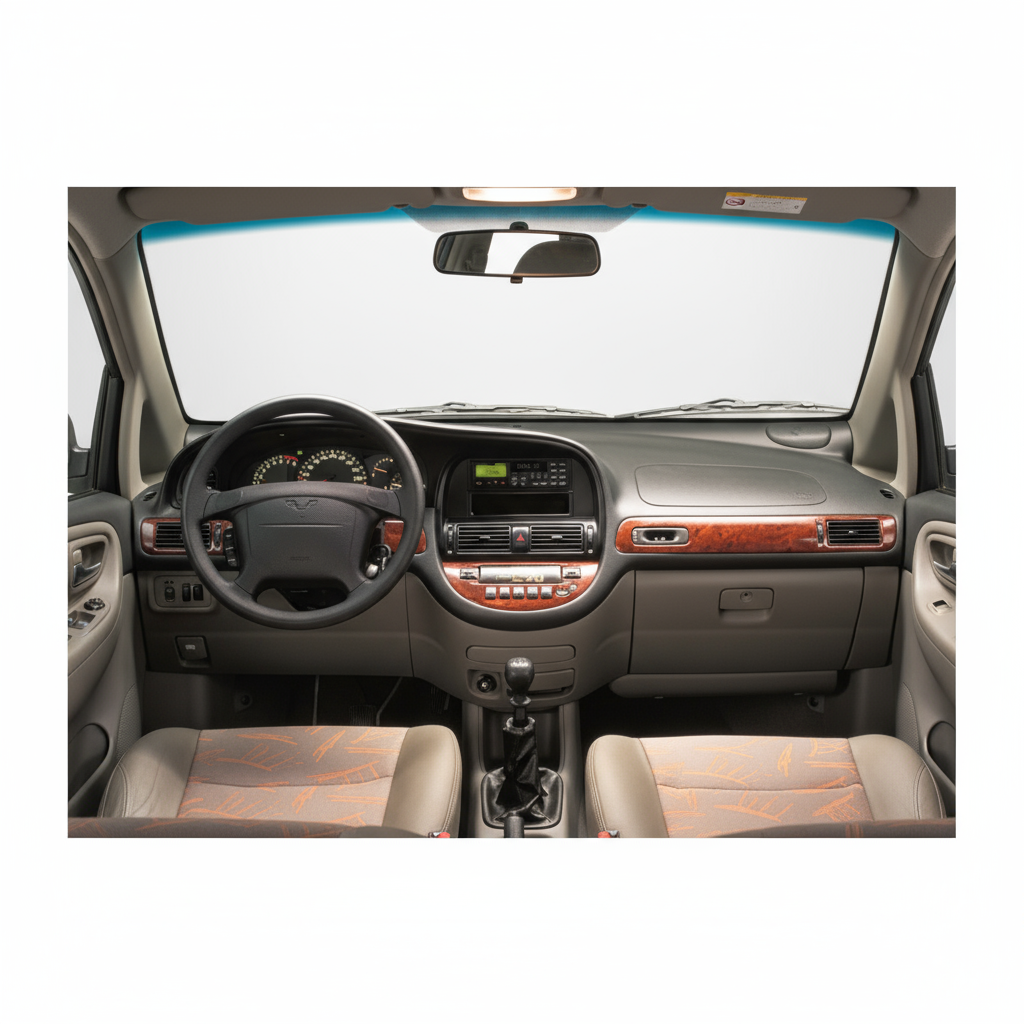
Its design is a clear example of early 21st-century minivans: rounded shapes, a large glass surface that floods the cabin with light, and an absolute priority on functionality. It doesn't win you over with its boldness but convinces with its intelligence. Inside, space is the real luxury, with practical solutions designed to make life on board easier for the whole family, a sanctuary of pragmatism and comfort.
Technology and features
The Tacuma's technology is a journey into the past, to an era of mechanical simplicity. Its indirect injection engine and torque converter transmission are robust and well-known technologies, far from today's complexity. It lacks the assists and screens we now take for granted, offering instead a purer and more direct driving experience, where the connection between the driver, the machine, and the road is the protagonist.
Competition
In its heyday, the Tacuma faced giants like the Renault Scénic, the Citroën Xsara Picasso, or the Opel Zafira. While its European competitors often played the design or innovation card, the Chevrolet Tacuma bravely positioned itself as the sensible and economical alternative. Its main argument wasn't the most striking, but it was one of the most powerful: offering enormous space and functionality for a truly competitive price.
Conclusion
The Chevrolet Tacuma is a vehicle that appeals directly to the heart of practicality. It's an honest car, a loyal servant that fulfilled its mission of transporting families and their dreams without asking for much in return. Today, it represents a nostalgic and affordable option for those who value space above all else, a reminder that sometimes, the most valuable thing in a car is its ability to adapt to our lives.