
Especificaciones y análisis del Citroën C1
Power
68HP
Torque
93Nm
Consumption
4.6l/100
Emissions
107g/km
0-100 km/h
14s
Top Speed
157km/h
Weight
900kg
Price
10,270€
Technical summary
Gasolina
Automático 5v
FWD
4 / 3 doors
139 L
35 L
50 kW
Current
Technical specifications
Engine
Capacities
Detailed analysis of the Citroën C1 3p 1.0i 12v Airdream Sensodrive Audace · 68 CV (2008-2009)
General description
The 2009 Citroën C1 is the personification of the urban spirit. Born from a collaboration with Peugeot and Toyota, this small car was designed to conquer the city with a smile, offering an agile, economical, and charmingly French mobility solution. It's a vehicle that invites you to rediscover the streets with a fresh and fun perspective.
Driving experience
Driving the C1 is a vibrant and direct experience. Its small 68 hp three-cylinder engine emits a characteristic and cheerful hum, feeling surprisingly energetic thanks to the car's low weight. Every traffic light becomes an opportunity to enjoy its agility. The Sensodrive gearbox, although with noticeable pauses between gears, frees you from the clutch pedal in dense traffic. It doesn't aim for speed records, but to put a smile on your face as you slip through alleys and find parking spots others wouldn't even dream of.
Design and aesthetics
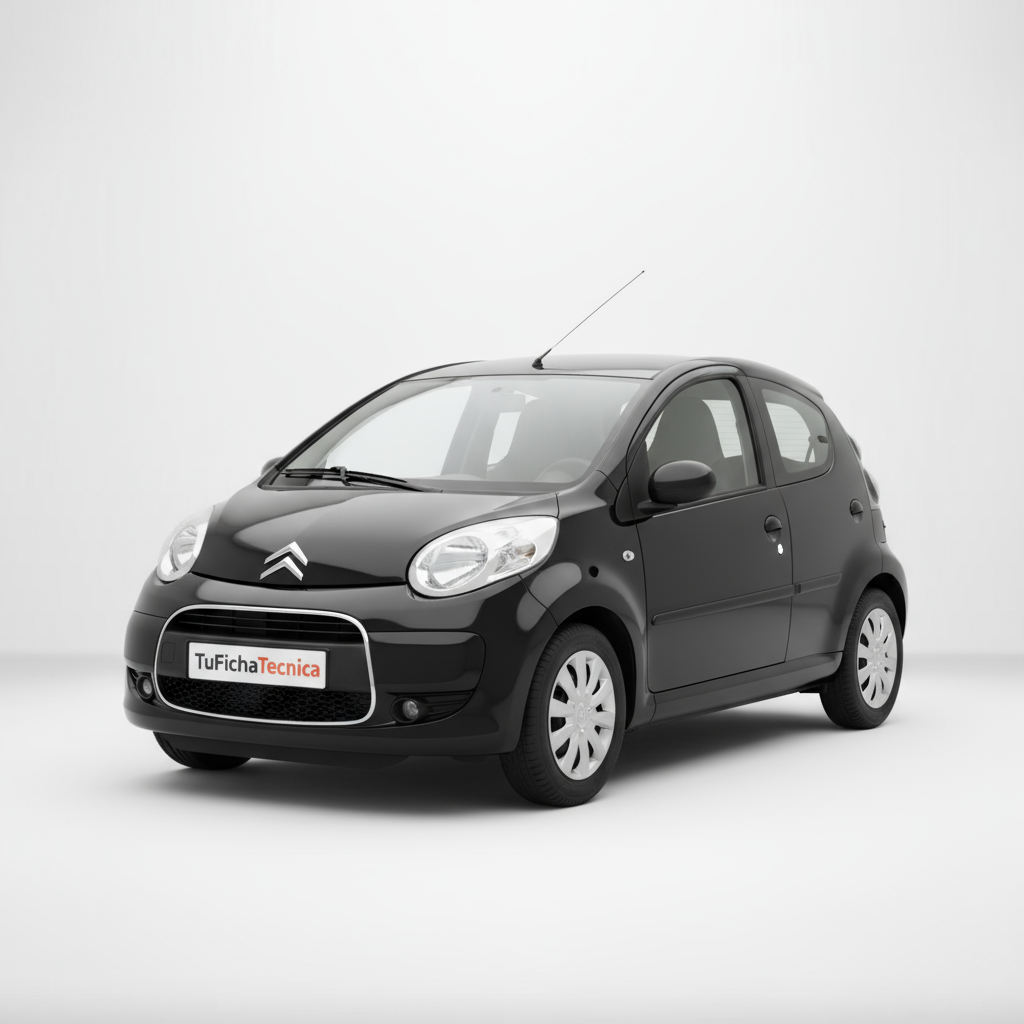
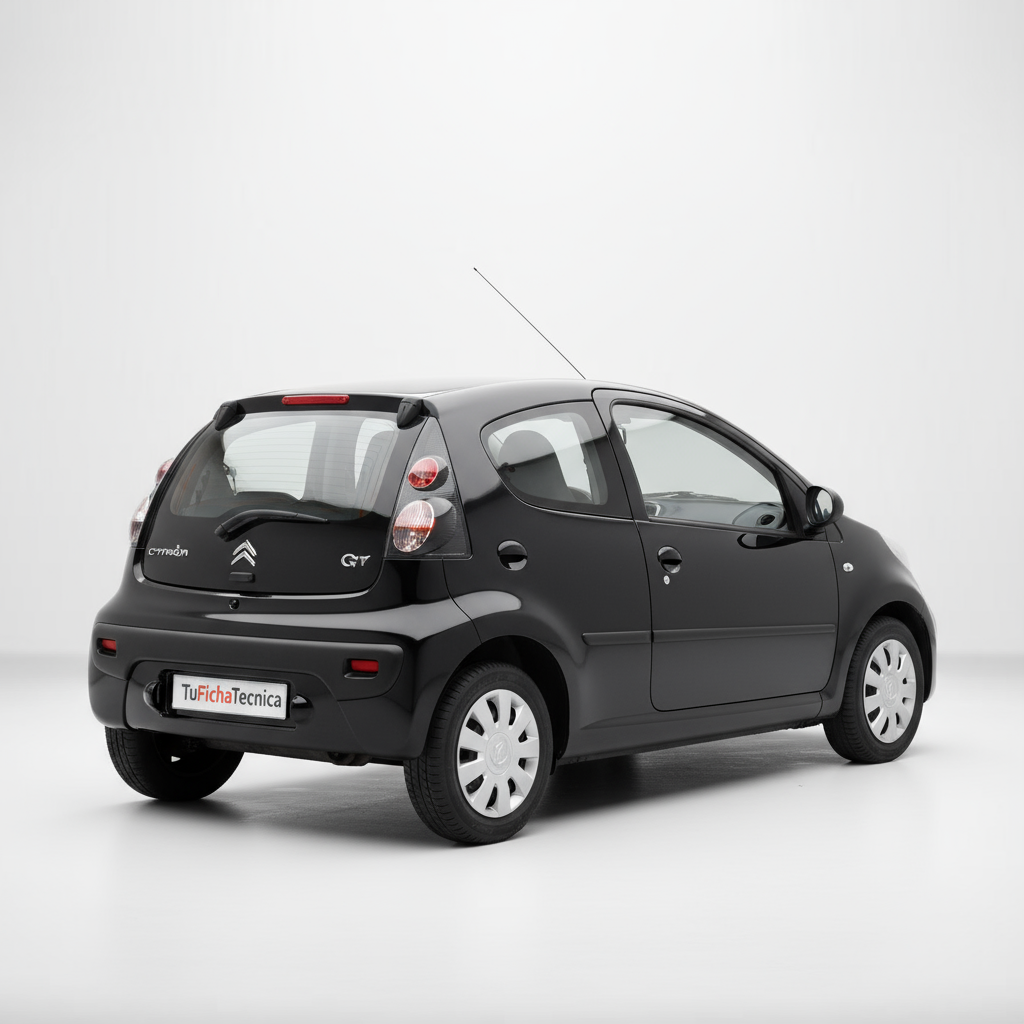
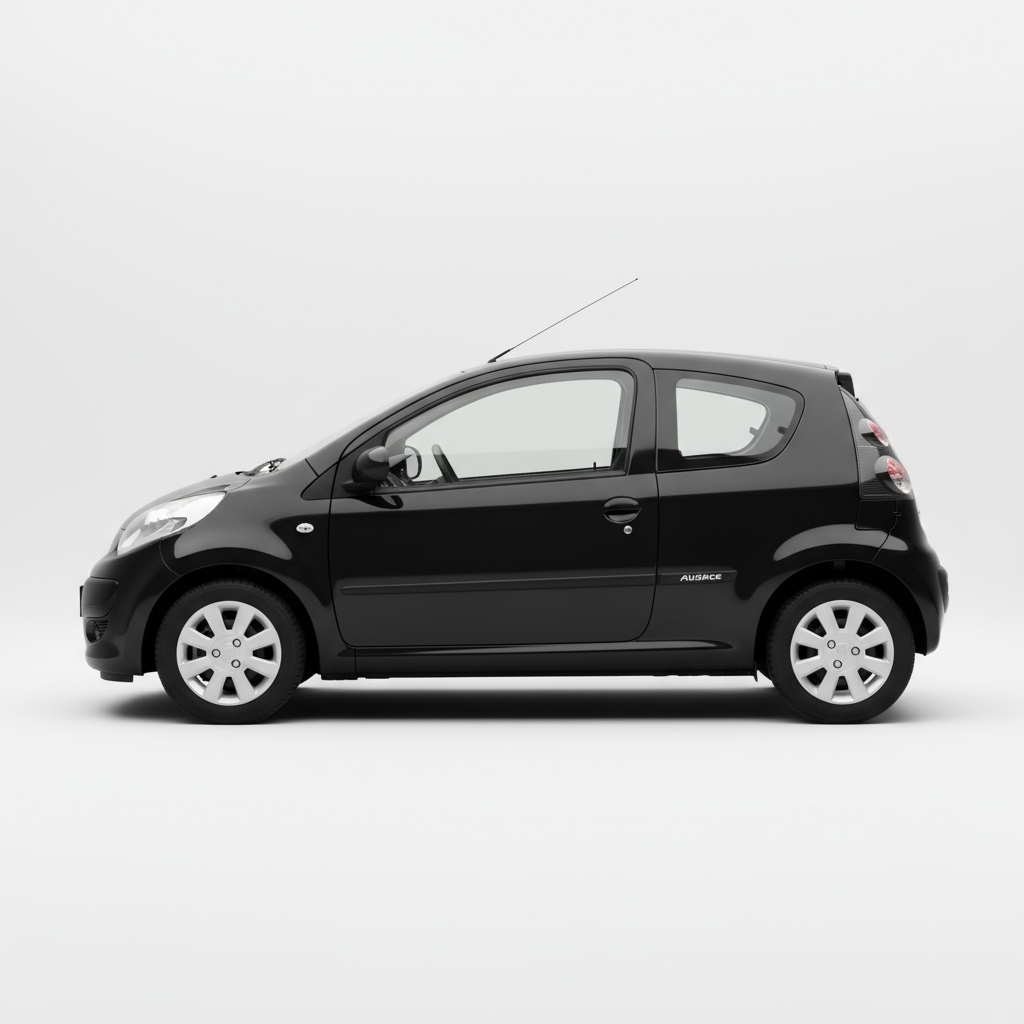
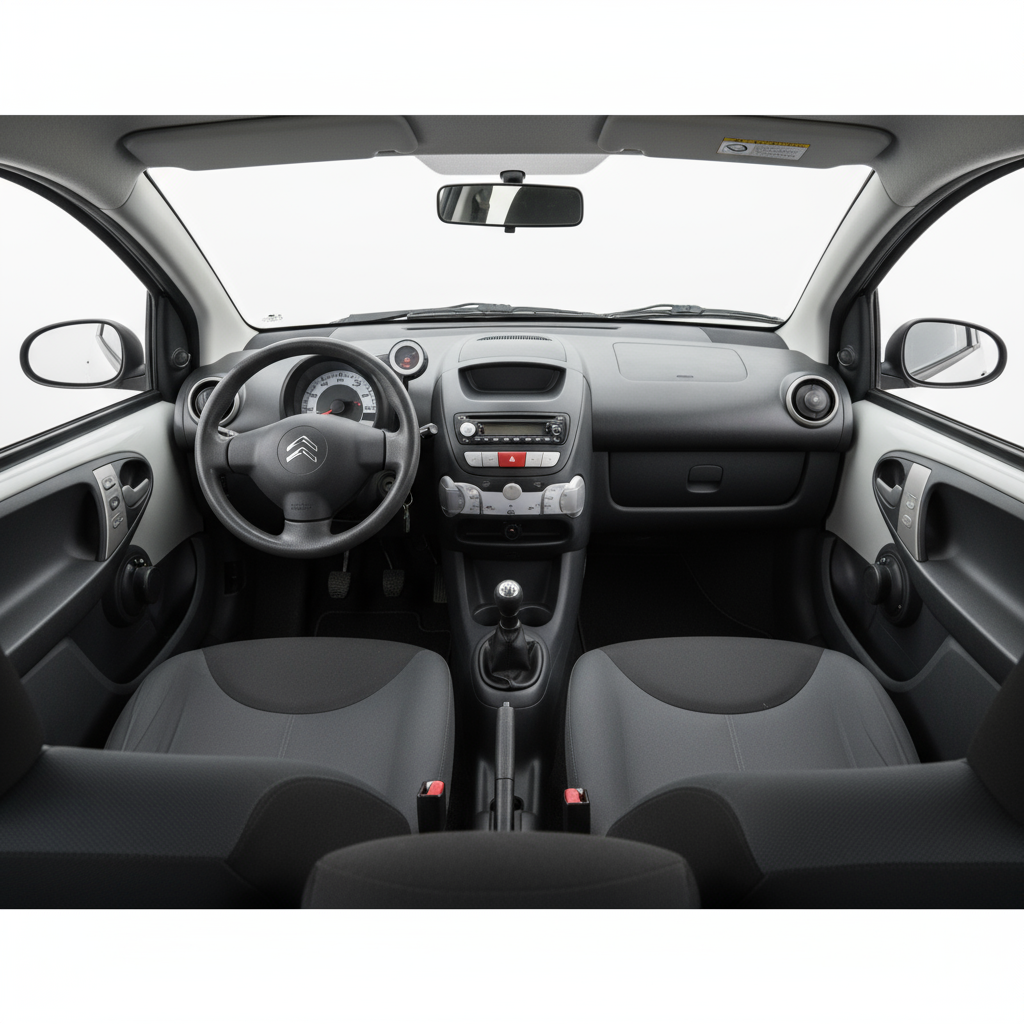
The C1's design is pure charm. Its large headlights give it an expressive and friendly look, almost like an animated character. The three-door body is compact and functional, with minimal overhangs that scream 'city'. The rear is particularly ingenious, with a glass tailgate that integrates the taillights, a stylish and lightweight solution. Inside, simplicity is key, but with touches of genius like the exposed body metal on the doors, which adds a splash of color and personality. It's an honest space, unpretentious but with a playful soul.
Technology and features
The technology of the 2009 C1 focused on the essential and the intelligent. The biggest advancement was precisely the Sensodrive automated manual gearbox, which automated the clutch for more comfortable city driving. The aluminum engine was a small marvel of efficiency for its time, achieving very low fuel consumption. The instrument cluster, a single circular dial that moves with the steering column, is a design detail as peculiar as it is functional. It's a car that represents a more analog era, where the connection with the machine took precedence over screens.
Competition
Its most direct rivals were its own platform siblings, the Peugeot 107 and the Toyota Aygo, with which it shared almost everything except the styling. Outside the family, it faced segment giants like the Fiat Panda, which offered a more practical and modular approach, and the Renault Twingo, another French icon of modularity and bold design. The Ford Ka of the era opted for more dynamic driving, and the Volkswagen Fox for a greater sense of solidity, but the C1 held its own with its unique aesthetics and cheerful character.
Conclusion
The Citroën C1 is not just a means of transport; it's a statement of intent. It's a car that celebrates simplicity, efficiency, and the joy of city living. Its character is contagious, from the sound of its engine to its friendly design. Despite a simple interior and a gearbox with its own personality, the C1 wins you over with its honesty and low running costs. It's the perfect urban companion, a little giant with a huge heart that proves you don't need much to be happy behind the wheel.