
Especificaciones y análisis del Citroën C6
Power
211HP
Torque
290Nm
Consumption
11.2l/100
Emissions
266g/km
0-100 km/h
9.4s
Top Speed
230km/h
Weight
1891kg
Price
44,820€
Technical summary
Gasolina
Automático 6v
FWD
5 / 4 doors
421 L
72 L
155 kW
Current
Technical specifications
Engine
Capacities
Detailed analysis of the Citroën C6 3.0i V6 CAS 6v · 211 CV (2006-2008)
General description
The Citroën C6 is not just a car; it's a statement of principles. Launched in 2006, it stood as the spiritual heir to the legendary DS and CX, a bold attempt by Citroën to reconquer the luxury sedan segment with a unique proposition, focused on absolute comfort and a design that defies all conventions. This version with the 3.0 V6 gasoline engine represented the pinnacle of smoothness and refinement, an ode to the pleasure of unhurried travel, wrapped in an atmosphere of exclusivity.
Driving experience
Driving a C6 is like floating on a magic carpet. The Hydractive 3+ hydropneumatic suspension cancels out road imperfections, creating a sense of isolation and serenity that no other car of its time could match. The 211-horsepower V6 engine whispers instead of roars, delivering its power linearly and progressively, perfect for devouring miles on the highway with imperial calm. It is not a car with sporty reactions, but a machine designed to relax the body and spirit, transforming every journey into an extremely pleasant and silent experience.
Design and aesthetics
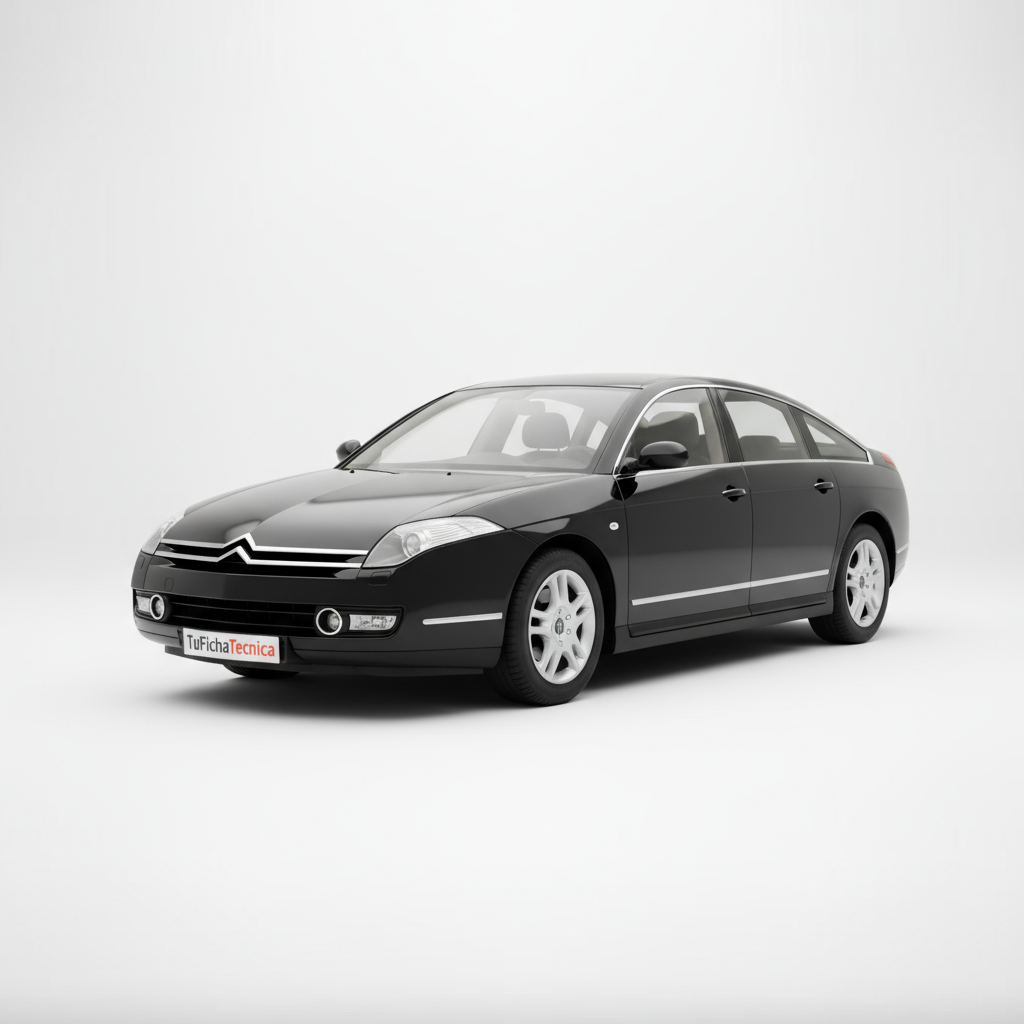
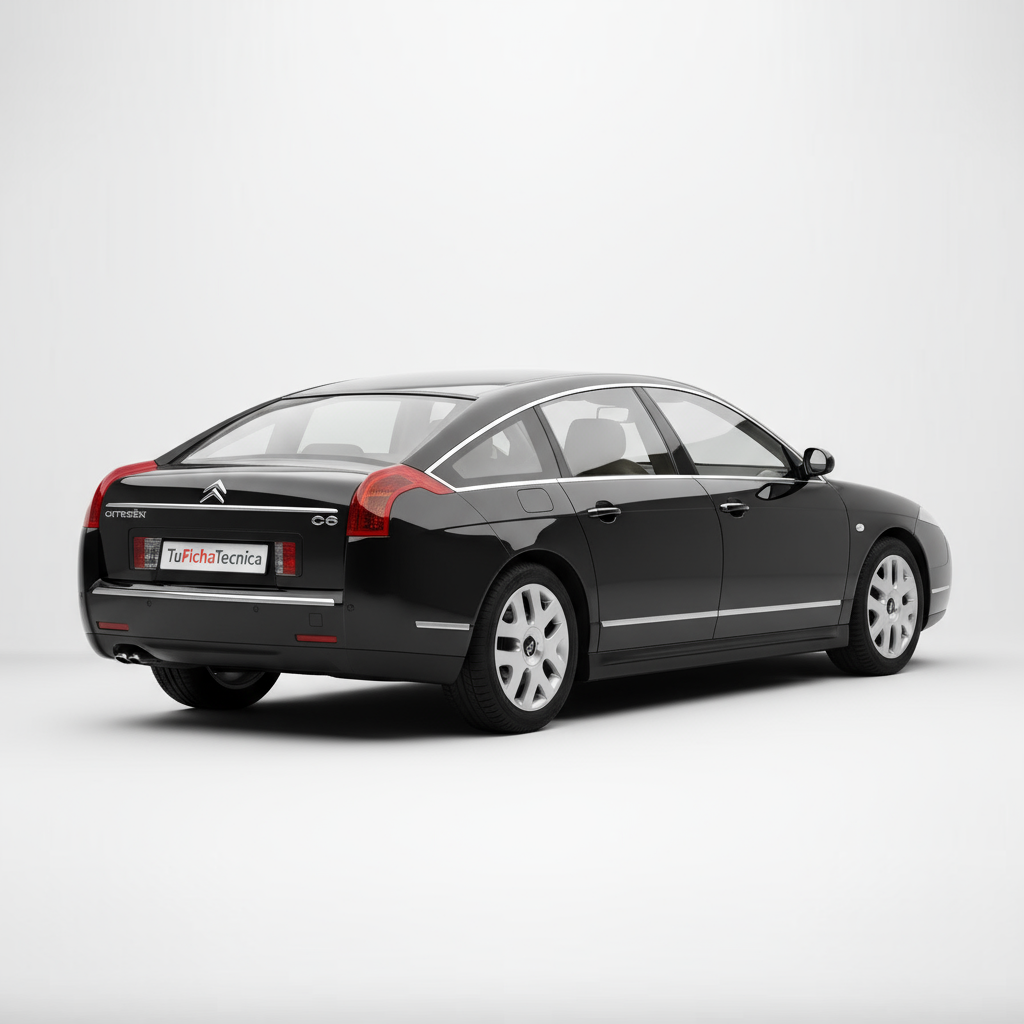
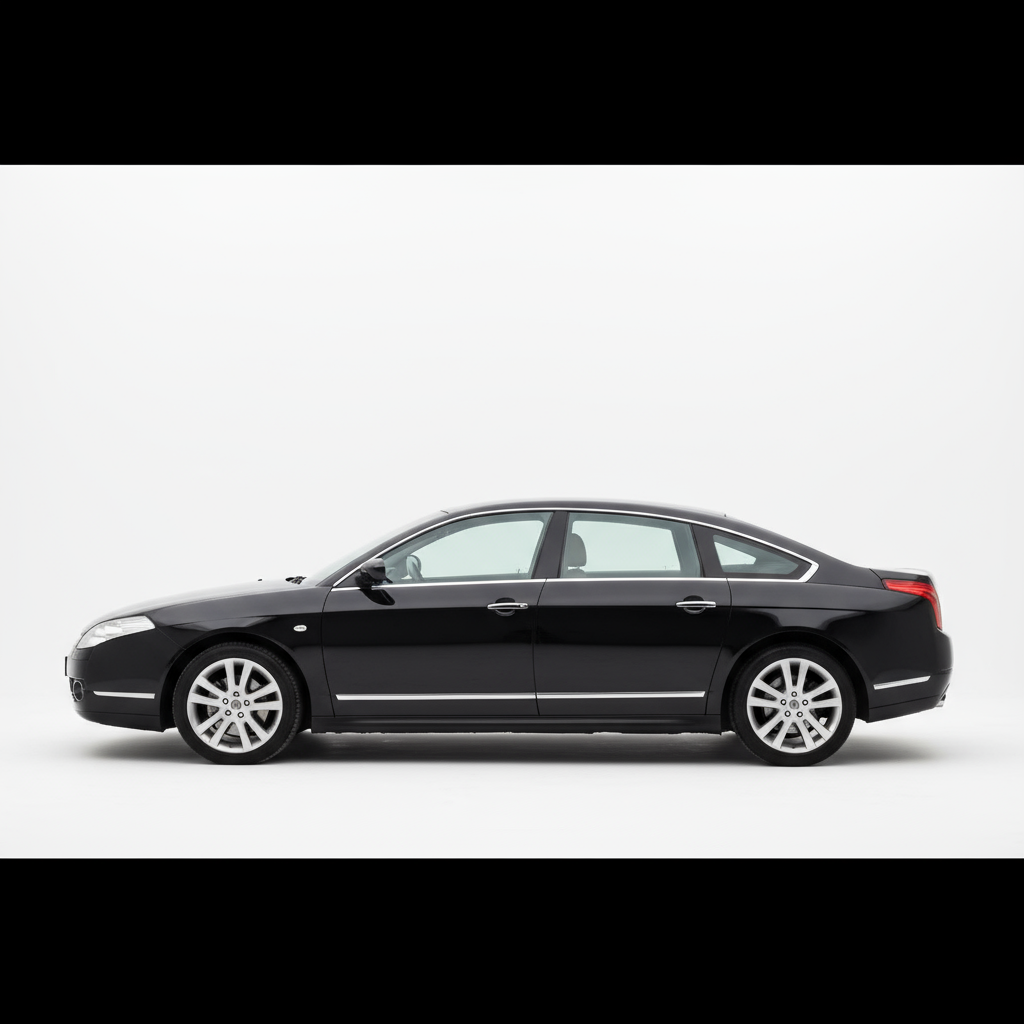
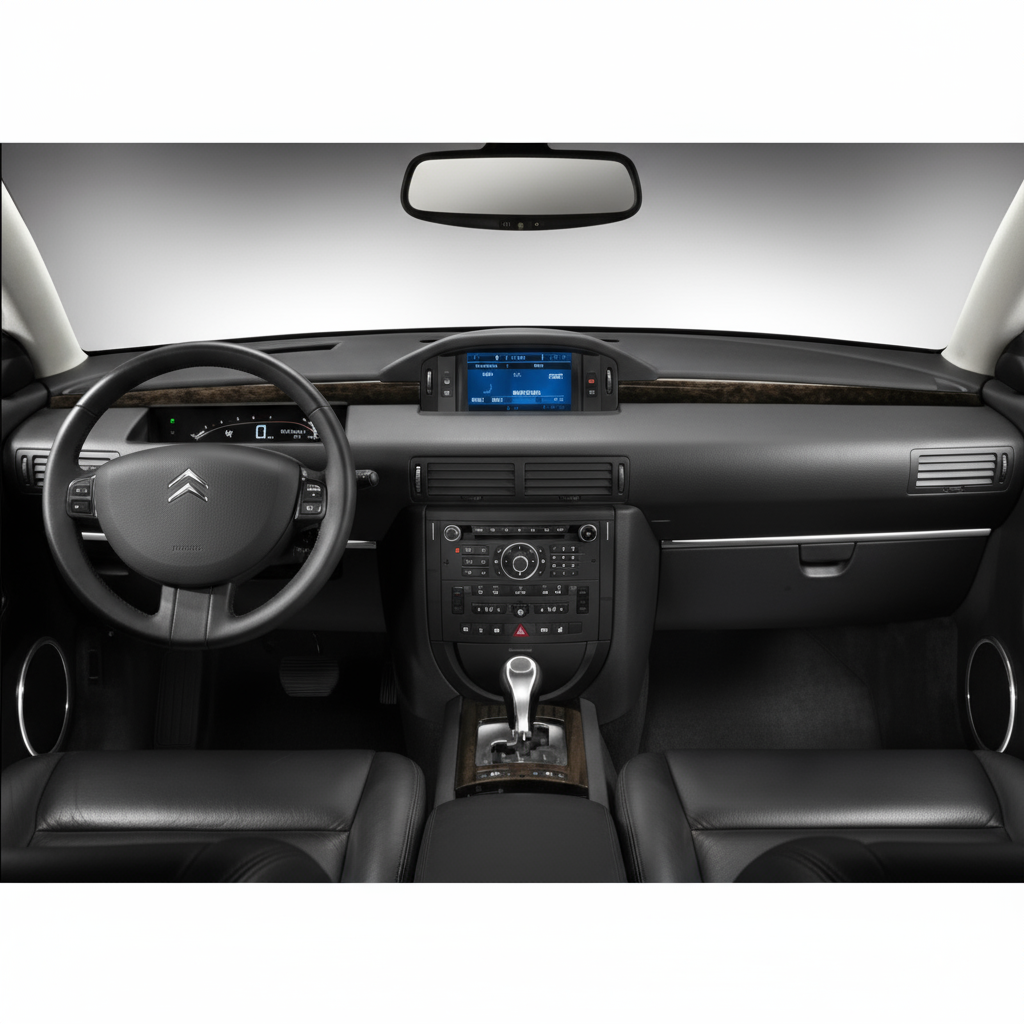
The design of the C6 is a work of avant-garde art, loved by some and criticized by others, but never ignored. Its elongated silhouette, with an imposing front and a rear that culminates in an iconic concave window, is a clear tribute to the brand's history. The frameless doors and fluid roofline give it a unique, almost sculptural elegance. Inside, the atmosphere is that of a rolling lounge, with a minimalist dashboard, high-quality materials, and seats that invite relaxation. It's a car that feels special from every angle.
Technology and features
For its time, the C6 was a technological showcase. Its crown jewel was the active suspension, capable of reading the road and adapting in real time. It was one of the first European cars to popularize the Head-Up Display, which projected information onto the windshield so as not to take your eyes off the road. It also introduced innovations such as lane departure warning, directional xenon headlights, and a sophisticated climate control system. All the technology was at the service of comfort and safety, not ostentation.
Competition
The Citroën C6 dared to challenge the dominant German trio: the Mercedes-Benz E-Class, the BMW 5 Series, and the Audi A6. However, its philosophy was radically different. While the Germans focused on sportiness and dynamic efficiency, the C6 offered a sanctuary of comfort and originality. It was the alternative for the buyer who was not looking for stopwatches or track records, but a different, more human and distinguished driving experience, competing in its own universe against models like the Volvo S80 or the Jaguar S-Type.
Conclusion
The Citroën C6 was a commercial failure but a resounding emotional success. It is the last great Citroën, a car with an overwhelming soul and personality that refused to follow the market rules. It represents the culmination of a way of understanding the automobile where the well-being of the occupants is the top priority. Today it is already a cult classic, a treasure for connoisseurs who value exclusivity and engineering with character. Owning a C6 is not a rational decision; it is an act of passion for the purest and most authentic form of motoring.