
Especificaciones y análisis del Citroën C8
Power
136HP
Torque
320Nm
Consumption
7.1l/100
Emissions
188g/km
0-100 km/h
11.4s
Top Speed
190km/h
Weight
1854kg
Price
36,590€
Technical summary
Gasóleo
Manual 6v
FWD
6 / 5 doors
225 L
80 L
100 kW
Current
Technical specifications
Engine
Capacities
Detailed analysis of the Citroën C8 2.0 HDi 138 FAP Exclusive Captain Chairs · 136 CV (2006-2008)
General description
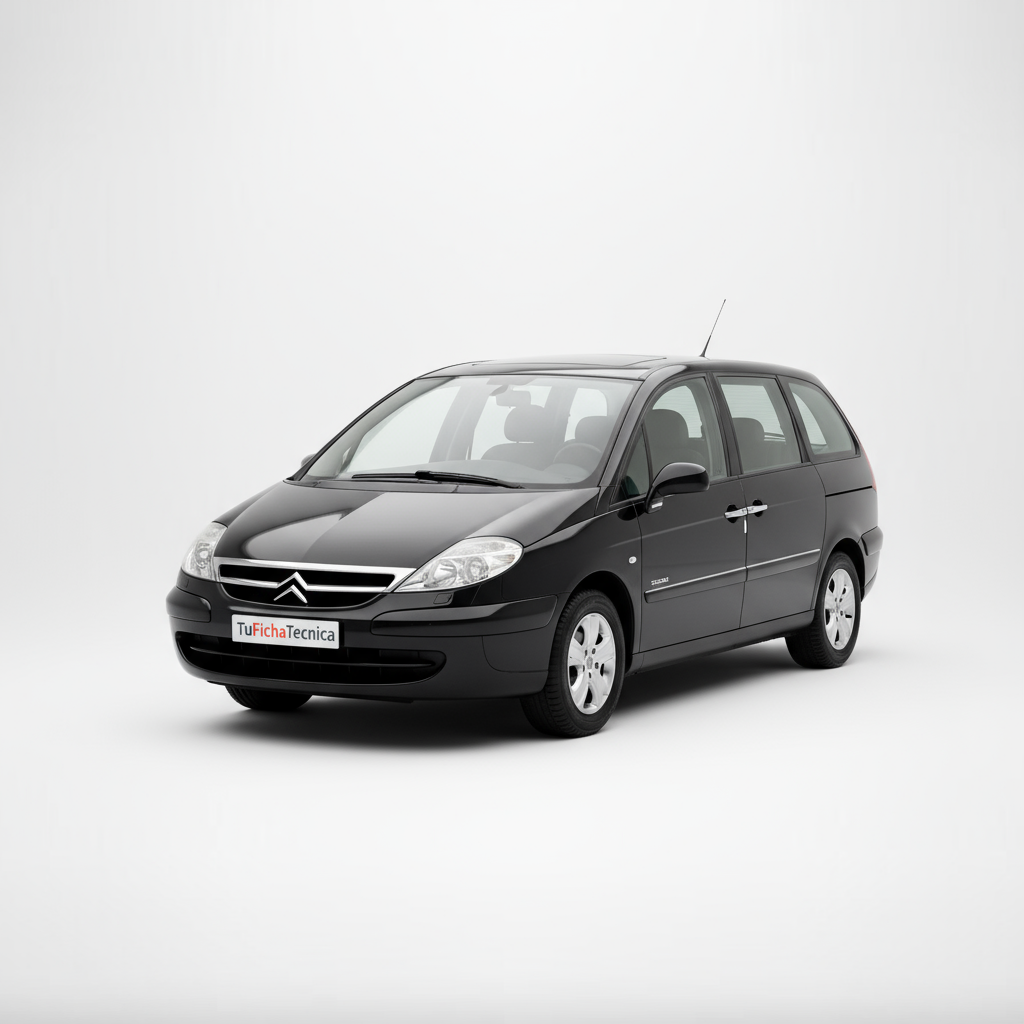
The 2002 Citroën C8, in its 2.0 HDi 138 FAP Exclusive Captain Chairs version, is presented as a minivan designed for comfort and space. With a 136 HP diesel engine and a configuration of six individual seats, this vehicle sought to offer a superior travel experience for families or groups who valued comfort and versatility. Its price of €36,590 at the time reflected its positioning in the high-end minivan segment, seeking to compete with proposals that prioritized well-being on board.
Driving experience
Behind the wheel of the C8, the predominant sensation is one of smoothness and spaciousness. The 136 HP 2.0 HDi engine, although not an overabundance of power, moves the assembly with ease, especially on the road, where its 320 Nm of torque is noticeable. The six-speed manual gearbox allows for adequate control of power delivery. The suspension, McPherson type at the front and rigid axle at the rear, is oriented towards comfort, absorbing road irregularities well and providing a pleasant ride. The steering, although not the most communicative, fulfills its function in a vehicle of these characteristics. In general, the C8 invites relaxed driving and enjoying the journey, rather than seeking sporty sensations.
Design and aesthetics
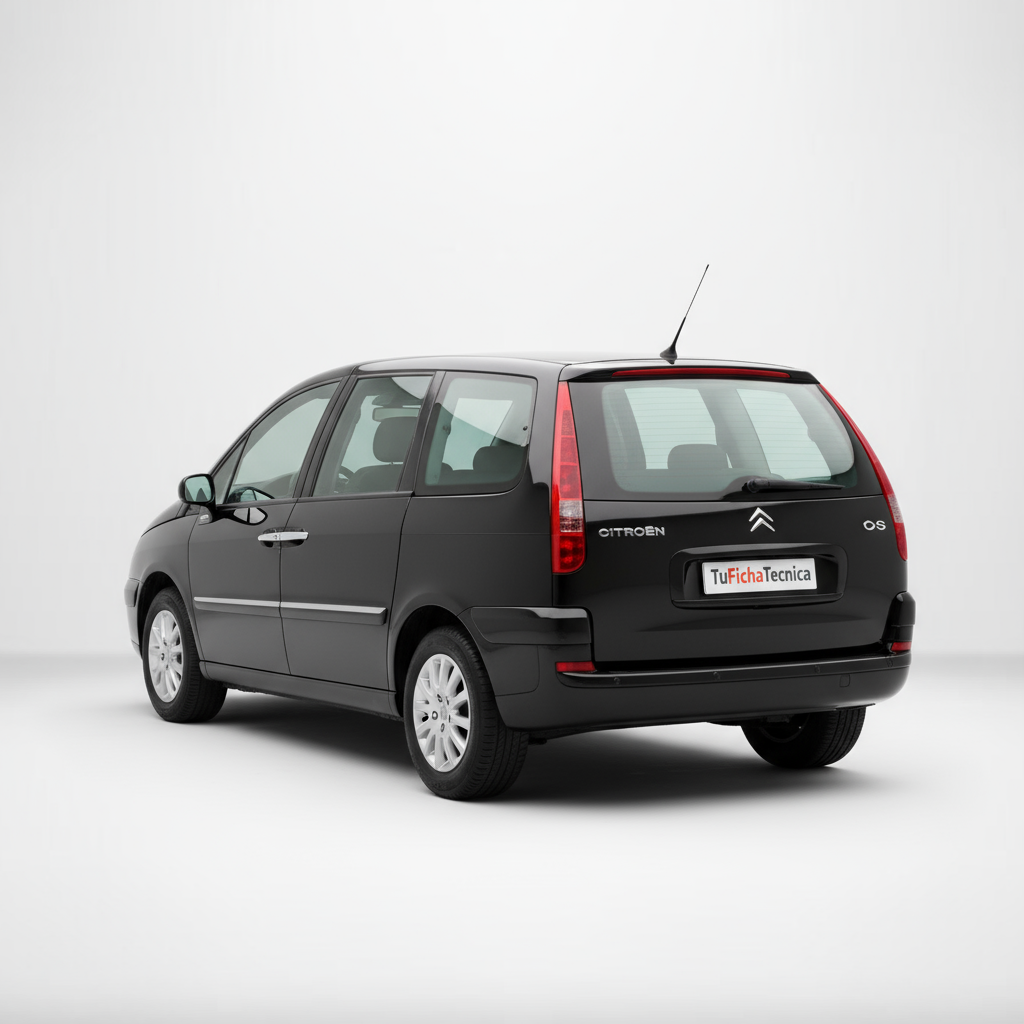
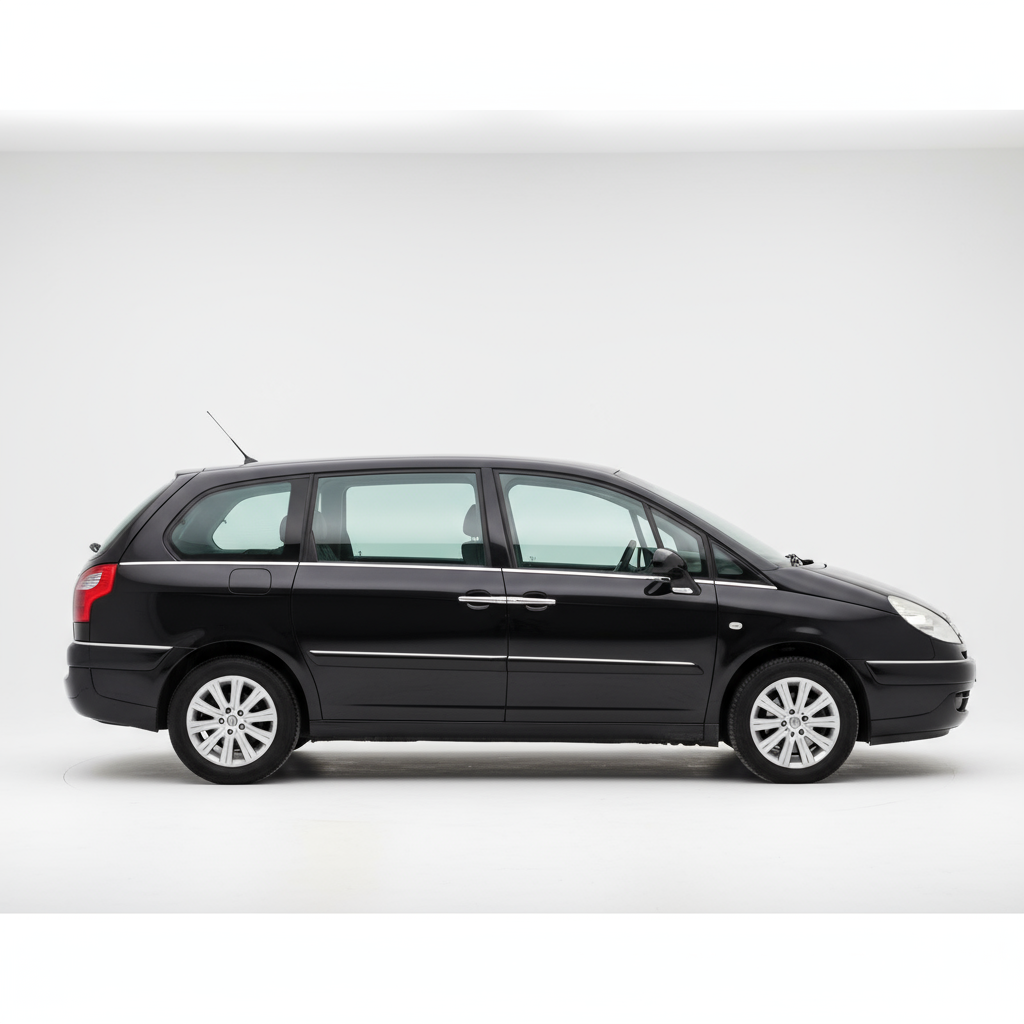
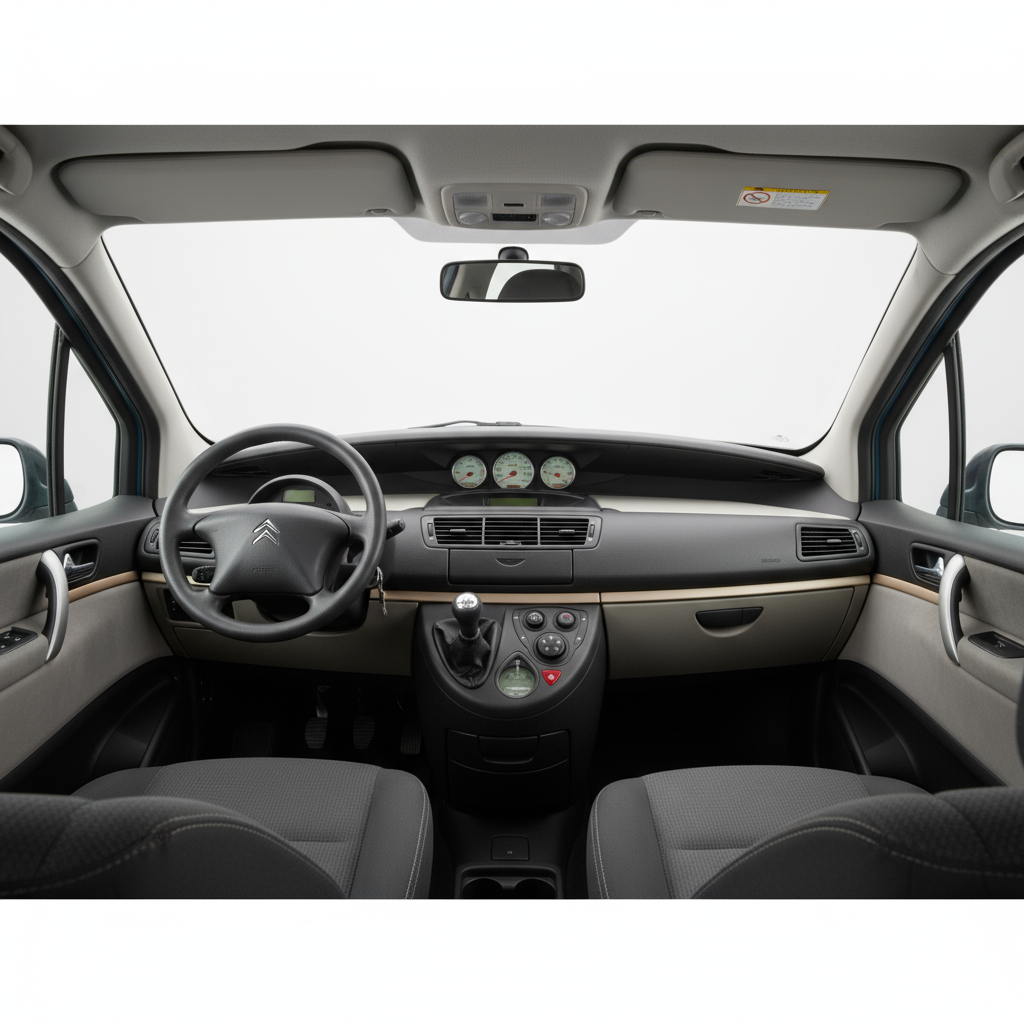
The design of the 2002 Citroën C8 is functional and spacious, with lines that seek to maximize interior volume. Its bodywork, 4,726 mm long, 1,854 mm wide, and 1,752 mm high, along with a wheelbase of 2,823 mm, give it an imposing presence on the road. The sliding rear doors are a distinctive and practical element, facilitating access to the rear seats in confined spaces. The interior, with its six individual 'Captain Chairs' seats, offers great modularity and a welcoming atmosphere. Although its aesthetics may seem somewhat sober by current standards, at the time it represented Citroën's vision for a family minivan, prioritizing habitability and functionality over aesthetic audacity.
Technology and features
In terms of technology, the 2002 Citroën C8 incorporated elements that sought to improve the driving experience and occupant comfort. The 2.0 HDi engine with common rail direct injection, variable geometry turbo, and intercooler was an example of the diesel technology of the time, offering a good balance between performance and efficiency. The presence of a particulate filter (FAP) as early as 2002 denoted a concern for emissions. Inside, although advanced infotainment systems are not detailed, the individual seat configuration and the spaciousness of the cabin were in themselves a technological proposal aimed at comfort. Active and passive safety would also meet the standards of the time, seeking to protect occupants in the event of an accident.
Competition
The Citroën C8 competed in the large minivan segment with models such as the Peugeot 807, Fiat Ulysse, and Lancia Phedra, with which it shared a platform and many components. Other direct rivals included the Renault Espace and the Volkswagen Sharan, vehicles that also offered ample interior space and versatility for large families. The C8 differentiated itself by its focus on comfort and smooth ride, characteristics highly valued in the Citroën brand.
Conclusion
The 2002 Citroën C8 2.0 HDi 138 FAP Exclusive Captain Chairs was a minivan that stood out for its spaciousness, comfort, and versatility. Ideal for families looking for a spacious and comfortable vehicle for long journeys, it offered an efficient diesel engine and a highly adaptable interior configuration. Although its design was more functional than avant-garde, it more than fulfilled its purpose of transporting its occupants with maximum comfort. It represented a solid option in the large minivan segment, leaving a legacy of practicality and well-being on board.