
Especificaciones y análisis del Dacia Sandero
Power
68HP
Torque
160Nm
Consumption
4.5l/100
Emissions
120g/km
0-100 km/h
15s
Top Speed
157km/h
Weight
1165kg
Price
10,325€
Technical summary
Gasóleo
Manual 5v
FWD
5 / 5 doors
320 L
50 L
50 kW
Current
Technical specifications
Engine
Capacities
Detailed analysis of the Dacia Sandero Laureate 1.5 dCi 70 CV (2010-2011)
General description
The 2008 Dacia Sandero burst onto the market as a revelation, a promise of accessible and honest mobility. This car didn't aim to charm with luxuries, but to conquer with intelligence, offering surprising space and functionality for a price that challenged all competition. It is the vehicle that democratized the new car, a faithful companion for daily life.
Driving experience
Behind the wheel, the Sandero with its 68 hp 1.5 dCi engine conveys a sense of simplicity and purpose. Don't expect lightning-fast acceleration; its 15 seconds to reach 100 km/h invite a calm driving style. However, the diesel engine feels willing at low revs thanks to its 160 Nm of torque, making city driving an easy task. The 5-speed manual gearbox is precise, and the suspension, though simple, absorbs bumps well, prioritizing comfort over sportiness. It's a car that gets you to your destination without complications, with a mechanical honesty that is felt in every kilometer.
Design and aesthetics
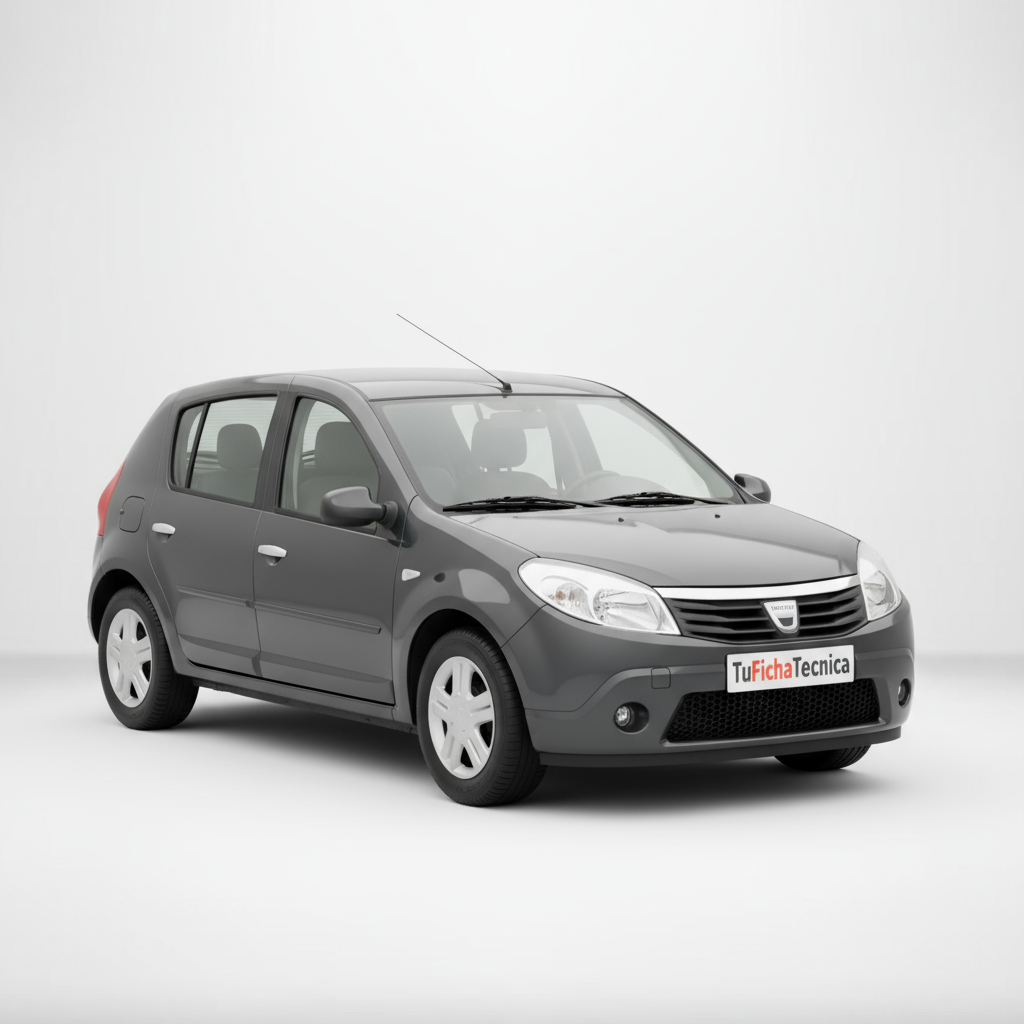
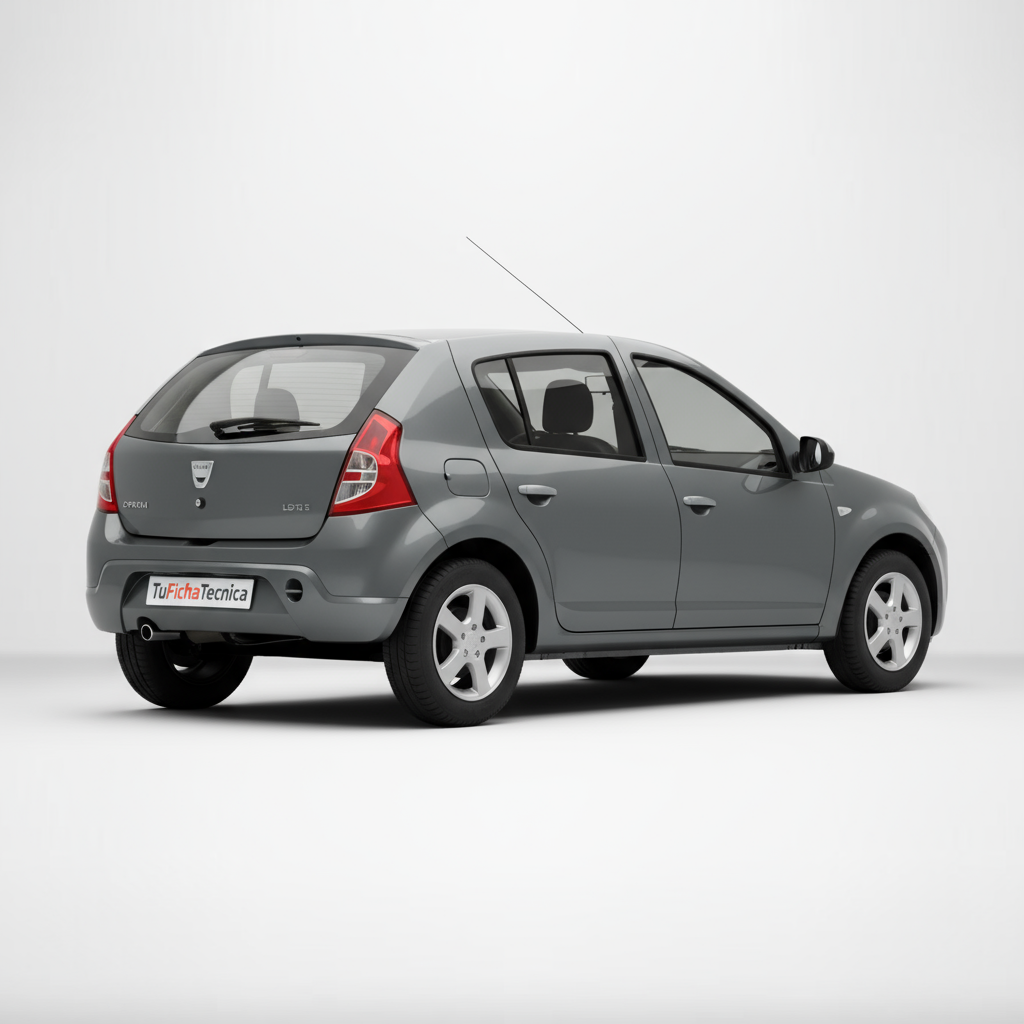
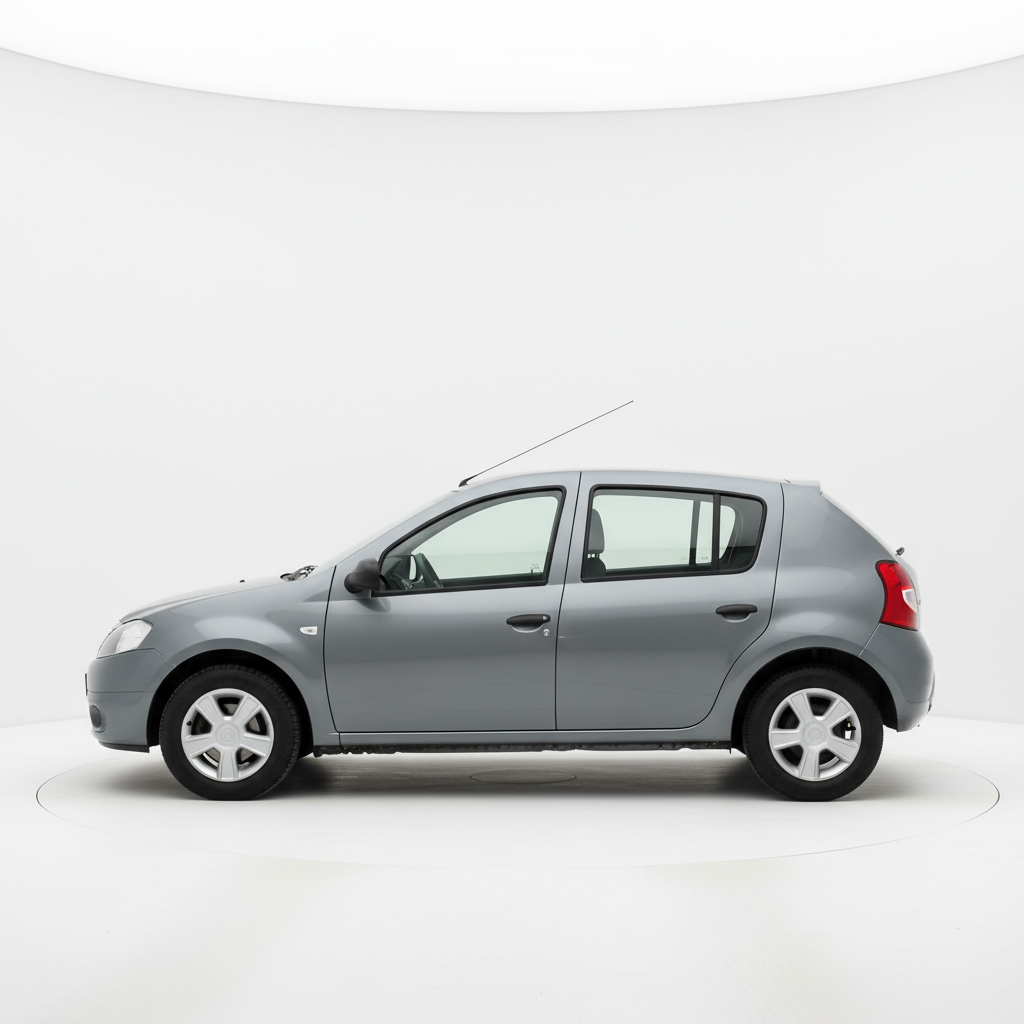
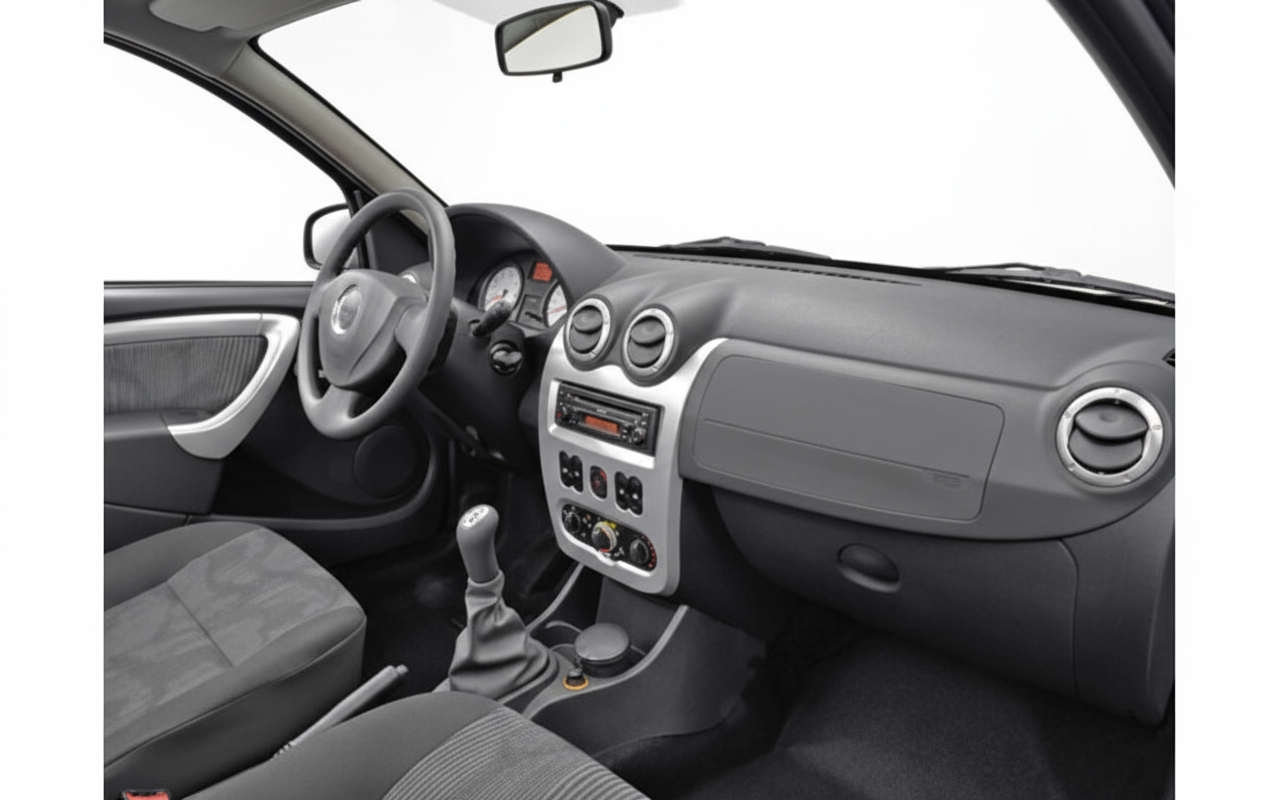
Its design is a hymn to functionality. The Sandero's lines are simple, without unnecessary frills, projecting an image of robustness and pragmatism. Its 5-door body and considerable height facilitate access and promise a spacious interior, a promise it more than fulfills, especially with its 320-liter trunk, worthy of a higher segment. Inside, the materials are hard and designed to last, not to impress. Every element is in its place for a reason, creating a distraction-free environment focused on the essentials.
Technology and features
The technology in the Sandero Laureate focuses on the essentials for the era. Forget touch screens or complex assistants. Here we find functional elements like power steering, air conditioning, and a basic audio system. The true technological heart lies under the hood: its common-rail direct-injection diesel engine, a Renault-sourced powerplant that proved to be a benchmark in efficiency, achieving a combined consumption of just 4.5 liters per 100 km.
Competition
At its launch, the Dacia Sandero faced established giants like the SEAT Ibiza, the Ford Fiesta, or its cousin, the Renault Clio. While these competitors offered more refinement and equipment options, none could match the Sandero's unbeatable ratio of price, space, and maintenance cost. It became the smart alternative for those who valued pragmatism over status.
Conclusion
The Dacia Sandero 1.5 dCi is not a car chosen with the heart, but with the head, and yet, it is capable of generating a deep sense of satisfaction. It is the smart purchase, proof that you don't need a large outlay to have reliable, spacious, and extraordinarily economical transportation. It represents the freedom to move without ties, a symbol of essential mobility that fulfills its promise with an honesty and reliability that leave a mark.