
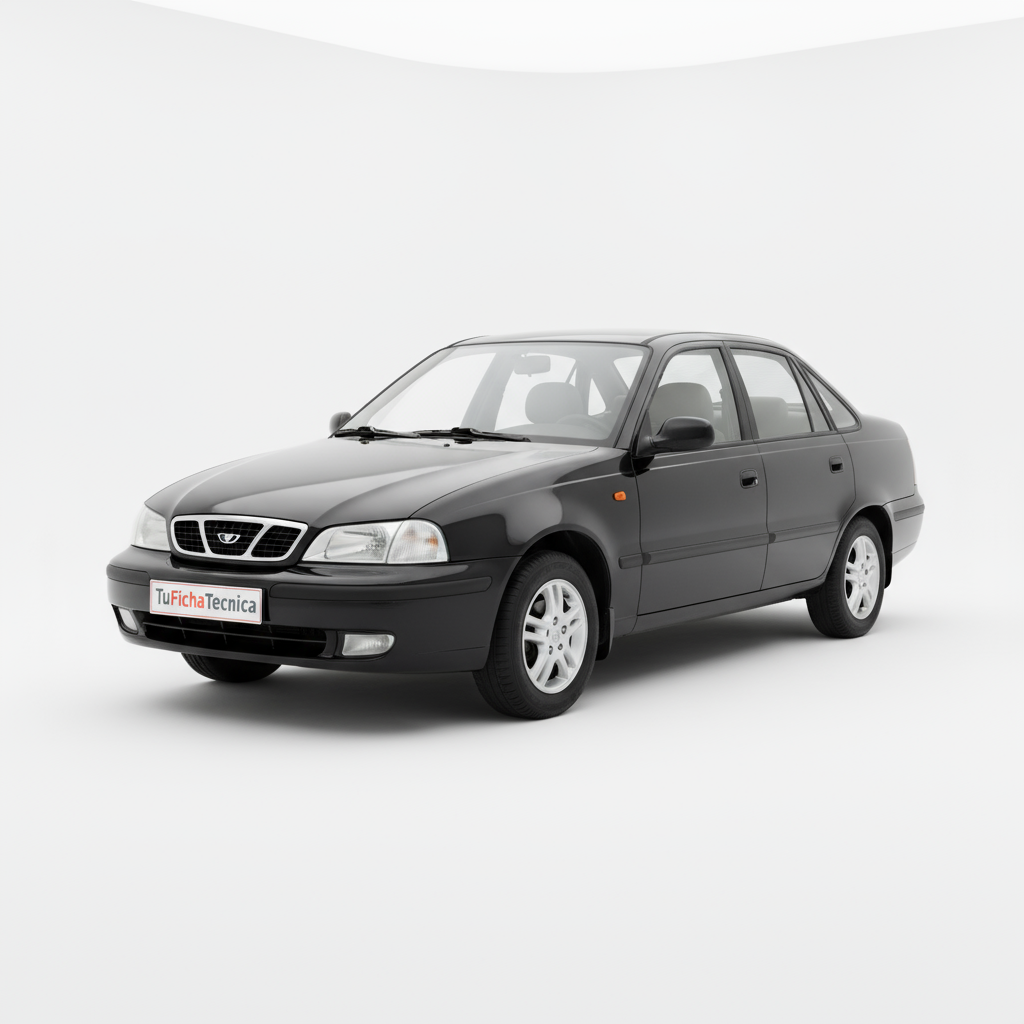
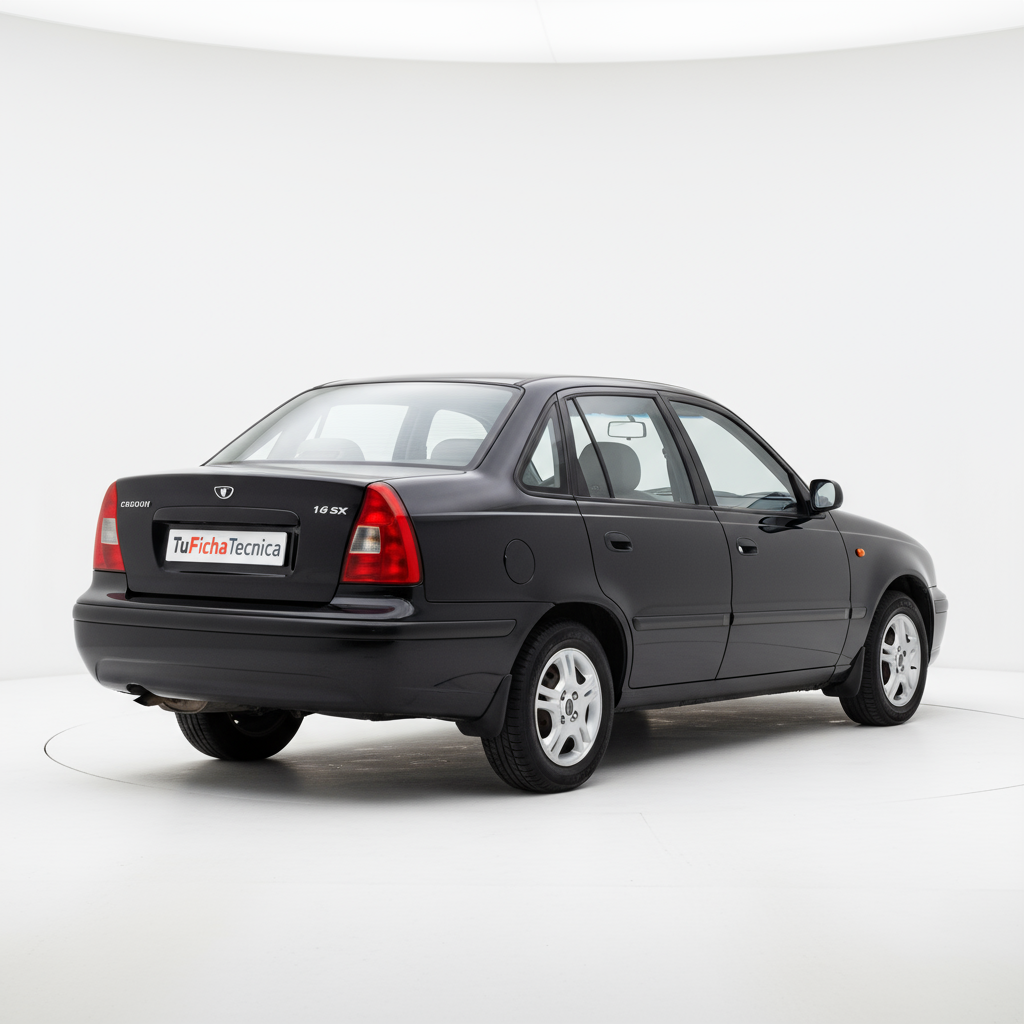
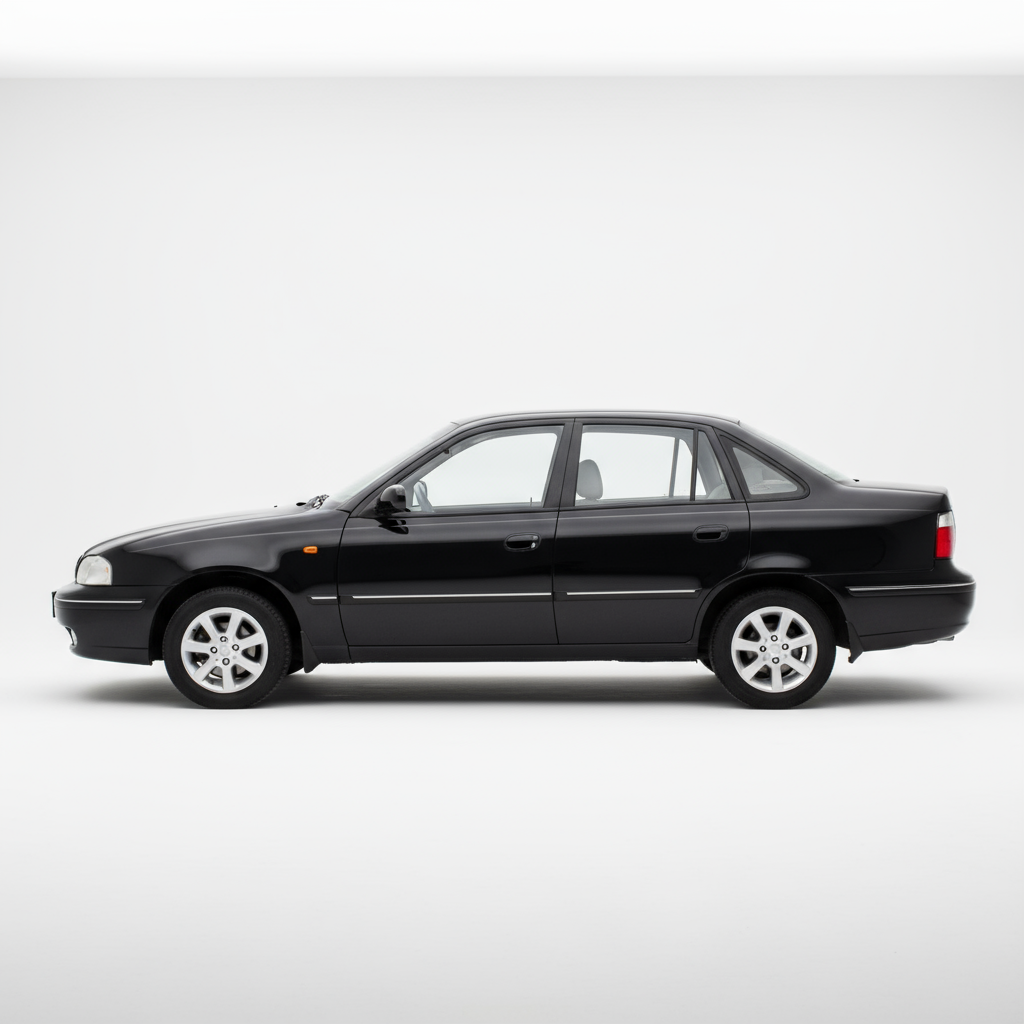
Especificaciones y análisis del Daewoo Nubira (Daewoo)
Power
103HP
Torque
145Nm
Consumption
8.2l/100
Emissions
-g/km
0-100 km/h
11s
Top Speed
185km/h
Weight
1253kg
Price
13,230€
Technical summary
Gasolina
Manual 5v
FWD
5 / 4 doors
370 L
62 L
76 kW
Current
Technical specifications
Engine
Capacities
Detailed analysis of the Daewoo Nubira 2002 1.6 16v SX 4p · 103 CV (2002-2003)
General description
The Daewoo Nubira from the early 2000s is more than a car; it's a memory of an era when functionality and an affordable price were the dream of many families. This Korean sedan arrived to offer honest and spacious transportation, a mobility solution without pretensions but full of practicality, becoming the faithful companion of countless daily journeys.
Driving experience
Behind the wheel, the Nubira conveys a sense of simplicity and honesty. Its 103-horsepower engine doesn't aim for records, but it responds willingly when pushed, allowing for agile city driving and sufficient power for highway travel. The suspension prioritizes comfort over sportiness, filtering out road imperfections to make every trip pleasant. It's a car that doesn't thrill with its speed, but with the tranquility and confidence it inspires, a predictable and easy-to-drive machine that gets you to your destination without any fuss.
Design and aesthetics
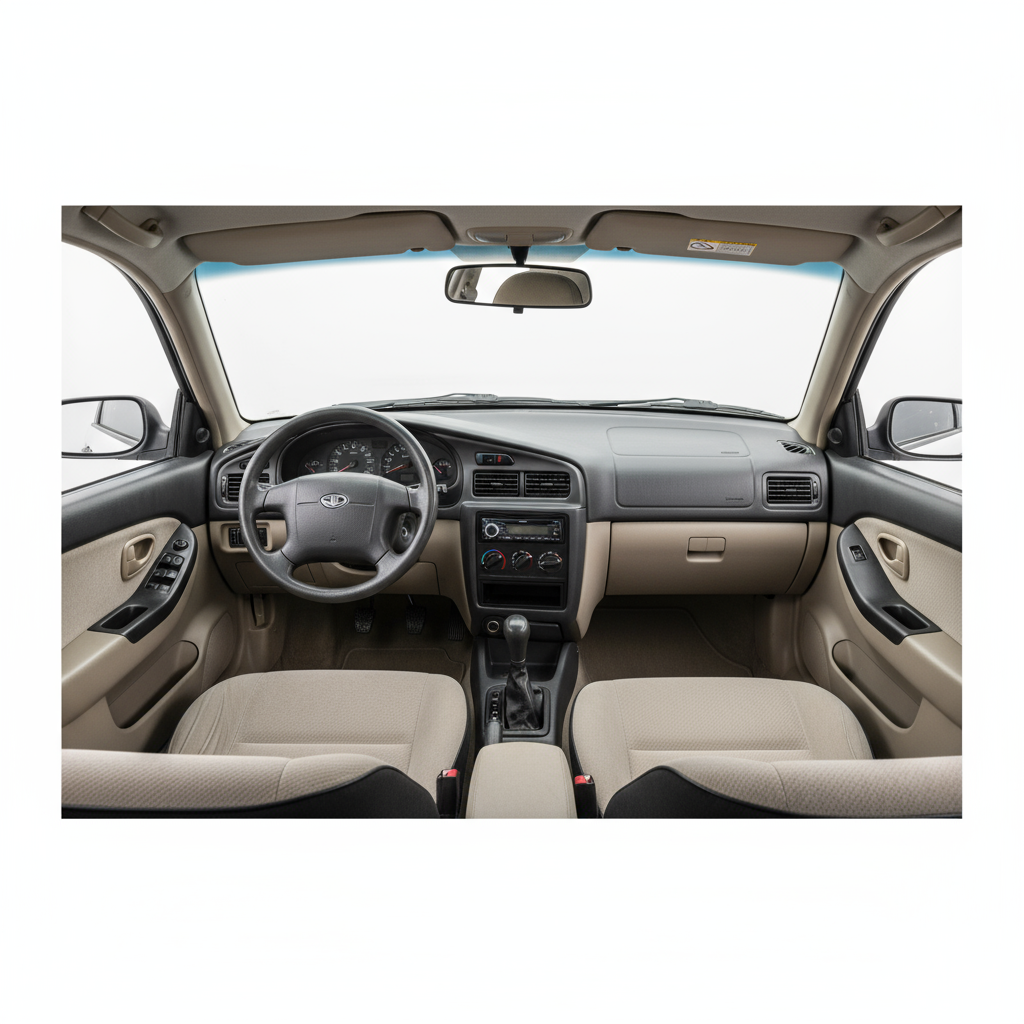
Its design is a reflection of its time, a three-box sedan with soft, discreet lines that sought elegance in simplicity. It didn't aim to turn heads, but to offer a generous and well-utilized space. Its aesthetic, though it may seem dated today, evokes a nostalgia for practical, unpretentious cars. Inside, functionality reigns with a spacious cabin and a 370-liter trunk ready for family adventures.
Technology and features
The Nubira's technology was just what was necessary for its era. Far from today's screens and assistants, it offered essentials like power steering, air conditioning, and a braking system with front discs and rear drums. Its indirect injection engine is an example of proven and reliable mechanics, without modern complexities. It was an analog car in a world that was beginning to digitize, a refuge of mechanical simplicity.
Competition
In a very competitive market, the Nubira faced European giants like the SEAT Córdoba, the Renault Mégane Classic, or the Ford Focus Sedan. Its great asset was not refinement or the latest technology, but an unbeatable relationship between price, space, and equipment. It fought to be the smartest choice for those who counted every euro and needed a large, reliable car without mortgaging their future.
Conclusion
The Daewoo Nubira was an eminently rational purchase, a vehicle that more than fulfilled its promise of affordable and reliable mobility. It wasn't a car that you fell in love with for its design or performance, but one that earned affection for its loyalty and low running costs. It represents an almost extinct automotive philosophy: that of the car as a noble and hardworking tool, a faithful servant of family needs.