
Especificaciones y análisis del Daewoo Tacuma (Daewoo)
Power
121HP
Torque
175Nm
Consumption
10.8l/100
Emissions
-g/km
0-100 km/h
11.7s
Top Speed
173km/h
Weight
1407kg
Price
18,600€
Technical summary
Gasolina
Automático 4v
FWD
5 / 5 doors
325 L
60 L
89 kW
Current
Technical specifications
Engine
Capacities
Detailed analysis of the Daewoo Tacuma 2.0 16v CDX Aut. · 121 CV (2003-2004)
General description
The Daewoo Tacuma is more than a minivan; it's a time capsule that transports us to the early 2000s. It represents an era when space, versatility, and an affordable price were the keys to winning over families. An honest vehicle that promised practical solutions for everyday life.
Driving experience
Behind the wheel, the Tacuma offers a calm, comfort-oriented driving experience. Its 2.0-liter, 121-horsepower engine, paired with a 4-speed automatic transmission, moves the vehicle with enough ease for family trips, but without any sporty aspirations. The suspension is clearly focused on absorbing road imperfections, providing a smooth ride that encourages calmness, although its fuel consumption reminds us of its conception from another era.
Design and aesthetics
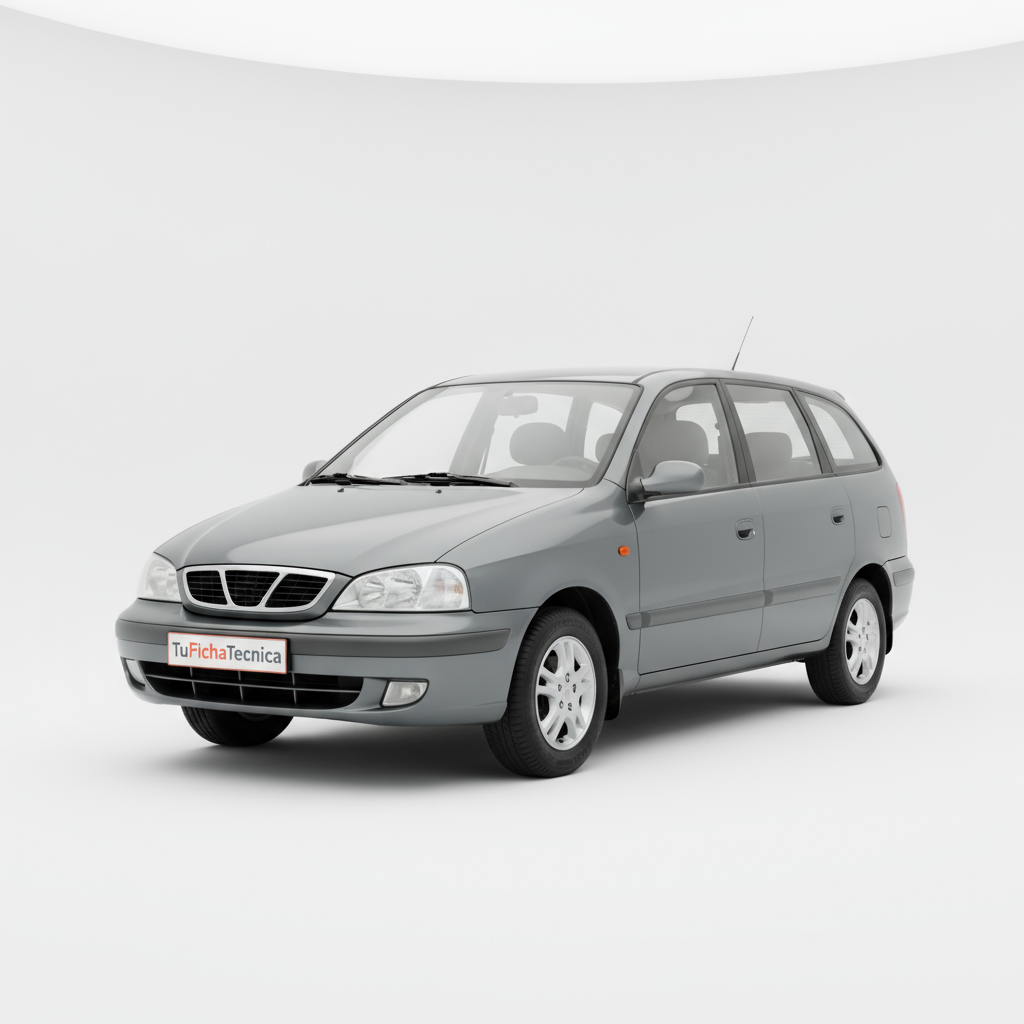
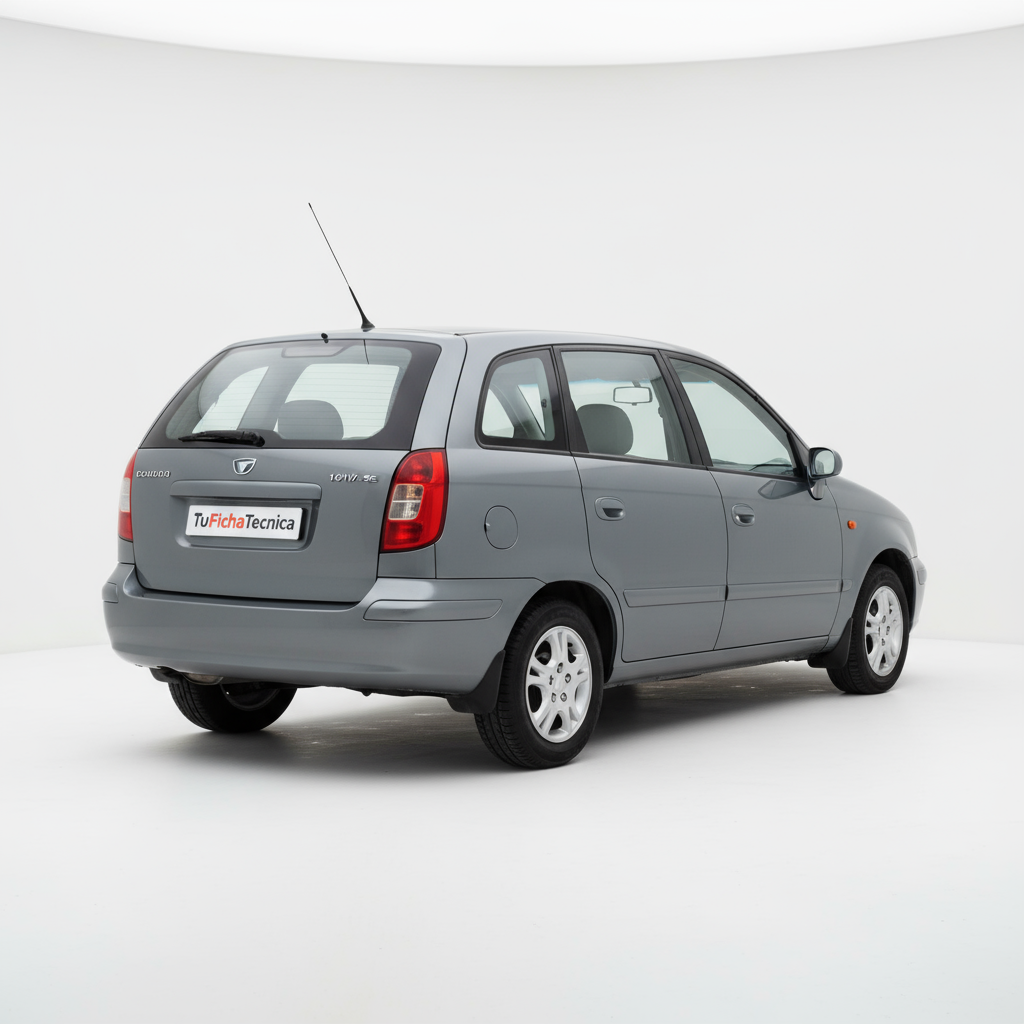
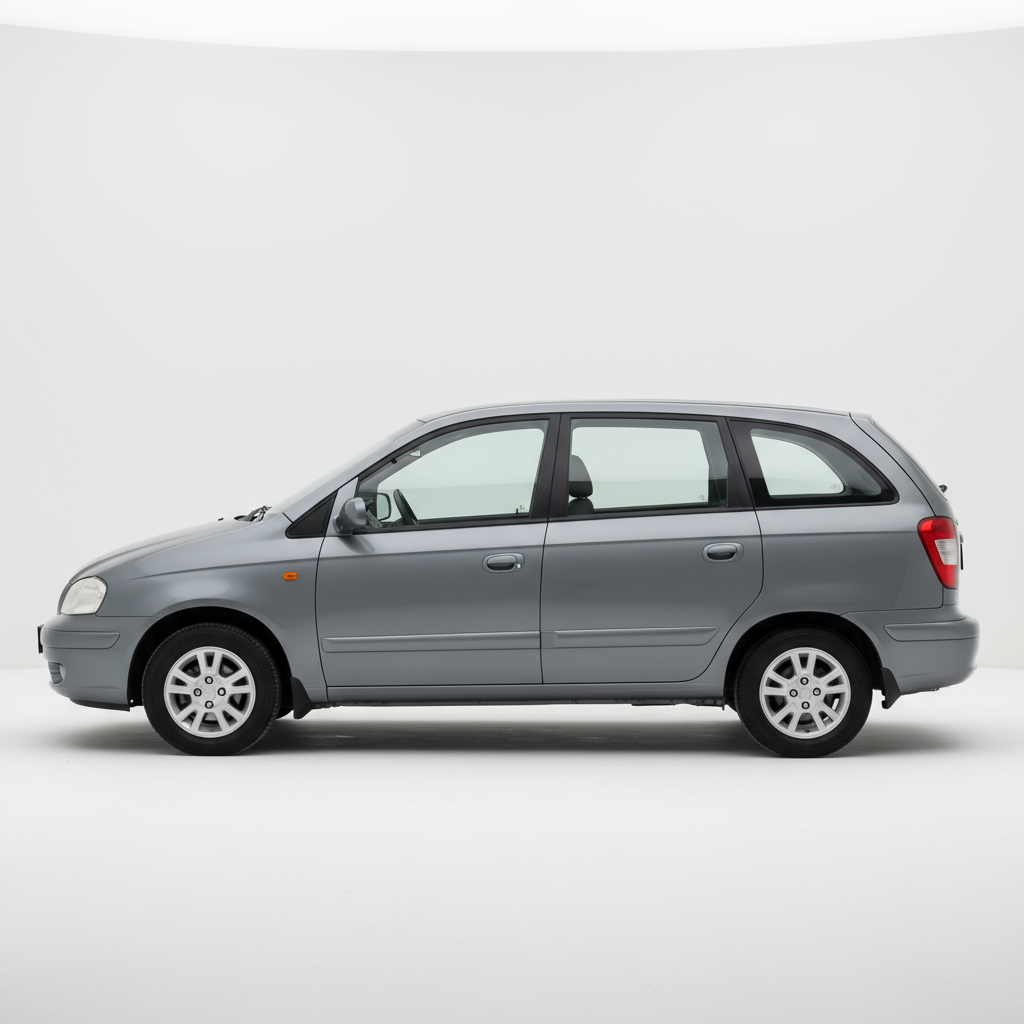
Designed to maximize interior space, the Tacuma features rounded, friendly shapes characteristic of minivans of its generation. It doesn't seek to charm at first sight, but to convince with its functionality. Its single-volume silhouette and large glass area create a sense of spaciousness and light in the cabin, always prioritizing life on board over exterior aesthetics.
Technology and features
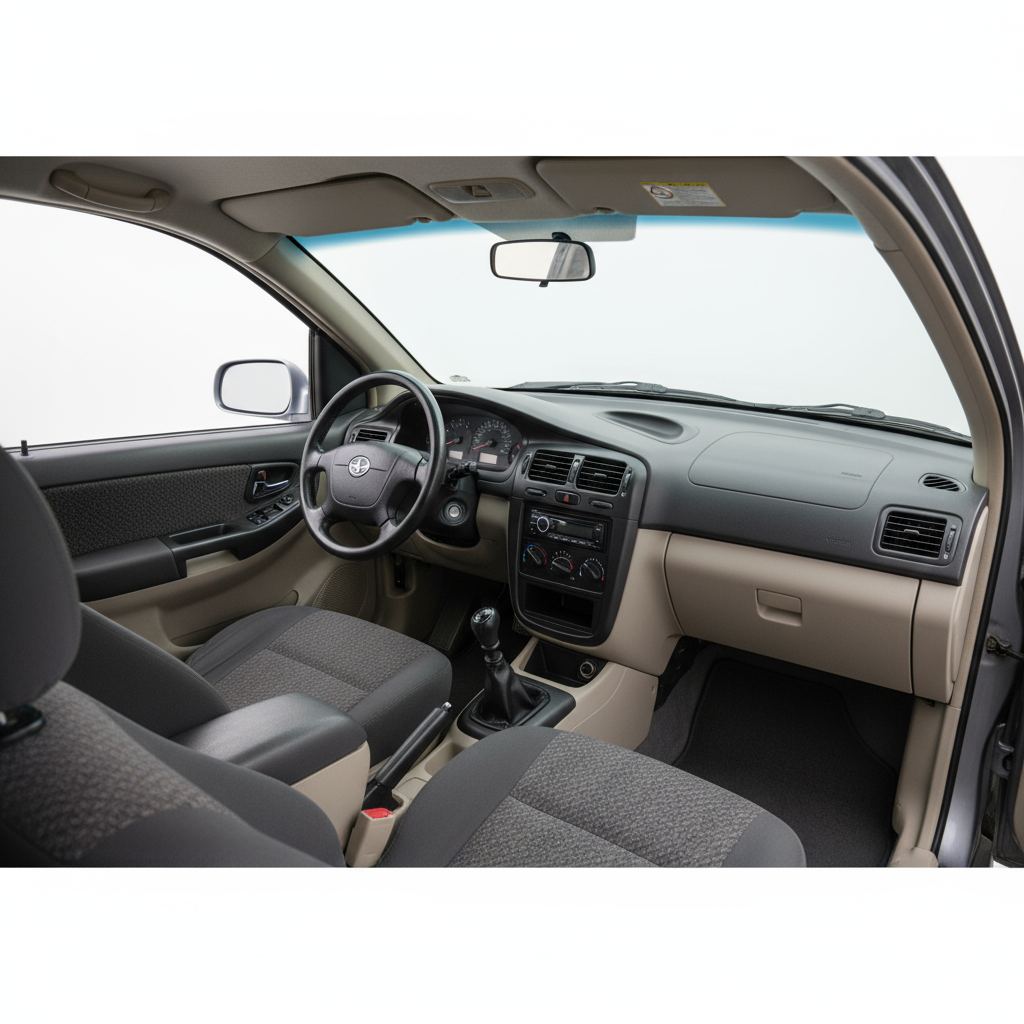
The Tacuma's technology is a reflection of its time: simple, functional, and uncomplicated. In its CDX trim, it offered comfort features that were valued at the time, such as air conditioning or electric windows. However, it lacks the driving aids and connectivity that we take for granted today. It is an analog car in a digital world, where mechanics and proven reliability were its main arguments.
Competition
In its heyday, the Daewoo Tacuma faced giants in the compact minivan segment. It had to compete with rivals of the caliber of the Renault Scénic, the Citroën Xsara Picasso, and the Opel Zafira, models that dominated the European market with their innovative modular solutions and powerful commercial networks. The Tacuma fought for its place by offering an excellent equipment-to-price ratio.
Conclusion
The Daewoo Tacuma is the memory of a brand that dared to compete in a very contested segment with a sincere and accessible proposal. It was a faithful companion for many families, a vehicle that fulfilled its mission of transporting people and belongings with comfort and without pretensions. Today, it is a nostalgic option that represents a way of understanding the automobile that almost no longer exists: that of pure functionality.