

Especificaciones y análisis del Ferrari F430
Power
490HP
Torque
465Nm
Consumption
18.3l/100
Emissions
420g/km
0-100 km/h
4s
Top Speed
315km/h
Weight
1525kg
Price
179,640€
Technical summary
Gasolina
Automático 6v
RWD
2 / 2 doors
250 L
95 L
360.3 kW
Current
Technical specifications
Engine
Capacities
Detailed analysis of the Ferrari F430 F1 · 490 CV (2005-2009)
General description
The Ferrari F430 is not just a car, it's a cry of passion and technology taken directly from Formula 1. Born in 2005 to succeed the acclaimed 360 Modena, this Prancing Horse marked a before and after, introducing innovations that redefined what a street-legal supercar could be. Its heart, a 4.3-liter naturally aspirated V8, is the soul of a machine designed to thrill.
Driving experience
Getting behind the wheel of the F430 is a sensory overload. The roar of the engine upon waking, which turns into an operatic howl as it approaches 8500 rpm, is addictive. The acceleration pins you to the seat with brutal, linear force, while the F1 gearbox, with its fast, mechanical shifts, makes you feel like a race driver. Every corner is a direct dialogue with the asphalt, thanks to precise steering and a chassis that communicates every nuance of the road. It's a visceral, pure, and unfiltered experience.
Design and aesthetics
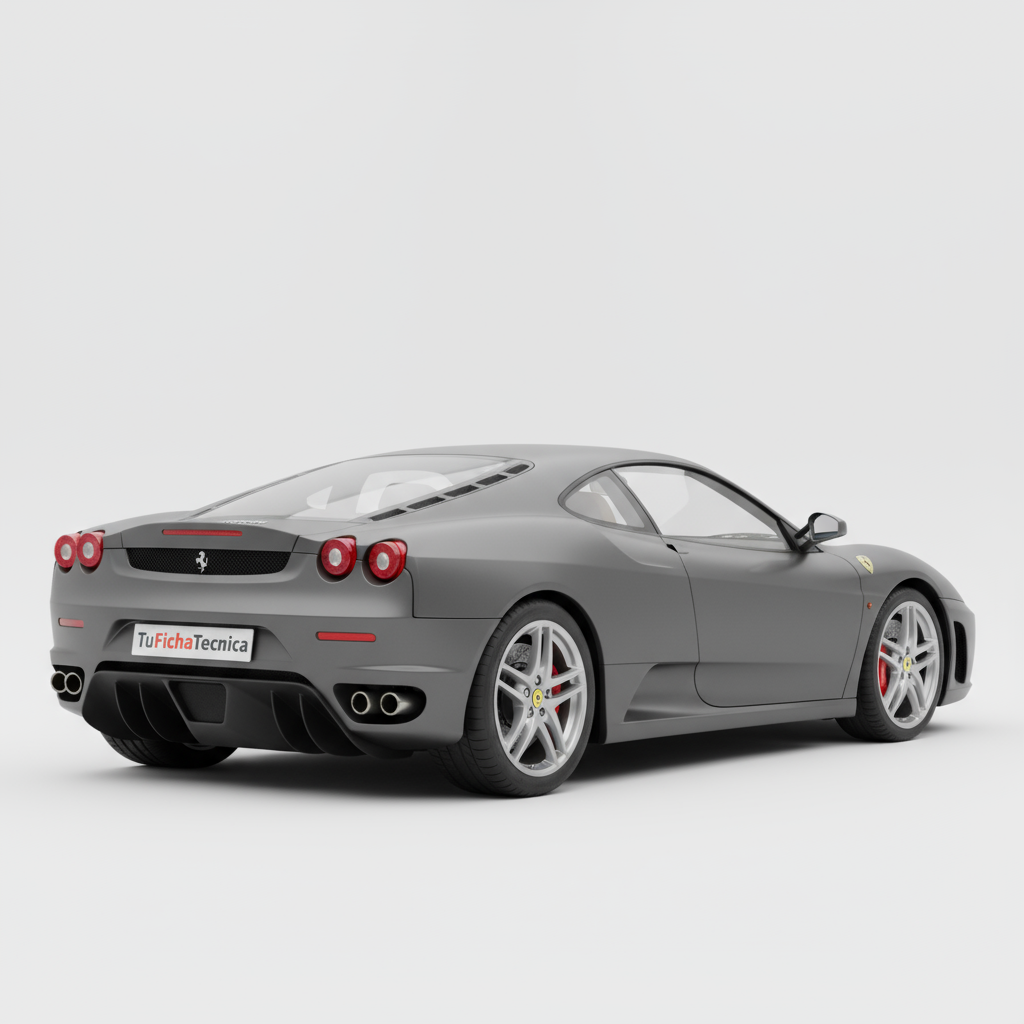
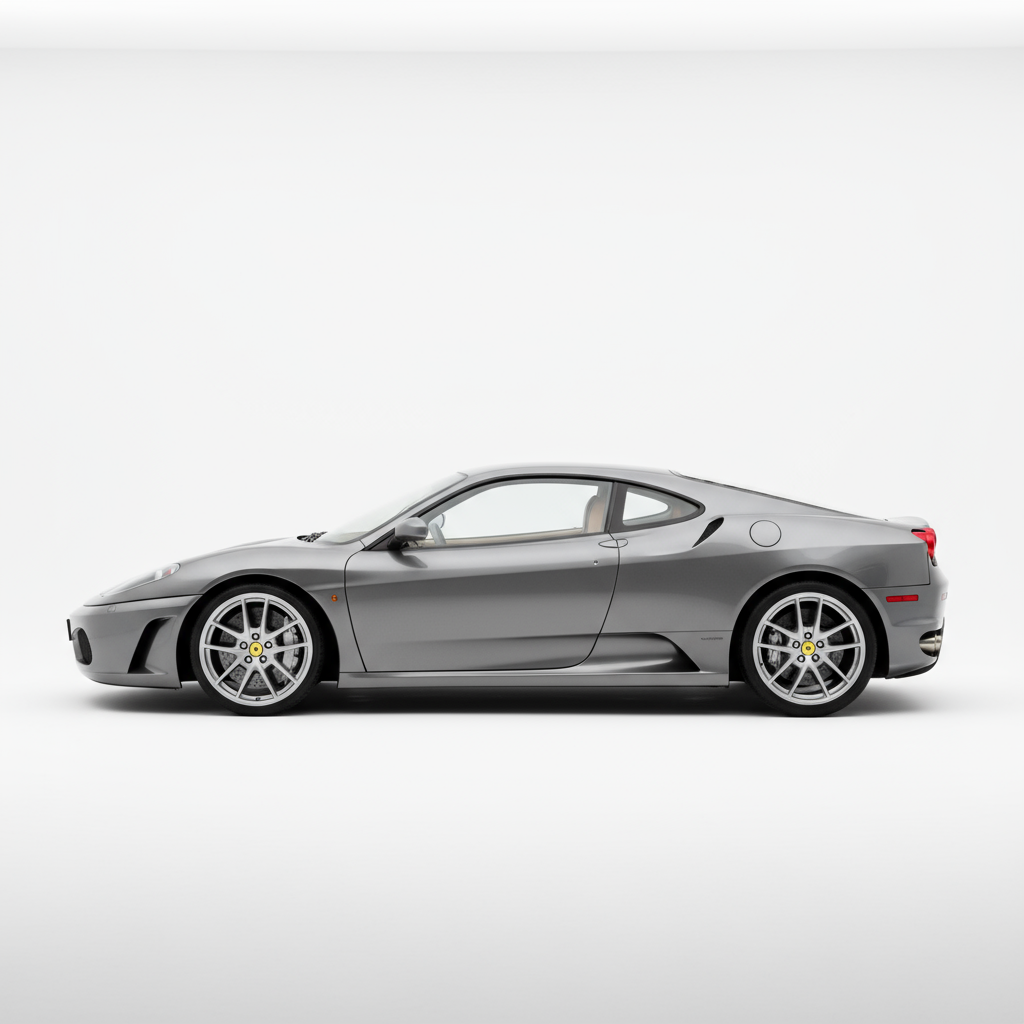
The bodywork, sculpted by Pininfarina, is a functional work of art. The aggressive front air intakes, inspired by the 156 F1 single-seater, and the taillights inherited from the Enzo, scream its racing lineage. But the real gem is the glass engine cover, which proudly displays the V8 like a piece of jewelry. There isn't a single angle that doesn't inspire speed and beauty, a perfect fusion of aerodynamics and Italian passion.
Technology and features
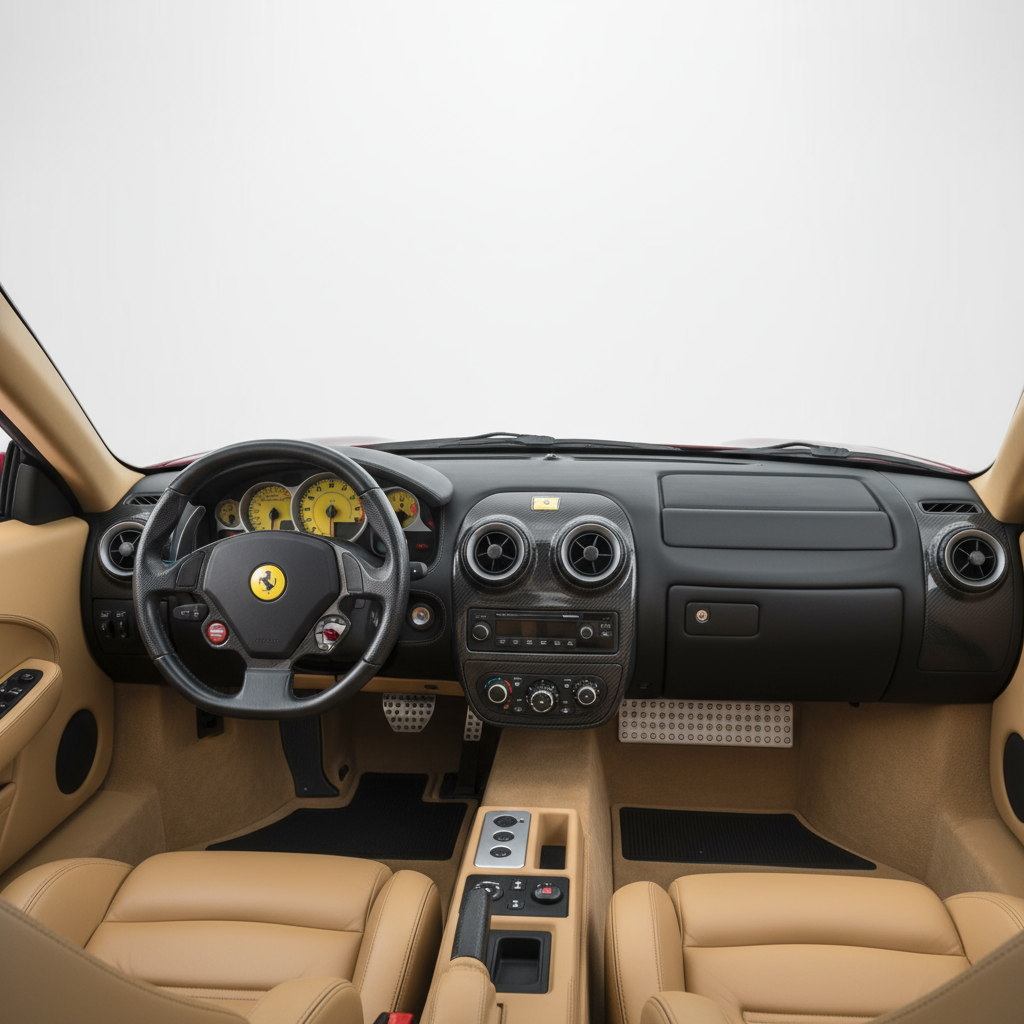
The F430 was a monumental technological leap for Ferrari. It was the first street car to incorporate the 'Manettino' on the steering wheel, a selector derived from F1 that allows adjusting the engine response, suspension, and above all, the E-Diff. This active electronic differential transformed the car's behavior, ensuring unprecedented traction and cornering agility. Its aluminum chassis and meticulously studied aerodynamics complete a technological package that felt ahead of its time.
Competition
In its time, the F430 faced titans like the Lamborghini Gallardo, its natural arch-enemy with which it shared Italian passion and a radically sporty approach. It also had to measure up against the efficiency and technical perfection of the Porsche 911 Turbo (997), which offered similar performance with a very different character. Other contenders like the Aston Martin V8 Vantage or the Audi R8 V8 tried to steal the spotlight, but the Ferrari's aura and connection to F1 were hard to match.
Conclusion
The Ferrari F430 is much more than the sum of its parts. It is one of the last great Ferraris with a mid-rear naturally aspirated V8 engine and a robotized gearbox, a bridge between the analog and digital eras. Driving it is an unforgettable experience, a mechanical symphony that connects you directly with the essence of sports driving. A future classic that today represents the pinnacle of a golden era for supercars.