

Especificaciones y análisis del Fiat Brava
Power
82HP
Torque
113Nm
Consumption
6.9l/100
Emissions
-g/km
0-100 km/h
13s
Top Speed
173km/h
Weight
1115kg
Price
11,630€
Technical summary
Gasolina
Manual 5v
FWD
5 / 5 doors
380 L
50 L
60 kW
Current
Technical specifications
Engine
Capacities
Detailed analysis of the Fiat Brava 80 16v SX · 82 CV (1998-2002)
General description
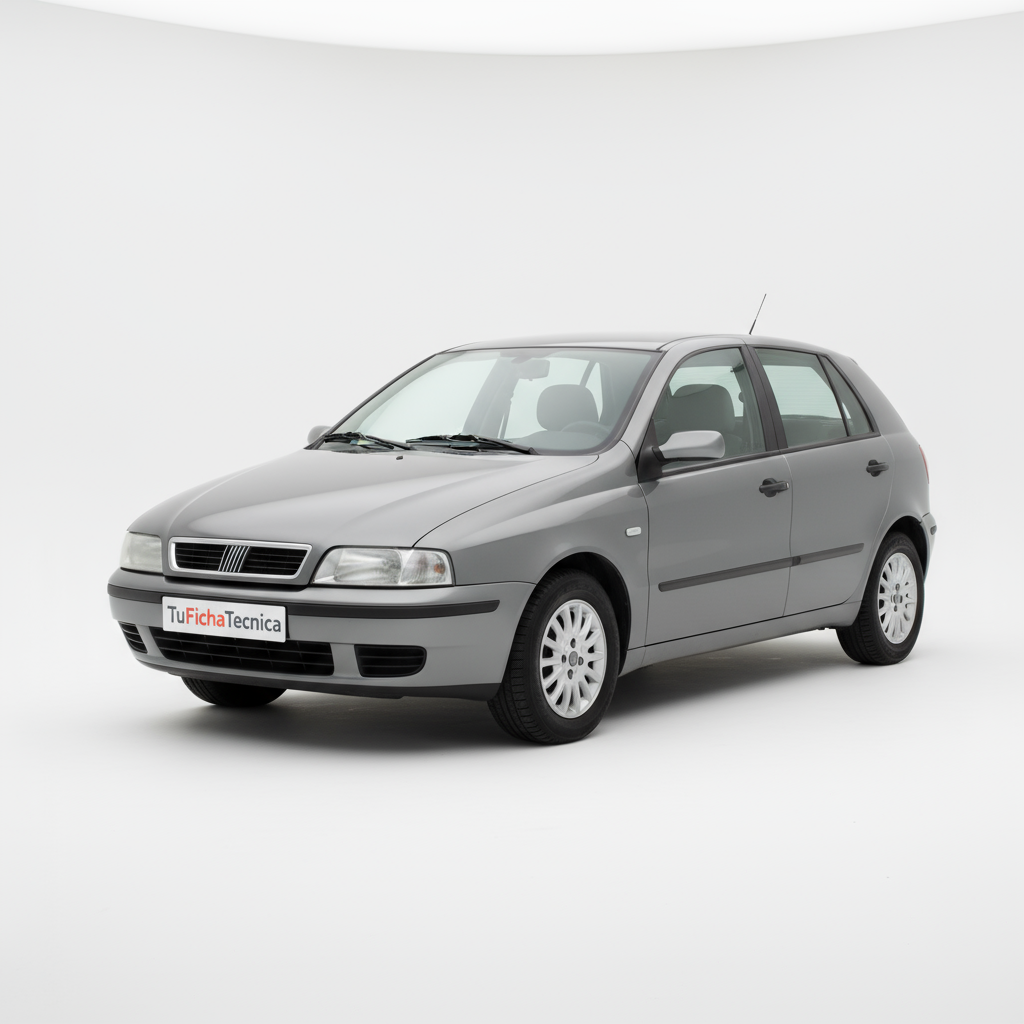
The Fiat Brava burst onto the scene in the late 90s as a breath of fresh air and Italian audacity in the competitive compact segment. It wasn't just a car; it was a statement of intent, a vehicle designed to excite and break from monotony, bringing the heart and style of Turin to the roads of Europe.
Driving experience
Driving the Brava 80 16v is an analog and rewarding experience. Its small 1.2-liter, 82-horsepower engine revs with contagious joy, begging to be pushed. Although its 13 seconds to reach 100 km/h is not impressive today, its lightness and direct steering connect you to the asphalt in a way that modern cars have forgotten. It's an agile, fun car on winding roads that makes you feel involved in the driving at every moment.
Design and aesthetics
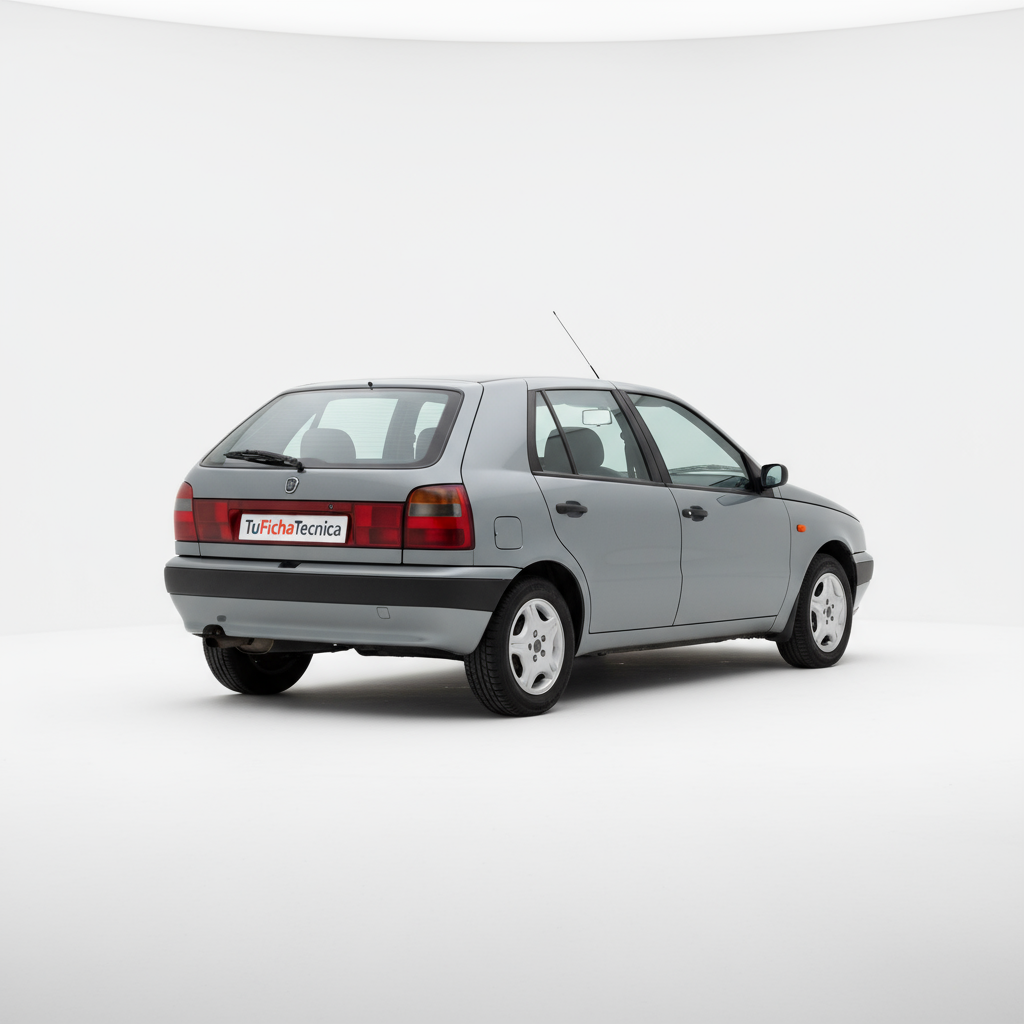
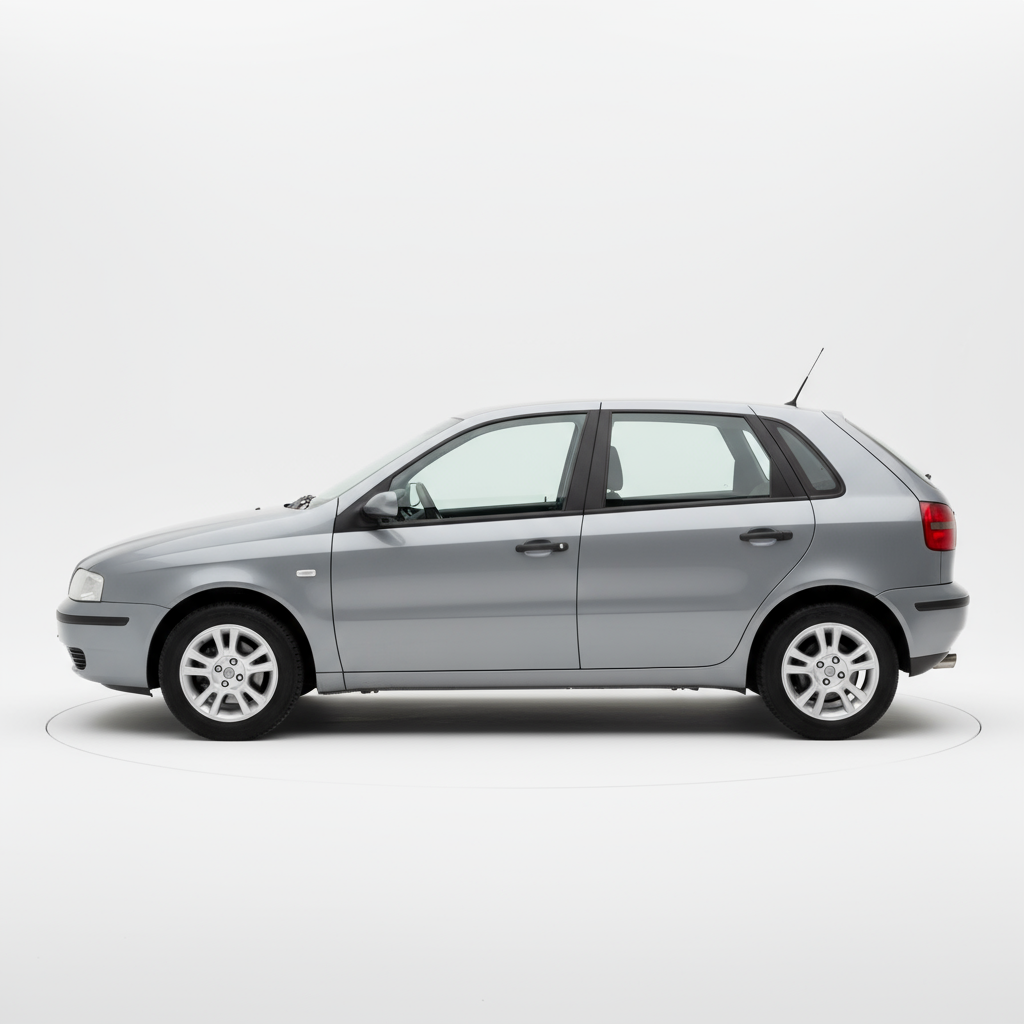
The design of the Fiat Brava is its soul and its most unforgettable feature. While its 3-door Bravo sibling seduced with its sportiness, the 5-door Brava opted for radical originality. Its rear, with those taillights split into three thin horizontal stripes, was a masterstroke that polarized opinions but is now recognized as a design icon of its era. It was a rolling sculpture that refused to be just another appliance.
Technology and features
Technologically, the Brava was a child of its time. Its greatest achievement was the multi-valve engine, a small engineering gem that offered lively performance with moderate consumption. The chassis, with stabilizer bars on both axles, sought a good dynamic compromise. However, in terms of safety or comfort equipment, it remained average for the segment, with rear drum brakes and without the electronic aids we take for granted today. Its technology was in the mechanics, not the electronics.
Competition
The battle in its segment was legendary. The Brava faced titans like the Volkswagen Golf IV, the king of perceived quality; the revolutionary first-generation Ford Focus, with its sublime chassis; the solid and reliable Opel Astra G; and the comfortable Renault Mégane. Against them, the Fiat Brava played the card of passionate design, a competitive price, and an unmistakably Latin character.
Conclusion
The Fiat Brava is much more than just a used car; it's a piece of Italian automotive history that dared to be different. It represents an era when design and emotion could prevail over cold logic. It may not have been the most reliable or the fastest, but it offered an overwhelming personality and a genuine driving experience. It's a car to remember and for those who understand that beauty is sometimes imperfect.