
Especificaciones y análisis del Fiat Multipla
Power
103HP
Torque
144Nm
Consumption
8.6l/100
Emissions
-g/km
0-100 km/h
12.6s
Top Speed
170km/h
Weight
1300kg
Price
14,695€
Technical summary
Gasolina
Manual 5v
FWD
6 / 5 doors
430 L
65 L
76 kW
Current
Technical specifications
Engine
Capacities
Detailed analysis of the Fiat Multipla 1.6 16v SX · 103 CV (1998-2000)
General description
The 1999 Fiat Multipla is not just a car; it's a statement of intent, a work of engineering that defied all aesthetic conventions to deliver unprecedented functionality. It's a vehicle that evokes intense emotions, with no middle ground: you either love it for its ingenuity or reject it for its appearance, but it will never leave you indifferent. It was born with the bold promise of accommodating six people and their luggage in less than four meters of length, a feat that marked a before and after in the concept of the compact minivan.
Driving experience
Driving a Multipla is an almost panoramic experience. The immense glass surface and the high driving position immerse you in the surroundings, creating a sense of space and visibility that few cars can match. Its 103-horsepower engine doesn't seek adrenaline but offers an honest and sufficient response to move the family with ease. The feel of the manual gearbox and the simplicity of its mechanics convey a direct, unfiltered connection, reminding us of an era when driving was a purer task focused on the journey.
Design and aesthetics
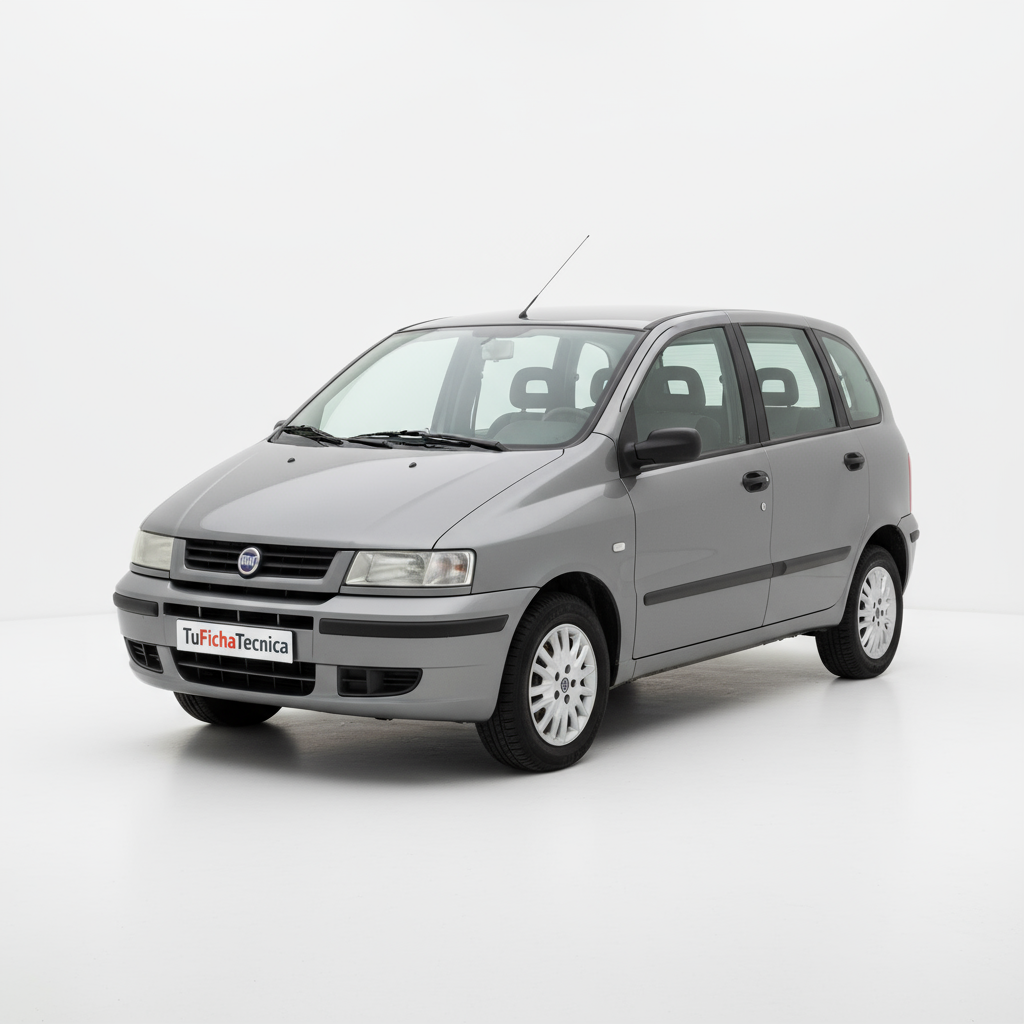
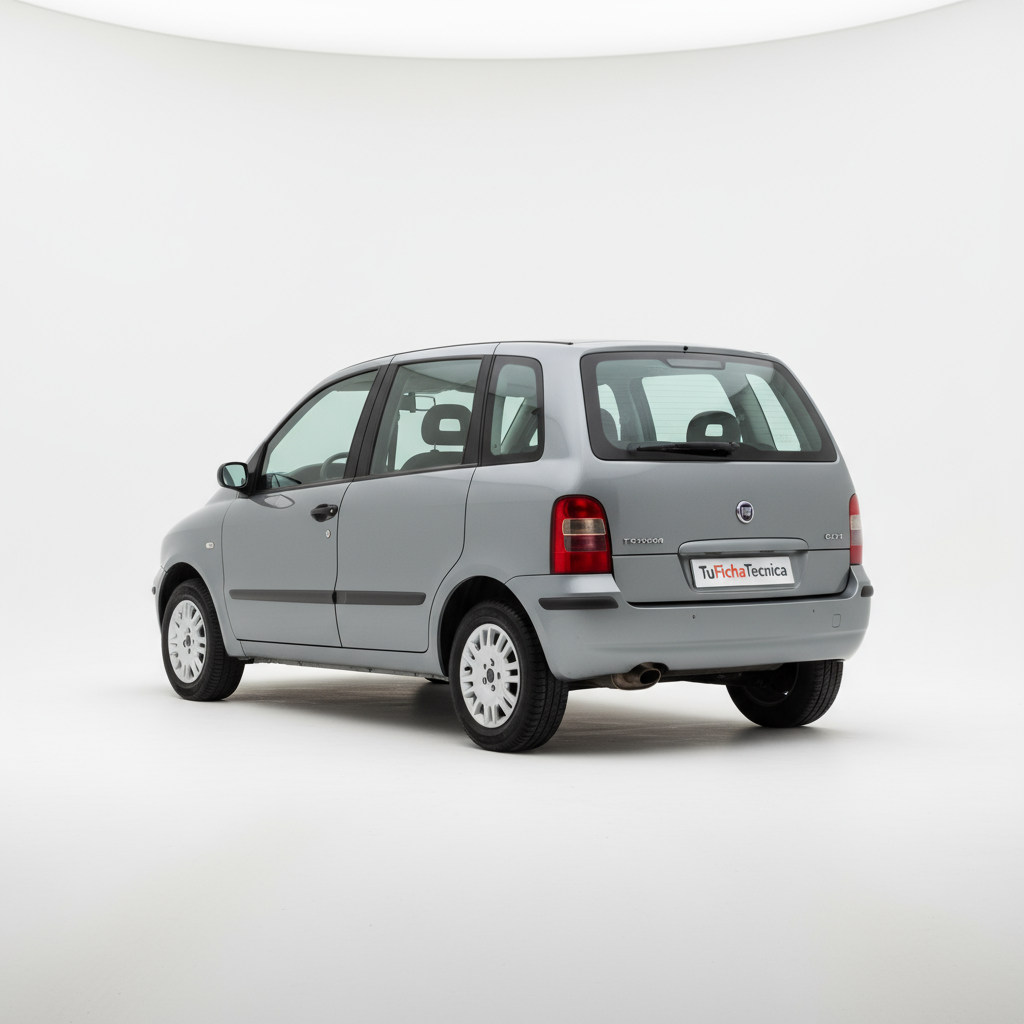
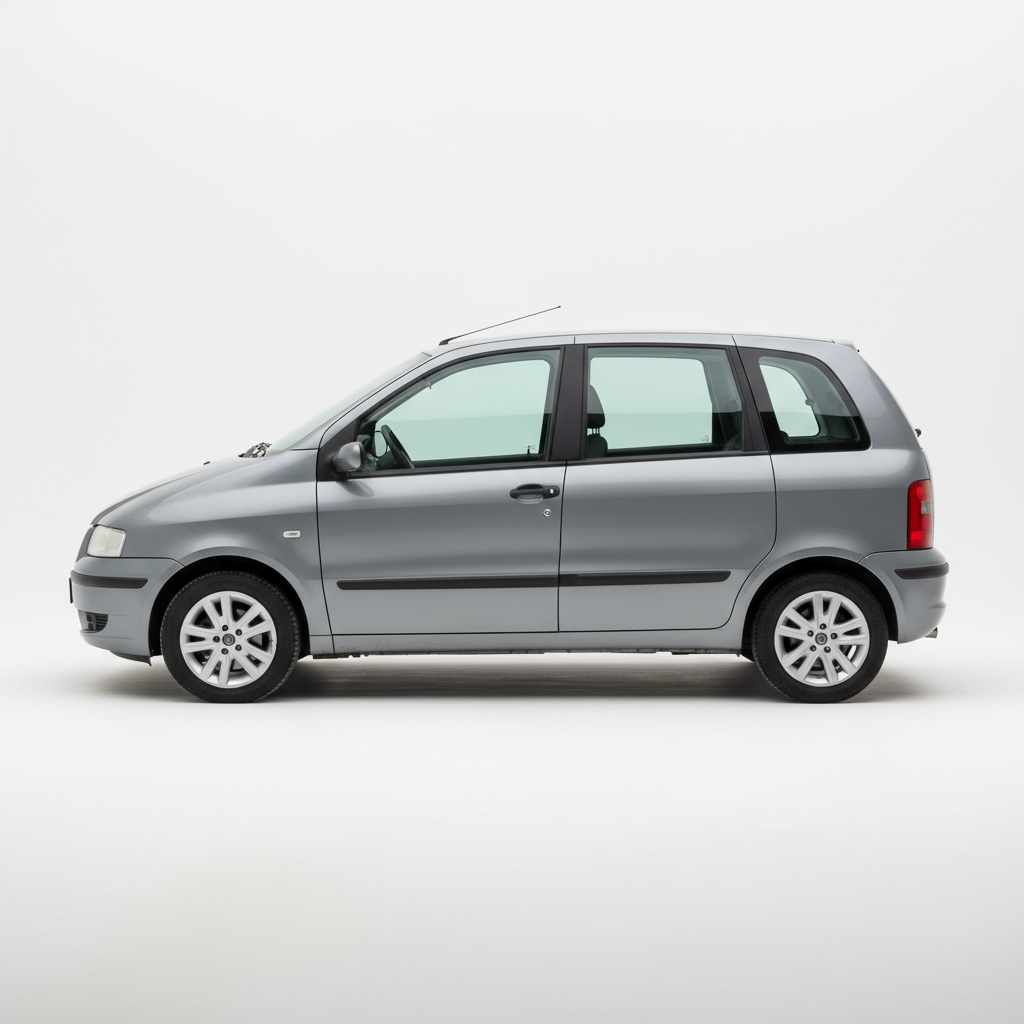
The design is its soul and its controversy. That two-tiered structure, with the famous 'step' housing the lights that earned it the nickname 'dolphin,' is the key to its genius. This shape, as criticized as it is studied, is the ultimate expression of the 'form follows function' principle. Its incredible width, disproportionate to its short length, is the secret to a spacious and sociable cabin. It's a brave design, a rolling sculpture that prioritized the well-being of its occupants over any standard of beauty, becoming an unforgettable icon.
Technology and features
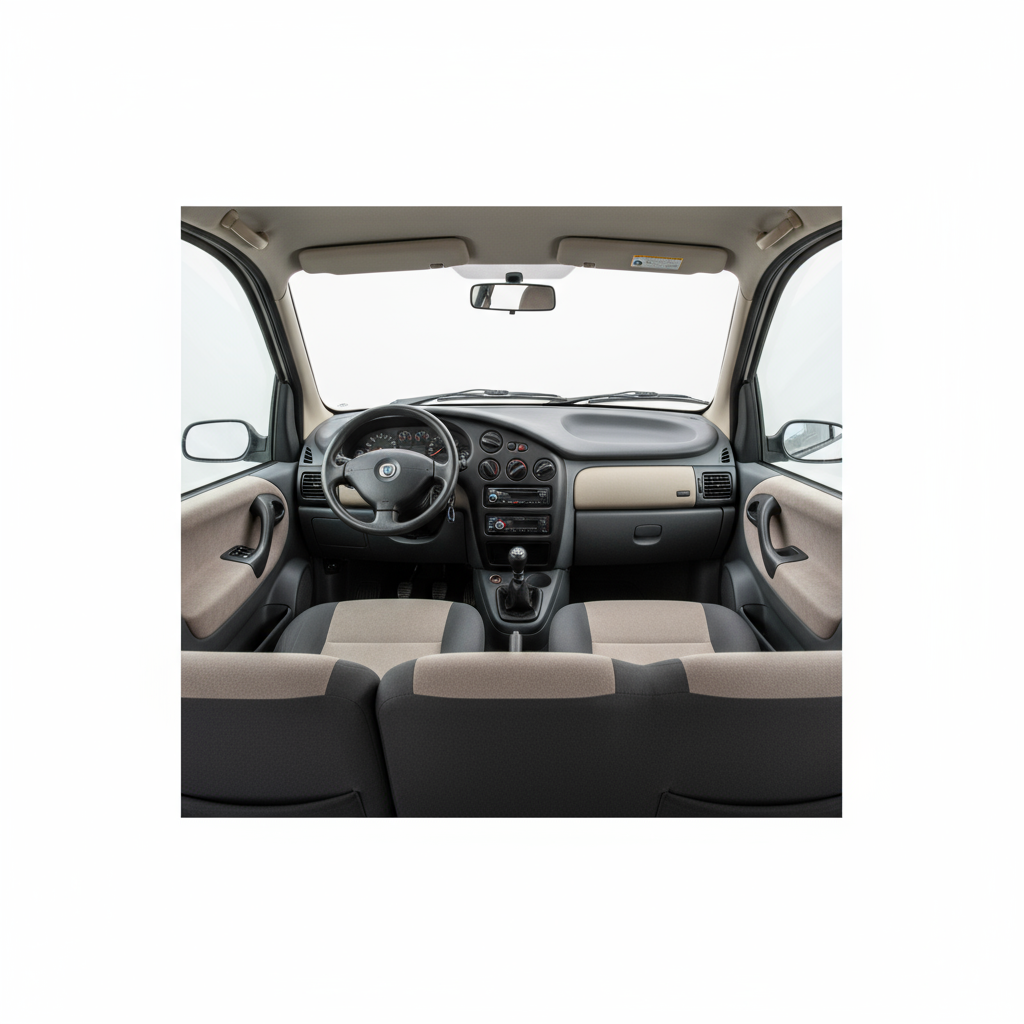
The Multipla's true technological innovation lies in its interior architecture. The 3+3 seating configuration, with all seats being individual and modular, was a revolutionary solution. The instrument cluster, grouped in a futuristic-looking central console, was designed to be visible to all front occupants, fostering a shared experience. Beyond this conceptual genius, its mechanical technology was simple and proven: an indirect injection engine, front disc brakes, and basic electronics, all in the service of reliability and low cost.
Competition
Finding a direct rival for the Multipla is almost impossible due to its unique six-seat configuration. However, it competed in the compact minivan segment against models like the Renault Scénic or the Citroën Xsara Picasso. While its competitors offered more conventional five or seven-seat solutions, the Multipla played in its own league, offering an interior width and on-board sociability that no other could replicate. Its real advantage was that 'rolling living room' feeling that made it unique.
Conclusion
The Fiat Multipla is much more than a peculiar car; it's a monument to audacity and design intelligence. It sacrificed conventional beauty to reach the pinnacle of functionality, creating a family vehicle that remains astonishingly practical and spacious. It's a car that sparks smiles and conversations, a reminder that innovation sometimes requires breaking all the rules. Its legacy is not that of a sales success, but that of a cult classic that proved there was another way to think about the automobile.