
Especificaciones y análisis del Ford B-MAX
Power
75HP
Torque
185Nm
Consumption
4.1l/100
Emissions
109g/km
0-100 km/h
16.5s
Top Speed
157km/h
Weight
1307kg
Price
17,550€
Technical summary
Gasóleo
Manual 5v
FWD
5 / 5 doors
318 L
48 L
55 kW
Current
Technical specifications
Engine
Capacities
Detailed analysis of the Ford B-MAX Titanium 1.5 TDCI 75 CV (2012)
General description
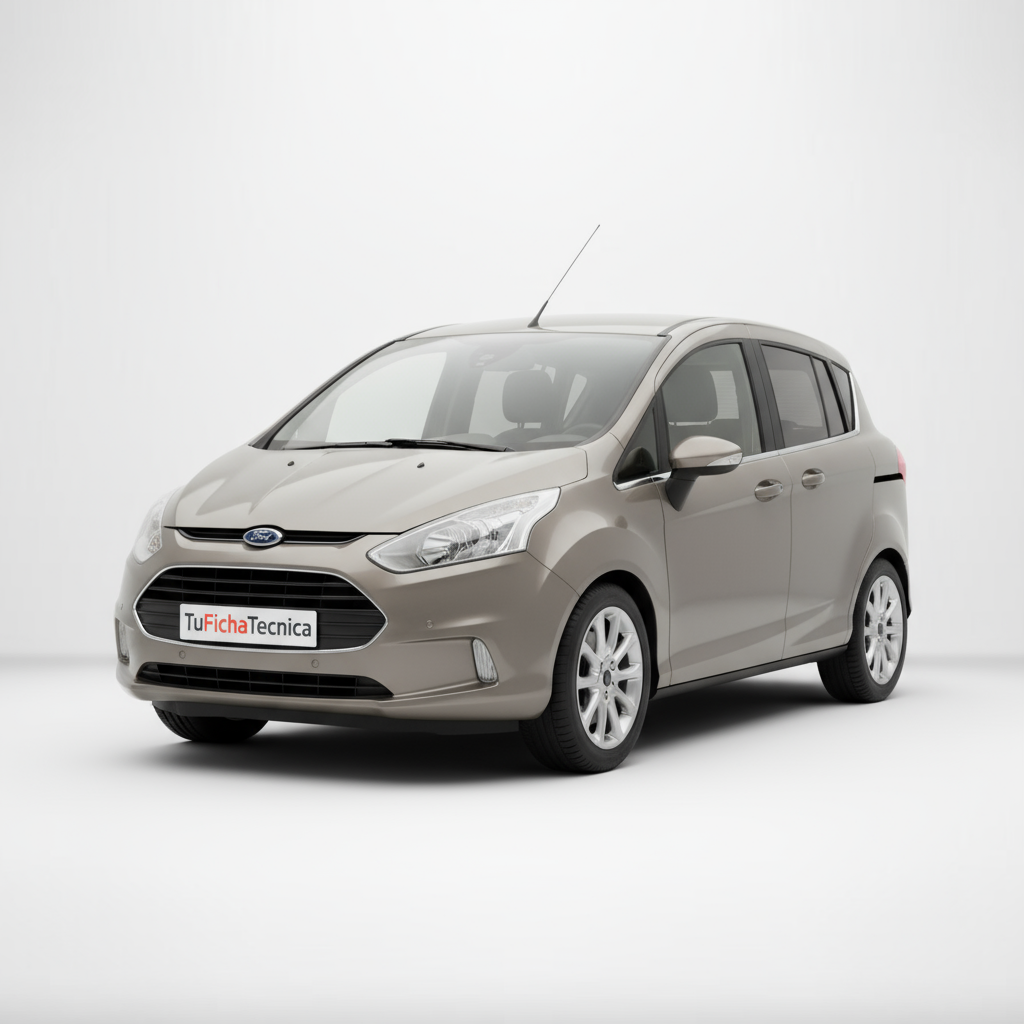
The 2012 Ford B-MAX is not just a compact MPV; it's a statement of intent. It was born from a brilliant idea: to eliminate the central pillar to create unprecedented access to the cabin. With its 75 HP 1.5 TDCI diesel engine, it was presented as the ultimate urban companion for the modern family, a vehicle that understands and solves everyday challenges with a solution that brings a smile to your face every time you open its doors.
Driving experience
Behind the wheel, the B-MAX conveys a sense of calm and control. Its 75 horsepower is not meant for breaking records, but for moving you smoothly and with admirable efficiency. The diesel engine responds with just enough capability for the city, where its agility and ease of driving shine. On the open road, it requires patience and anticipation, reminding you that its purpose is not speed, but a comfortable and serene journey. It's a car that invites you to enjoy the ride without rushing, a quiet refuge in the midst of the hustle and bustle.
Design and aesthetics
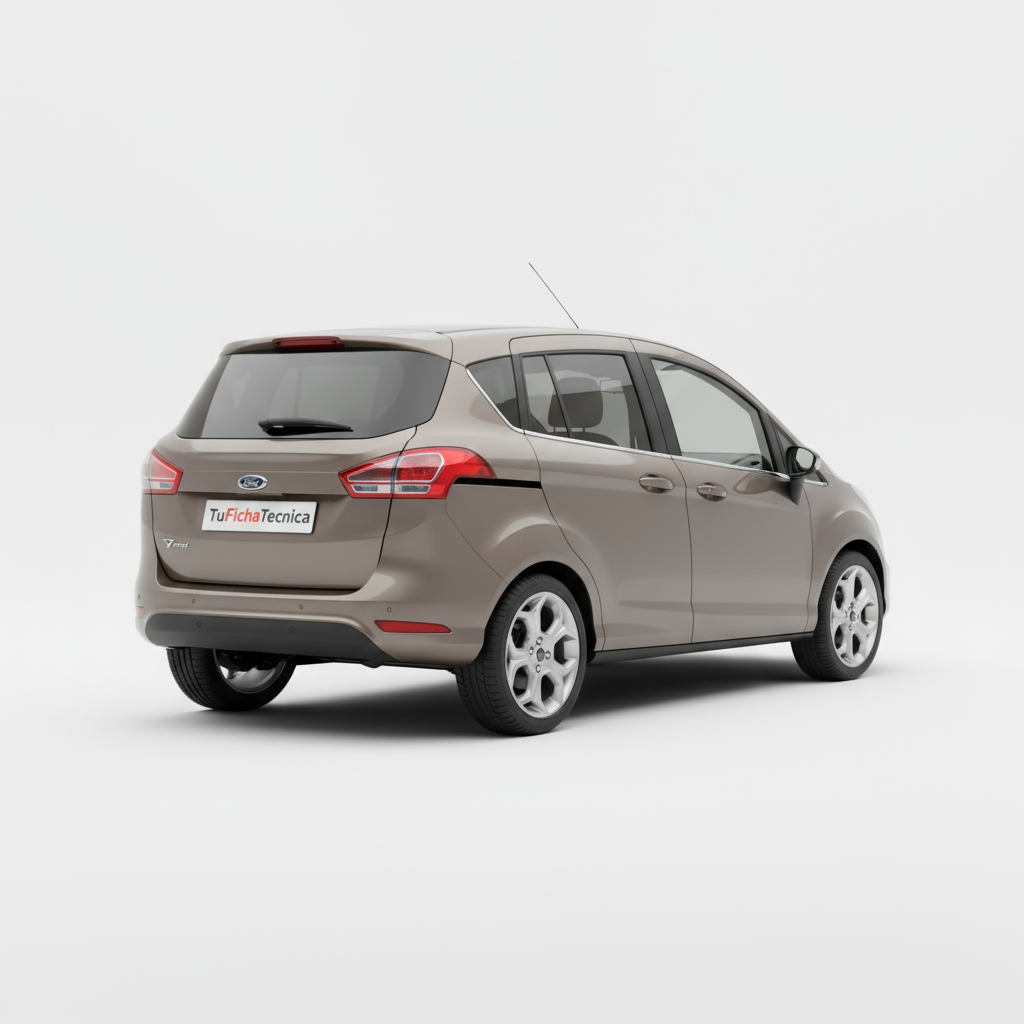
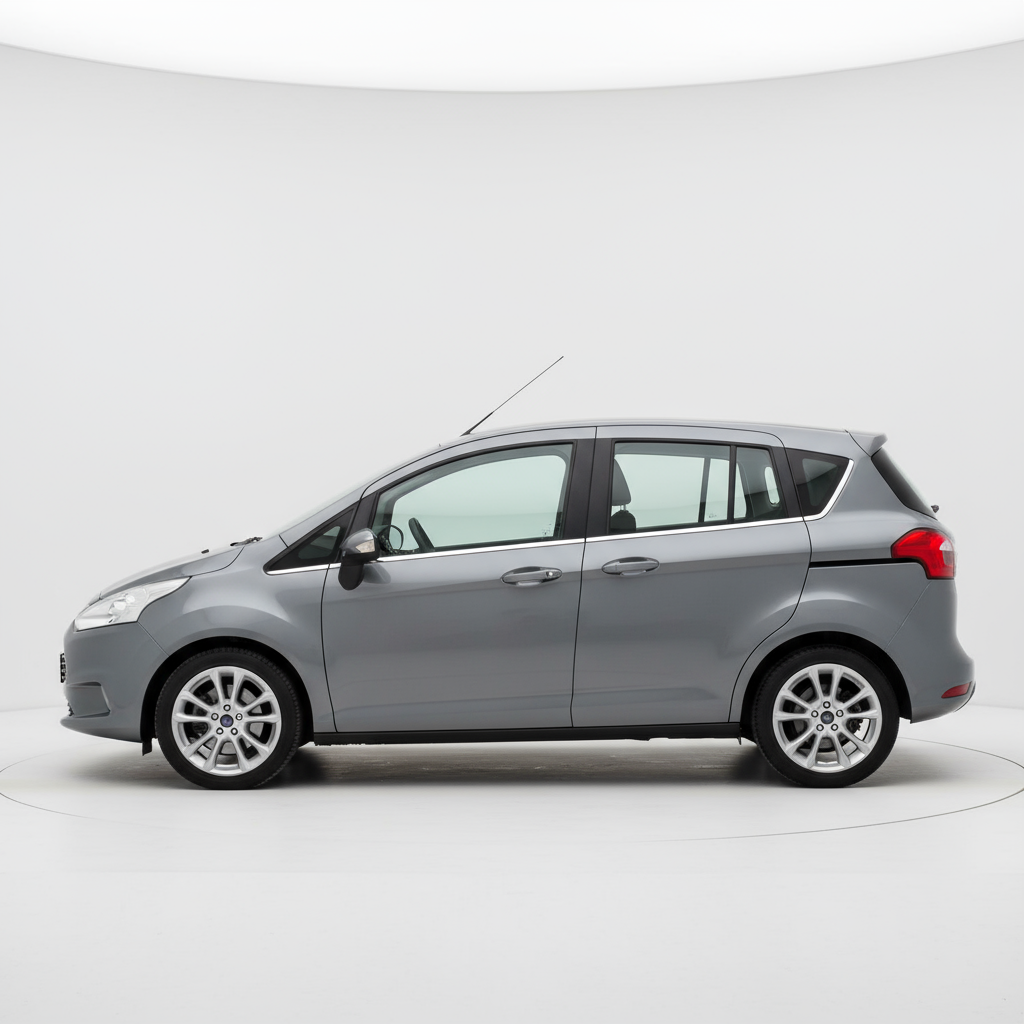
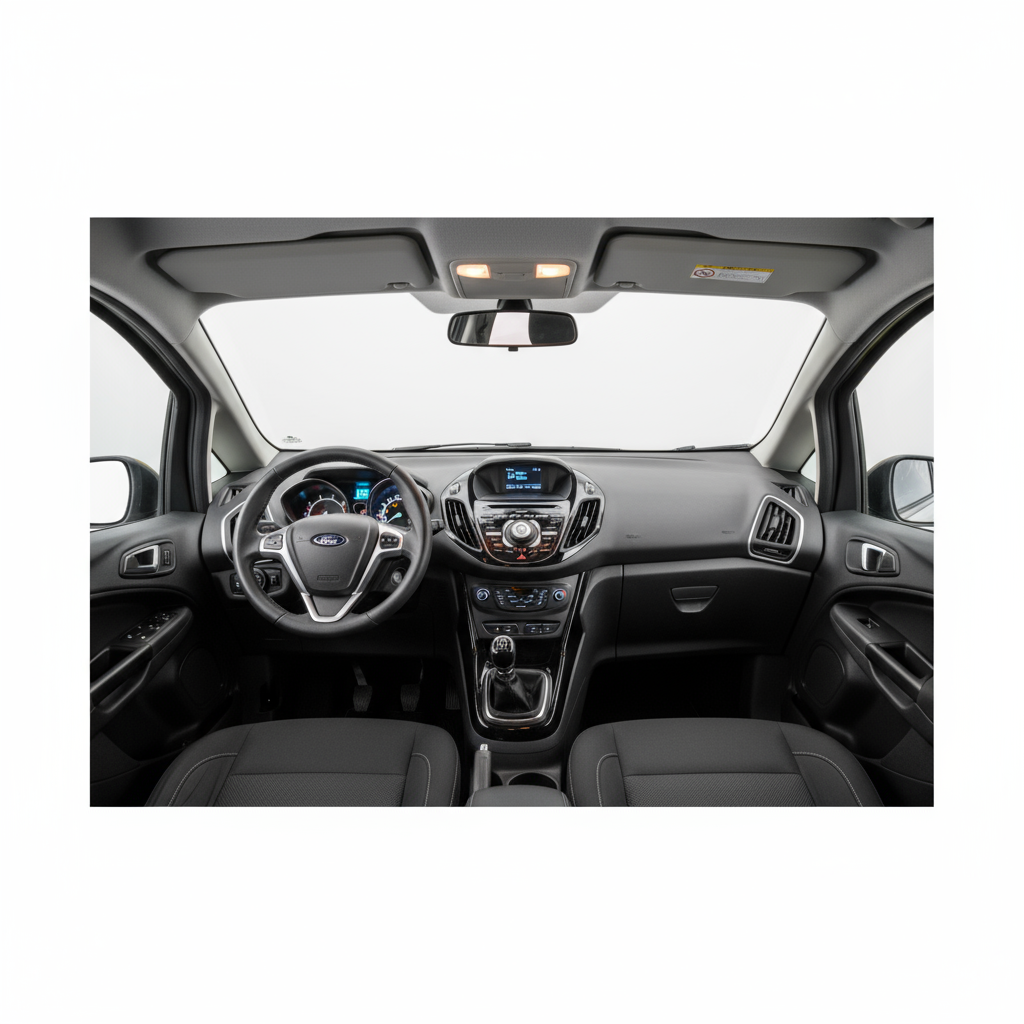
The design of the Ford B-MAX is pure functional intelligence. Its MPV silhouette hides its best-kept secret: the absence of the B-pillar. By simultaneously opening the front door and the sliding rear door, a huge 1.5-meter access space is revealed, completely transforming the experience of getting in, out, or placing a child seat. Inside, its dashboard, characteristic of Ford at that time, is functional and robust. It's not a car that screams for attention, but one that quietly wins you over with its overwhelming logic and practicality.
Technology and features
The B-MAX's greatest technological feat is not in a touchscreen, but in the engineering of its chassis and doors. Integrating the safety pillar into the doors themselves was a structural challenge masterfully solved. Beyond this innovation, the Titanium trim offered decent equipment for 2012, with comfort features that made life on board more pleasant. Its 1.5 TDCI engine, with common-rail direct injection, represented a modern and efficient powertrain, focused on reliability and low consumption.
Competition
In a very competitive segment, the B-MAX faced strong rivals like the Opel Meriva, which also embraced innovation with its rear-hinged doors, or the Citroën C3 Picasso, with its charisma and modularity. It also competed against the Nissan Note and the pair formed by the Hyundai ix20 and the Kia Venga. However, none could replicate the feeling of freedom and the clear access offered by the Ford's door system, its true and exciting hallmark.
Conclusion
The Ford B-MAX is one of those cars that leaves a mark, a brave attempt to reinvent the urban family car. Its 75 HP engine is an ally for savings, although modest in performance. But its true legacy is the genius of its pillarless design, a solution that prioritizes people above all else. It's a vehicle chosen with the head for its practicality, but that you end up loving with your heart for how much it simplifies life. A gem of everyday engineering.