
Especificaciones y análisis del Ford B-MAX
Power
105HP
Torque
150Nm
Consumption
6.4l/100
Emissions
149g/km
0-100 km/h
12.1s
Top Speed
180km/h
Weight
1308kg
Price
16,800€
Technical summary
Gasolina
Automático 6v
FWD
5 / 5 doors
318 L
48 L
77 kW
Current
Technical specifications
Engine
Capacities
Detailed analysis of the Ford B-MAX Trend 1.6 Ti-VCT 105 CV Powershift (2012)
General description
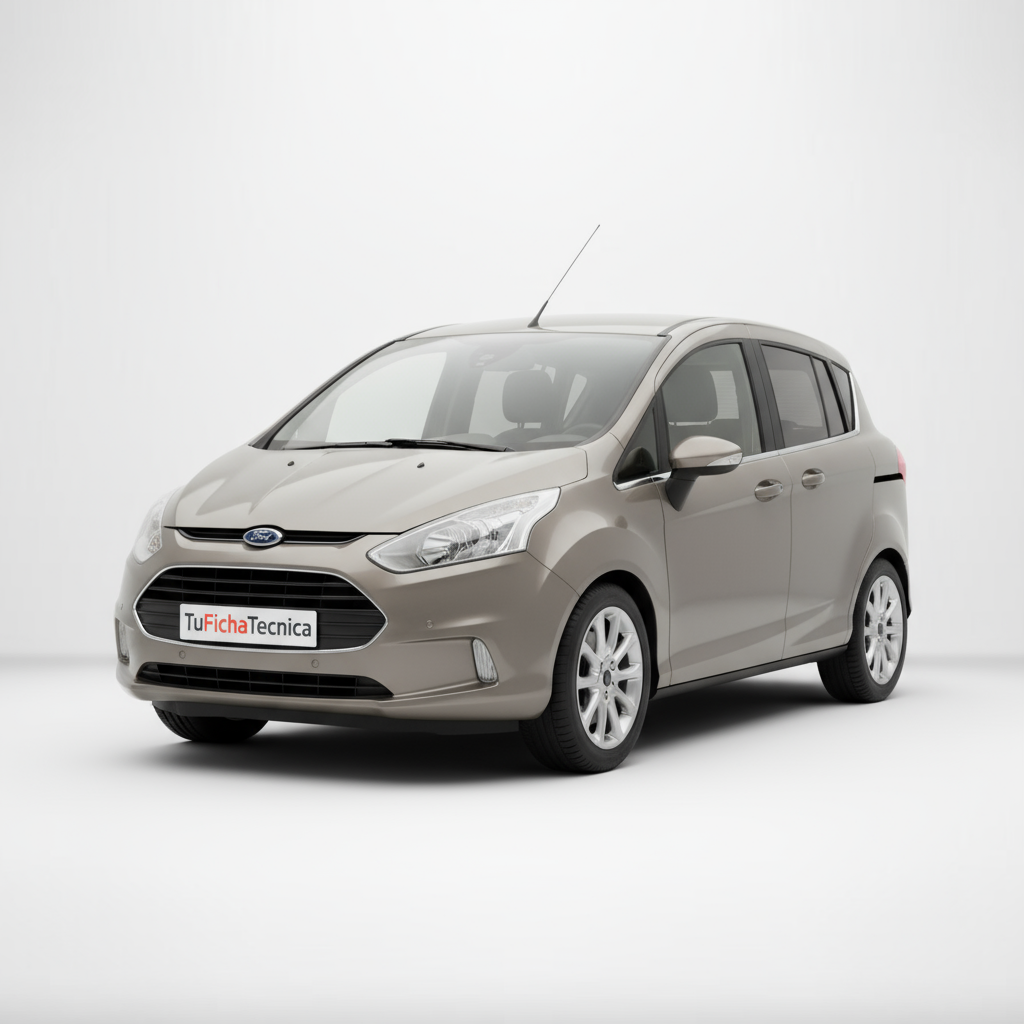
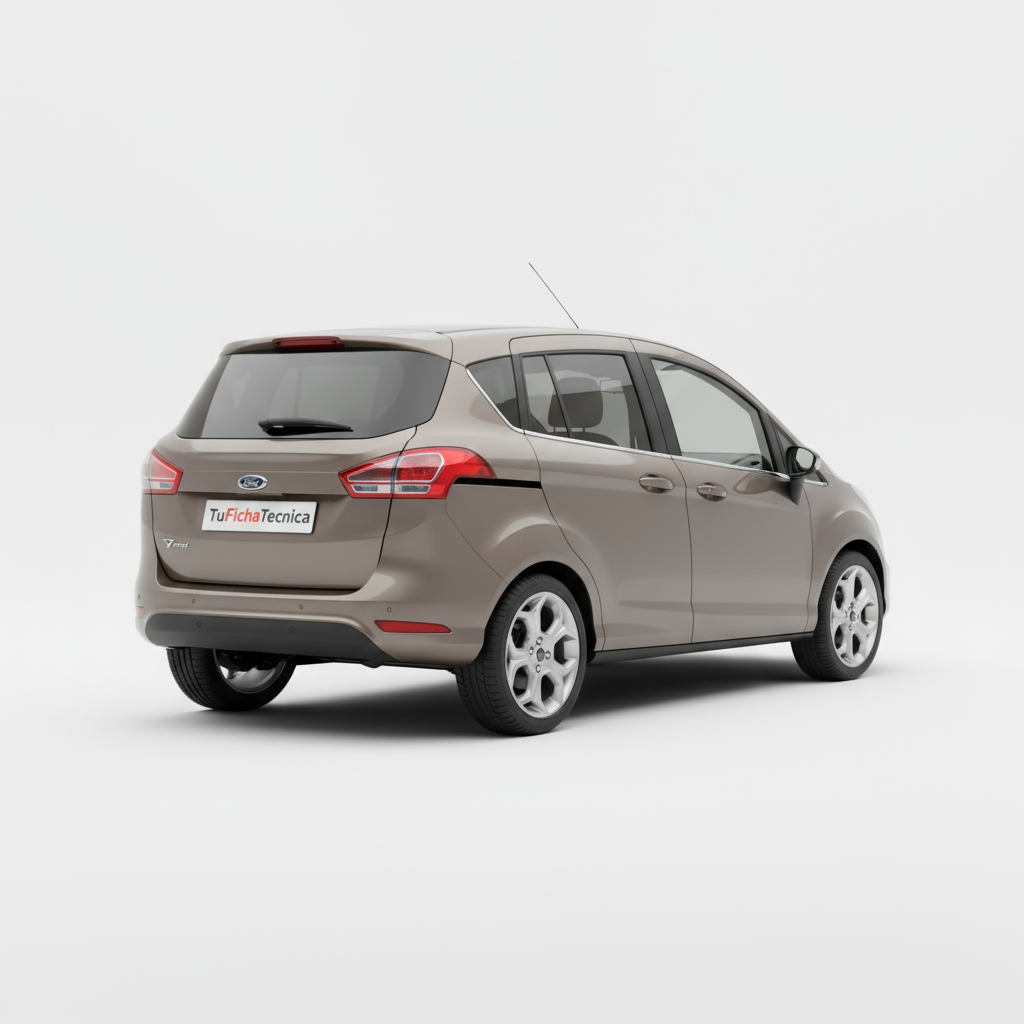
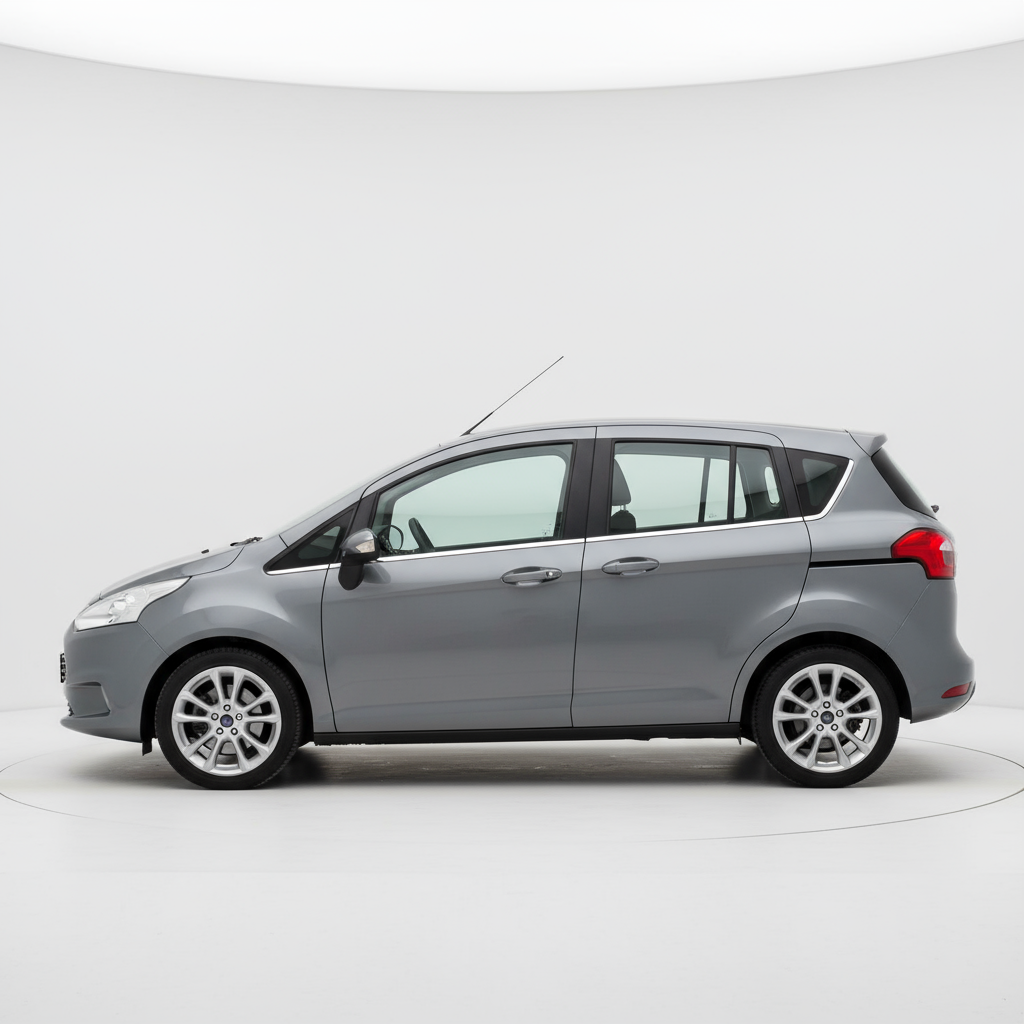
The 2012 Ford B-MAX is not just a compact MPV; it's a statement of intent on how a family car can be incredibly practical and accessible. With its 1.6-liter 105 hp gasoline engine and the smooth Powershift automatic gearbox, it was presented as an ingenious solution for urban life, standing out for a feature that made it unique in its class: the absence of the central pillar.
Driving experience
Behind the wheel, the B-MAX conveys a surprising sense of agility and comfort for its size. The 1.6 Ti-VCT engine, while not aiming for speed records, responds smoothly and progressively, ideal for city traffic. The dual-clutch Powershift transmission shifts almost imperceptibly, contributing to a relaxed drive. Its chassis, true to Ford's DNA, offers an admirable balance between passenger comfort and a secure, predictable footprint that inspires confidence in every corner.
Design and aesthetics
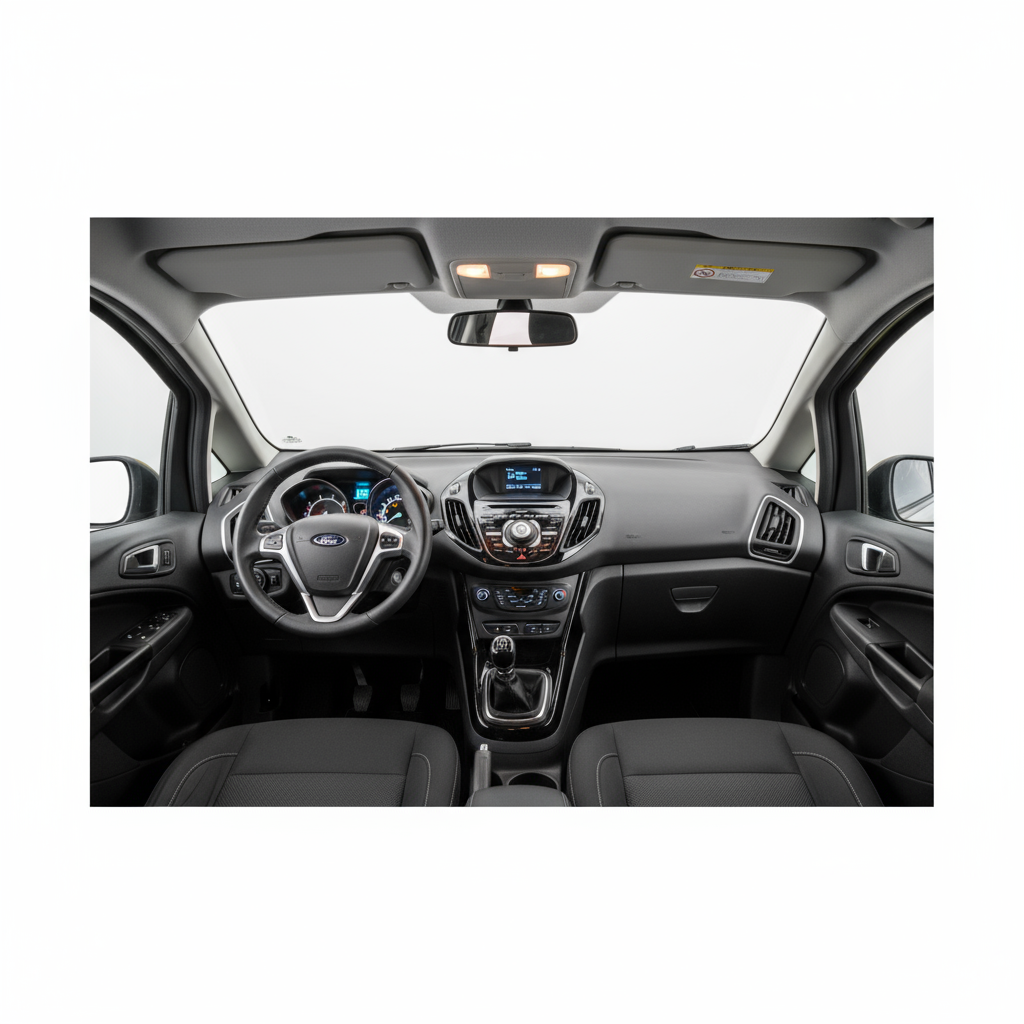
The B-MAX's design is an ode to intelligent functionality. Its compact MPV silhouette hides the real crown jewel: the Ford Easy Access door system. The combination of hinged front doors and sliding rear doors, without a B-pillar in the way, creates an unprecedented side opening that completely transforms the experience of getting in and out of the car, especially with children or in tight parking spaces. Inside, space is maximized, with a dashboard that, although dense with buttons, is functional and puts everything within the driver's reach.
Technology and features
Although it's a 2012 model, the B-MAX incorporated technologies designed to make life on board easier. The Ti-VCT engine with variable valve timing and the six-speed Powershift automatic gearbox represented a modern combination that sought efficiency and smoothness. In the cabin, systems like Ford SYNC allowed control of audio and phone functions via voice commands, a significant advancement for its time in its segment. The electric power steering completed a technological package focused on everyday comfort and safety.
Competition
In a competitive market of small MPVs, the B-MAX faced strong rivals. The Opel Meriva, with its own reverse-opening door system, was its most direct competitor in terms of access innovation. Others like the Citroën C3 Picasso played the card of modularity and interior brightness, while the Nissan Note and Fiat 500L offered their own interpretations of space and style. Against them, the B-MAX defended its position with superior driving dynamics and the most radical and practical access solution in the segment.
Conclusion
The Ford B-MAX is much more than a simple family car; it's a brilliant engineering exercise that solved a real problem in a bold and effective way. Its pillarless door system was not a mere marketing gimmick, but a tangible advantage that made it one of the most accessible and comfortable vehicles in its class. Combined with agile handling and a versatile interior, the B-MAX is remembered as an exceptionally intelligent and human-centric option, a car designed from the people outwards.