
Especificaciones y análisis del Ford Fiesta
Power
75HP
Torque
140Nm
Consumption
4.5l/100
Emissions
-g/km
0-100 km/h
13.2s
Top Speed
150km/h
Weight
-kg
Price
12,200€
Technical summary
Gasóleo
Manual 5v
FWD
5 / 3 doors
250 L
40 L
55 kW
Current
Technical specifications
Engine
Capacities
Detailed analysis of the Ford Fiesta Ambiente 120g CO2 1.8 TDdi 3p · 75 CV (2000-2002)
General description
The late 90s Ford Fiesta is not just a car; it's the memory of an era. A faithful companion for thousands of drivers seeking a practical, economical, and charismatic vehicle. This Fiesta with its TDdi diesel engine represents the essence of uncomplicated mobility, a first car, a second family vehicle, always ready for the everyday adventure.
Driving experience
Driving this Fiesta is an authentic, unfiltered experience. Its 75 diesel horsepower doesn't aim for speed records, but it delivers its power honestly from low revs, accompanied by the characteristic and robust sound of the TDdi engine. The direct steering and simple suspension connect you to the asphalt, reminding you that driving can be a simple and pleasant act, especially in the city, its natural habitat.
Design and aesthetics
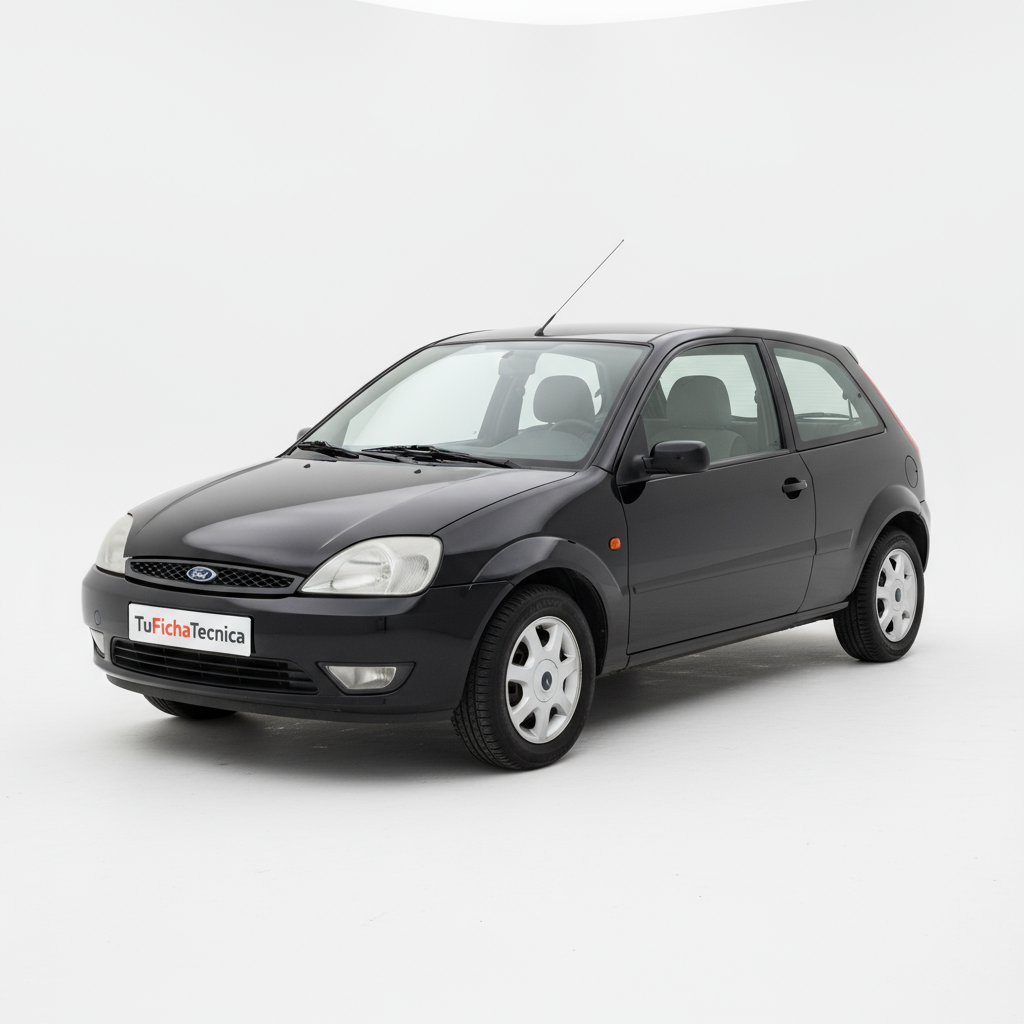
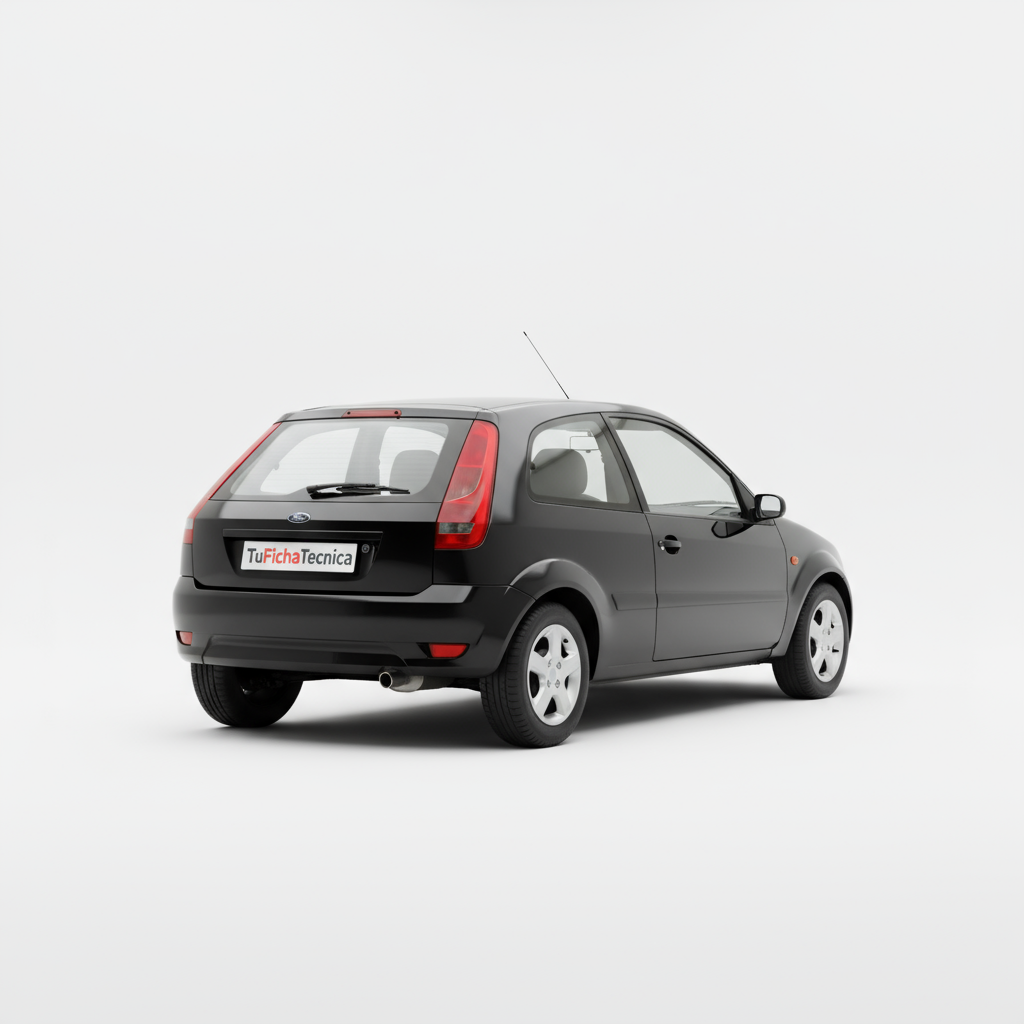
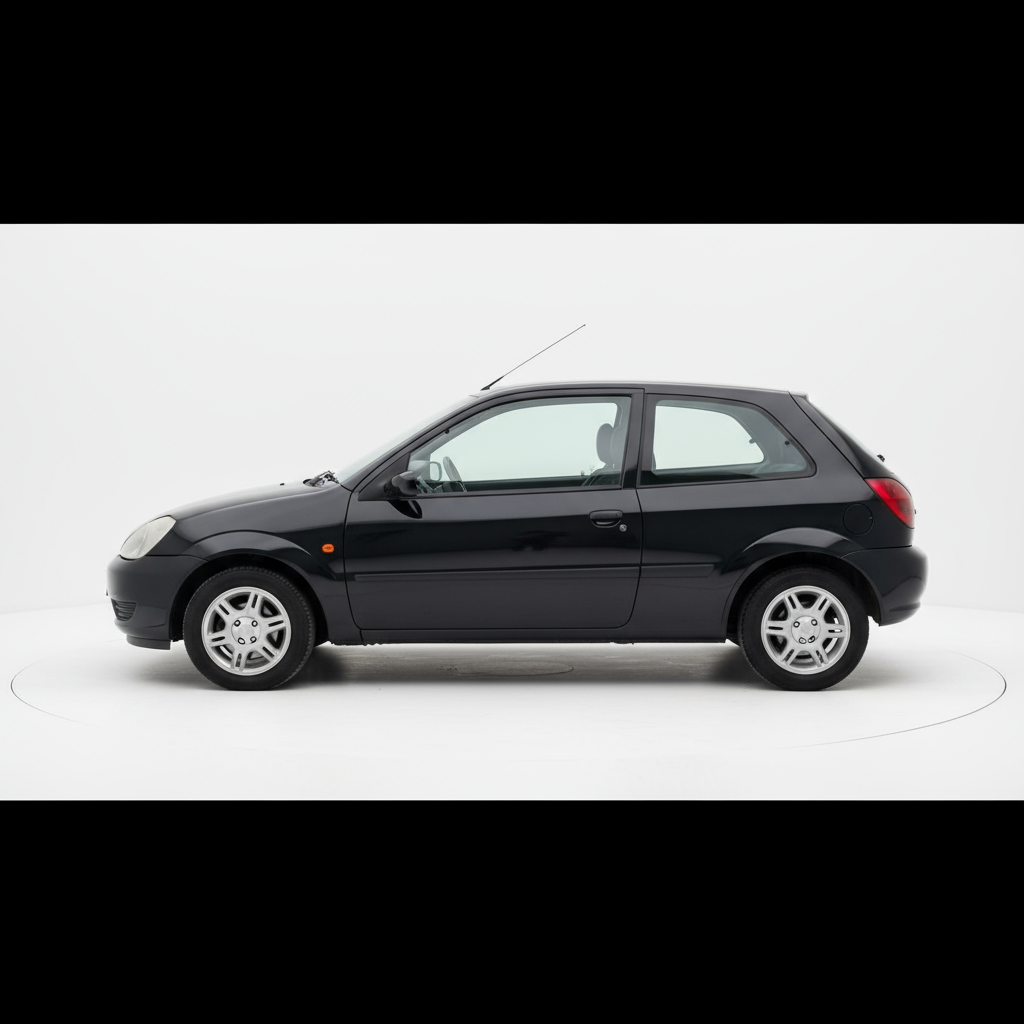
Its design is a time capsule. The rounded and friendly shapes of Ford's 'New Edge' design are embodied in a 3-door body that gives it a youthful and dynamic touch. It doesn't try to impress, but to please. It's a familiar, functional, and understated aesthetic that has aged with the dignity of well-made objects, evoking a smile of familiarity as it passes by.
Technology and features
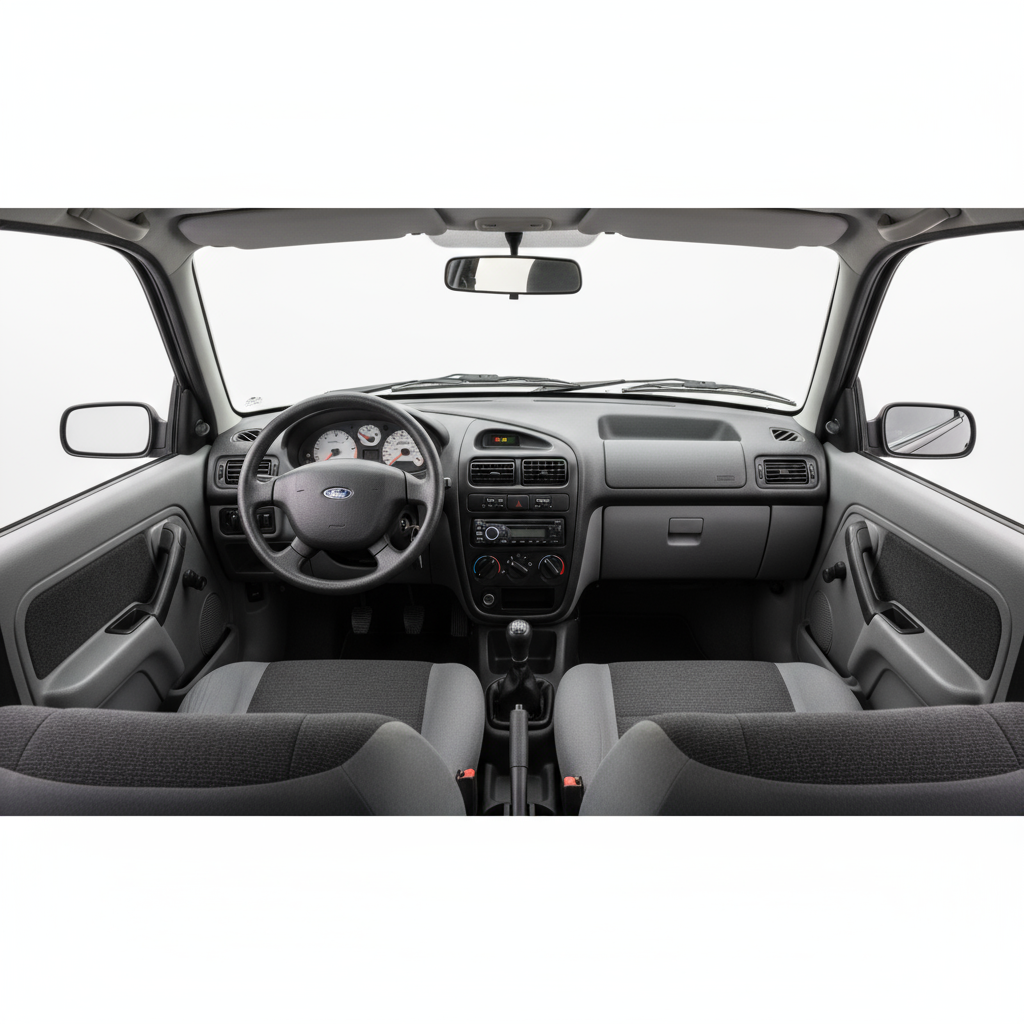
The technology here lies in its mechanical heart. The 1.8 TDdi engine with direct injection and a turbo was an efficient and modern solution for its time, focused on offering very low fuel consumption. Beyond that, the experience is purely analog: a five-speed manual gearbox, a clear instrument cluster, and the absence of today's screens and assists. It's the technology of the essential, of what doesn't fail.
Competition
In its heyday, this Fiesta competed in a fiercely contested market. Its main rivals were European icons like the Peugeot 206, Renault Clio, Opel Corsa, and SEAT Ibiza. Each with its own personality, they fought to conquer the cities and the hearts of drivers looking for a versatile and reliable utility car.
Conclusion
This Ford Fiesta is much more than just metal and engine; it's a symbol of durability and common sense. A car that prioritized low running costs and a bombproof mechanical setup over luxury or performance. It represents a way of understanding the automobile that seems distant today: simple, honest, and profoundly human. A popular classic that continues to roll on in our memories and on many of our roads.