
Especificaciones y análisis del Ford Focus
Power
90HP
Torque
200Nm
Consumption
5.4l/100
Emissions
-g/km
0-100 km/h
12.5s
Top Speed
180km/h
Weight
1280kg
Price
17,180€
Technical summary
Gasóleo
Manual 5v
FWD
5 / 5 doors
350 L
55 L
66 kW
Current
Technical specifications
Engine
Capacities
Detailed analysis of the Ford Focus 5p Trend 1.8 TDdi 90cv (1998-2005)
General description
The 1998 Ford Focus was not just a car; it was a statement of intent that shook the foundations of the compact segment. It arrived to replace the veteran Escort and did so with a boldness that left everyone speechless. Remembering its launch is to evoke a sense of the future, a design that broke with everything established, and a promise of dynamism that would change the rules of the game forever.
Driving experience
Getting behind the wheel of the Focus was to discover a new world of sensations in a family car. Its 90-horsepower 1.8 TDdi engine, though modest in numbers, pushed with an honesty and torque that made it capable for daily use. But the real magic lay in its chassis. The 'Control Blade' multi-link rear suspension was a work of art that glued the car to the asphalt in corners with an agility and confidence unthinkable for its rivals. Every turn of the steering wheel translated into a precise and communicative response, creating a unique connection between the driver and the road that made you smile.
Design and aesthetics
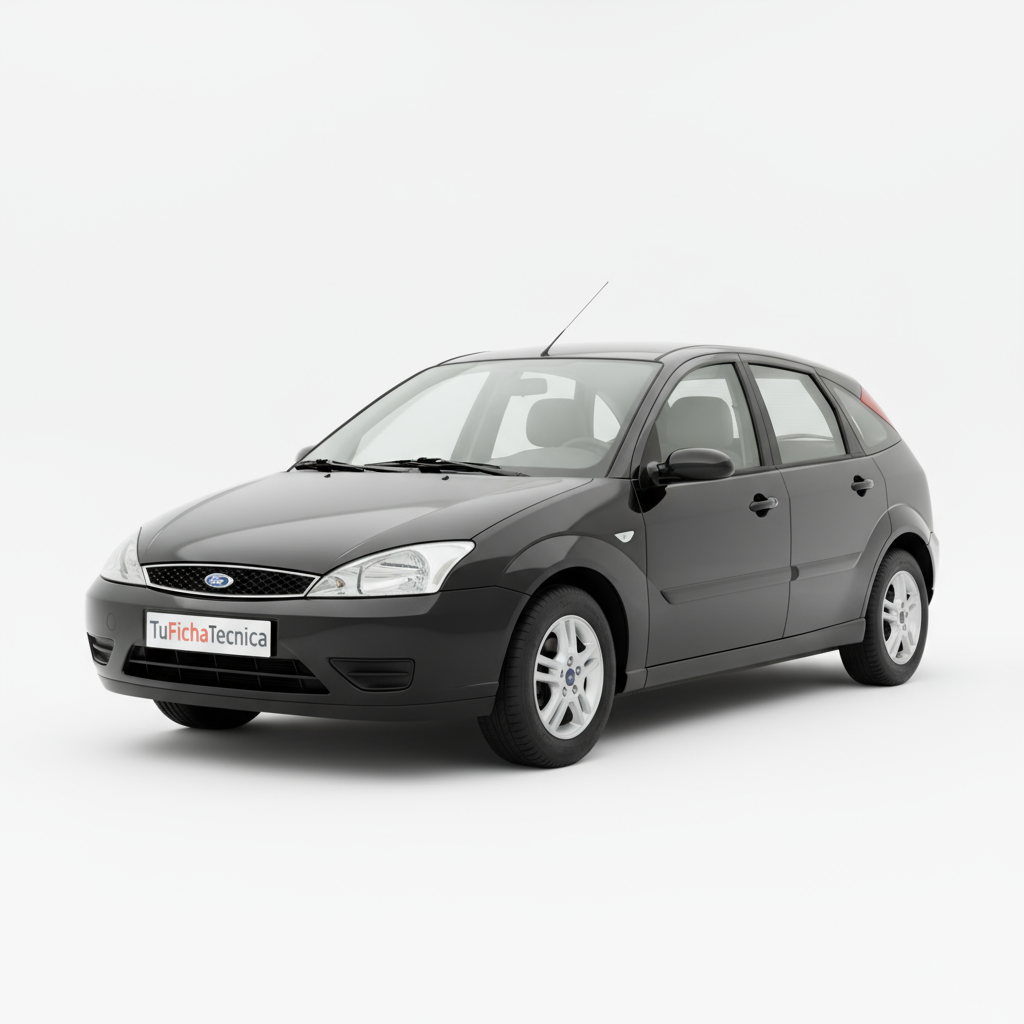
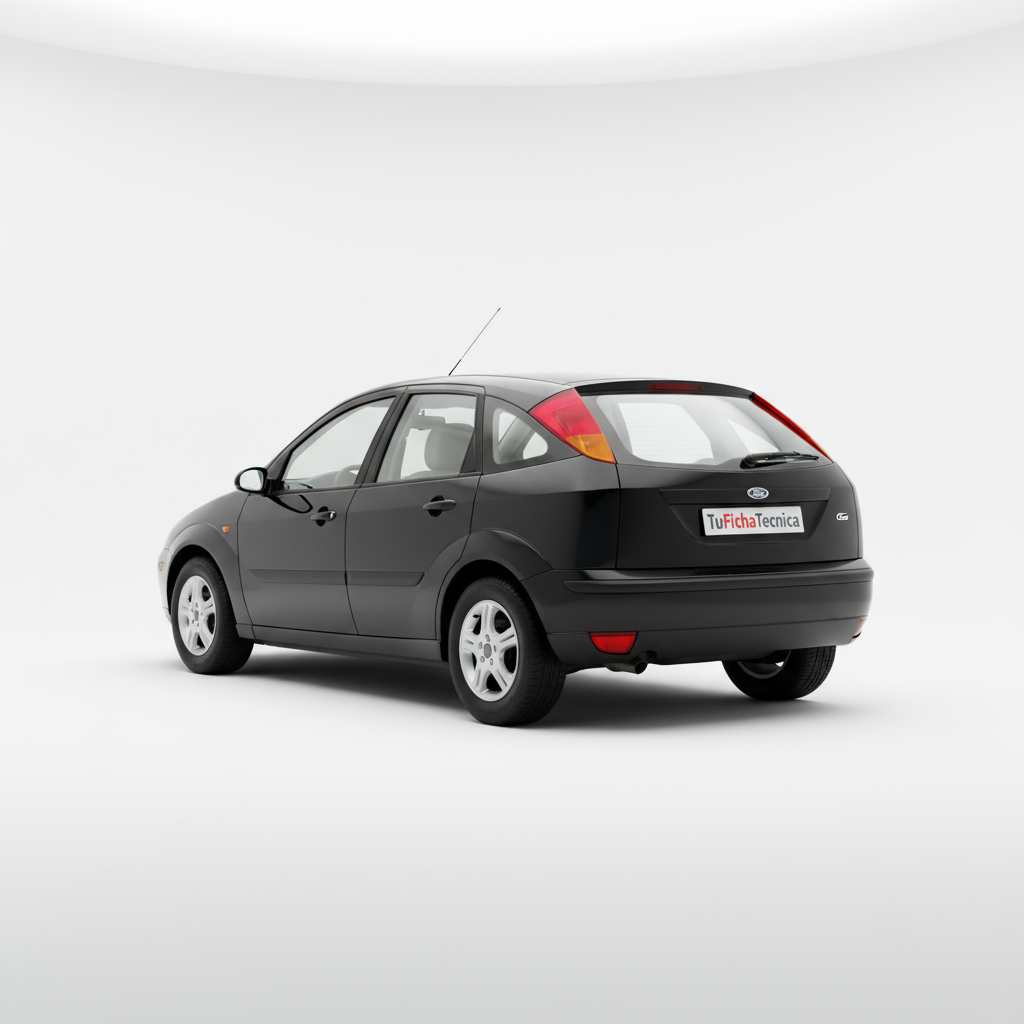
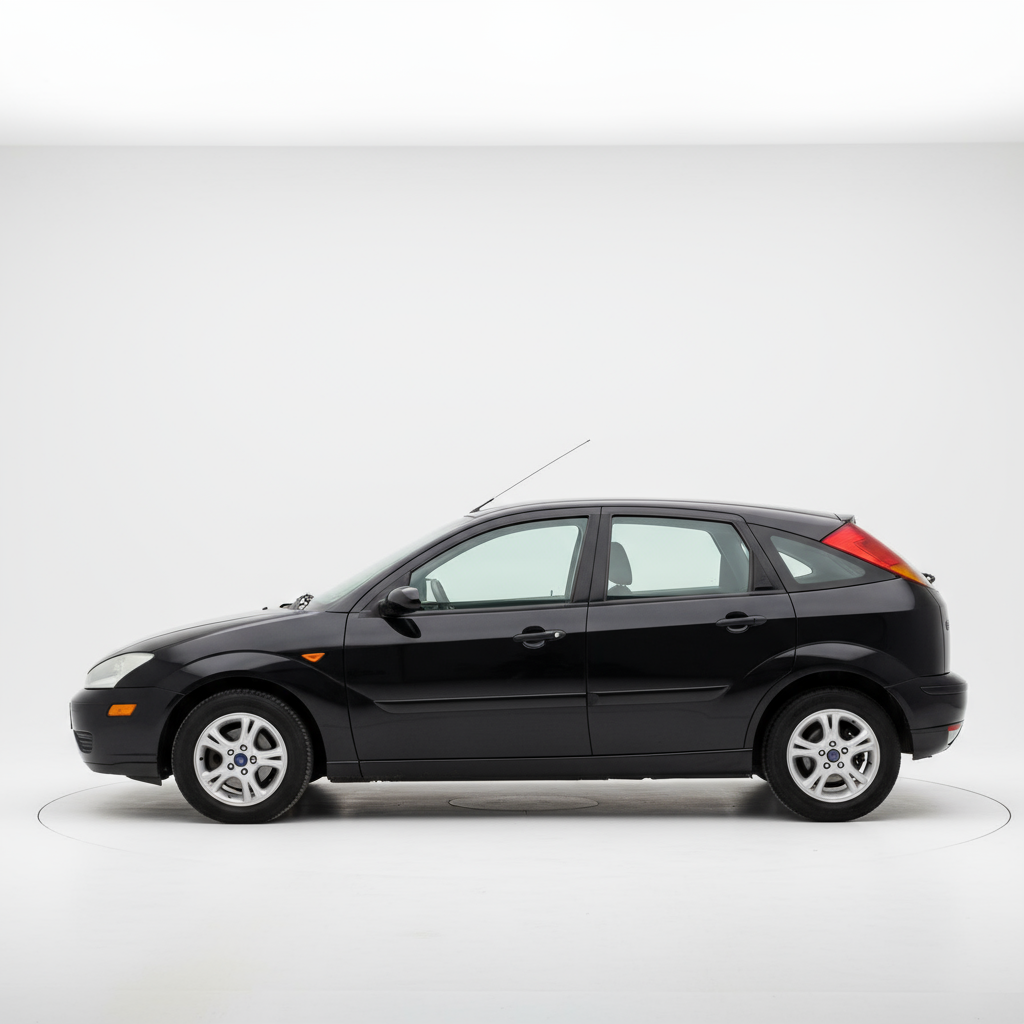
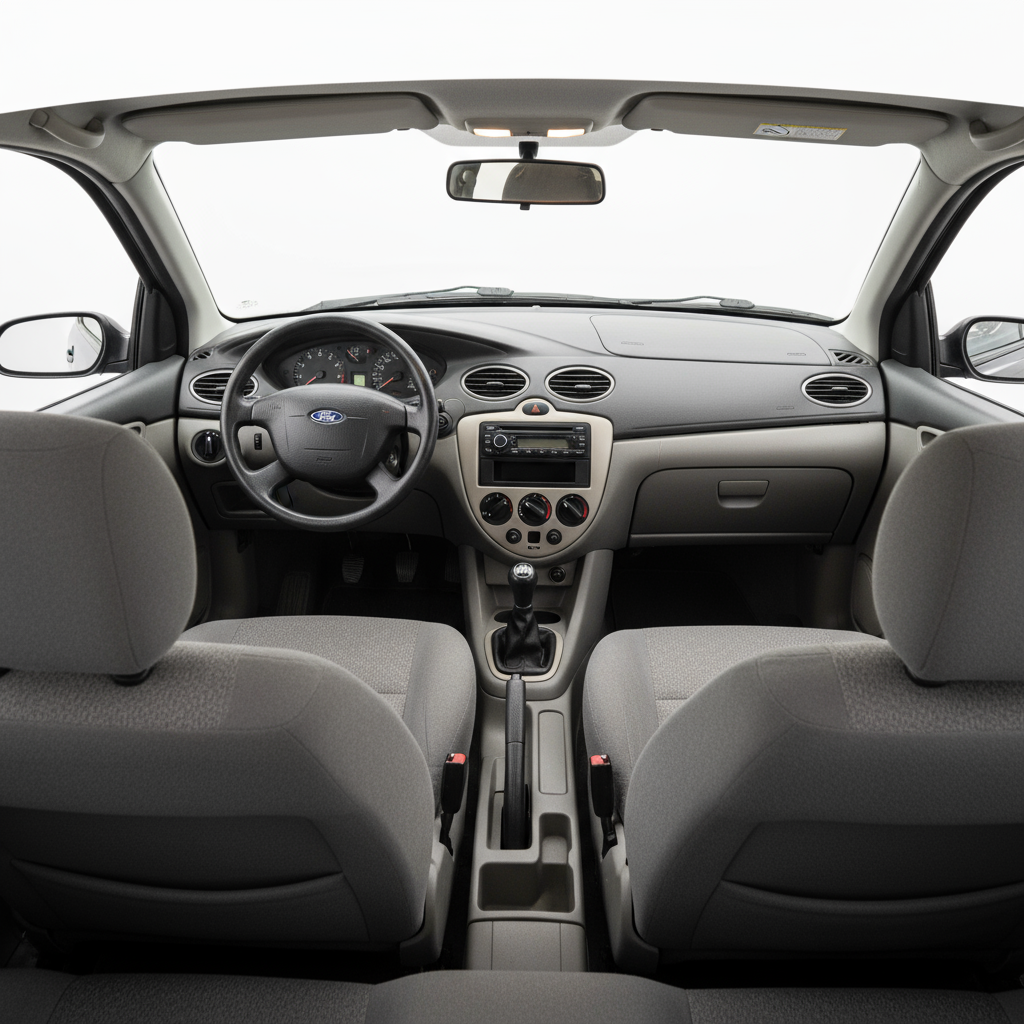
The 'New Edge' design language was a brave and polarizing bet. Its tense lines, marked wheel arches, and, above all, its high, angular headlights and taillights, created an unmistakable silhouette. It was a car that seemed sculpted by the wind, with an aesthetic coherence that extended to an equally daring interior of asymmetrical and fluid shapes. It didn't seek to please everyone; it sought to captivate those who appreciated originality and character.
Technology and features
The greatest technological innovation of the Focus was not in a screen, but in its skeleton. The independent rear suspension was a democratic revolution, bringing the handling of high-end cars to an affordable compact. The direct-injection diesel engine, with a turbo and intercooler, offered a fantastic balance between performance and very low consumption for the time. Elements like precise power steering and a rigid structure contributed to a feeling of solidity and safety that was very advanced for its time.
Competition
At its launch, the Focus faced established titans. The Volkswagen Golf IV was the king of perceived quality and refinement, but it felt sober and less exciting to drive. The Opel Astra G offered proven robustness and reliability, while French cars like the Renault Mégane or the Citroën Xsara played the comfort card. Against all of them, the Focus stood out as the enthusiast's choice, the car for those who not only wanted to get from point A to point B but to intensely enjoy the journey.
Conclusion
The first-generation Ford Focus is more than a second-hand car; it's a piece of automotive history. It represents a time when Ford dared to dream and to put the passion for driving within everyone's reach. Its legacy endures in every modern compact that seeks a balance between comfort and dynamism. It was, and still is, an honest car, brilliant in its conception, and eternally fun to drive. A future classic that defined an era.