
Especificaciones y análisis del Ford Focus
Power
101HP
Torque
145Nm
Consumption
6.8l/100
Emissions
-g/km
0-100 km/h
10.7s
Top Speed
185km/h
Weight
1180kg
Price
16,700€
Technical summary
Gasolina
Manual 5v
FWD
5 / 5 doors
520 L
55 L
74 kW
Current
Technical specifications
Engine
Capacities
Detailed analysis of the Ford Focus Wagon Ambiente 1.6 · 101 CV (1998-2005)
General description
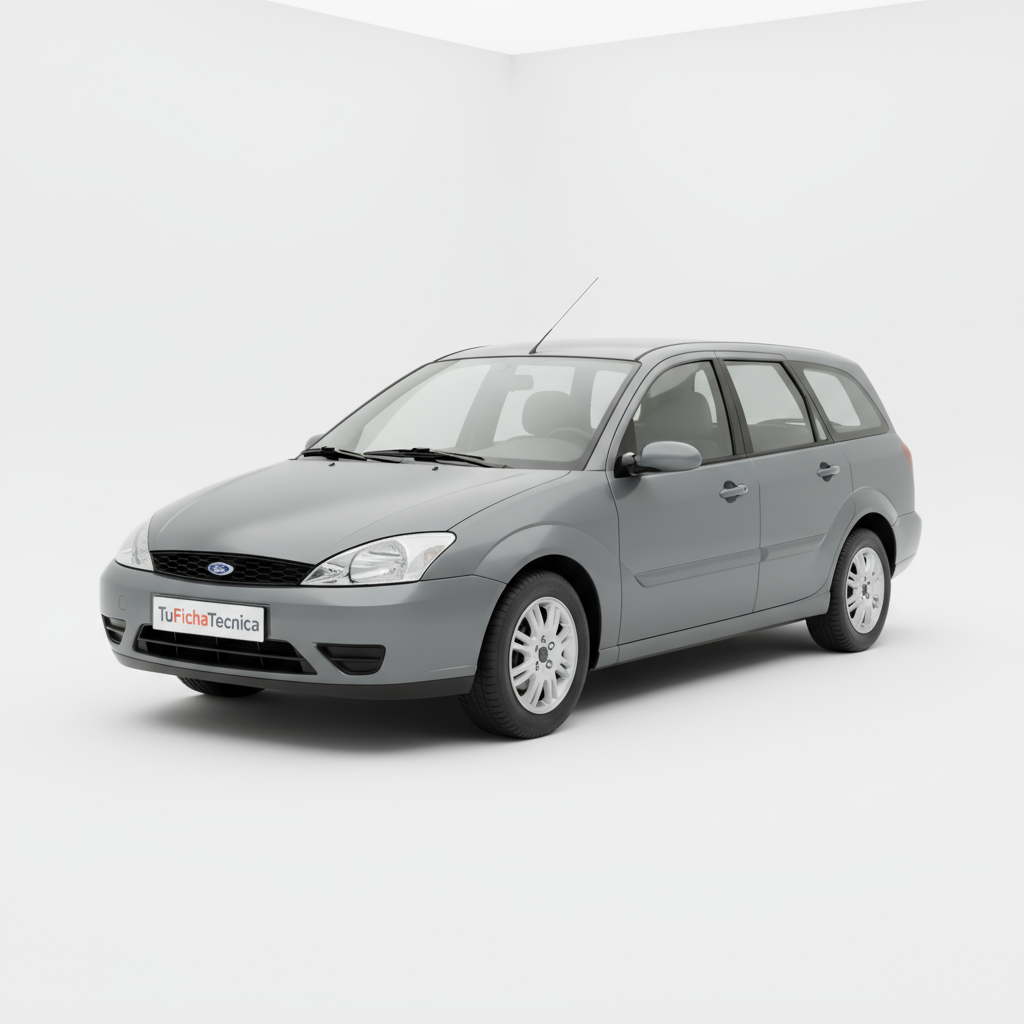
The 1998 Ford Focus Wagon was not just another family car; it was a true revolution that shook the foundations of the compact segment. It arrived to prove that the practicality of a wagon body did not have to be at odds with driving pleasure. With a bold design and an exceptional chassis, it redefined what an everyday car could offer, leaving an indelible mark on the hearts of many drivers.
Driving experience
Getting behind the wheel of this Focus is to rediscover a pure connection with the road. Its 1.6-liter, 101-horsepower engine, though modest in numbers, feels energetic and willing thanks to a precise manual gearbox. But the real magic lies in its chassis. The multi-link rear suspension, an engineering gem for its time and segment, gives it an agility and cornering composure that makes you smile. It's a car that feels light, communicative, and surprisingly fun, turning every journey into a rewarding experience.
Design and aesthetics
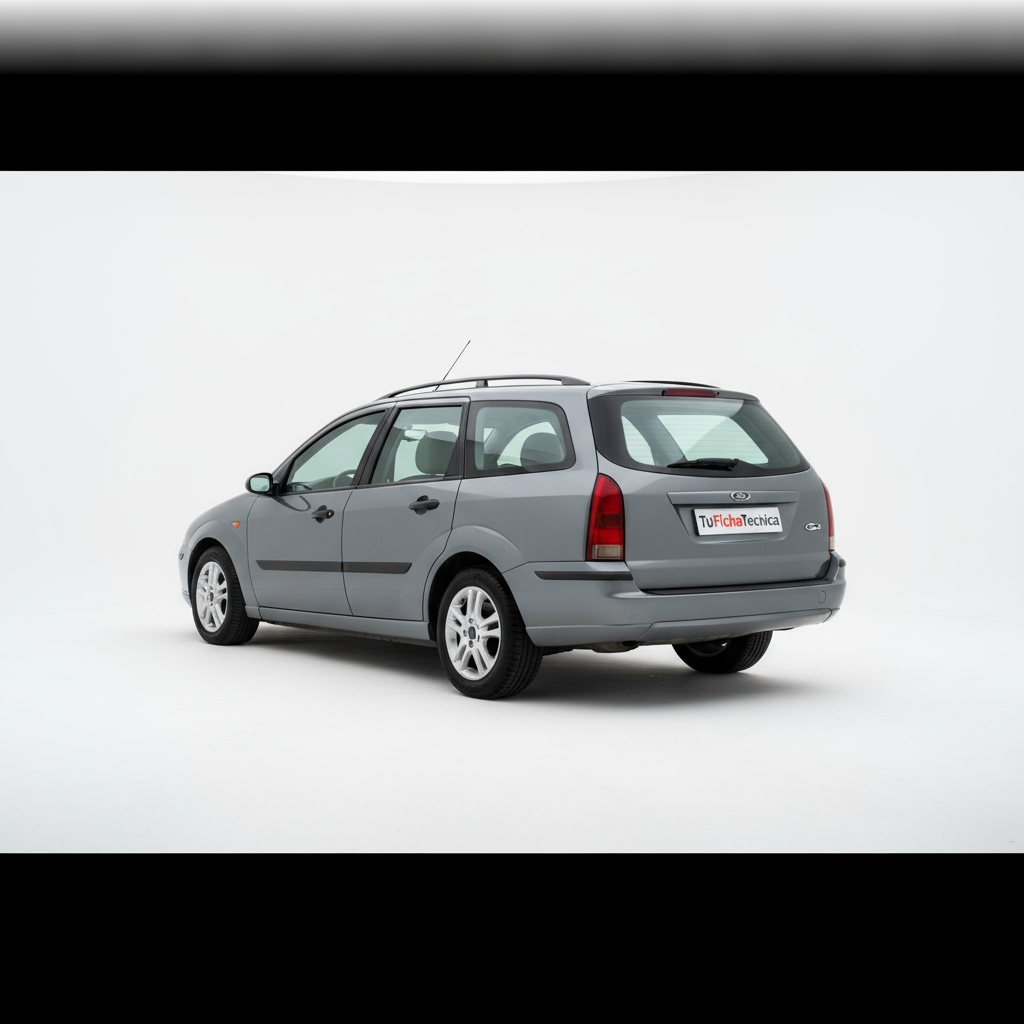
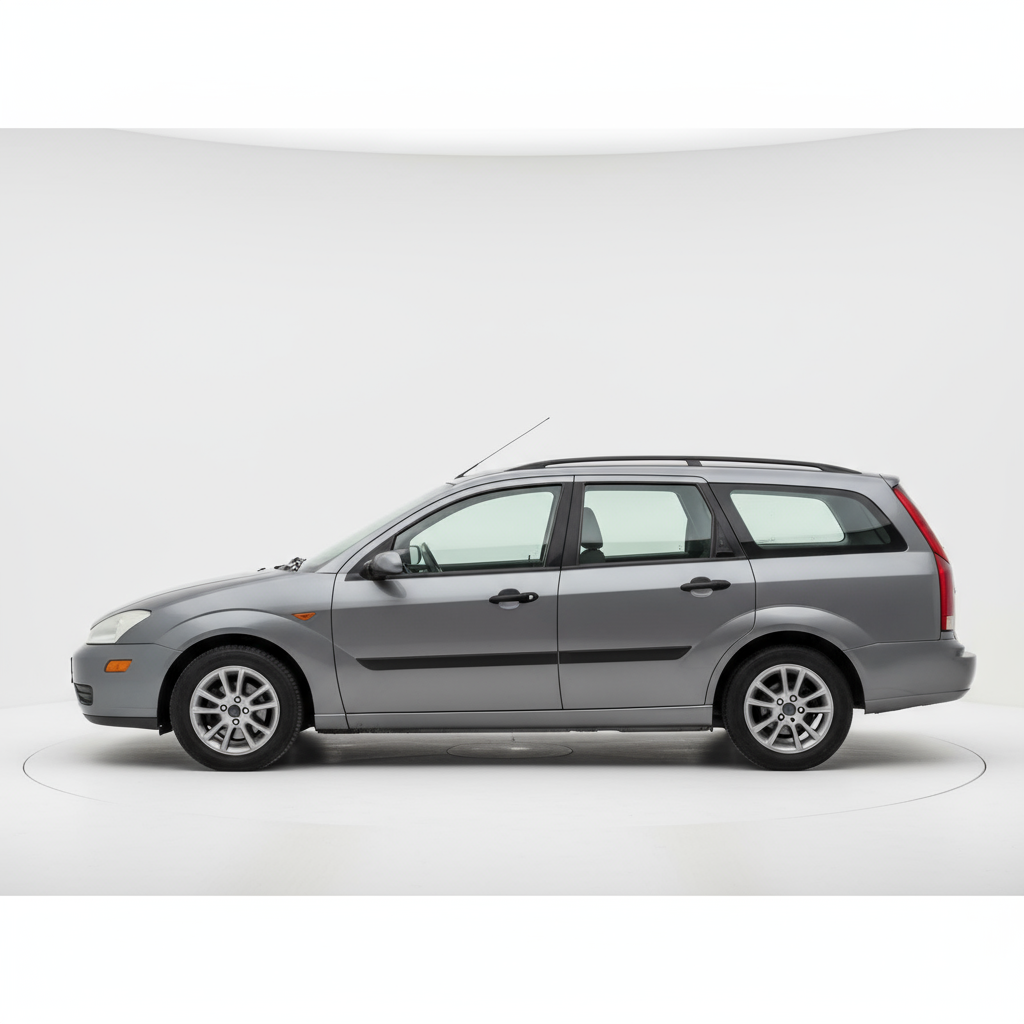
Ford's 'New Edge' design language came to life spectacularly in the first Focus. Breaking with the conservative shapes of its predecessor, the Escort, the Focus opted for a mix of sharp edges and fluid curves that gave it a unique and futuristic personality. The Wagon version masterfully integrated a generous 520-liter trunk without sacrificing the dynamic tension of its lines, creating a balanced and attractive silhouette that still feels distinctive today.
Technology and features
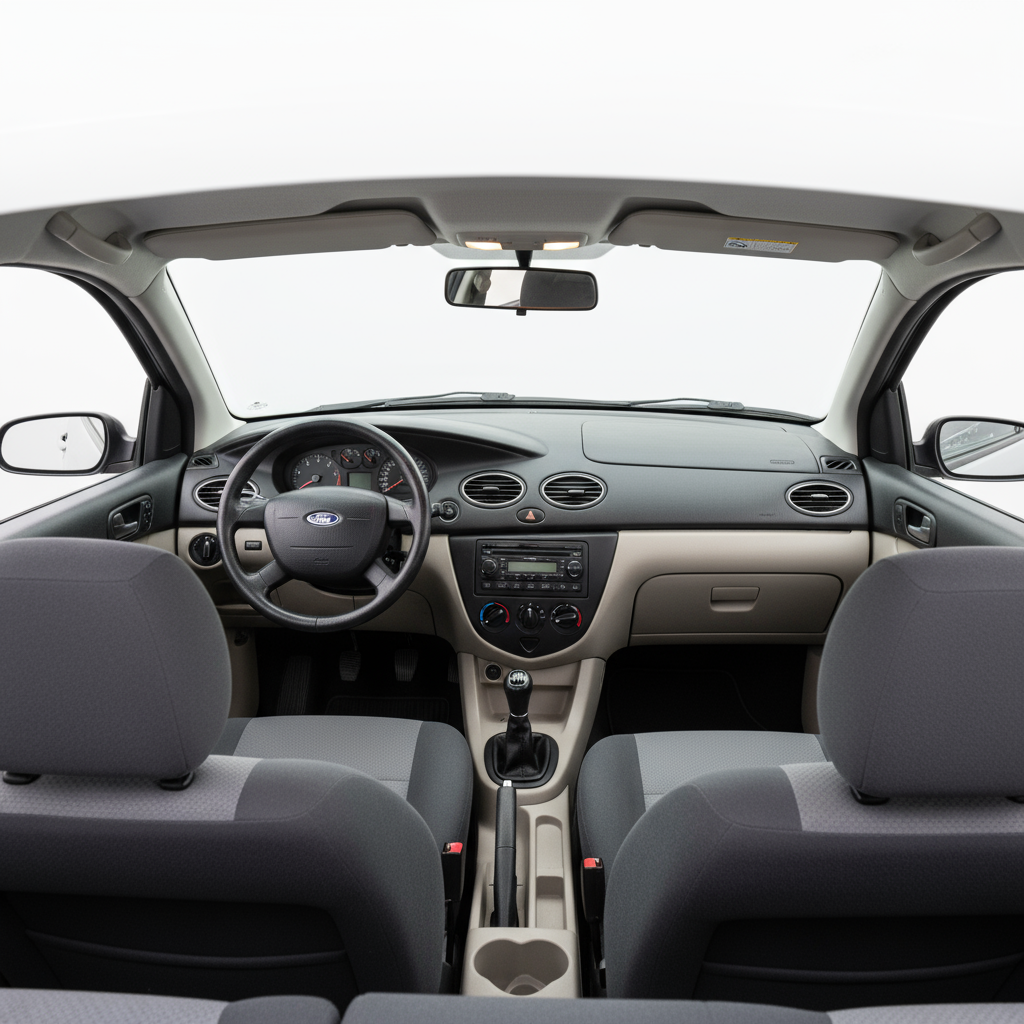
The greatest technological feat of the 1998 Focus was not on a screen, but under its skin. The implementation of an independent multi-link rear suspension was a game-changer, offering control and ride comfort typical of higher categories. This advanced chassis layout, combined with a reliable and efficient 16-valve Zetec engine for its time, represented the forefront of accessible engineering. It was technology at the service of driving, not entertainment.
Competition
At its launch, the Focus Wagon faced heavyweights like the Volkswagen Golf Variant, the Opel Astra Caravan, and the Renault Mégane Break. While its German and French rivals competed fiercely in space, finishes, and equipment, none came close to matching the dynamic brilliance of the Ford. The Focus was in another league in terms of driving feel, becoming the absolute benchmark for anyone looking for a practical family car that didn't give up its sporty soul.
Conclusion
The first-generation Ford Focus Wagon is much more than an old car; it is an icon that marked a before and after. It represents an era when chassis engineering and driving pleasure were fundamental pillars in the development of a mass-market car. Its legacy endures as the wagon that taught an entire generation that carrying the family and enjoying every curve was possible. An honest, brilliant, and memorable car.