
Especificaciones y análisis del Ford Focus
Power
90HP
Torque
200Nm
Consumption
5.4l/100
Emissions
-g/km
0-100 km/h
12.9s
Top Speed
180km/h
Weight
1295kg
Price
17,630€
Technical summary
Gasóleo
Manual 5v
FWD
5 / 5 doors
520 L
55 L
66 kW
Current
Technical specifications
Engine
Capacities
Detailed analysis of the Ford Focus Wagon Ambiente 1.8 TDdi 90cv (1998-2005)
General description
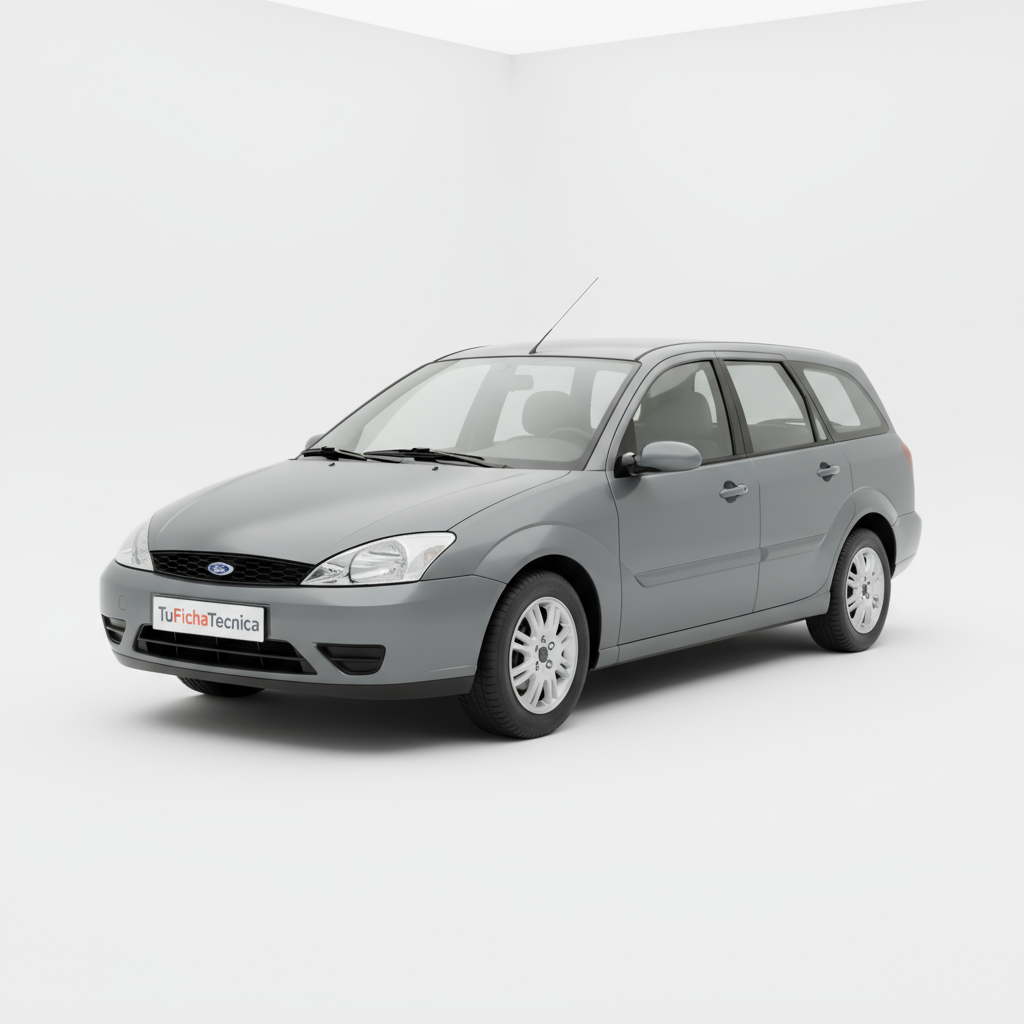
The 1998 Ford Focus Wagon was not just another family car; it was a true revolution that shook the foundations of the compact segment. It arrived to replace the veteran Escort with a bold proposal that combined an avant-garde design, exceptional practicality, and, above all, a driving pleasure that until then seemed reserved for vehicles of another category. This car proved that carrying the family and luggage didn't have to be boring.
Driving experience
Getting behind the wheel of the Focus Wagon with its 90 hp 1.8 TDdi engine is to rediscover a pure connection with the road. Although its 12.9 seconds to reach 100 km/h is not impressive today, the thrust of its 200 Nm of torque feels honest and capable. The real magic lies in its chassis. The multi-link rear suspension, an engineering gem for its time and segment, gives you an agility and poise in corners that make you smile. It feels like a solid, communicative, and surprisingly fun car, inviting you to enjoy every kilometer beyond its function as a cargo vehicle.
Design and aesthetics
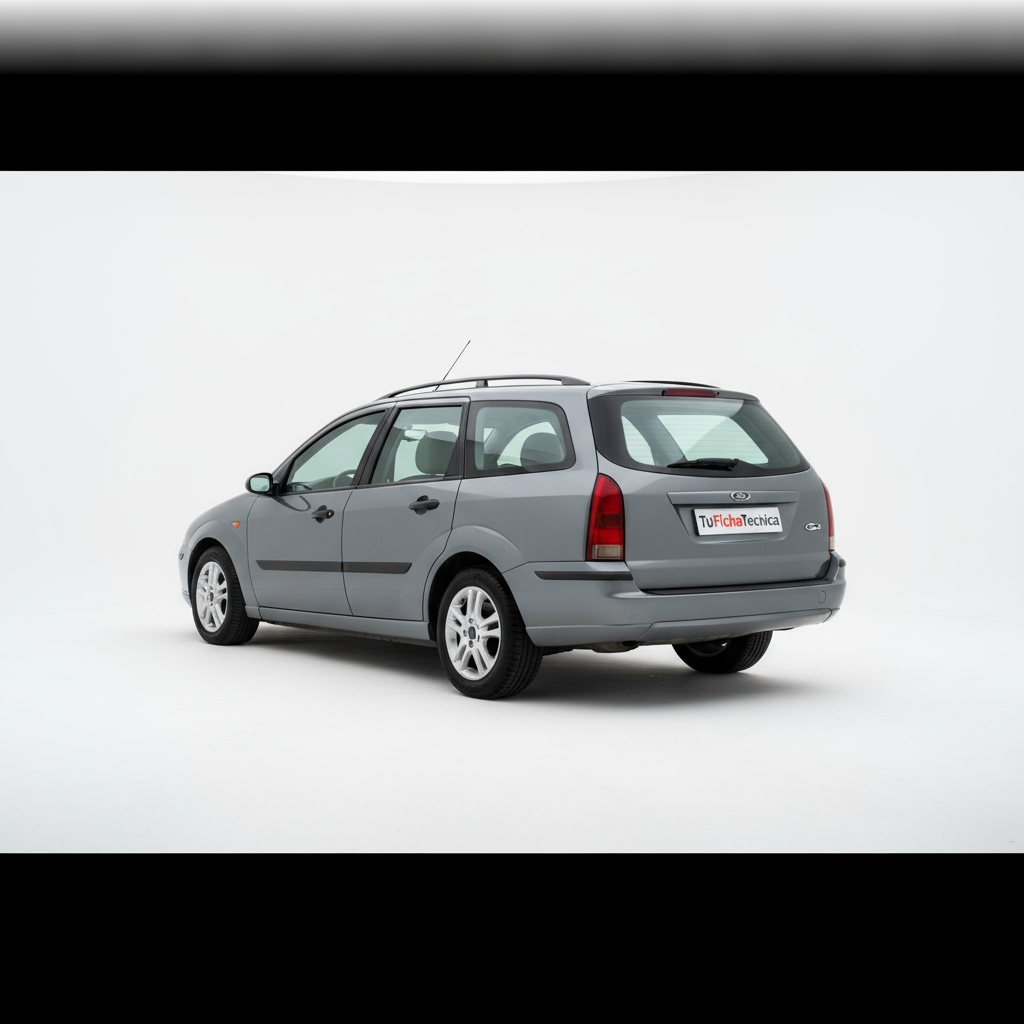
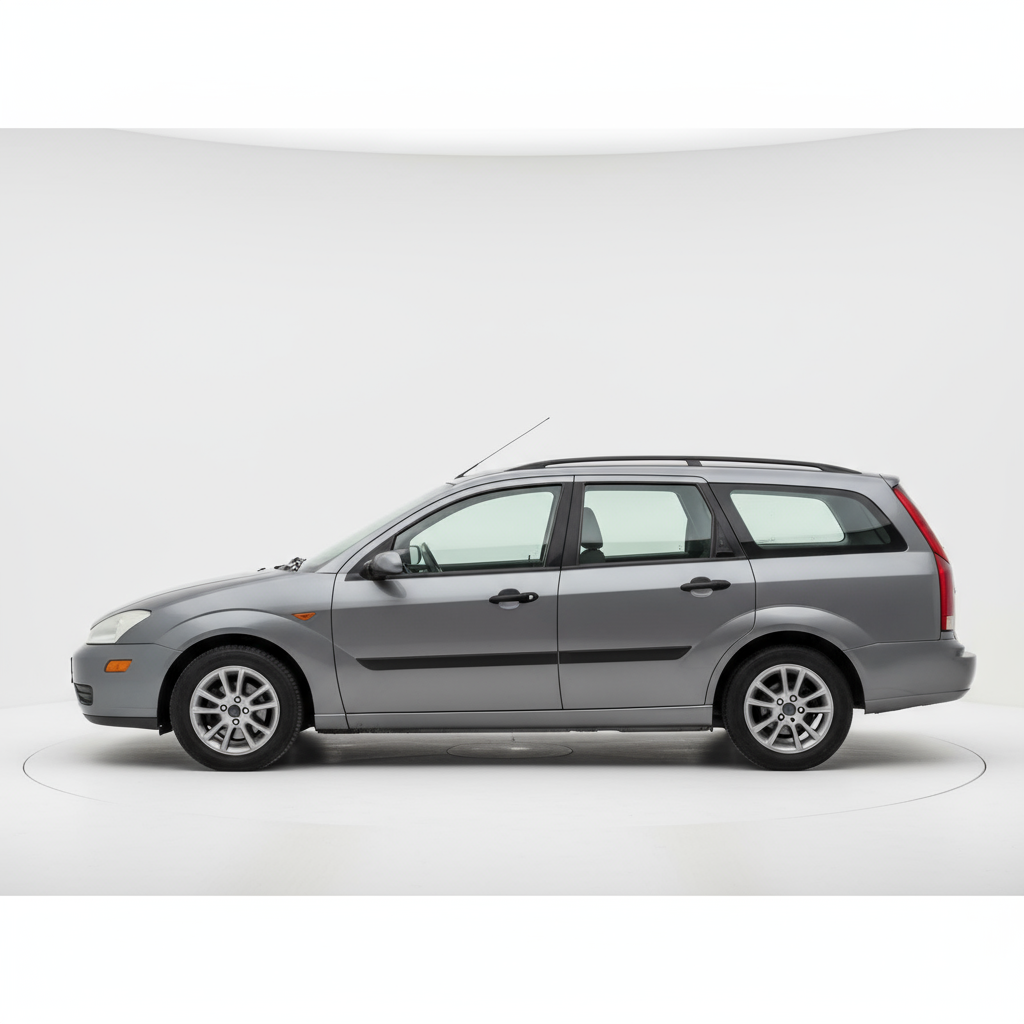
Ford's 'New Edge' design language came to life in a spectacular way in the Focus. It broke with all conventions, mixing soft arcs with sharp angles and unique details like the high-mounted taillights that defined its rear. The Wagon version integrated the extra volume with admirable mastery, maintaining a dynamic and cohesive line that avoided the 'box' look of many of its rivals. It was a design that generated debate, but has aged with incredible dignity, maintaining a freshness that defies the passage of time.
Technology and features
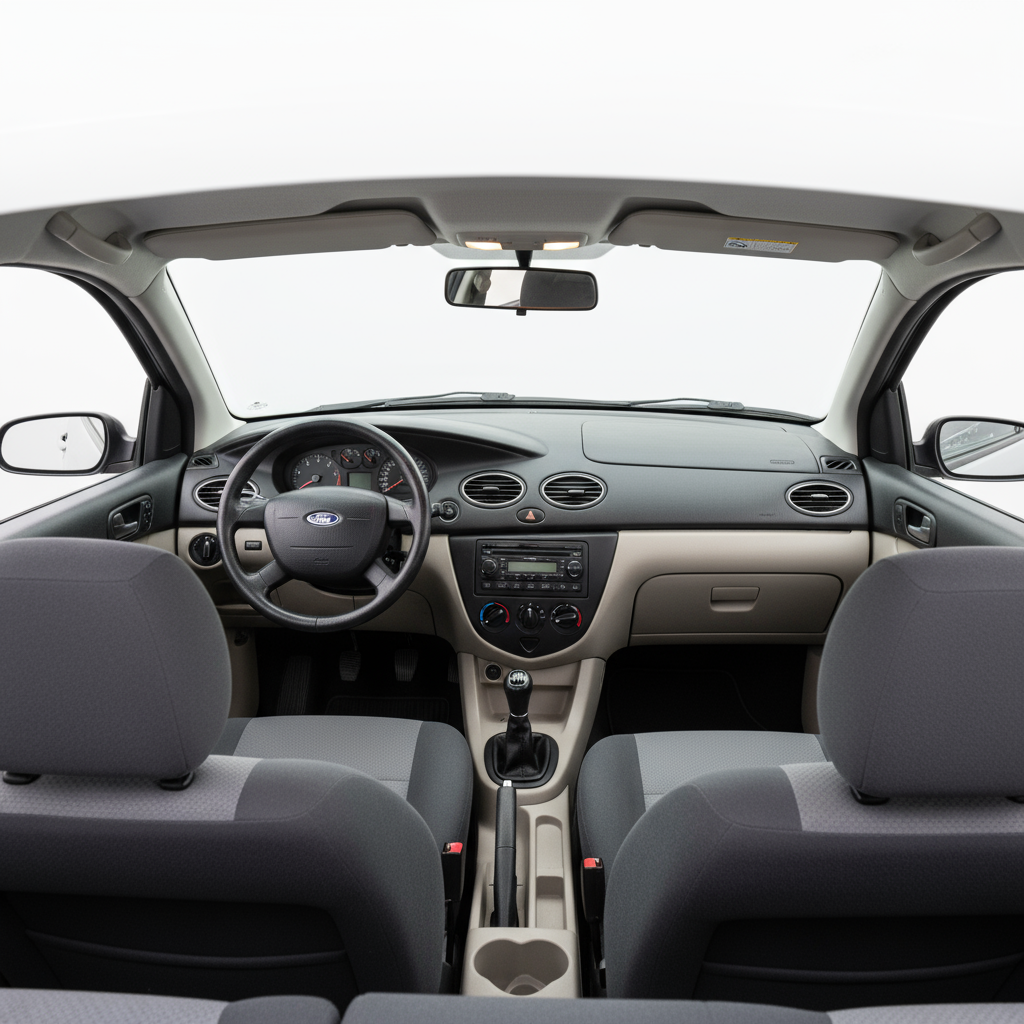
The Focus's greatest technological innovation was not in a screen, but under its skin. The 'Control Blade' independent rear suspension system was its calling card, a system that provided superior ride control and comfort. The direct-injection TDdi engine was efficient and robust, a pillar of reliability. Inside, its asymmetrical and ergonomic dashboard was an extension of the bold exterior design. Although it lacked today's assistants and connectivity, its technology was focused on the essential: creating the best possible driving experience in an affordable car.
Competition
At its launch, the Focus Wagon faced titans like the Volkswagen Golf Variant, the Opel Astra Caravan, and the Renault Mégane Break. While the Golf boasted a superior perceived finish quality and the Astra positioned itself as a solid and rational option, the Focus surpassed them all in one fundamental aspect: dynamism. None of its competitors could match its agility, its steering feel, or the sense of connection it transmitted to the driver, becoming the benchmark for those who valued driving pleasure.
Conclusion
The first-generation Ford Focus Wagon is much more than an old car; it is an icon that redefined what a compact family car could be. It represents a moment when brilliant engineering and brave design came together to create an affordable, practical, and, above all, exciting vehicle. It left an indelible mark, a legacy of dynamism and character that is still remembered with fondness and admiration today. It was, and still is, an extraordinarily complete car.