
Especificaciones y análisis del Ford Puma
Power
103HP
Torque
145Nm
Consumption
7.3l/100
Emissions
-g/km
0-100 km/h
10.4s
Top Speed
190km/h
Weight
1145kg
Price
15,206€
Technical summary
Gasolina
Manual 5v
FWD
4 / 2 doors
240 L
42 L
76 kW
Current
Technical specifications
Engine
Capacities
Detailed analysis of the Ford Puma 1.6 · 103 CV (2000-2002)
General description
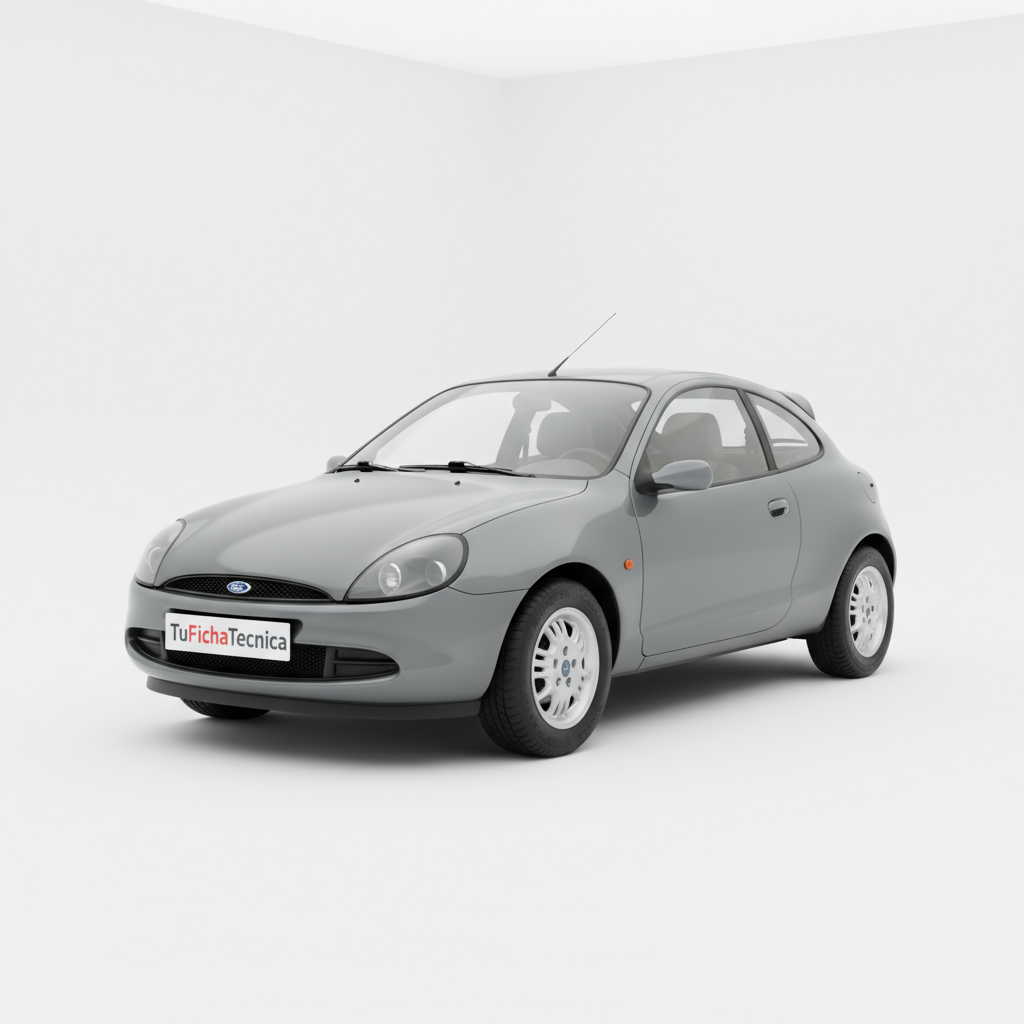
The Ford Puma from the late 90s and early 2000s was not just a car; it was a statement of intent. At a time when Ford was committed to its 'New Edge' design, the Puma emerged as a small, feline coupe, based on the excellent Fiesta platform, promising agility, style, and a pure connection to the asphalt. It was a breath of fresh air that captured hearts with its charisma and its focus on the sheer pleasure of driving.
Driving experience
Getting behind the wheel of the Puma 1.6 is to rediscover a way of driving that has been lost. Its 103 horsepower, though modest by today's standards, feels lively and energetic thanks to a low weight and a superb chassis. The steering is direct and communicative, allowing you to feel every nuance of the road. Attacking a corner is its reason for being; the car turns in with astonishing agility, supported by a setup that prioritizes fun above all else. The five-speed manual gearbox is the perfect accomplice in this dance, making every journey a visceral and rewarding experience.
Design and aesthetics
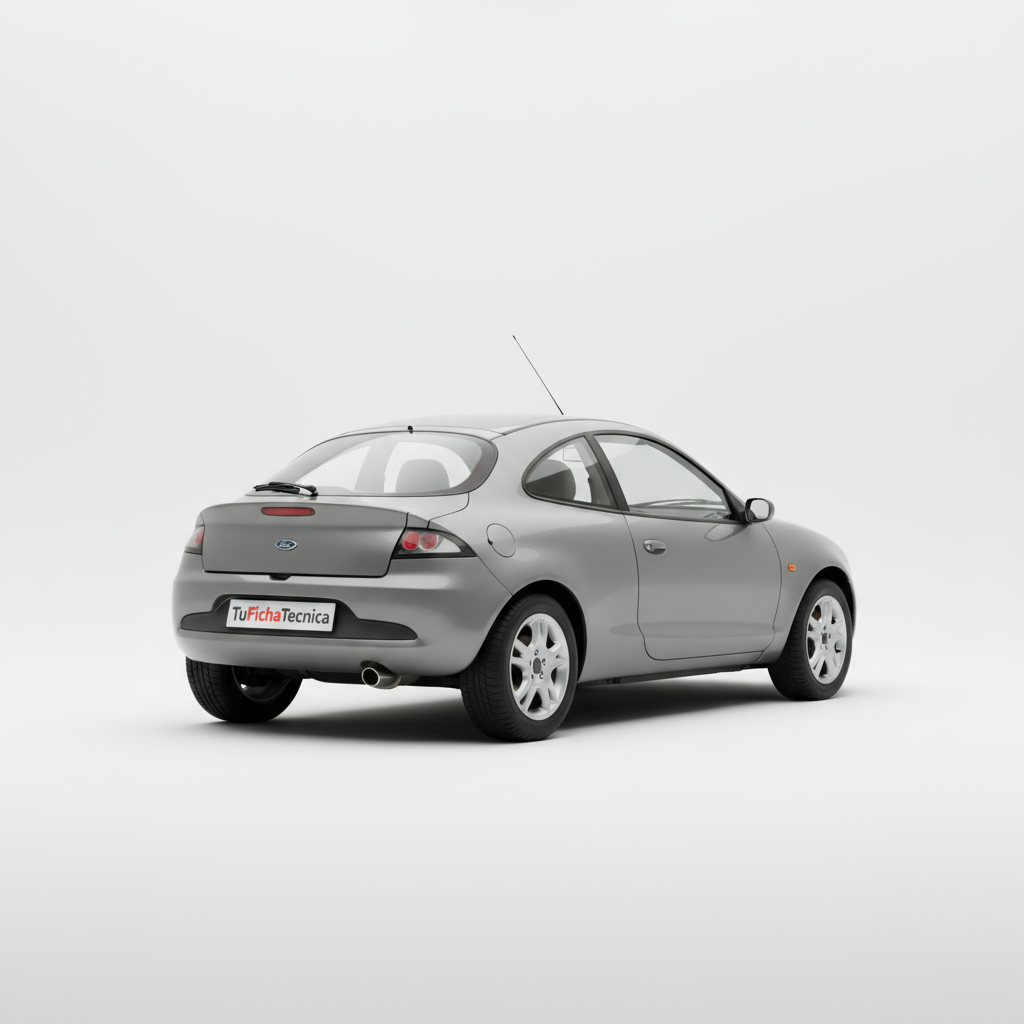
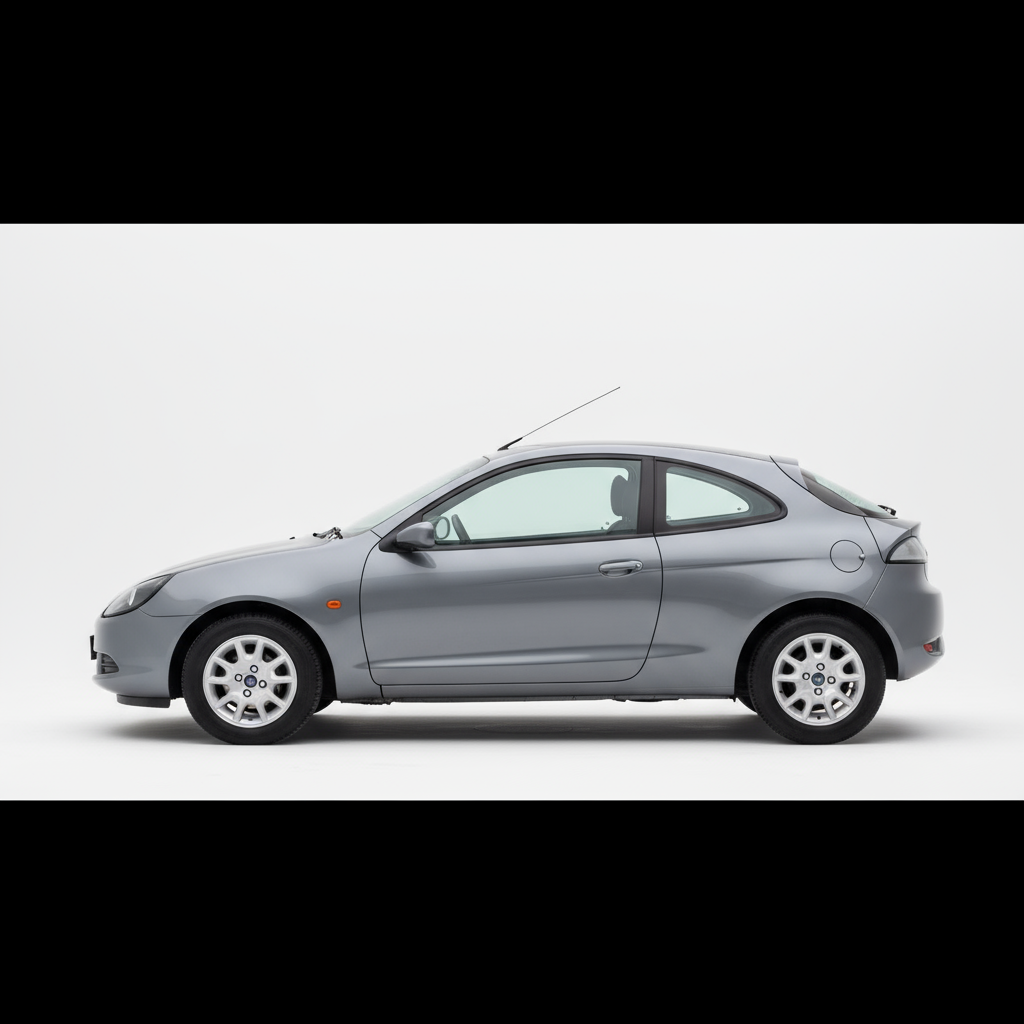
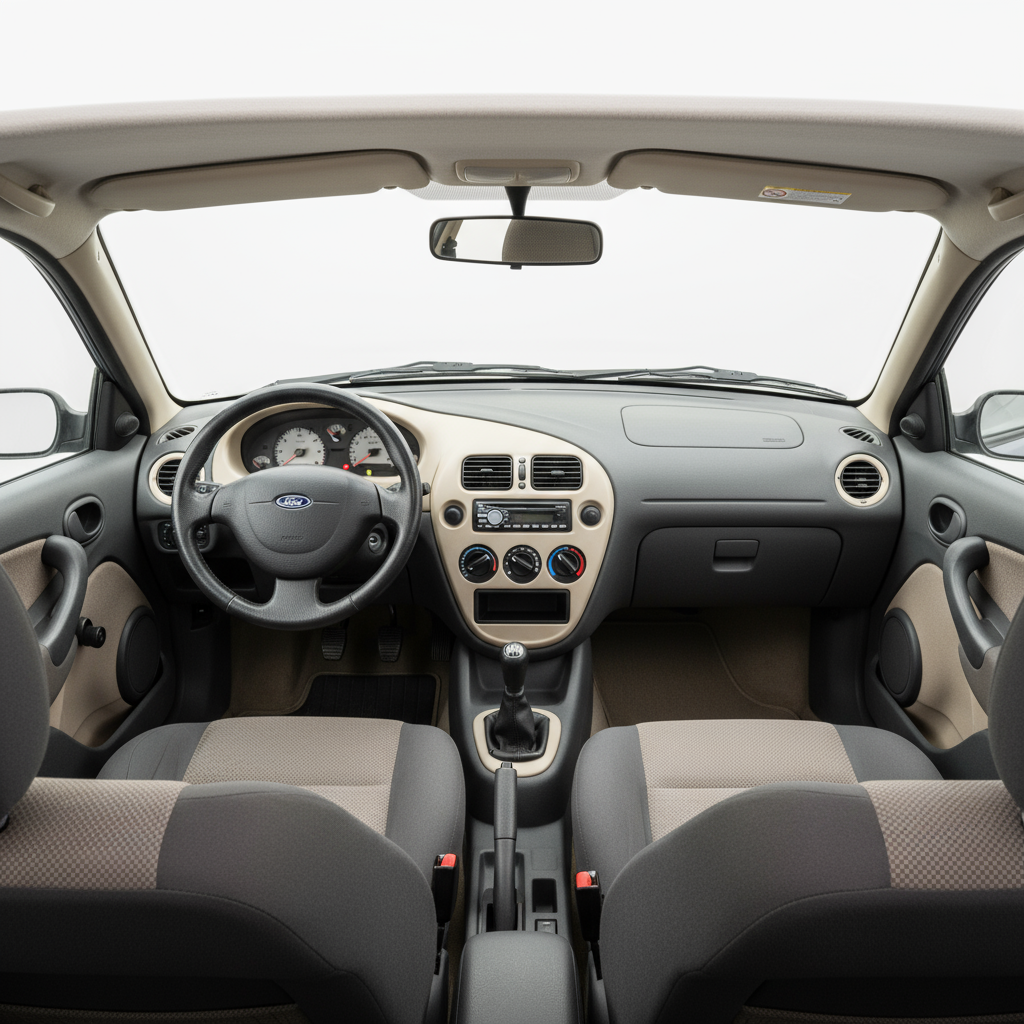
Visually, the Puma is a time capsule that has aged with incredible grace. Its 'New Edge' design combines taut lines with muscular curves, highlighting its swept-back headlights and a compact, well-resolved rear end. It's a small car that radiates a big personality, a pocket sports car that doesn't need grand gestures to turn heads. Inside, the Fiesta's heritage is evident in a functional, no-frills cabin, where the absolute focus is on the driving experience, reminding us that the essential thing is the bond between the driver, the machine, and the road.
Technology and features
The Puma's technology doesn't lie in screens or assistants, but in its brilliant mechanical engineering. The heart is a 1.6-liter Zetec-SE engine, a 16-valve aluminum gem that revs with joy. Its true technological arsenal is in the chassis, a masterpiece tuned by Ford engineers to offer exceptional dynamic behavior. With a McPherson strut front suspension and a rear torsion beam axle, its setup was simple but immensely effective, proving that the best technology is the one that makes you smile on every curve.
Competition
In its golden age, the Ford Puma engaged in a stylistic and dynamic duel mainly with the Opel Tigra, another small-format coupe derived from a subcompact. However, its charisma also pitted it against rivals like the Renault Mégane Coupé, which offered a similar concept in a slightly larger format, or even Japanese coupes like the Honda Civic, which played on reliability and their VTEC engines. The Puma always stood out for offering the purest and most sporty driving sensations of the group.
Conclusion
The Ford Puma 1.6 is much more than a used car; it's a future classic and a ticket back to an era where the passion for driving was the main selling point. It's a car that talks to you, involves you, and rewards every gesture with an honest and fun response. Despite its simplicity and age, its sporting soul remains intact, making it a magnificent choice for anyone looking for a playful second car or wanting to enter the world of affordable sports cars. It is a little gem that deserves to be cared for and, above all, enjoyed.