
Especificaciones y análisis del Ford Puma
Power
125HP
Torque
157Nm
Consumption
7.4l/100
Emissions
-g/km
0-100 km/h
9.2s
Top Speed
203km/h
Weight
1040kg
Price
18,331€
Technical summary
Gasolina
Manual 5v
FWD
4 / 2 doors
240 L
42 L
92 kW
Current
Technical specifications
Engine
Capacities
Detailed analysis of the Ford Puma 1.7 · 125 CV (1997-2002)
General description
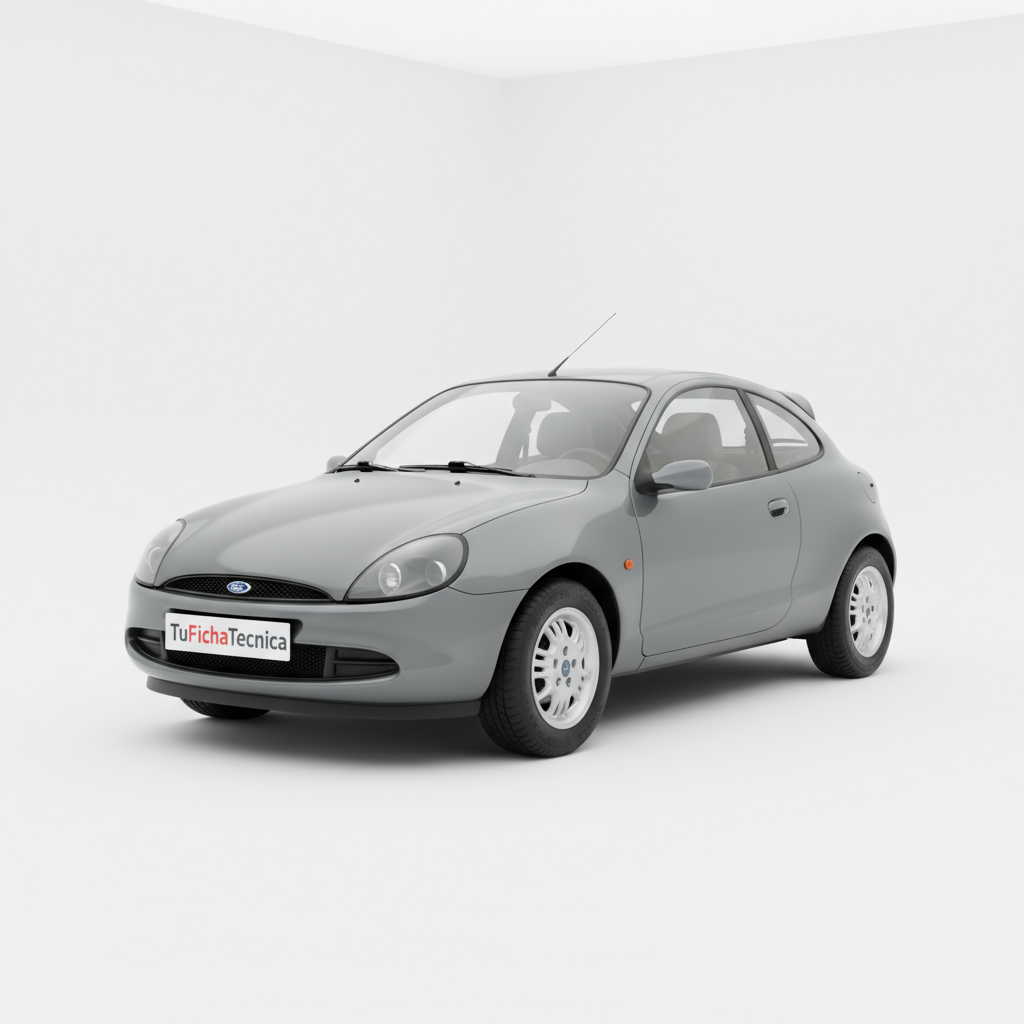
The 1997 Ford Puma was not just a car; it was a statement of intent. In an era of conservative designs, Ford dared to launch this small sports coupé based on the Fiesta platform, promising a pure driving experience and a style that broke the mold. It was a breath of fresh air that captured the hearts of those seeking thrills behind the wheel without sacrificing daily practicality.
Driving experience
Getting behind the wheel of the Puma 1.7 is to rediscover the pleasure of driving. Its 125 hp engine, developed in collaboration with Yamaha, revs with contagious joy, emitting an enchanting sound. Thanks to its low weight of just 1040 kg and an exceptionally tuned chassis, the car feels agile, direct, and communicative. Every curve becomes an invitation to play, with precise steering and a 5-speed manual gearbox that makes you feel part of the mechanics. It's a smile-generating machine, a bodied go-kart that connects you directly to the asphalt.
Design and aesthetics
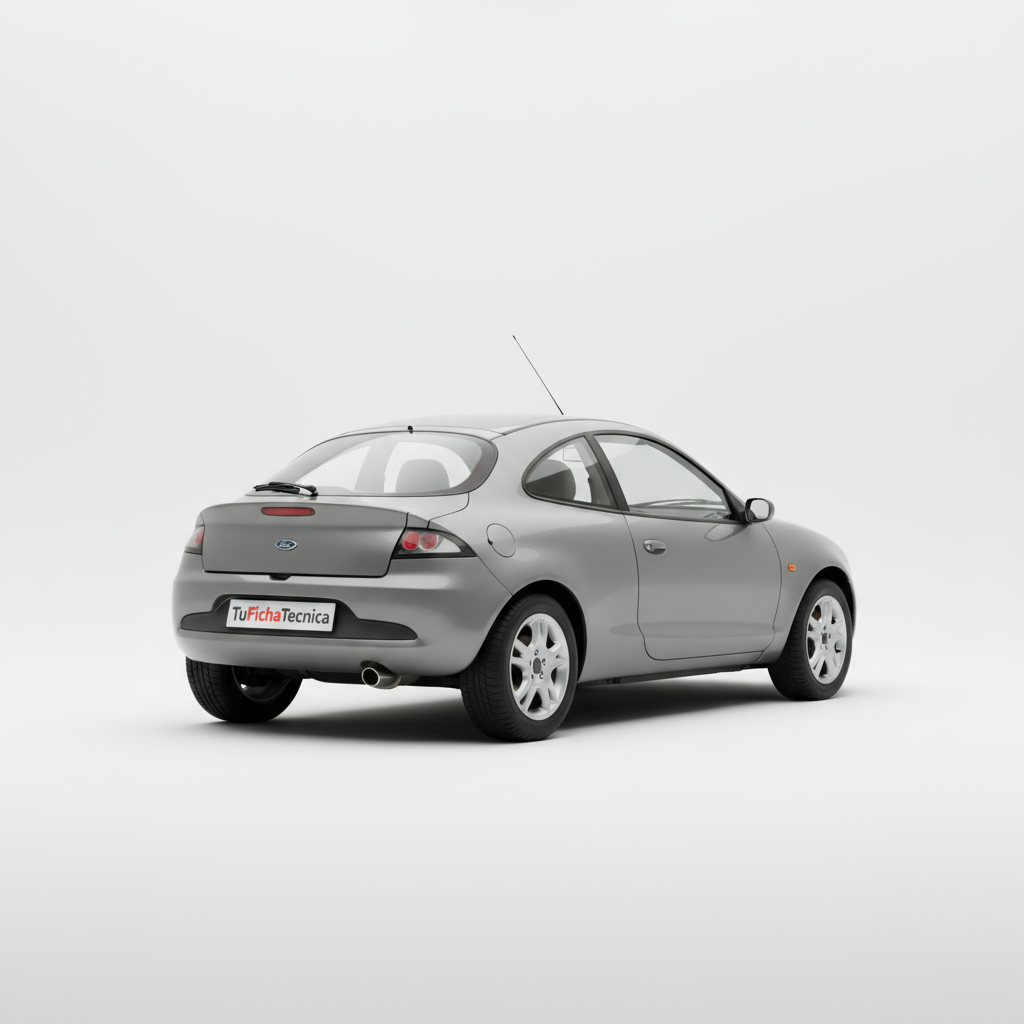
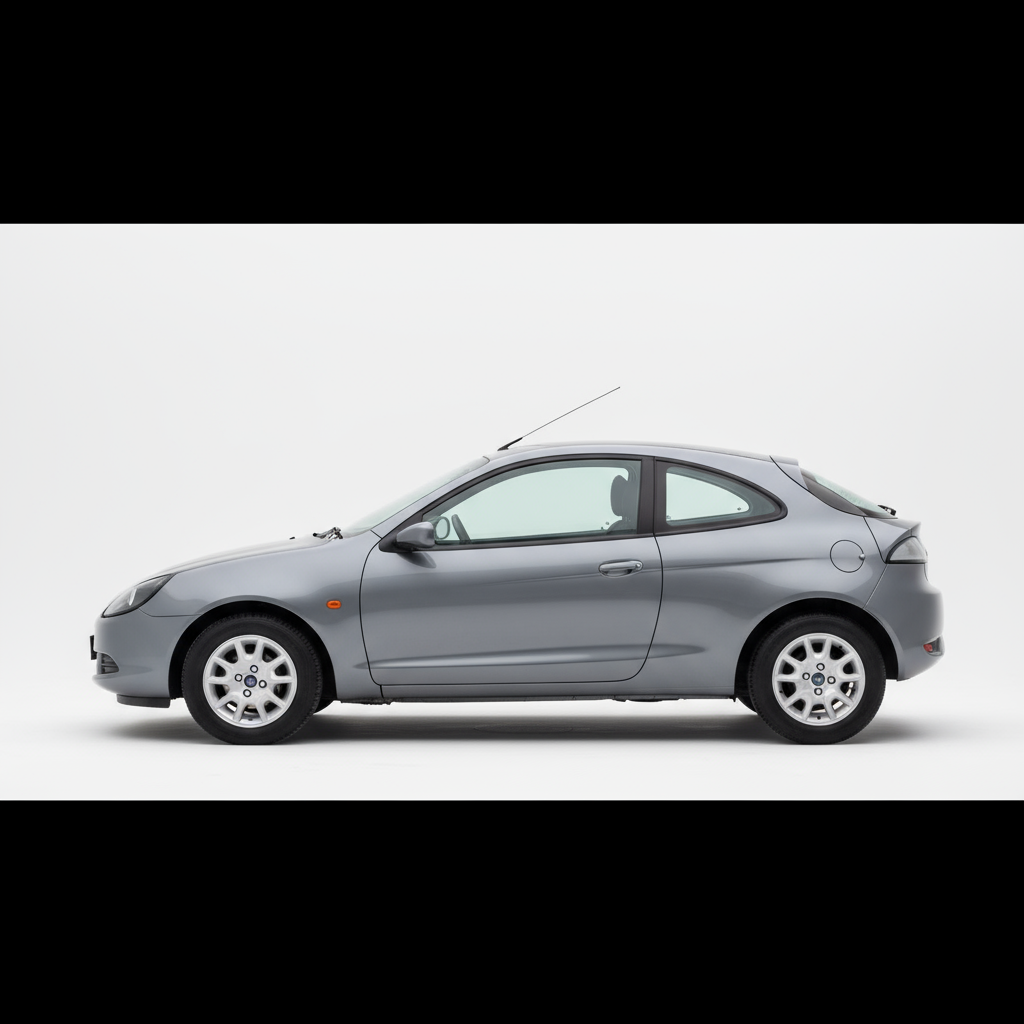
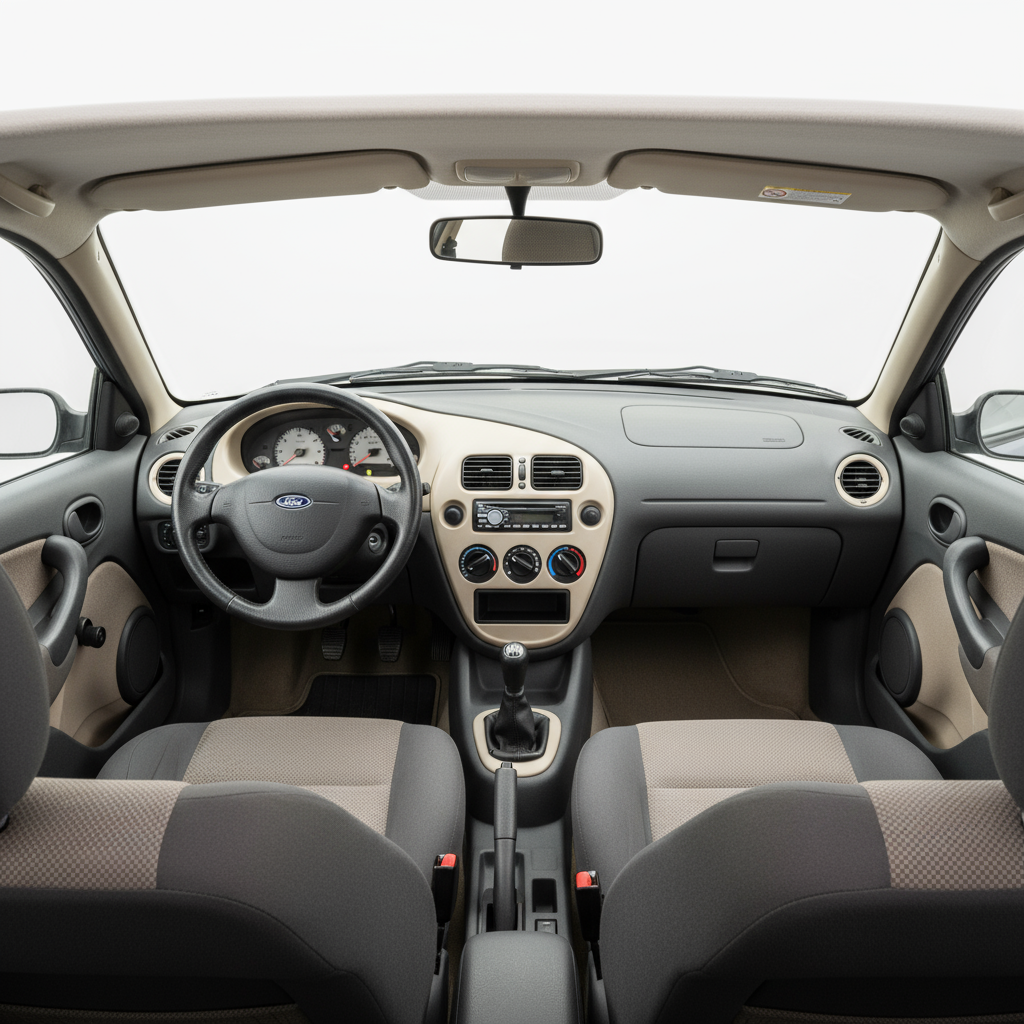
Ford's 'New Edge' design found its ultimate expression in the Puma. Its sharp lines, muscular wheel arches, and above all, its iconic almond-shaped headlights, gave it a feline and futuristic appearance that still turns heads today. It was a compact car but with an imposing presence, a sculpture in motion that proved an affordable vehicle could also be a work of art. The interior, more sober and shared with the Fiesta, took a backseat to such a charismatic bodywork.
Technology and features
Although its technology may seem simple today, the heart of the Puma was advanced for its time. The 1.7 Zetec-SE engine with an aluminum block and variable valve timing was an engineering gem that gave it brilliant and efficient performance. However, the real technological feat lay in its chassis. Ford demonstrated its mastery in tuning, achieving a perfect balance between sportiness and comfort, a benchmark in its segment that many rivals envied.
Competition
The Puma entered a competitive niche, where its main adversary was the Opel Tigra, another small-format coupé derived from a subcompact. It also faced the coupé versions of popular compacts like the Renault Mégane Coupé. However, the Puma always played in its own league thanks to its exceptional dynamic behavior, which placed it a step above in terms of pure driving sensations and made it the favorite of purists.
Conclusion
The first-generation Ford Puma is much more than an old car; it is a modern classic and a testament to an era when fun behind the wheel was a priority. It represents the perfect symbiosis between a bold design and engineering focused on emotion. For any car enthusiast, the Puma 1.7 is an affordable gem, a future classic that offers an authentic and addictive driving experience that is hard to find today.