
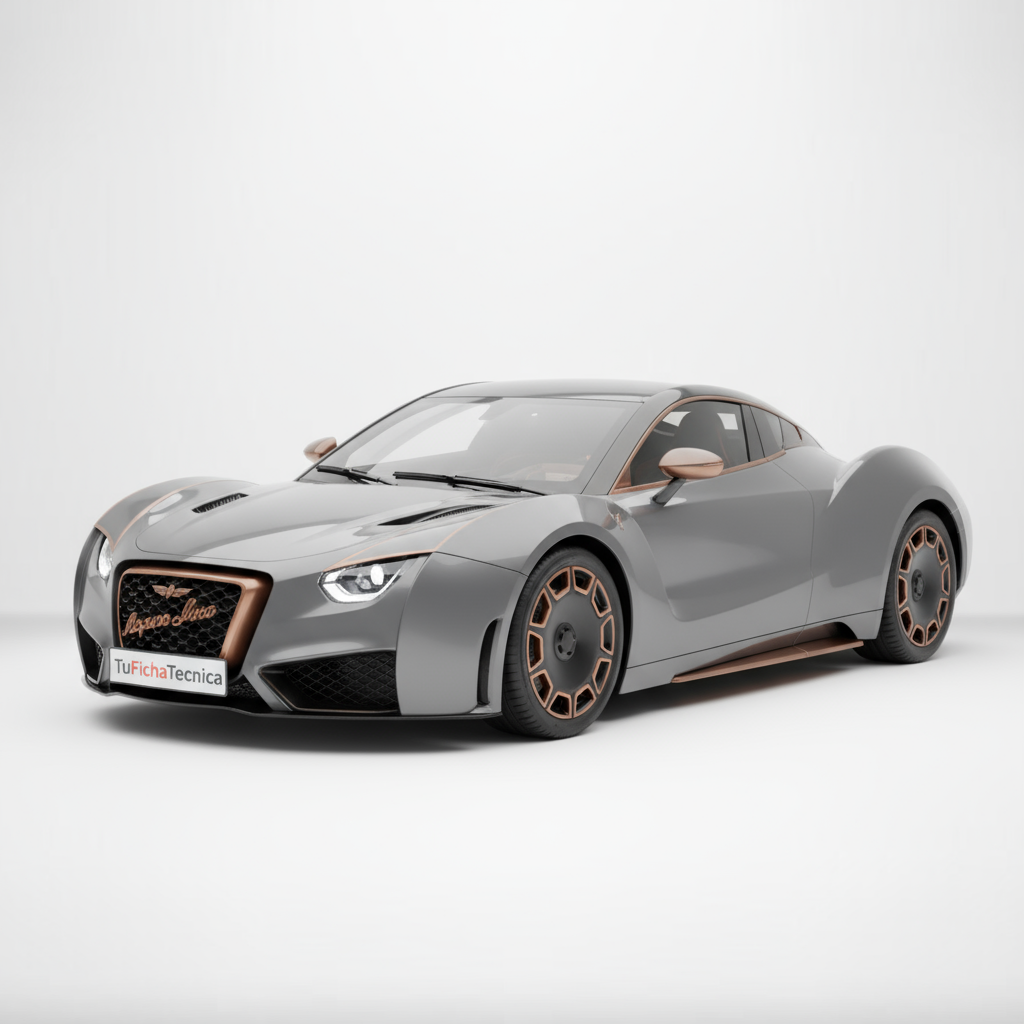
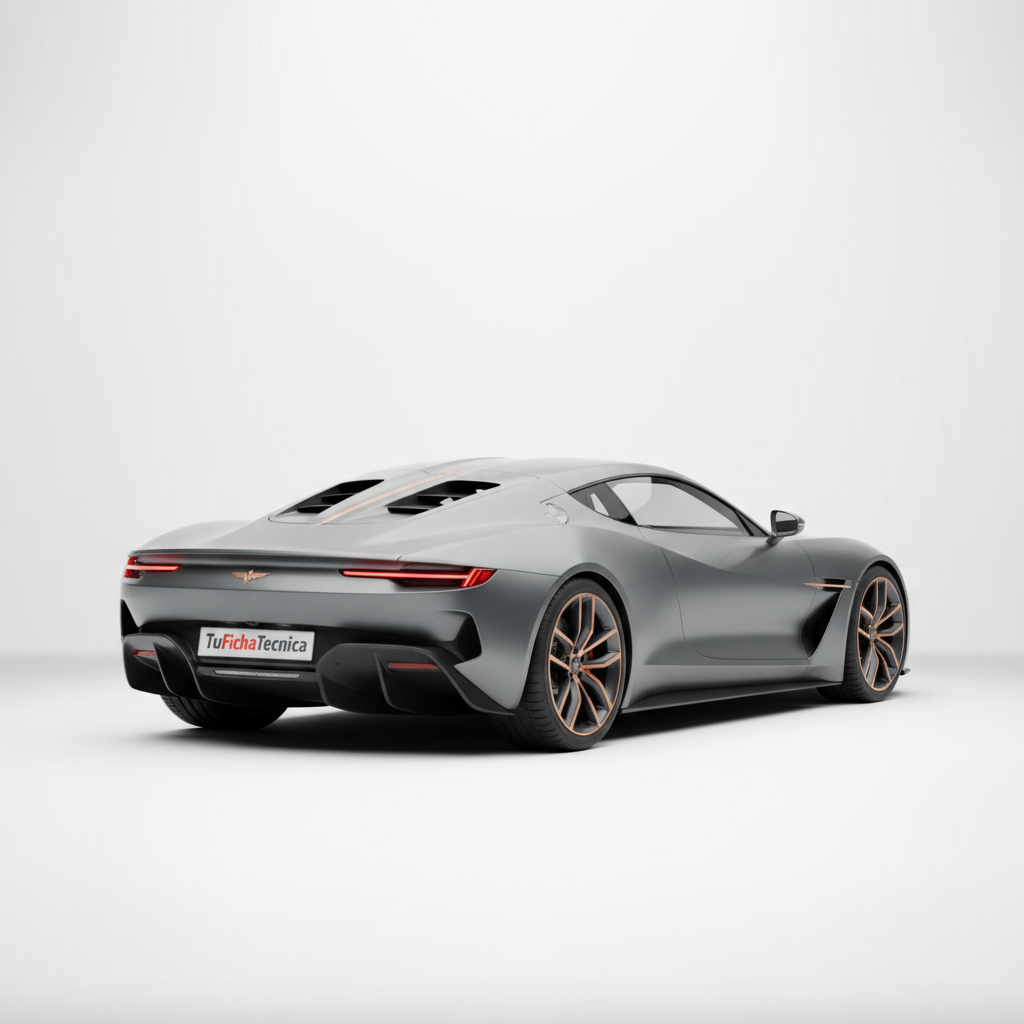
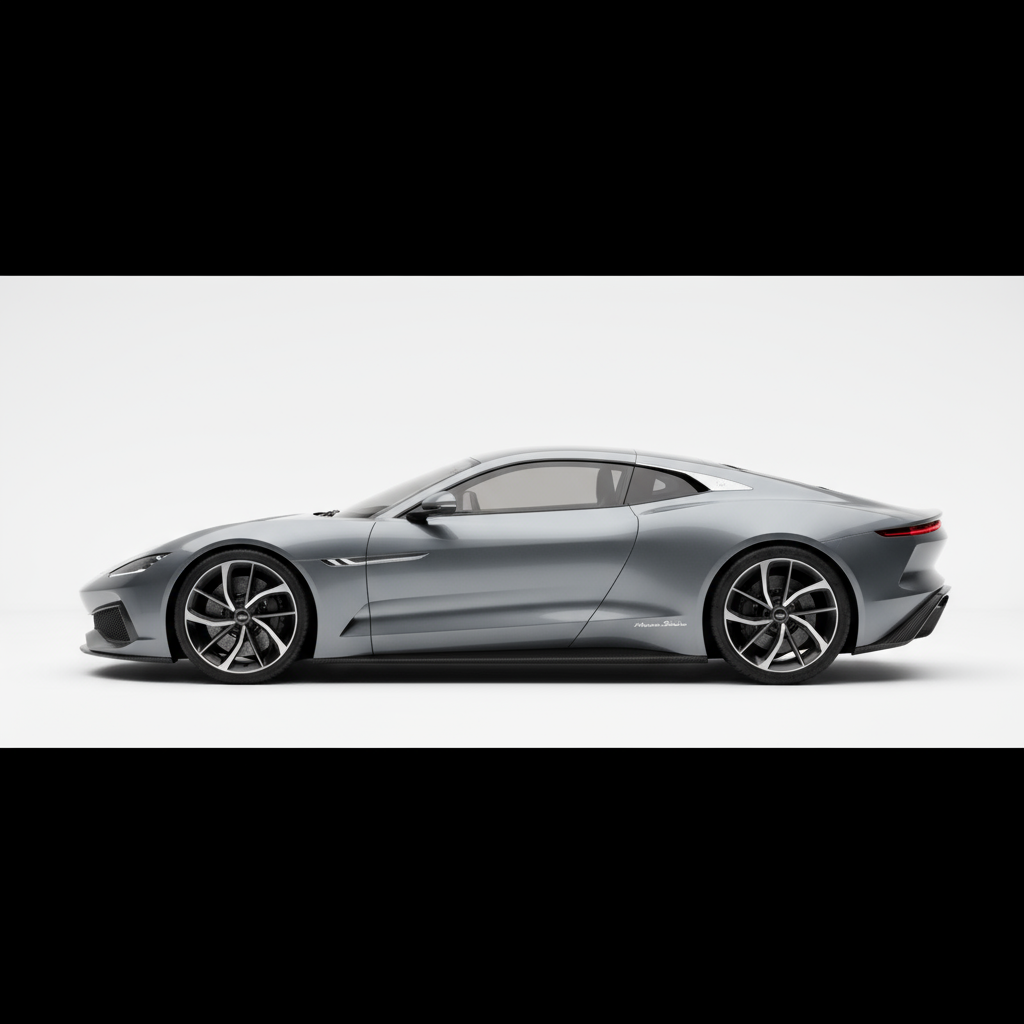
Especificaciones y análisis del Hispano-Suiza Carmen Boulogne
Power
557HP
Torque
-Nm
Consumption
24l/100
Emissions
-g/km
0-100 km/h
2.6s
Top Speed
290km/h
Weight
-kg
Price
1,996,500€
Technical summary
Eléctrico
No disponible --v
RWD
2 / 2 doors
- L
- L
410 kW
Current
Technical specifications
Engine
Capacities
Detailed analysis of the Hispano-Suiza Carmen Boulogne · 557 CV (2020)
General description
The Hispano-Suiza Carmen Boulogne is not just a car, it is the resurrection of a legend. An electric hypercar that evokes the opulence and innovation of one of the most illustrious brands in automotive history, bringing its pioneering spirit into the 21st century with overwhelming force and breathtaking exclusivity.
Driving experience
Getting behind the wheel of the Carmen Boulogne is to experience exquisite violence. The 0 to 100 km/h acceleration in 2.6 seconds crushes you against the seat, an instant and silent kick that redefines the concept of speed. There is no engine roar, but a futuristic hum that accompanies a pure and direct connection with the asphalt, feeling how its 557 electric horsepower launch you towards the horizon in a dance of control and adrenaline.
Design and aesthetics
Its bodywork is a work of art that merges the past and the future. Inspired by the 1938 Dubonnet Xenia, the Carmen Boulogne exhibits a dramatic and aerodynamic silhouette, with its iconic faired rear wheels and a fluidity of lines that seems sculpted by the wind. Every angle is a statement of intent, a celebration of luxury and avant-garde built on a carbon fiber monocoque that is as beautiful as it is functional.
Technology and features
Beneath its carbon skin lies a feat of modern engineering. A fully electric propulsion system with an 80 kWh battery that powers two motors on the rear axle. It reaches 290 km/h and offers a theoretical range of up to 400 km, proving that the most extreme performance can coexist with efficiency. Its double-wishbone chassis and carbon-ceramic brakes ensure absolute control worthy of its incredible power.
Competition
The Carmen Boulogne inhabits an automotive Olympus where rivals are as exclusive as it is. It does not compete against production supercars, but against other ultra-luxury electric automotive jewels like the Rimac Nevera or the Pininfarina Battista. These are machines that transcend the road to become collector's items, symbols of status and technology for an audience that is not looking for a car, but a legend.
Conclusion
In short, the Hispano-Suiza Carmen Boulogne is a dream come true. It is tangible proof that legacy and innovation can go hand in hand to create something truly unique. More than a hypercar, it is a sensory experience, a rolling sculpture, and a piece of automotive history projected into the future. A privilege reserved for a fortunate few who will be able to own and feel the magic of its rebirth.