

Especificaciones y análisis del Honda HR-V
Power
125HP
Torque
144Nm
Consumption
8.6l/100
Emissions
-g/km
0-100 km/h
11.3s
Top Speed
170km/h
Weight
1266kg
Price
20,500€
Technical summary
Gasolina
Manual 5v
AWD
5 / 5 doors
285 L
55 L
92 kW
Current
Technical specifications
Engine
Capacities
Detailed analysis of the Honda HR-V 5P 1.6 VTEC 4WD Top · 125 CV (1998-2006)
General description
The 1999 Honda HR-V wasn't just a car; it was a statement of intent. In a world that was just beginning to flirt with the idea of the crossover, Honda dived in with the 'Joy Machine,' a vehicle that fused the agility of a compact, the stance of an SUV, and a rebellious spirit that made it unforgettable. It was a pioneer, a visionary that paved the way many would follow decades later.
Driving experience
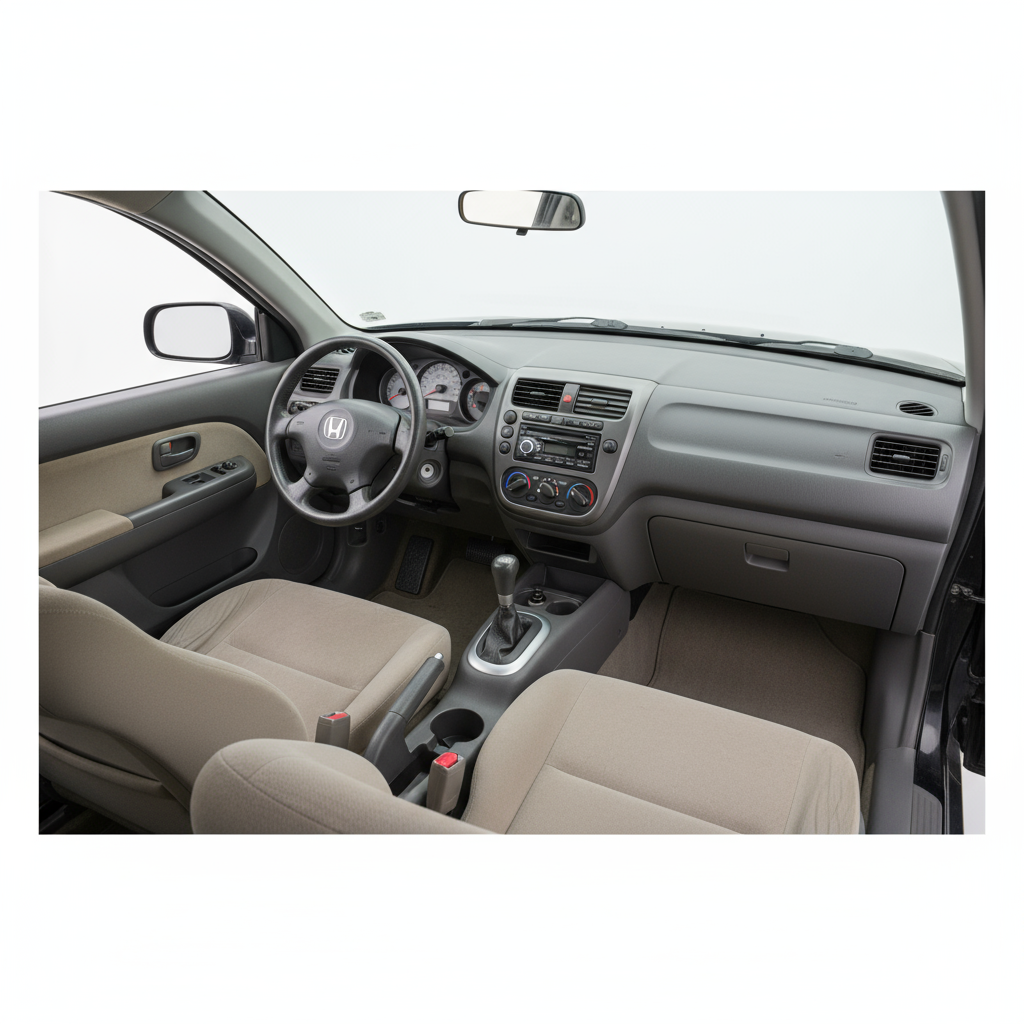
Getting behind the wheel is rediscovering a lost connection. The 125-horsepower 1.6 VTEC engine begs to be revved high, awakening with an intoxicating sound that is pure Honda essence. Its lightness and 'Real Time' 4WD traction deliver surprising agility, turning every corner into an invitation to play. It's not the fastest, but the feeling of control through its five-speed manual transmission and communicative chassis brings a smile to your face that modern cars often forget how to provoke.
Design and aesthetics
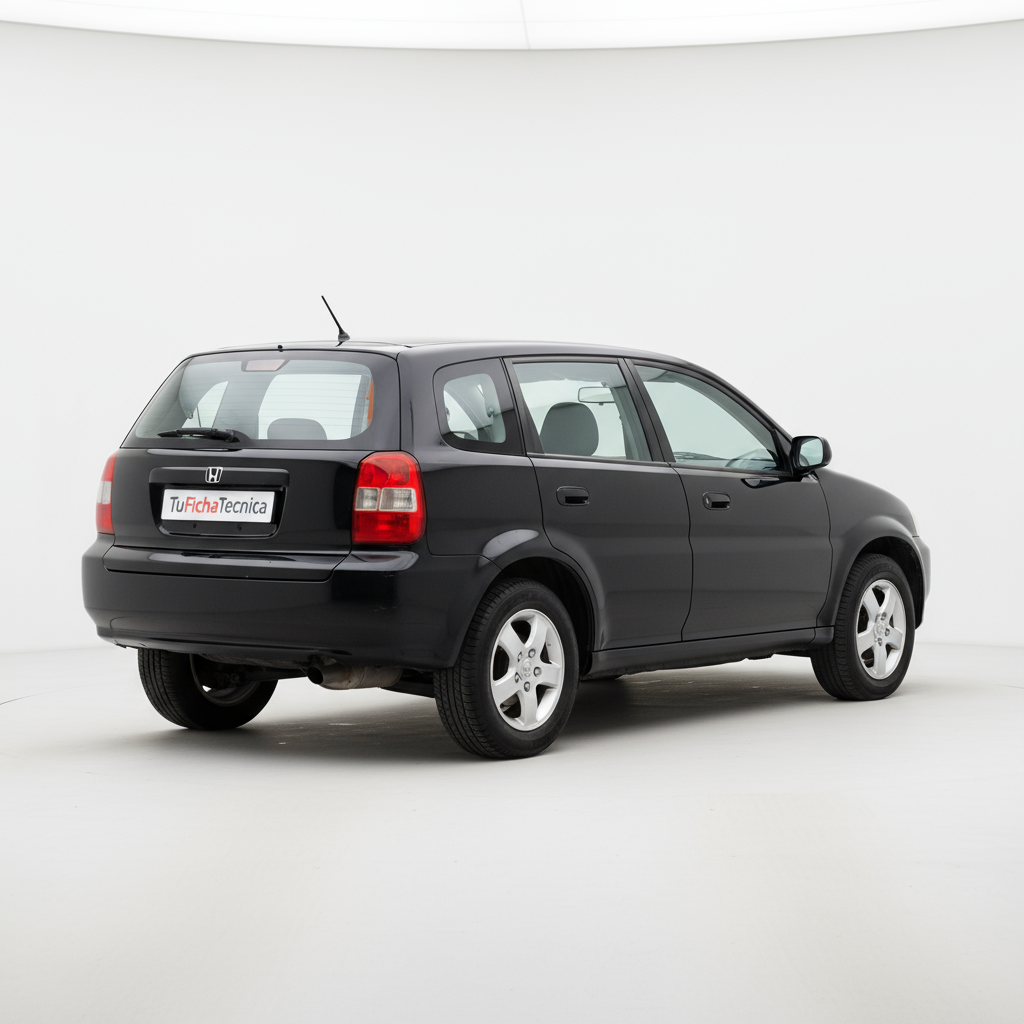
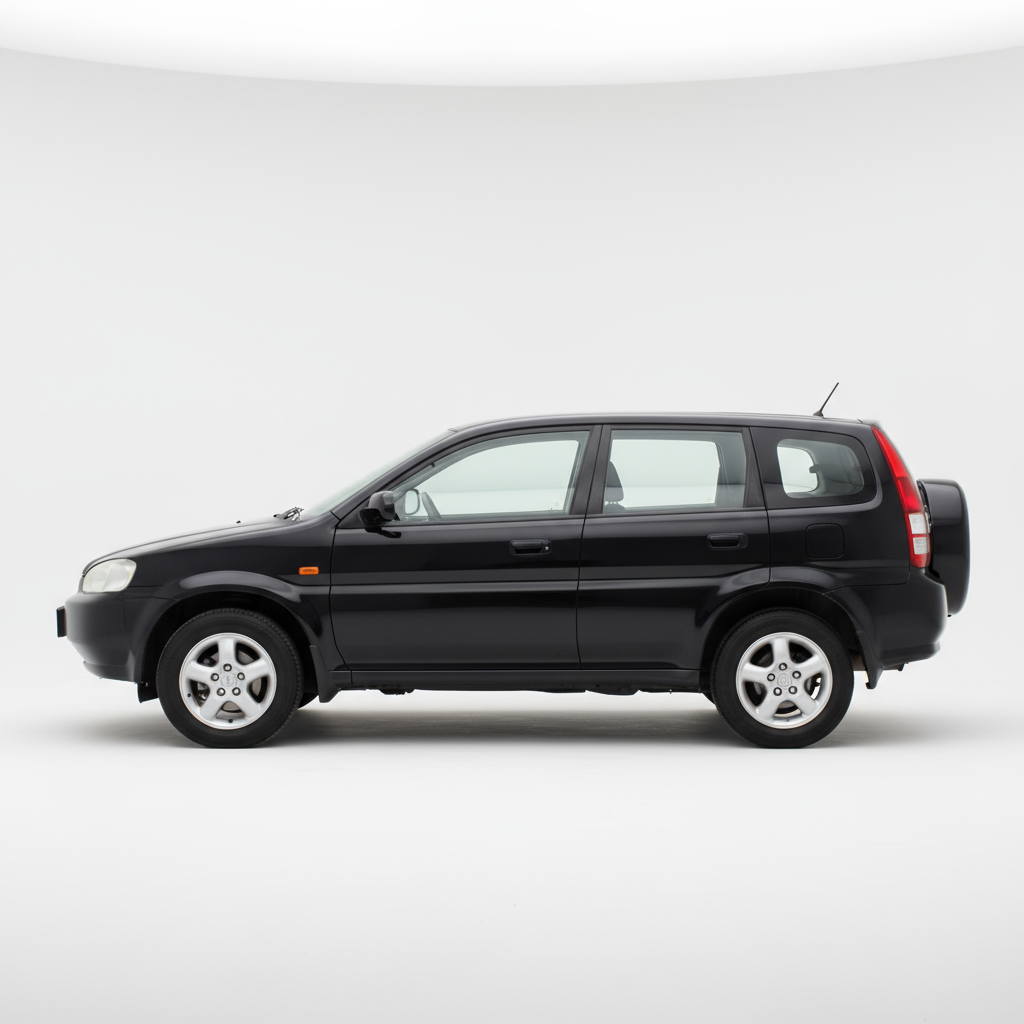
Its design was a bold exercise in futurism that still turns heads. With a silhouette halfway between a sports coupe and an adventure vehicle, the HR-V broke all the molds. Its taut lines, high ground clearance, and those characteristic vertical headlights and taillights created a unique and unmistakable identity. It was a car that didn't ask for permission to be different; it just was, with a charisma that has aged beautifully.
Technology and features
The magic of the HR-V lay in its brilliant mechanical engineering. The VTEC variable valve timing system was cutting-edge technology inherited from racing, offering two personalities in one engine: docile at low revs and explosive in the upper range of the tachometer. Added to this was the 'Real Time' all-wheel drive, an intelligent system that sent torque to the rear axle only when needed, combining efficiency and safety without the complexity of other 4x4 systems of the time.
Competition
At the dawn of compact SUVs, its main rival was the Toyota RAV4. Both represented two philosophies for conquering new territory. While the RAV4 opted for a perhaps more conventional and family-oriented formula, the Honda HR-V was the bold and youthful contender, with a more personal approach and a polarizing design. It was a battle between two Japanese giants that defined a segment that now dominates the market.
Conclusion
The first-generation Honda HR-V is much more than just a used car; it's a piece of automotive history. It represents an era of courage and originality, a vehicle that was ahead of its time and offered a pure and fun driving experience. Its legendary reliability and timeless design make it a modern classic, a reminder that the true joy of driving is often found in simplicity and character.