
Especificaciones y análisis del Honda NSX
Power
280HP
Torque
298Nm
Consumption
12.4l/100
Emissions
-g/km
0-100 km/h
5.7s
Top Speed
270km/h
Weight
1380kg
Price
120,000€
Technical summary
Gasolina
Manual 6v
RWD
2 / 2 doors
- L
70 L
206 kW
Current
Technical specifications
Engine
Capacities
Detailed analysis of the Honda NSX 3.2 V6 VTEC Coupe · 280 CV (2003-2005)
General description
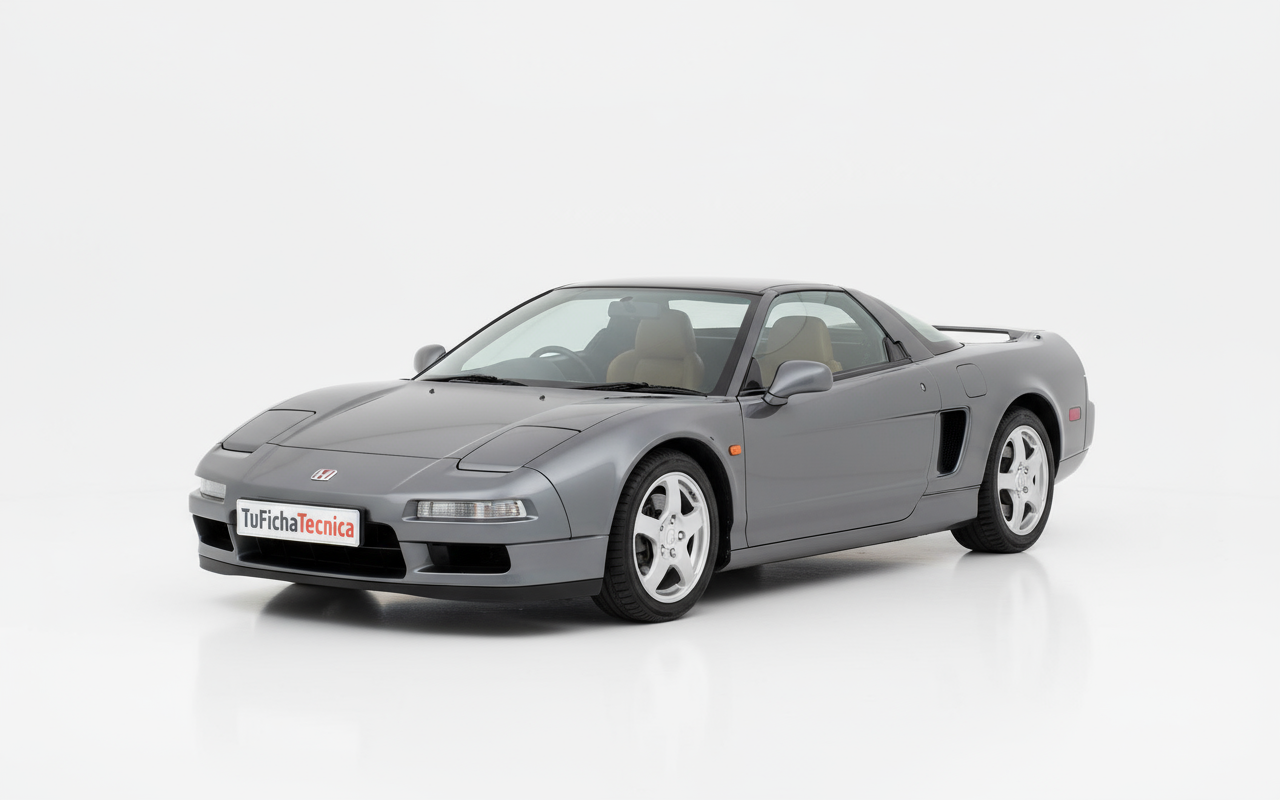
The 2002 Honda NSX is not just a car, it's a legend forged on asphalt. Born to challenge European supercars, this Japanese icon represents the pinnacle of Honda's engineering, an analog dream that prioritizes the pure, visceral connection between driver and machine above all else.
Driving experience
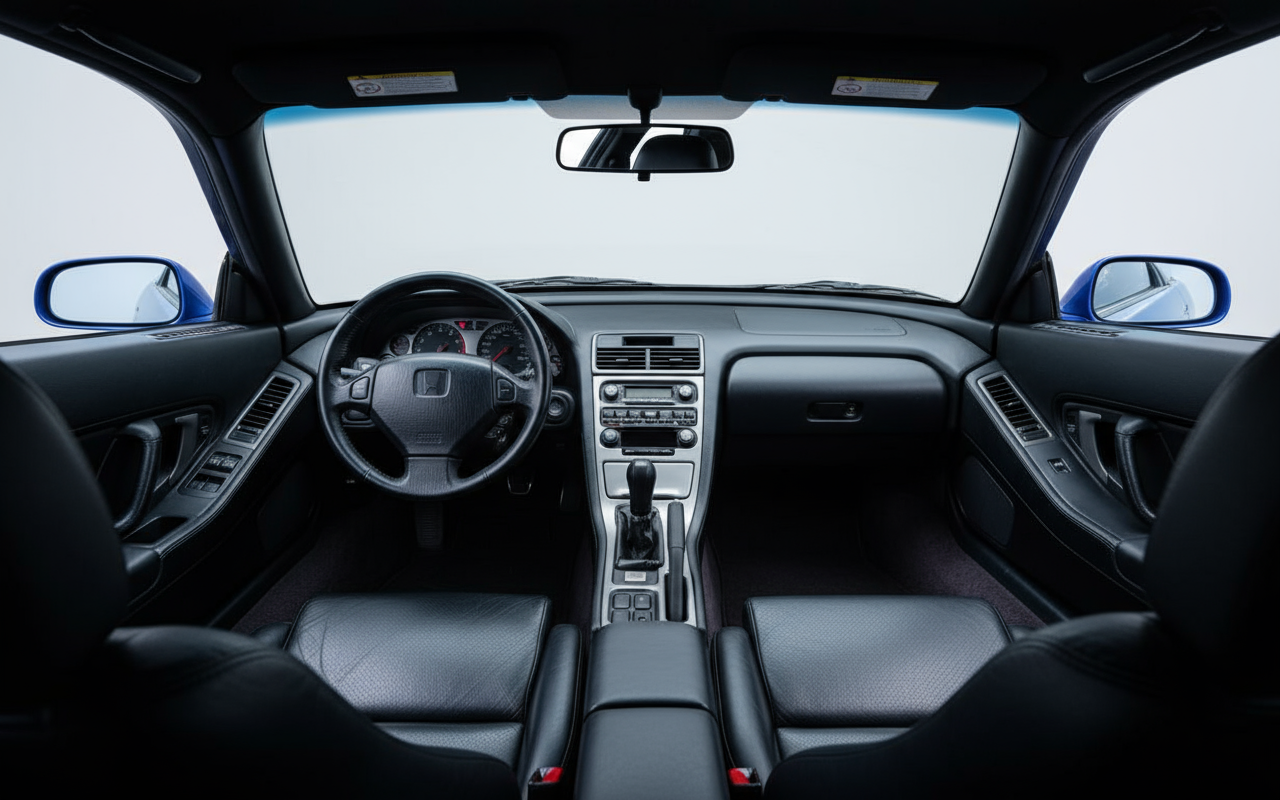
Driving the NSX is a mechanical symphony that gives you goosebumps. The V6 VTEC engine behind you is a work of art that screams with fury up to 7300 rpm, pushing you with an addictive urgency. Every shift of its precise six-speed manual gearbox is a tactile pleasure, and its aluminum chassis communicates every texture of the asphalt. It's not the fastest in a straight line, but on a winding road, its agility, balance, and the feeling of absolute control make you feel like a real driver.
Design and aesthetics
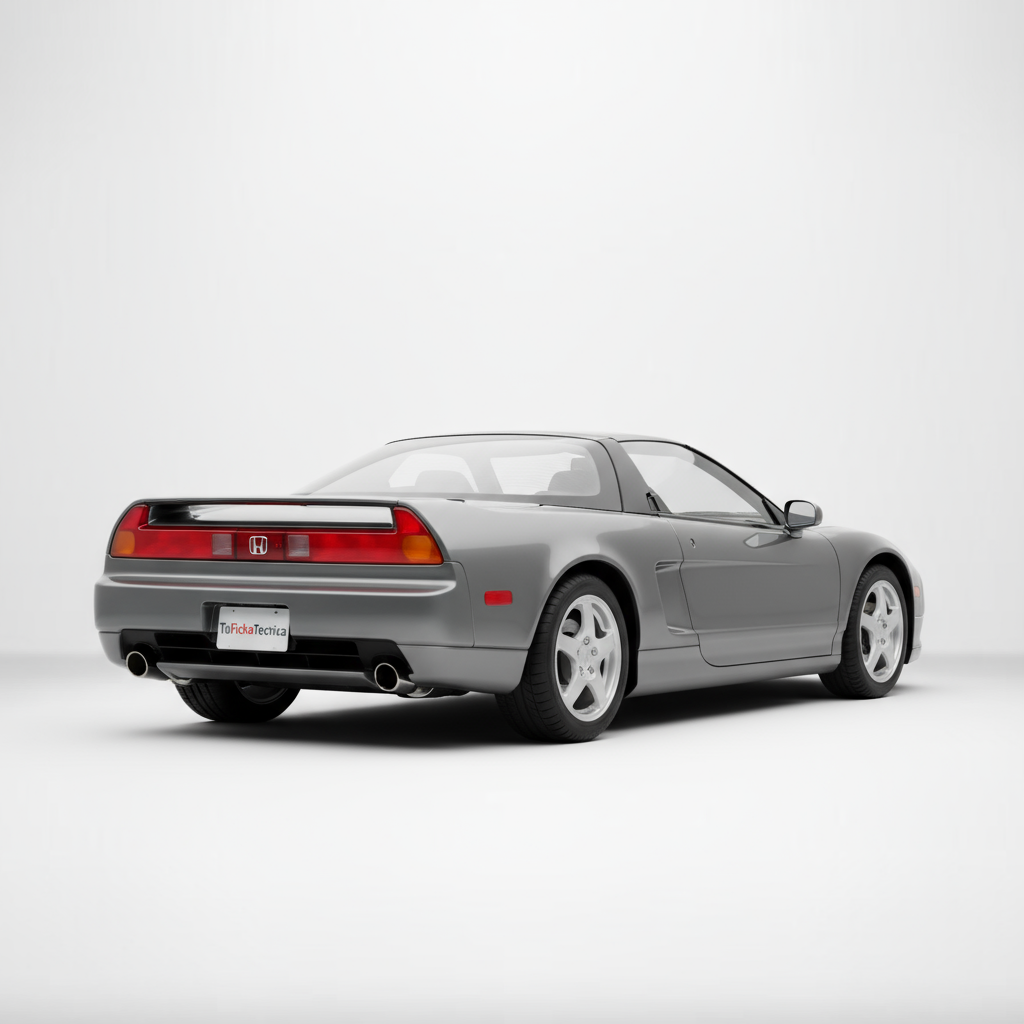
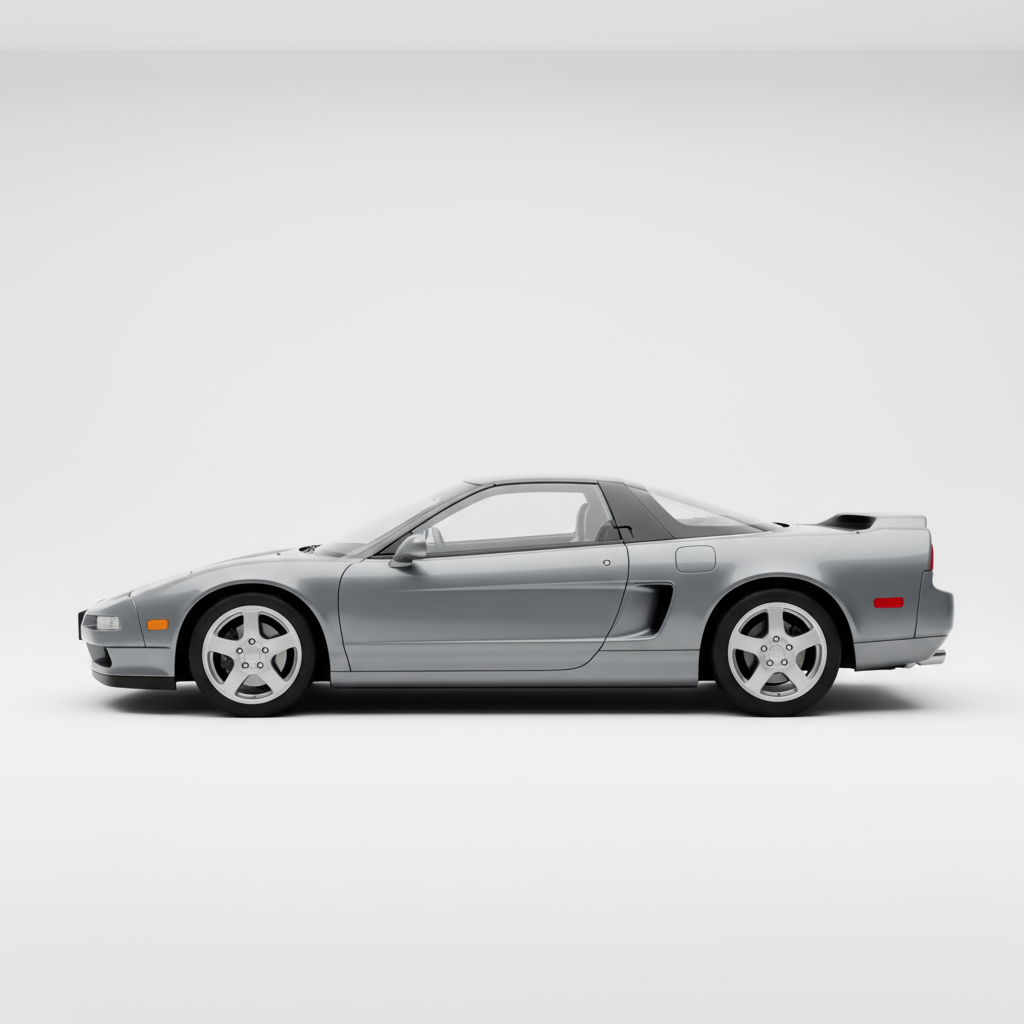
Its silhouette, inspired by a fighter jet, is timeless and magnetic. With its sharp nose, forward cabin, and unmistakable rear, the NSX radiates purpose and elegance. The 2002 version, with its fixed headlights, modernized an already iconic line. It's a design that doesn't shout, but whispers confidence and aerodynamic sophistication, a sculpture that still turns heads decades later.
Technology and features
Beneath that aluminum skin lies a technological feat. It was the first production car with an all-aluminum monocoque chassis, an innovation that gave it extraordinary lightness and rigidity for its time. The engine with the VTEC system and the aluminum block and cylinder head were a testament to Honda's dominance in competition. Everything, from the double-wishbone suspension to the cockpit ergonomics, was designed with obsessive precision to create the ultimate, usable supercar.
Competition
The NSX dared to go head-to-head with legends like the Ferrari 360 Modena and the Porsche 911. While its European rivals played the card of passion and drama, the Honda offered a smart and devastatingly effective alternative. What it might have lacked in brand prestige, it made up for with bulletproof reliability and an everyday usability that was simply unthinkable in other supercars of the era.
Conclusion
The Honda NSX is much more than the sum of its parts; it's the soul of a golden era of Japanese motoring. It represents the conviction that high performance doesn't have to be at odds with reliability and daily enjoyment. Today, it is a revered classic, an analog treasure in a digital world, offering one of the purest and most rewarding driving experiences money can buy.