
Especificaciones y análisis del Hyundai i30
Power
90HP
Torque
220Nm
Consumption
4.1l/100
Emissions
109g/km
0-100 km/h
13.5s
Top Speed
170km/h
Weight
1360kg
Price
18,200€
Technical summary
Gasóleo
Manual 6v
FWD
5 / 3 doors
378 L
53 L
66 kW
Current
Technical specifications
Engine
Capacities
Detailed analysis of the Hyundai i30 3p 1.4 CRDI 90 CV City S (2013)
General description
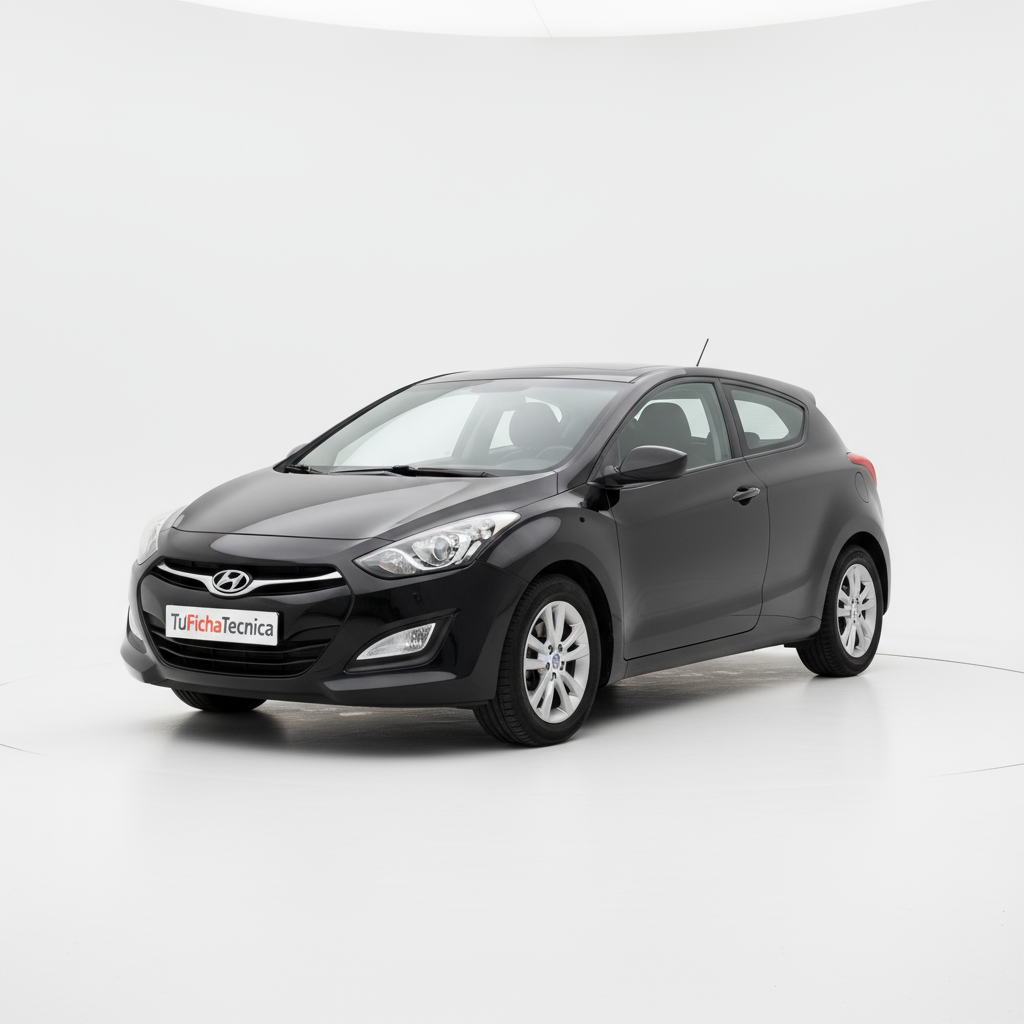
The 2012 three-door Hyundai i30 was much more than just a compact car; it was a statement of intent from a brand in full transformation. With this model, Hyundai not only sought to compete, but to captivate, offering a vehicle that combined a stunning design with the sensibility and reliability that were already becoming its hallmark in Europe.
Driving experience
Behind the wheel, the i30 with its 90 hp 1.4 CRDI engine conveys a sense of calm and efficiency. It's not a sports car, its acceleration is modest, but its diesel heart pushes smoothly and decisively from low revs thanks to generous torque. It is a tireless travel companion, quiet for its time and with a road presence that inspires confidence, thanks to a multi-link rear suspension that masterfully filters out irregularities. It invites you to devour kilometers without fatigue and with ridiculously low fuel consumption.
Design and aesthetics
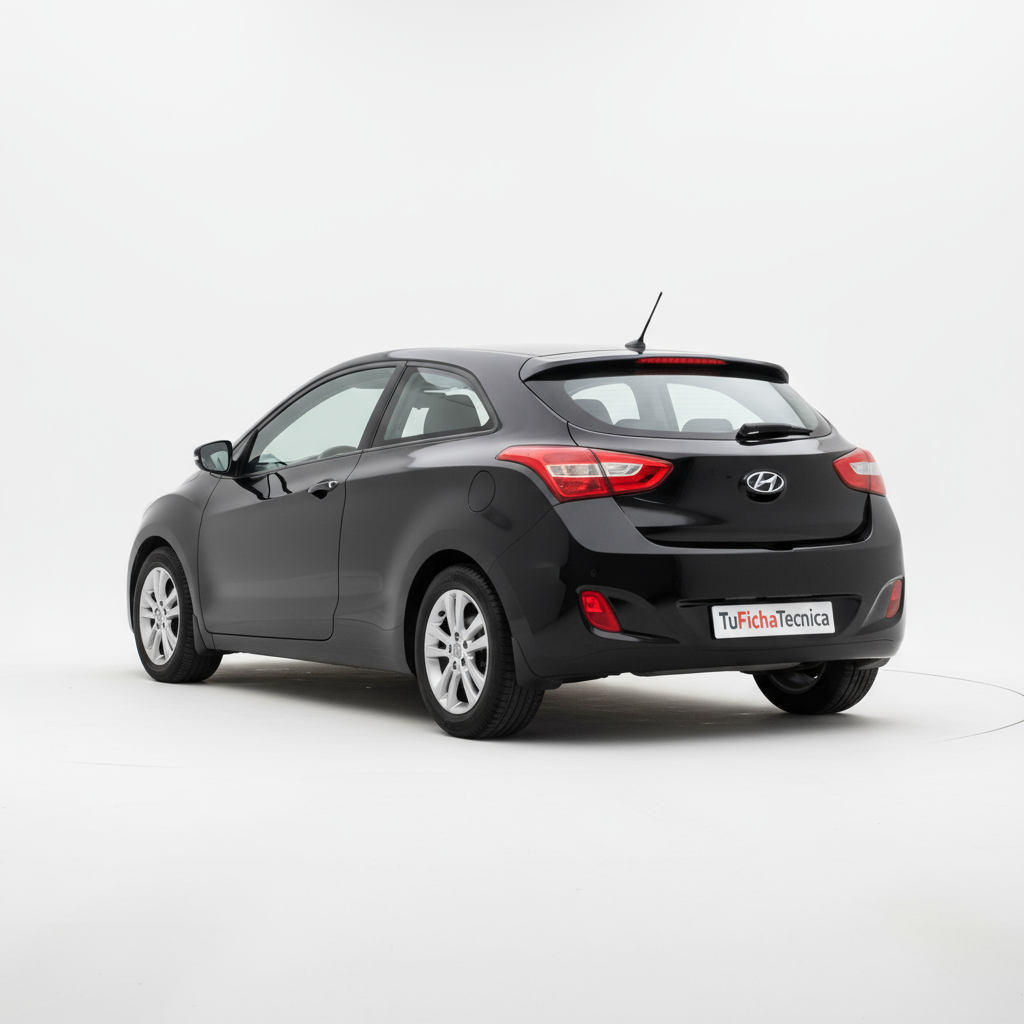
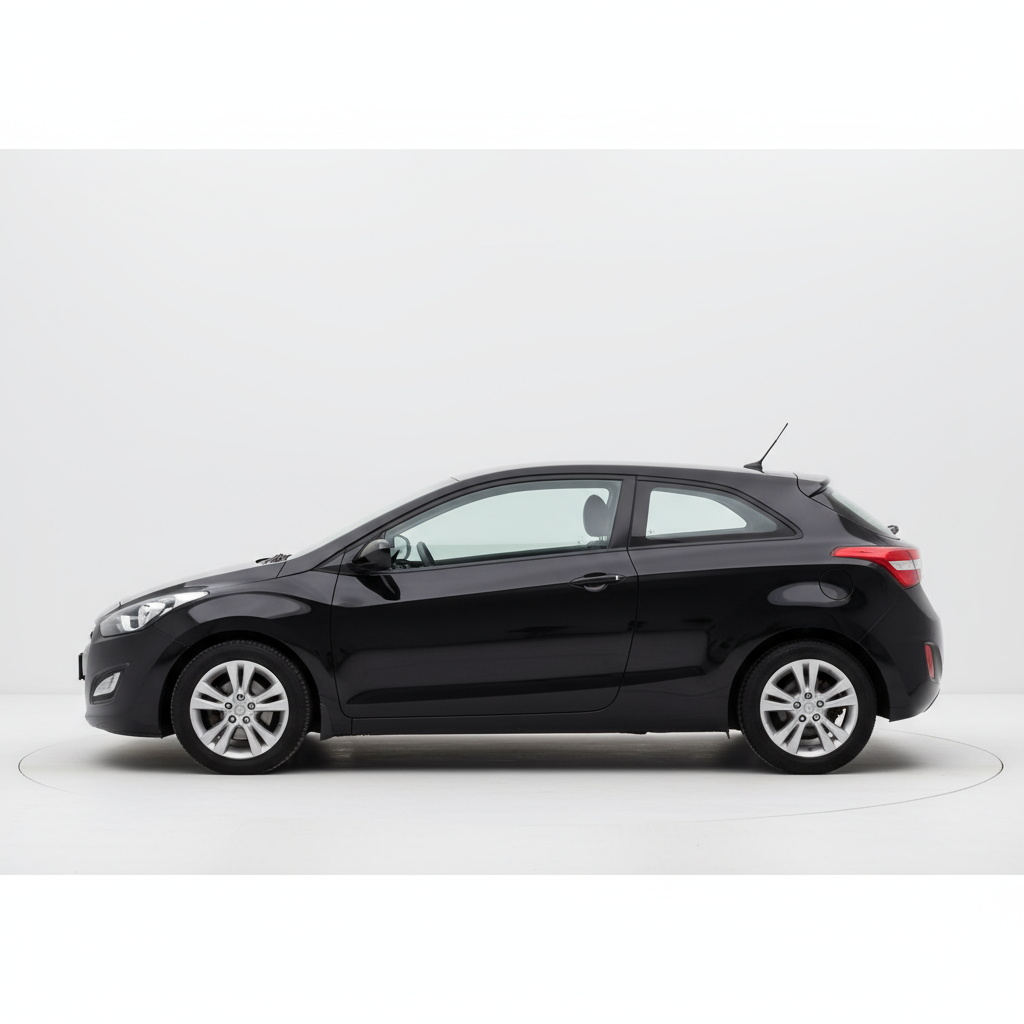
Its three-door body is an ode to Hyundai's 'Fluidic Sculpture' design. The lines flow with a naturalness and muscular tension that made it stand out powerfully among its rivals. The aggressive front, the rising waistline, and a compact, well-resolved rear created a dynamic and youthful silhouette. It was the car that proved a Hyundai could be an object of desire, a car you would turn to look at after parking it.
Technology and features
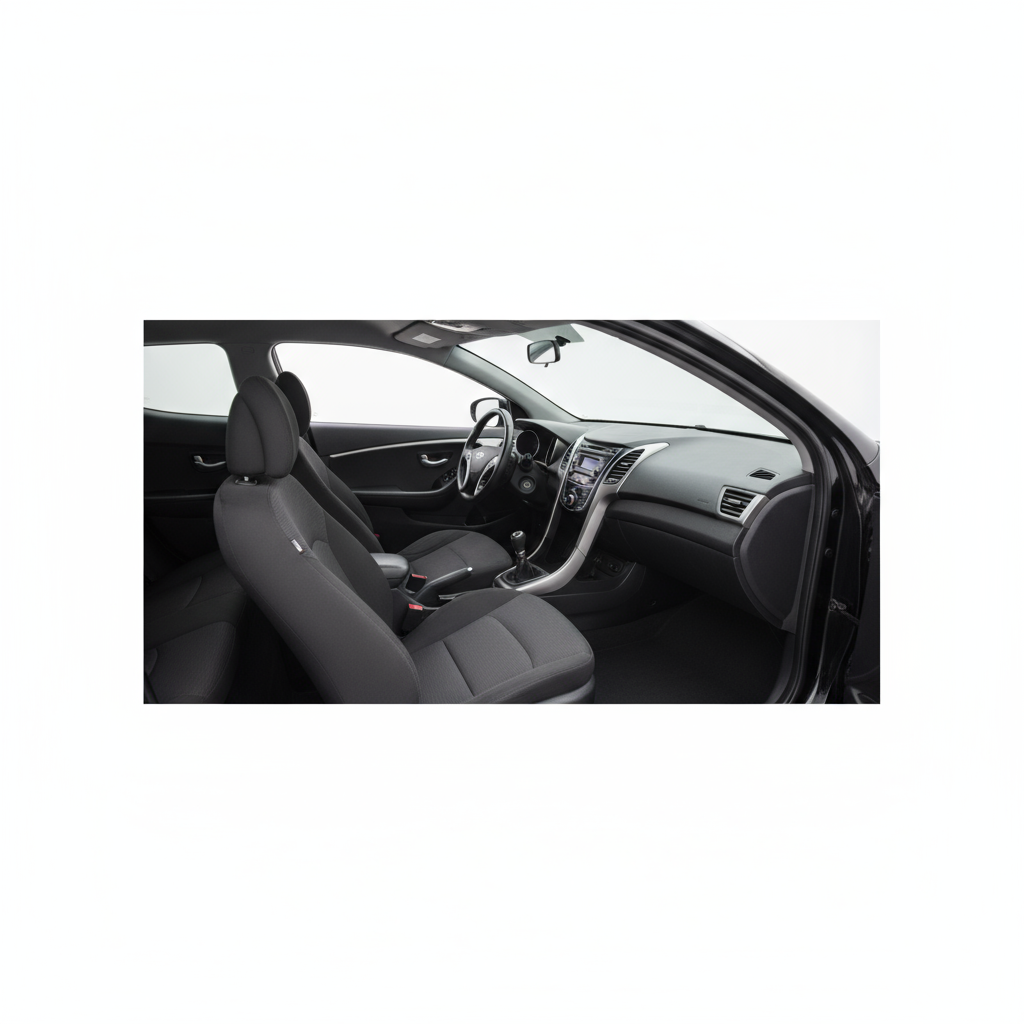
In its City S version, the technology focused on the essential and effective. It featured electric power steering that adapted to speed, offering comfort in the city and firmness on the highway. The engine, with common-rail direct injection and a variable geometry turbo, was a piece of modern engineering aimed at maximum efficiency and compliance with Euro 5 regulations. Although it didn't dazzle with touch screens, its equipment was honest and functional, built to last.
Competition
This i30 fearlessly faced the European giants of the C-segment. It went head-to-head with legends like the Volkswagen Golf, the Ford Focus, or the SEAT León, and stood up to the coupé versions of models like the Renault Mégane or the Opel Astra GTC. Its great argument was not just a competitive price, but a formidable balance between design, perceived quality, and very low running costs.
Conclusion
The Hyundai i30 3-door was a turning point. A car that won you over with its looks and convinced you with its logic. It represents the smart buy with a passionate soul; a reliable, incredibly economical vehicle wrapped in one of the most attractive bodies of its time. It is tangible proof that practicality does not have to be at odds with beauty and emotion.