
Especificaciones y análisis del Hyundai i30
Power
100HP
Torque
137Nm
Consumption
6l/100
Emissions
139g/km
0-100 km/h
12.8s
Top Speed
182km/h
Weight
1260kg
Price
13,657€
Technical summary
Gasolina
Manual 6v
FWD
5 / 3 doors
378 L
53 L
73.6 kW
Current
Technical specifications
Engine
Capacities
Detailed analysis of the Hyundai i30 3p 1.4 MPi 100 CV Base (2013)
General description
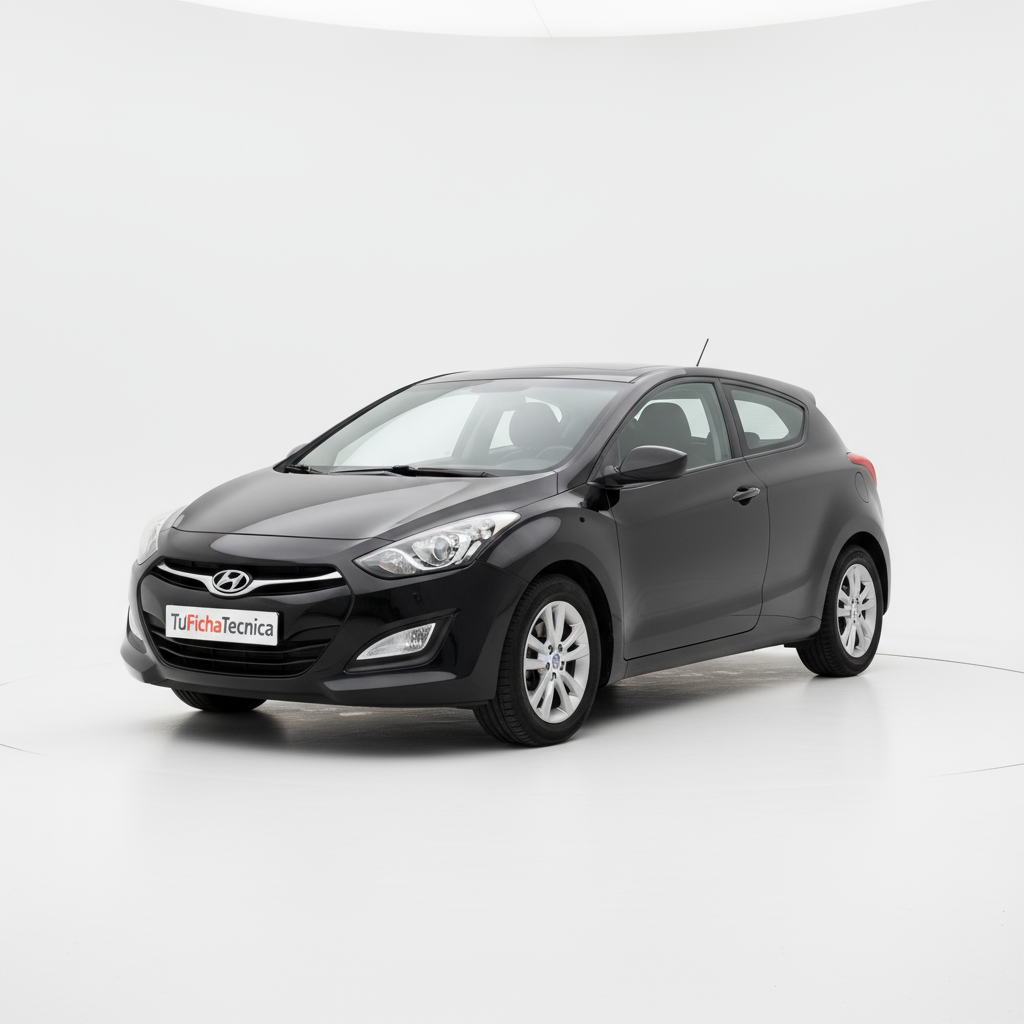
The 2012 3-door Hyundai i30 is more than just a simple compact; it's a statement of intent from the Korean brand. With this body style, it sought to win over a younger, more dynamic audience, offering a car with a sporty touch without sacrificing the practicality and balance that characterized the 5-door version. A vehicle that promised reliability and an affordable cost, wrapped in a head-turning design.
Driving experience
Behind the wheel, the i30 with its 100 HP 1.4 MPi engine feels honest and willing. It's not a radical sports car, but its lightness and the 6-speed manual gearbox invite an agile and entertaining drive. The naturally aspirated engine requires playing with the gears to extract its potential, which can be very rewarding. The suspension, with a McPherson strut front and a multi-link rear, offers an excellent compromise between comfort and stability, conveying confidence in every corner and making long trips surprisingly comfortable.
Design and aesthetics
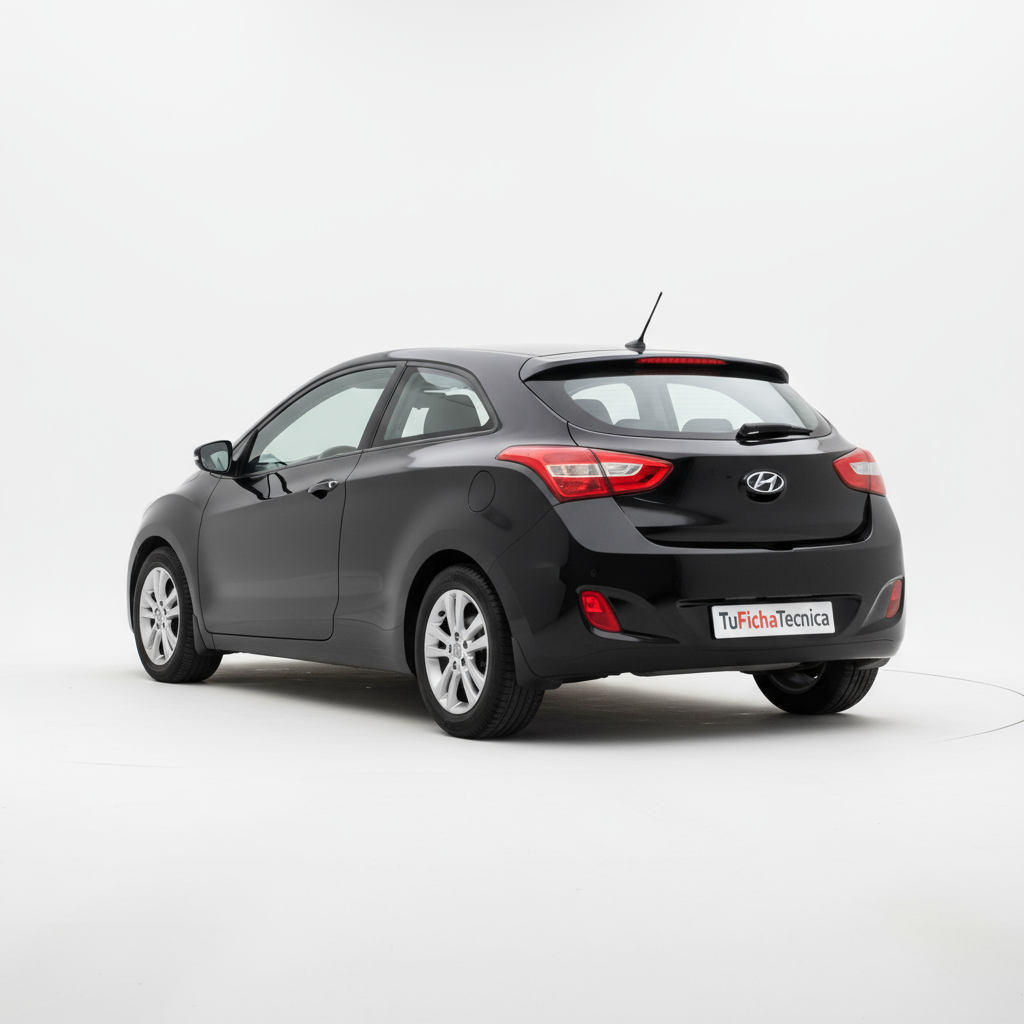
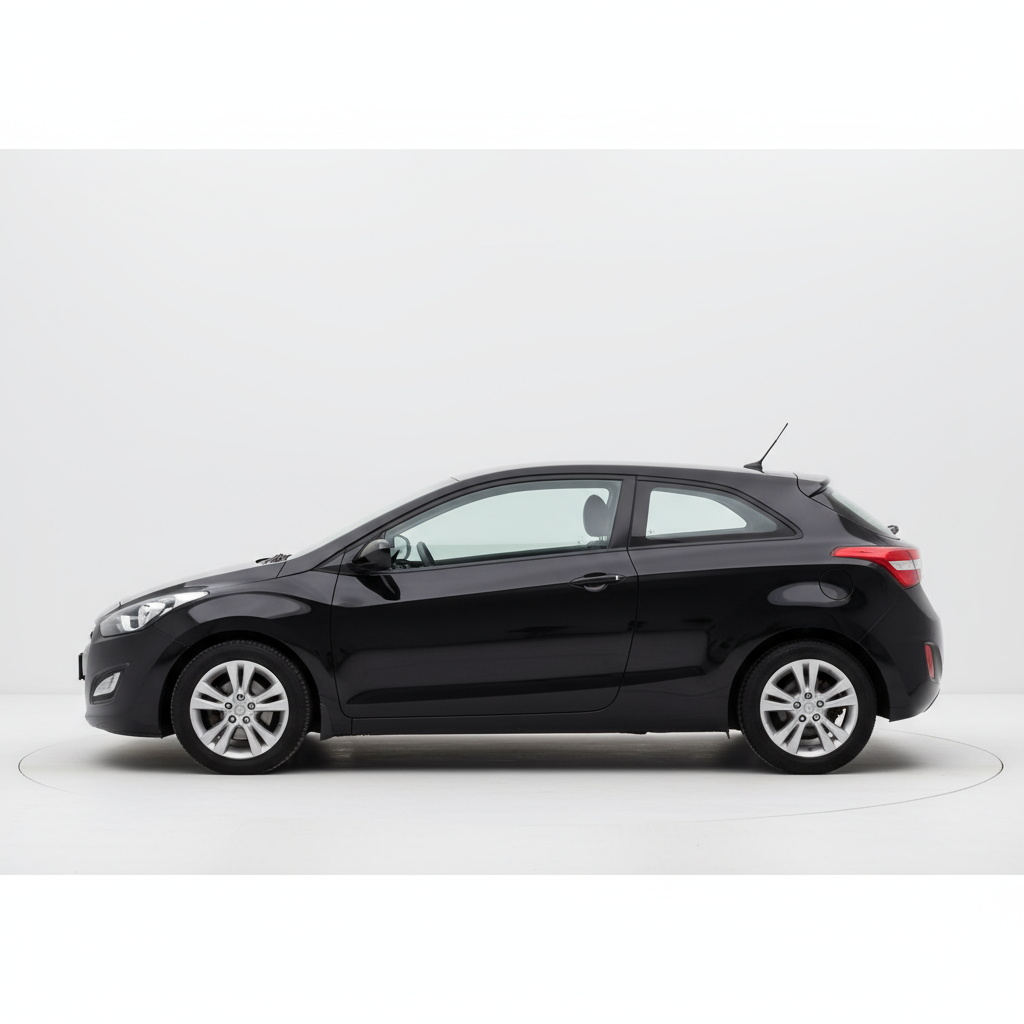
The design of this i30 generation, and particularly the 3-door version, was a qualitative leap for Hyundai. It abandoned conservative shapes to embrace the 'Fluidic Sculpture' design language. The result is a car with fluid lines, a prominent hexagonal grille, and sharp headlights that give it an aggressive and modern look. The steeper roofline and rising rear windows accentuate its coupé character, clearly differentiating it from its 5-door sibling.
Technology and features
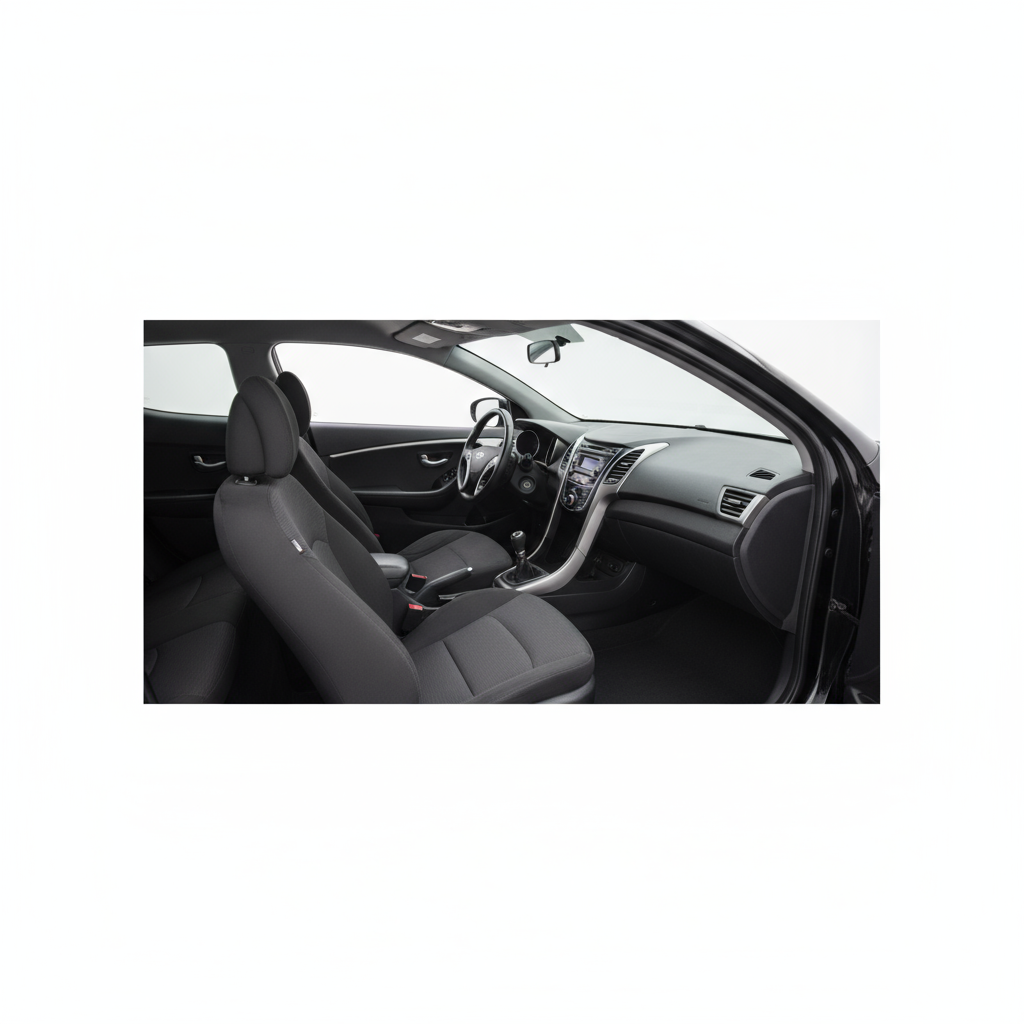
In its entry-level version, the technology was functional and sufficient for the time. Don't expect large touch screens or advanced driving assistants, but essential elements like air conditioning, an audio system with auxiliary and USB connections, and an on-board computer were present. The electric power steering with variable stiffness was an interesting detail, allowing the steering response to be adapted to the driver's preference. Safety was not overlooked, with a full set of airbags and standard stability control.
Competition
In 2012, the 3-door compact segment was in full swing. The Hyundai i30 faced established titans like the Volkswagen Golf, the SEAT León SC, and the Renault Mégane Coupé. It also competed with other models with strong personalities like the Opel Astra GTC or the Ford Focus. Against them, the i30 played the cards of a very attractive design, an extensive warranty that conveyed confidence, and a hard-to-beat quality-price ratio.
Conclusion
The Hyundai i30 3p 1.4 MPi 100 HP is a car that leaves a fond memory. It represents the moment when Hyundai proved it could make cars that were not only reliable and affordable but also desirable and with soul. It's the perfect choice for someone looking for a stylish first car, an economical and reliable daily companion, or simply a different compact with a sporty aesthetic. A balanced vehicle that, without great displays of power, manages to bring a smile to your face.