
Especificaciones y análisis del Hyundai i30
Power
110HP
Torque
260Nm
Consumption
4.1l/100
Emissions
109g/km
0-100 km/h
11.5s
Top Speed
185km/h
Weight
1365kg
Price
17,500€
Technical summary
Gasóleo
Manual 6v
FWD
5 / 3 doors
378 L
53 L
81 kW
Current
Technical specifications
Engine
Capacities
Detailed analysis of the Hyundai i30 3p 1.6 CRDI 110 CV City S (2013)
General description
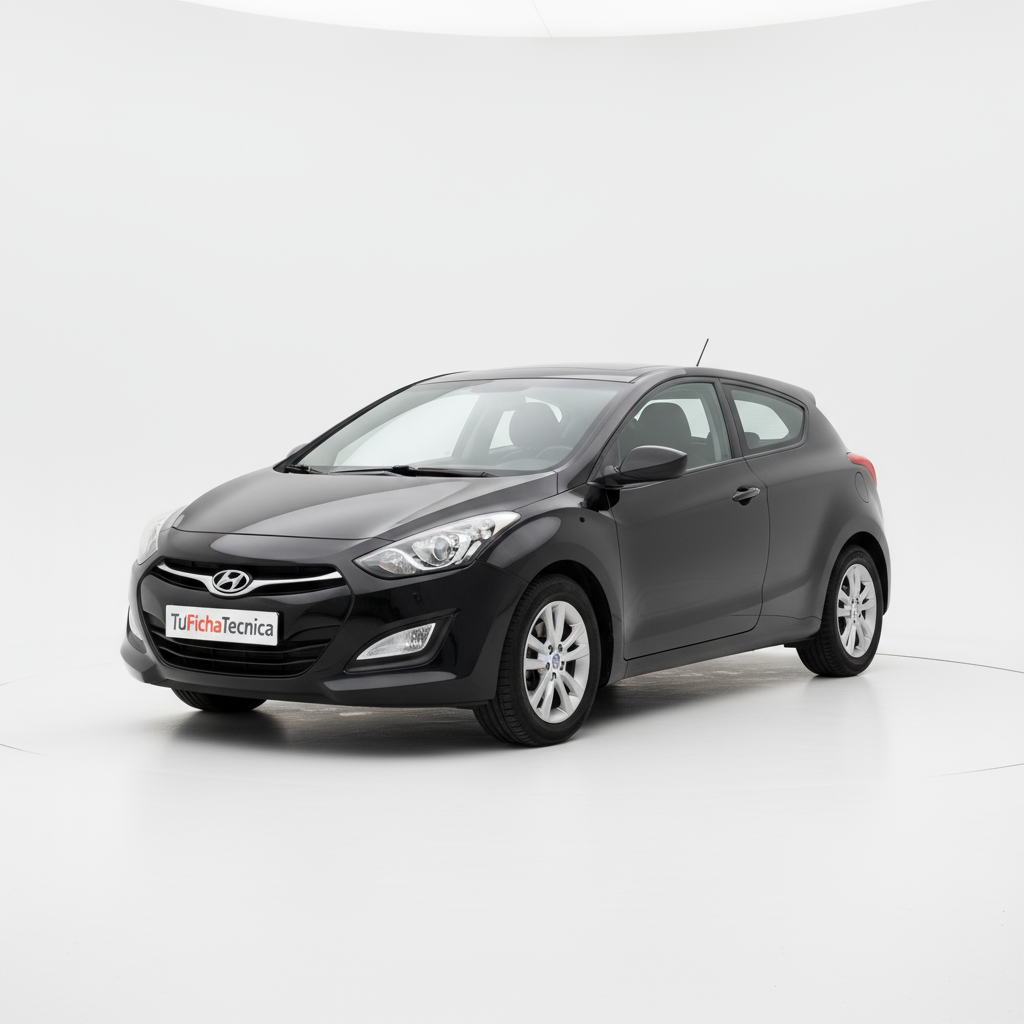
The three-door Hyundai i30 arrived in 2012 as a breath of fresh air, a statement of intent that showed a practical and sensible car could also stir passions. This variant, with its sportier silhouette, was not just another compact; it was the promise of a reliable, economical travel companion with a soul that invited you to enjoy every kilometer.
Driving experience
Behind the wheel, the 1.6 CRDI 110-horsepower engine feels full of life and surprisingly energetic thanks to its generous torque from low revs. The six-speed manual gearbox is precise and allows for more than enough performance for daily use, all with fuel consumption that will make you smile at every visit to the gas station. It's not a pure sports car, but its well-tuned chassis conveys a sense of poise and security that inspires confidence, making every curve a pleasant and controlled experience.
Design and aesthetics
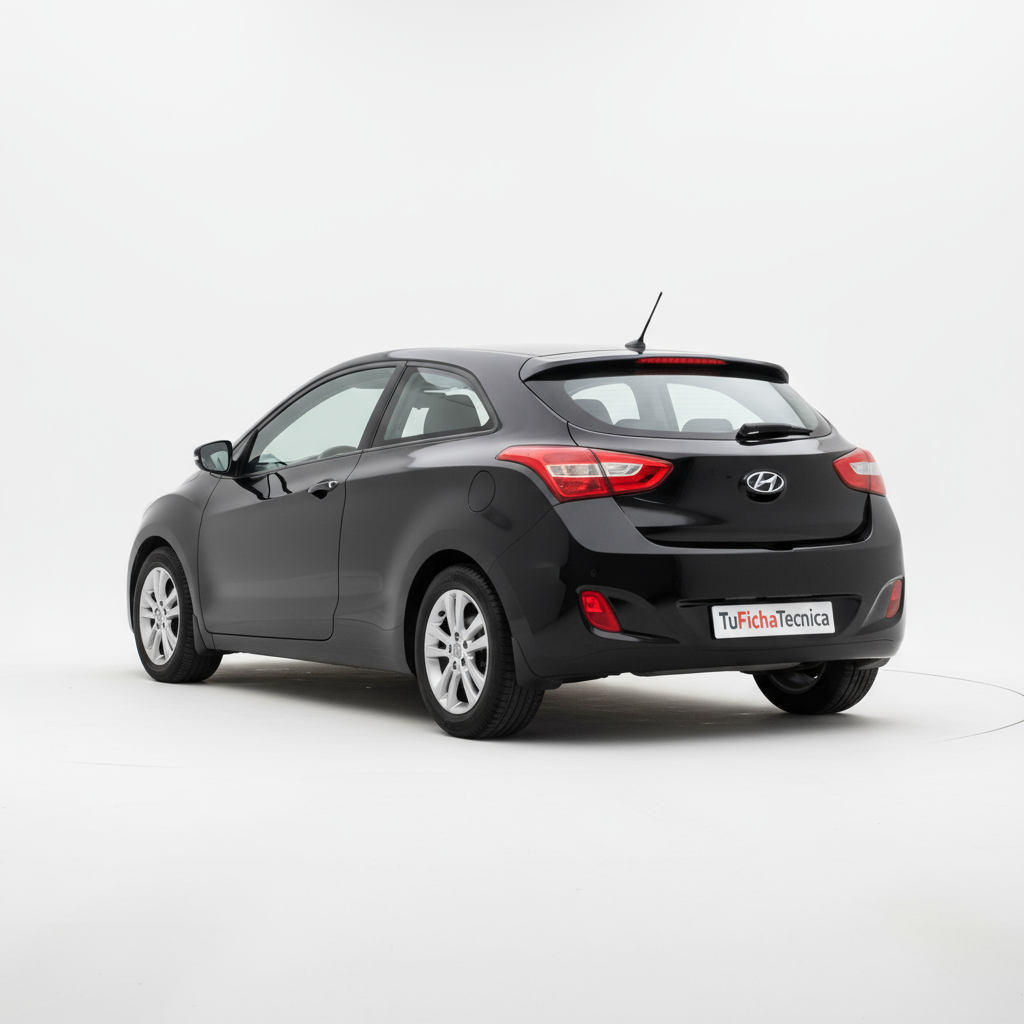
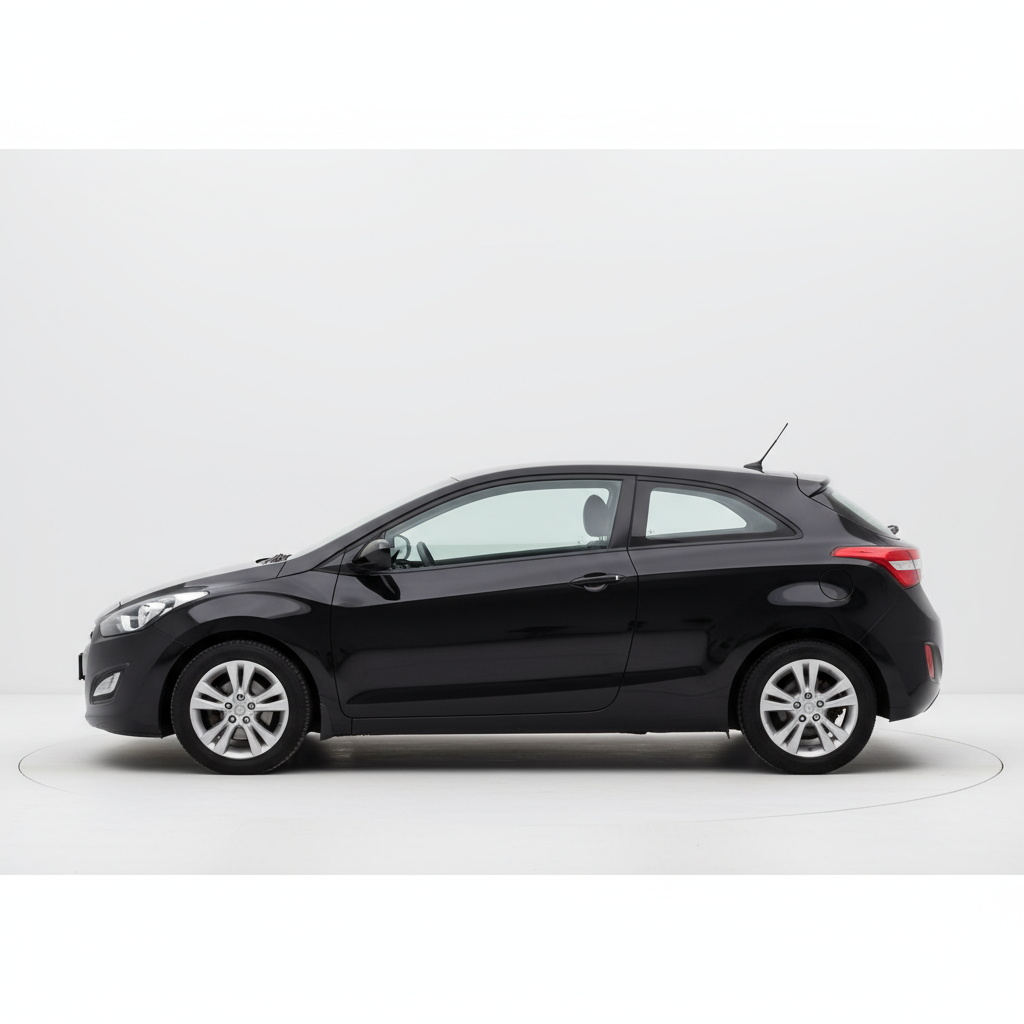
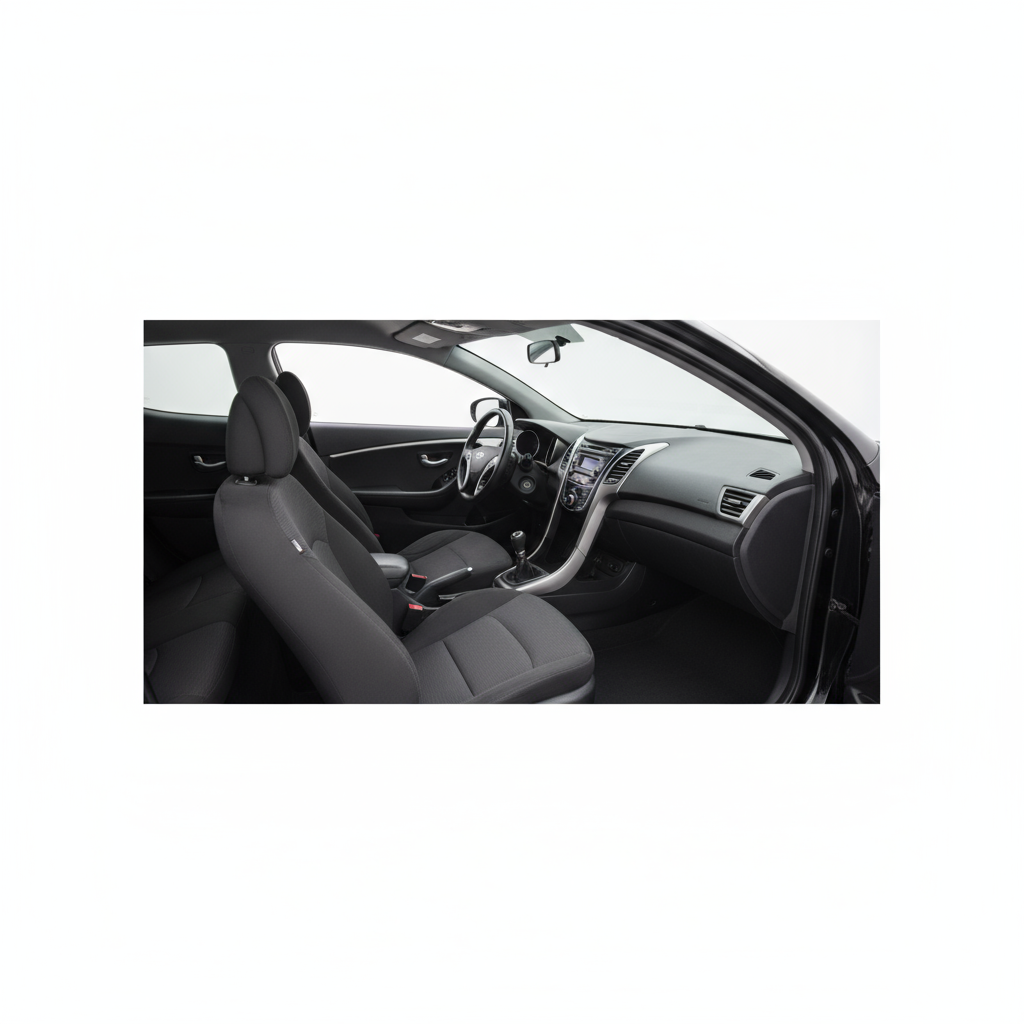
Its design is one of its greatest strengths. The fluid lines and the absence of rear doors give it a coupé-like appearance, more dynamic and youthful than its five-door sibling. It's a car that ages with dignity, maintaining a modern and attractive aesthetic. Inside, the space is surprisingly generous and the materials, although simple, convey a sense of durability and good assembly. It's proof that an emotional design doesn't have to be at odds with functionality.
Technology and features
At the time, the i30 offered a correct and essential-focused technological package. The variable electric power steering was a highlight, allowing for comfortable driving in the city and firmer handling on the highway. Although it didn't feature the latest advancements of the era like the Start-Stop system in this version, its safety and comfort equipment more than met expectations, offering everything necessary to make journeys safe and pleasant without unnecessary complications.
Competition
It faced established giants like the Volkswagen Golf, the SEAT León SC, or the Ford Focus. However, the Hyundai i30 managed to carve out a niche with very solid arguments: an exceptional quality-price ratio, a captivating design, and a reliability that was beginning to be the envy of many. It was the smart alternative for those looking for a complete car without paying a premium for the badge on the hood.
Conclusion
The three-door Hyundai i30 is much more than just a rational choice. It's a car that perfectly balances the efficiency of its diesel engine, the practicality of a compact, and the emotion of a characterful design. It represents a masterstroke purchase for those who value reliability and low running costs but don't want to give up a car that makes them turn their head when they park it. A loyal companion that, years later, remains an incredibly sensible and attractive option.