
Especificaciones y análisis del Hyundai i30
Power
90HP
Torque
235Nm
Consumption
4.7l/100
Emissions
125g/km
0-100 km/h
14.9s
Top Speed
172km/h
Weight
1366kg
Price
15,719€
Technical summary
Gasóleo
Manual 5v
FWD
5 / 5 doors
340 L
53 L
66 kW
Current
Technical specifications
Engine
Capacities
Detailed analysis of the Hyundai i30 1.6 CRDi 90 Classic · 90 CV (2007-2008)
General description
The 2007 Hyundai i30, in its 1.6 CRDi 90 HP Classic version, presents itself as a sensible and accessible option in the compact segment. Priced at €15,719, this model aimed to offer a competitive alternative to established market players, standing out for its fuel-efficient diesel engine and functional everyday equipment. It is a car that, without great fanfare, promised to meet the expectations of a public looking for reliability and economy.
Driving experience
Behind the wheel of the i30 1.6 CRDi 90 HP, the sensations are of an honest and predictable car. Its 90 horsepower and 235 Nm of torque, available from 1900 rpm, give it adequate response for urban driving and road trips without great demands. The acceleration from 0 to 100 km/h in 14.9 seconds and a top speed of 172 km/h do not make it a sports car, but rather an efficient travel companion. The combined consumption of 4.7 l/100km is one of its strong points, inviting you to cover kilometers with peace of mind. The suspension, McPherson type at the front and deformable parallelogram at the rear, seeks a balance between comfort and stability, absorbing road irregularities without transmitting excessive vibrations to the cabin. The rack-and-pinion steering offers assistance that facilitates maneuvers in the city, although it might lack the precision sought by more enthusiastic drivers. In general, it is a car that conveys confidence and safety, without unpleasant surprises.
Design and aesthetics
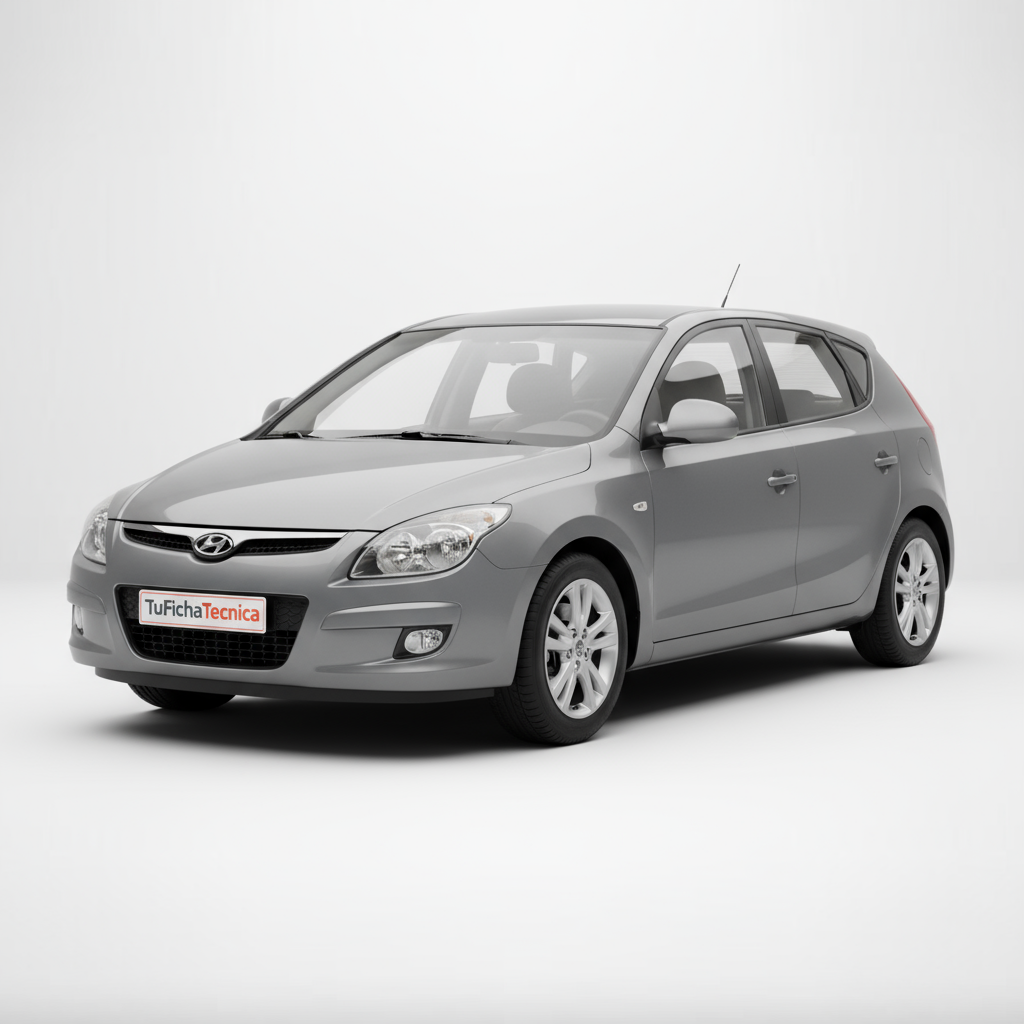
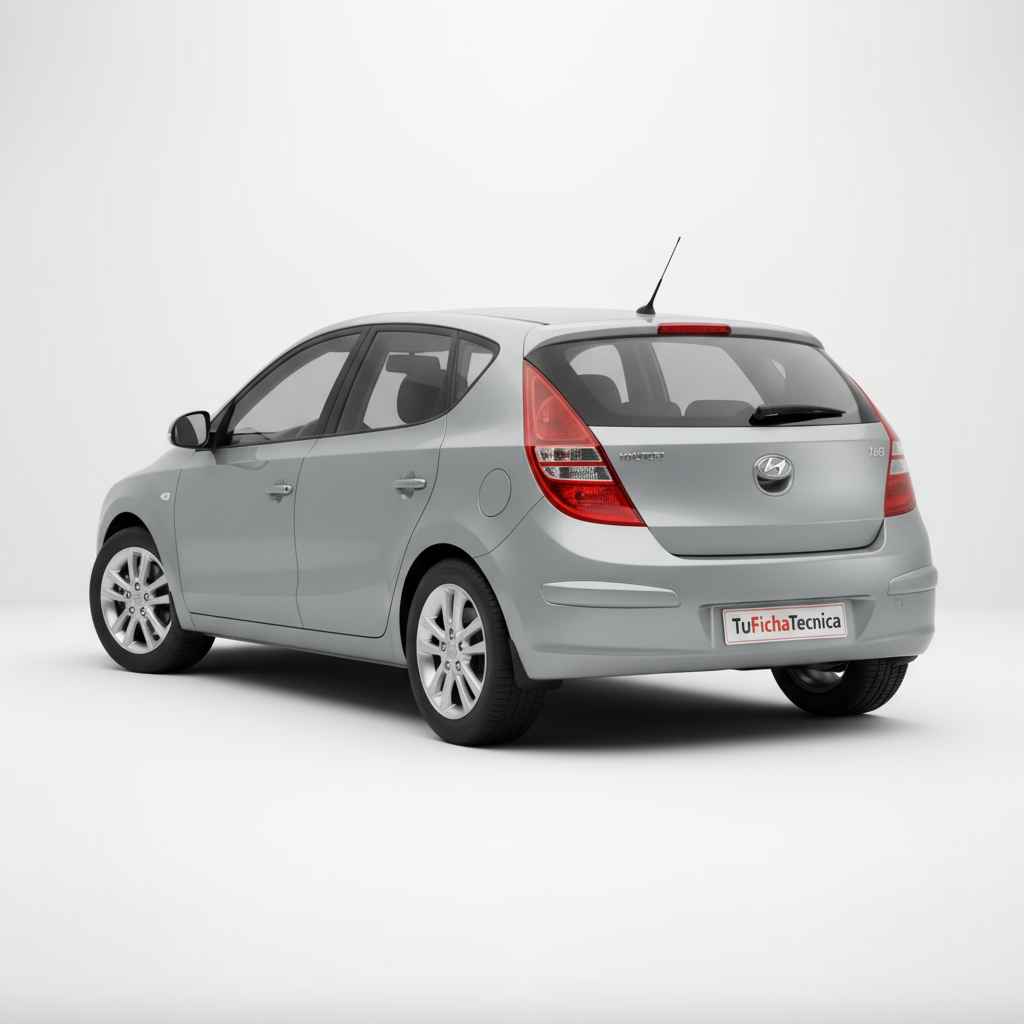
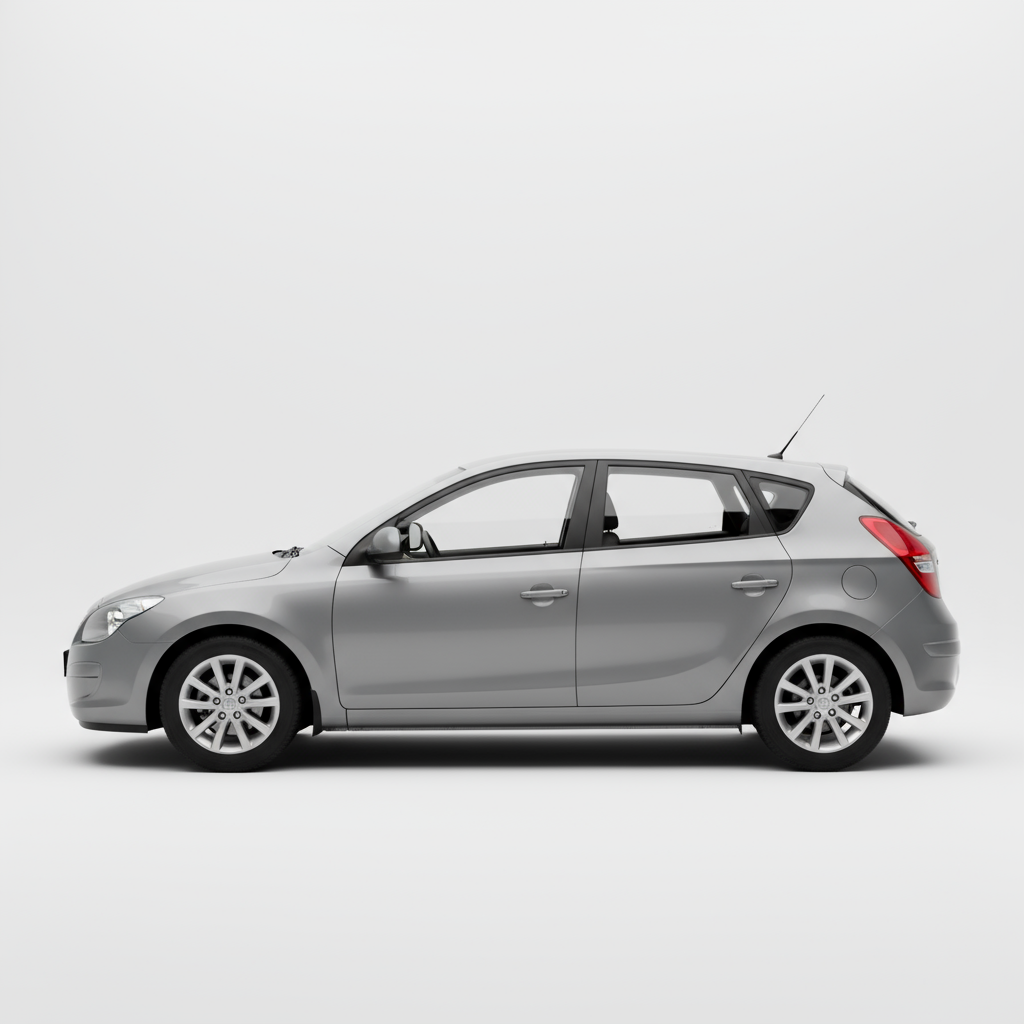
The design of the 2007 Hyundai i30 is functional and discreet, without being flashy. Its lines are clean and balanced, with a 5-door body that prioritizes habitability and ease of access. With a length of 4245 mm, a width of 1775 mm, and a height of 1480 mm, it offers compact dimensions that make it manageable in urban environments. The wheelbase of 2650 mm contributes to a spacious interior, especially in the rear seats. The trunk, with a capacity of 340 liters, is sufficient for a small family's luggage. Although it does not aim to be a style icon, its timeless aesthetic allows it to age gracefully, without quickly going out of style. The 185/65 R15 tires, mounted on 5.5 x 15 wheels, complement its sober and practical image.
Technology and features
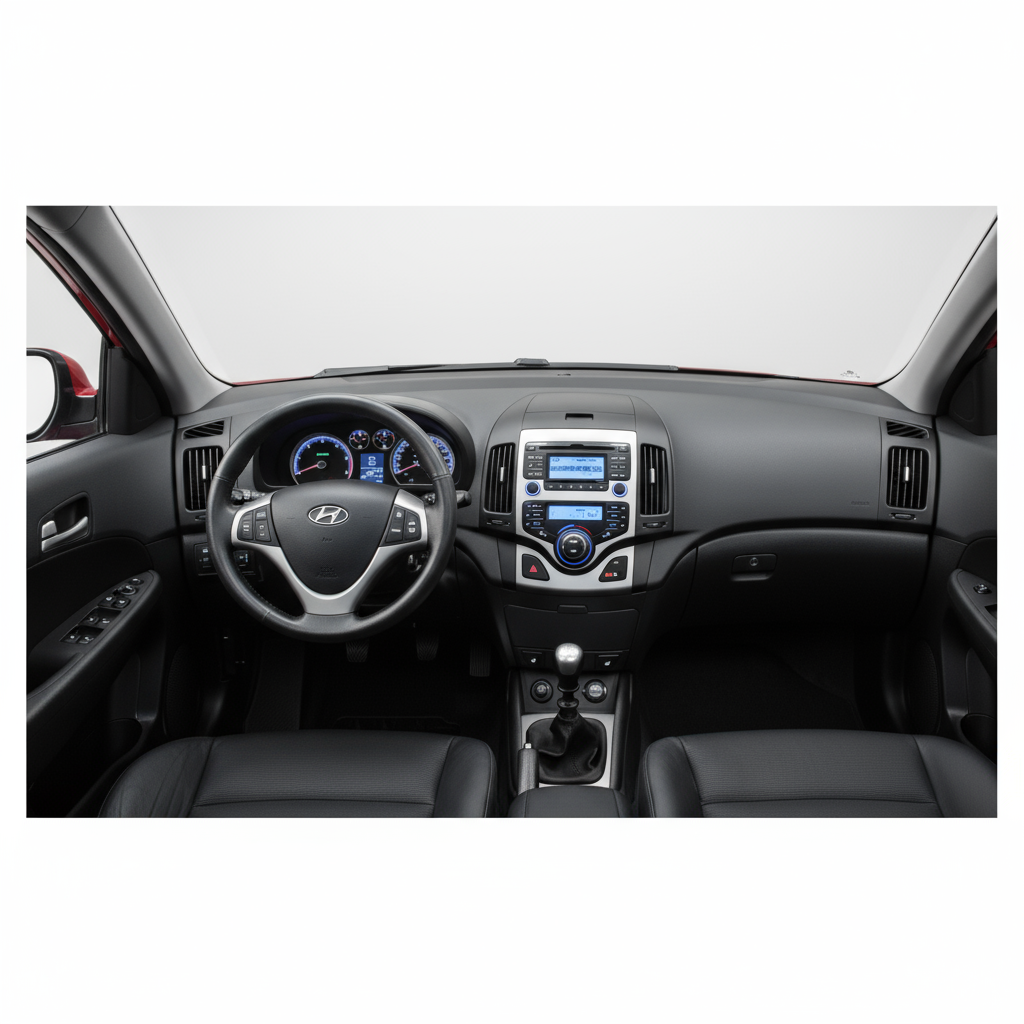
In the technology section, the 2007 Hyundai i30 focuses on the essential and functional. Its 90 HP 1.6 CRDi diesel engine incorporates common rail direct injection, variable geometry turbo, and intercooler – technologies that at the time were synonymous with efficiency and good performance. The 5-speed manual gearbox, although not the most advanced, performs its function smoothly and precisely. In terms of safety, it features 280 mm ventilated disc brakes at the front and 260 mm discs at the rear, offering adequate braking capability. The independent suspension on both axles, with stabilizer bars, contributes to good driving dynamics. Although it lacks the latest innovations in connectivity or driving assistants that we see today, the 2007 i30 offered what was necessary for a safe and comfortable driving experience in its time.
Competition
In the competitive compact segment, the 2007 Hyundai i30 faced heavyweights such as the Volkswagen Golf, Ford Focus, Opel Astra, and Renault Mégane. Against them, the i30 sought to differentiate itself by its value for money, its warranty, and its efficient diesel engine. Although it perhaps did not offer the same prestige or technological sophistication as some of its European rivals, the i30 positioned itself as a solid and reliable alternative for those looking for a practical and economical car, without sacrificing a good level of equipment and comfort.
Conclusion
The 2007 Hyundai i30 1.6 CRDi 90 Classic is a car that, despite its age, remains an interesting option for those looking for a compact, economical, and reliable vehicle. Its diesel engine, with very low consumption, makes it an ideal companion for daily use and long trips. Its discreet and functional design, along with a spacious interior, make it practical for families. Although it is not a car that stands out for its sporty performance or cutting-edge technology, it more than fulfills its purpose as a transport vehicle. It is a car that accompanies you, takes you, and brings you back, without asking for more than necessary, and that, in many cases, is the most valuable thing.