
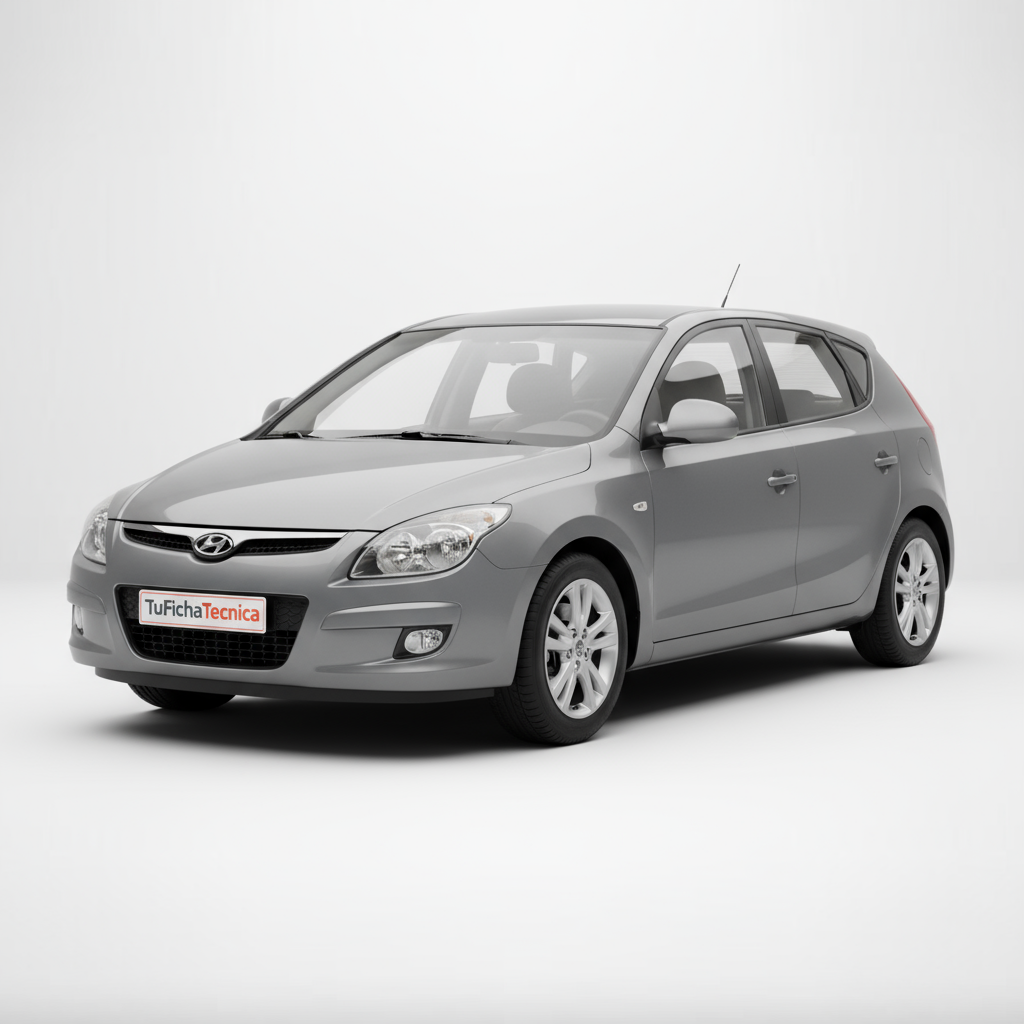
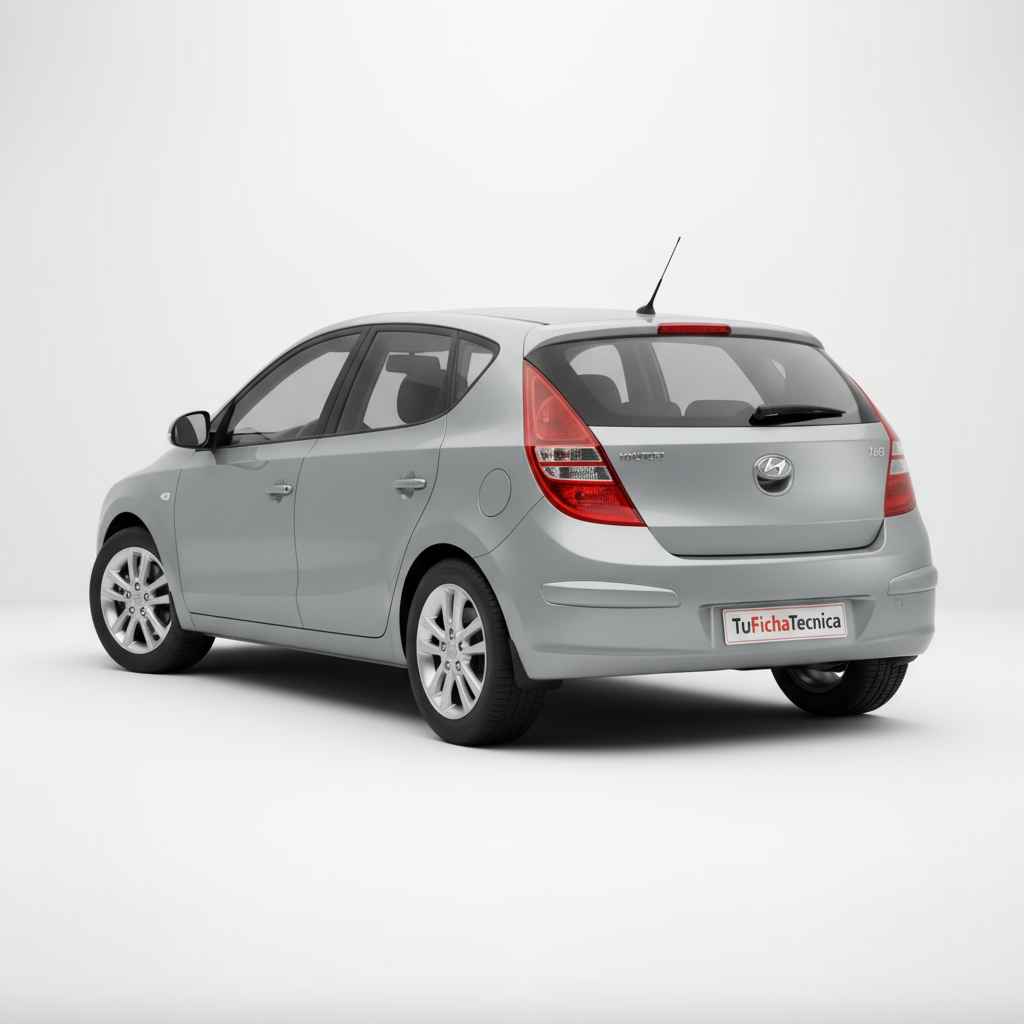
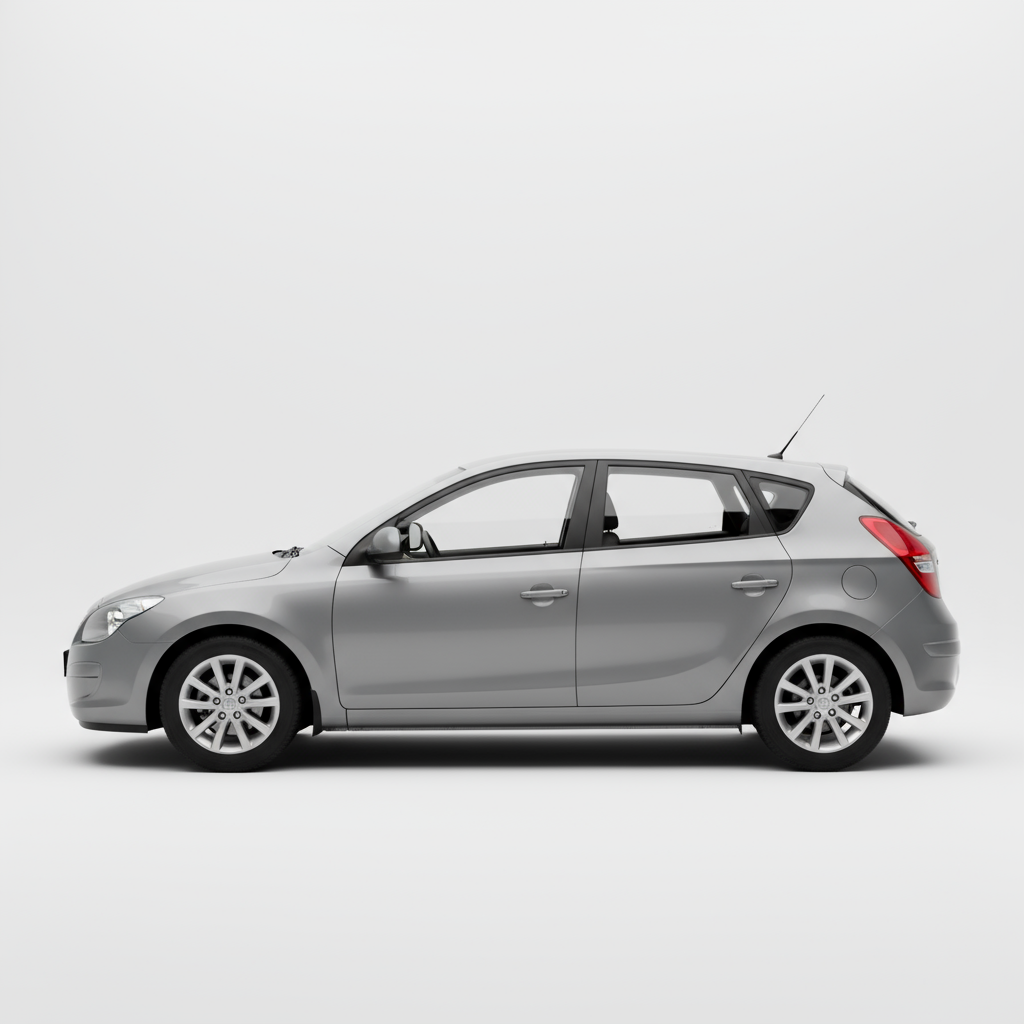
Especificaciones y análisis del Hyundai i30
Power
115HP
Torque
255Nm
Consumption
4.7l/100
Emissions
125g/km
0-100 km/h
11.6s
Top Speed
188km/h
Weight
1366kg
Price
18,650€
Technical summary
Gasóleo
Manual 5v
FWD
5 / 5 doors
340 L
53 L
84.5 kW
Current
Technical specifications
Engine
Capacities
Detailed analysis of the Hyundai i30 1.6 CRDi 115 Style Sport · 115 CV (2008-2010)
General description
The 2007 Hyundai i30 was not just a car; it was a statement of intent. With it, the Korean brand made a powerful entry into the competitive European market, proving it could create a compact car on par with the best, a vehicle that made you feel smart for choosing it.
Driving experience
Behind the wheel, the 115-horsepower 1.6 CRDi engine feels lively and surprisingly willing. Its generous low-end torque provides a relaxed and capable drive, ideal for daily use and stress-free travel. It doesn't aim for speed records but offers a solid response and ridiculously low fuel consumption that brings a smile with every fill-up. Its chassis conveys a confidence and poise previously unthinkable in a Hyundai, achieving a near-perfect balance between comfort and agility.
Design and aesthetics
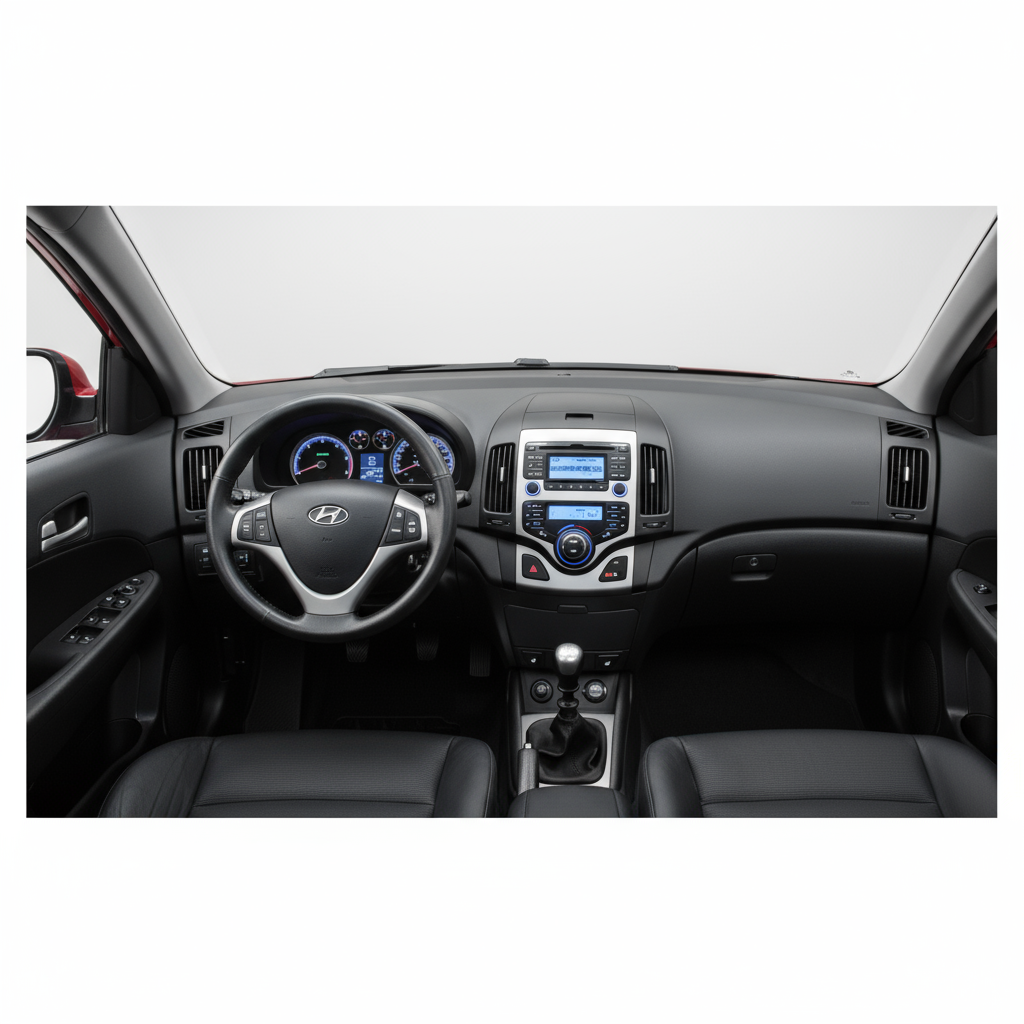
Its design was a breath of fresh air. Created in Europe for European tastes, its fluid lines and sharp look broke with the past, giving it an attractive and modern personality. Inside, the leap was even greater: the materials, fit and finish, and ergonomics welcomed you into a quality environment that made you feel like you were driving a car from a higher category. It was a space designed to be lived in, not just used.
Technology and features
At the time, the i30 was loaded with useful and functional technology. Beyond screens, it focused on what was important: an effective climate control system, comprehensive safety equipment with stability control and multiple airbags, and a common-rail direct-injection diesel engine that was a little gem of efficiency. It was technology at the service of the driver, without unnecessary gimmicks or complications.
Competition
It dared to go head-to-head with segment giants like the Volkswagen Golf, Ford Focus, and Renault Mégane. Its strategy was bold and direct: offer more comprehensive equipment, a longer warranty, and bombproof reliability for a price that made even the most loyal followers of traditional brands hesitate. It was the David that stood up to many Goliaths.
Conclusion
This Hyundai i30 is one of those cars that mark a before and after. It represents the beginning of Hyundai's consolidation as a top-tier global manufacturer. It was a masterstroke purchase for thousands of drivers—an honest, incredibly reliable, and satisfying car that exceeded all expectations. It left an indelible mark and paved the way for the success the brand enjoys today.