
Especificaciones y análisis del Hyundai i30
Power
90HP
Torque
235Nm
Consumption
4.5l/100
Emissions
119g/km
0-100 km/h
14.9s
Top Speed
172km/h
Weight
1366kg
Price
15,110€
Technical summary
Gasóleo
Manual 5v
FWD
5 / 5 doors
340 L
53 L
66 kW
Current
Technical specifications
Engine
Capacities
Detailed analysis of the Hyundai i30 1.6 CRDi 90 Comfort (Low Emission) · 90 CV (2009)
General description
The 2007 Hyundai i30 was a turning point for the Korean brand in Europe. This 90-horsepower 1.6 CRDi version, launched in 2009, felt like a statement of intent: a compact, honest car designed to go head-to-head with established European rivals. It wasn't just a means of transport; it was the promise of quality and reliability that won over thousands of drivers looking for a smart and durable purchase.
Driving experience
Behind the wheel, the i30 conveys a pleasant feeling of solidity and comfort. Its 90 hp diesel engine, though modest in numbers, feels willing and full of torque from low revs, ideal for daily use. It's not a race car, as its 0 to 100 km/h acceleration in 14.9 seconds shows, but its purpose is different: to offer a smooth and serene ride. The suspension, with an advanced multi-link rear setup, filters out irregularities well and provides confidence-inspiring stability, making long journeys a pleasant and very economical experience, with a combined consumption of just 4.5 liters.
Design and aesthetics
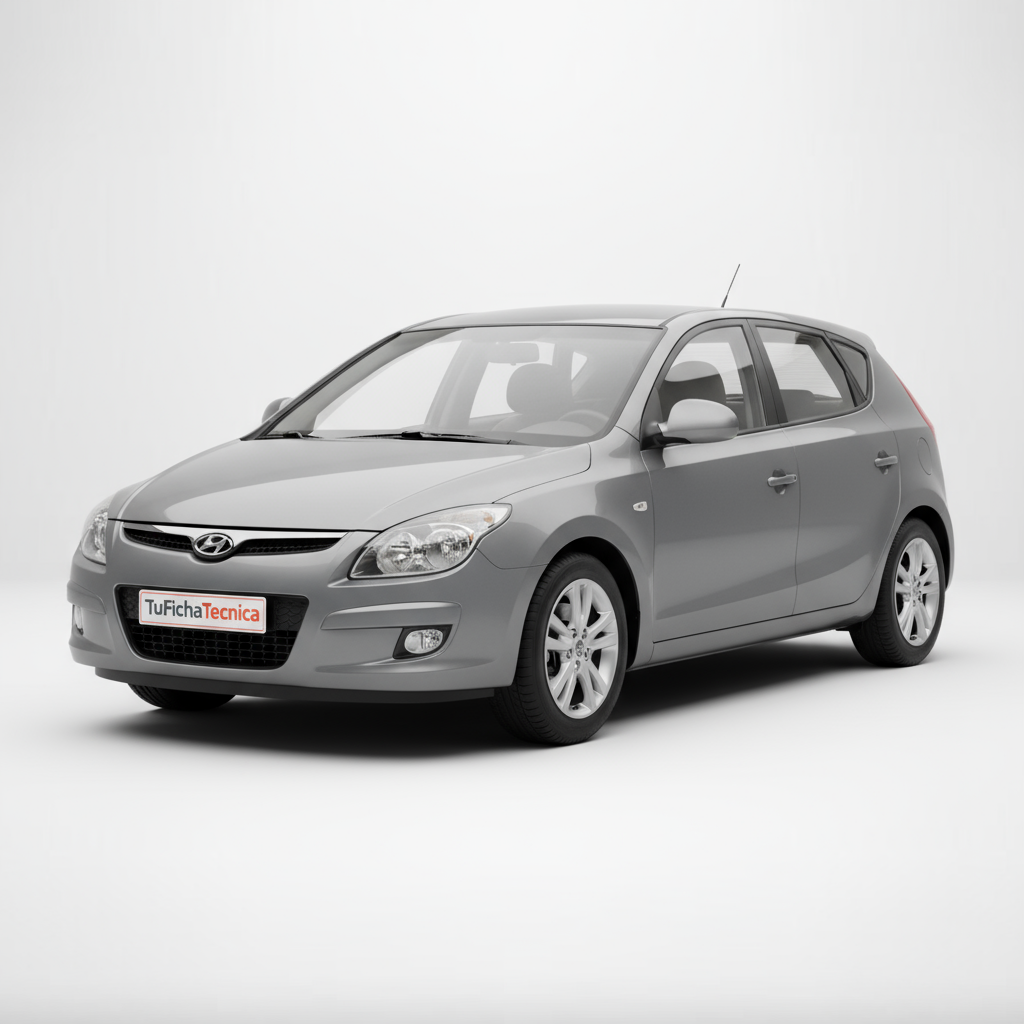
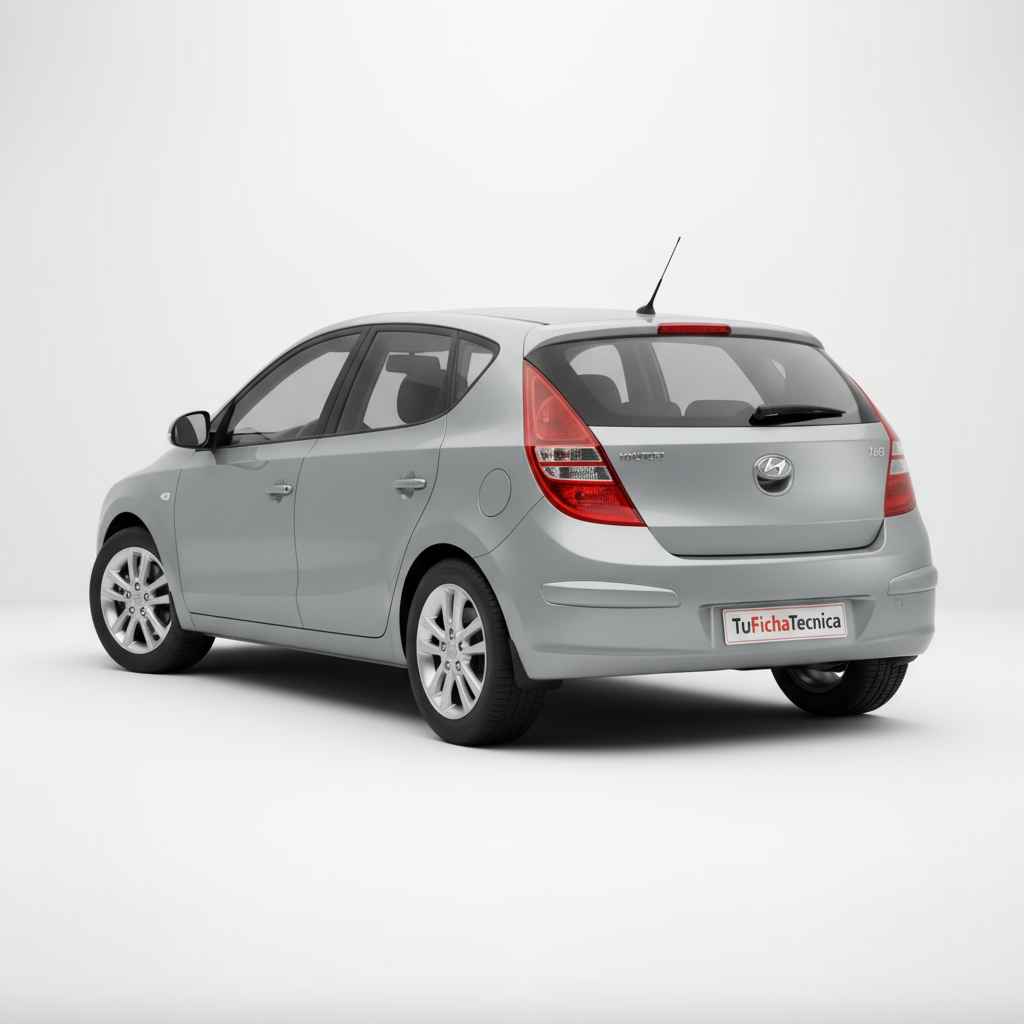
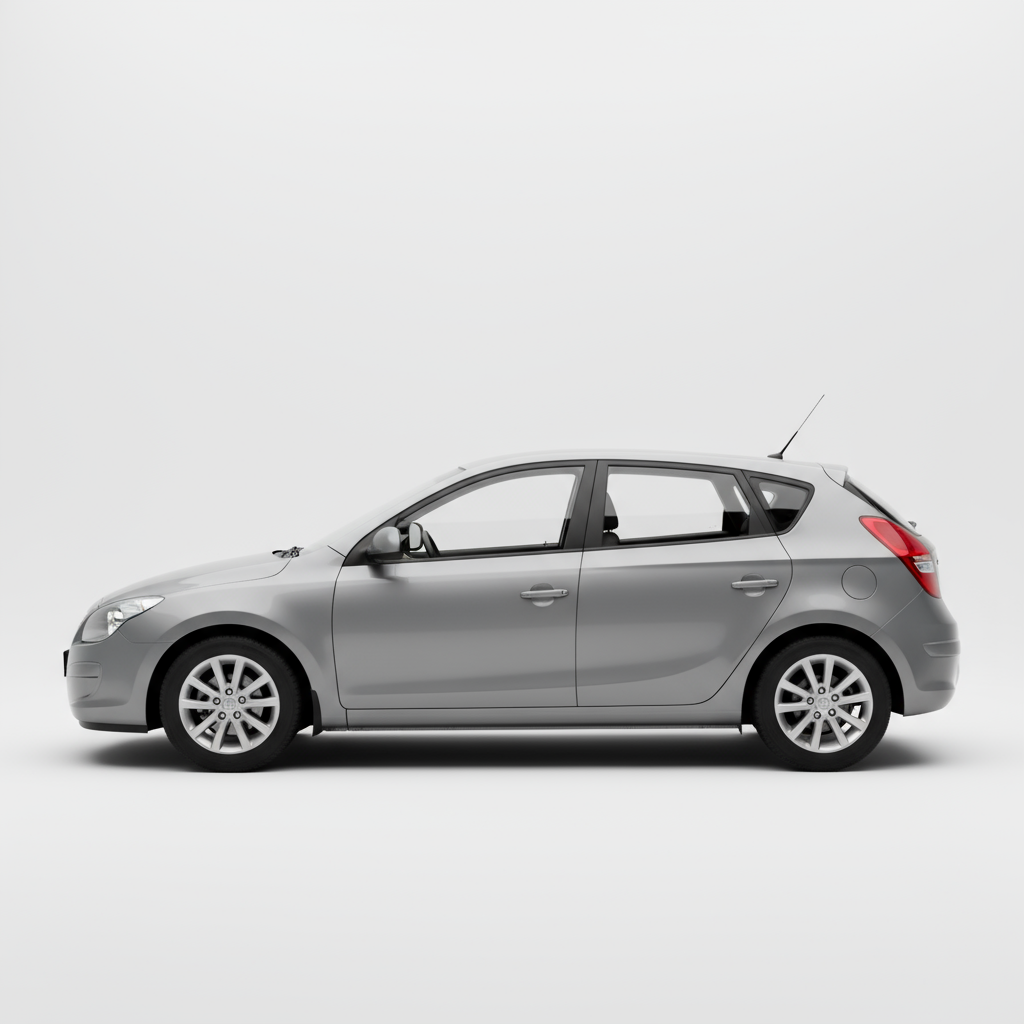
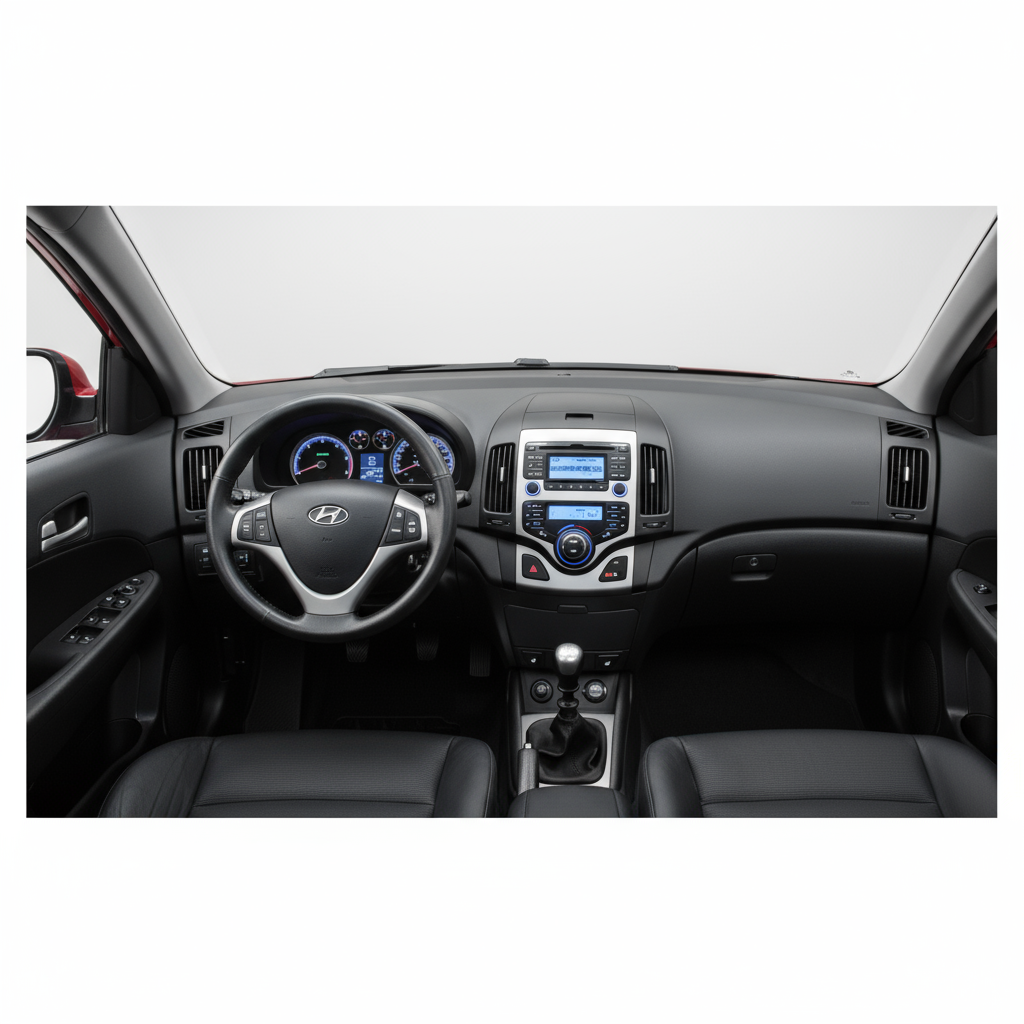
The i30's design was a breath of fresh air. With fluid lines and a robust appearance, it left behind the more generic aesthetics of its predecessors to offer an attractive look that has aged with dignity. Inside, space and logic prevail. Without unnecessary luxuries, the cabin stands out for its good fit and finish, materials designed to last, and ergonomics that put everything where you expect it. The characteristic blue lighting of the instrument panel added a technological and personal touch that felt special.
Technology and features
For its time, the Comfort trim was well-equipped. Although we don't find today's touch screens, it offered essential elements that guaranteed comfort and safety, such as air conditioning, multiple airbags, and an audio system with auxiliary connections. This 'Low Emission' version was also a reflection of Hyundai's effort for efficiency, achieving CO2 emissions of just 119 g/km, a remarkable figure for a 2009 diesel without a Stop & Start system, which demonstrated careful engineering.
Competition
The i30 entered a territory dominated by titans like the Volkswagen Golf, the Ford Focus, or the SEAT León. Its strategy to compete was brilliant: offer more comprehensive standard equipment, a market-leading warranty, and a more adjusted price. It may not have had the sporty feel of a Focus or the refinement of a Golf, but its balance between cost, space, reliability, and equipment made it an irresistibly logical and satisfying alternative for many families.
Conclusion
The Hyundai i30 1.6 CRDi 90 Comfort is the personification of a master purchase. A car that doesn't win you over with its speed, but with its loyalty and sensibility. It represents reliability and low running costs at their best, a tireless companion that more than delivers on everything asked of it without asking for anything in return. To this day, it remains a fantastic option on the second-hand market for anyone looking for a practical, economical, and bombproof car.