
Especificaciones y análisis del Hyundai i30
Power
143HP
Torque
186Nm
Consumption
7.1l/100
Emissions
170g/km
0-100 km/h
10.6s
Top Speed
205km/h
Weight
1327kg
Price
20,050€
Technical summary
Gasolina
Manual 5v
FWD
5 / 5 doors
340 L
53 L
105 kW
Current
Technical specifications
Engine
Capacities
Detailed analysis of the Hyundai i30 2.0 Premium · 143 CV (2008-2010)
General description
The 2008 Hyundai i30 2.0 Premium represented a before and after for the Korean brand in Europe. It was the car that went head-to-head with European compacts, a brave contender that arrived with solid arguments: an attractive design, surprising build quality, and, in this version, an energetic 143-horsepower gasoline engine that promised excitement.
Driving experience
Behind the wheel, the 2.0-liter naturally aspirated engine feels full of life, asking to be revved high to deliver its best. Its response is linear and predictable, a delight in an era dominated by turbos. The chassis, with an independent rear suspension uncommon in its segment, conveys absolute confidence. It feels agile on winding roads and poised on highways, achieving a wonderful balance between comfort and dynamism that brings a smile to your face.
Design and aesthetics
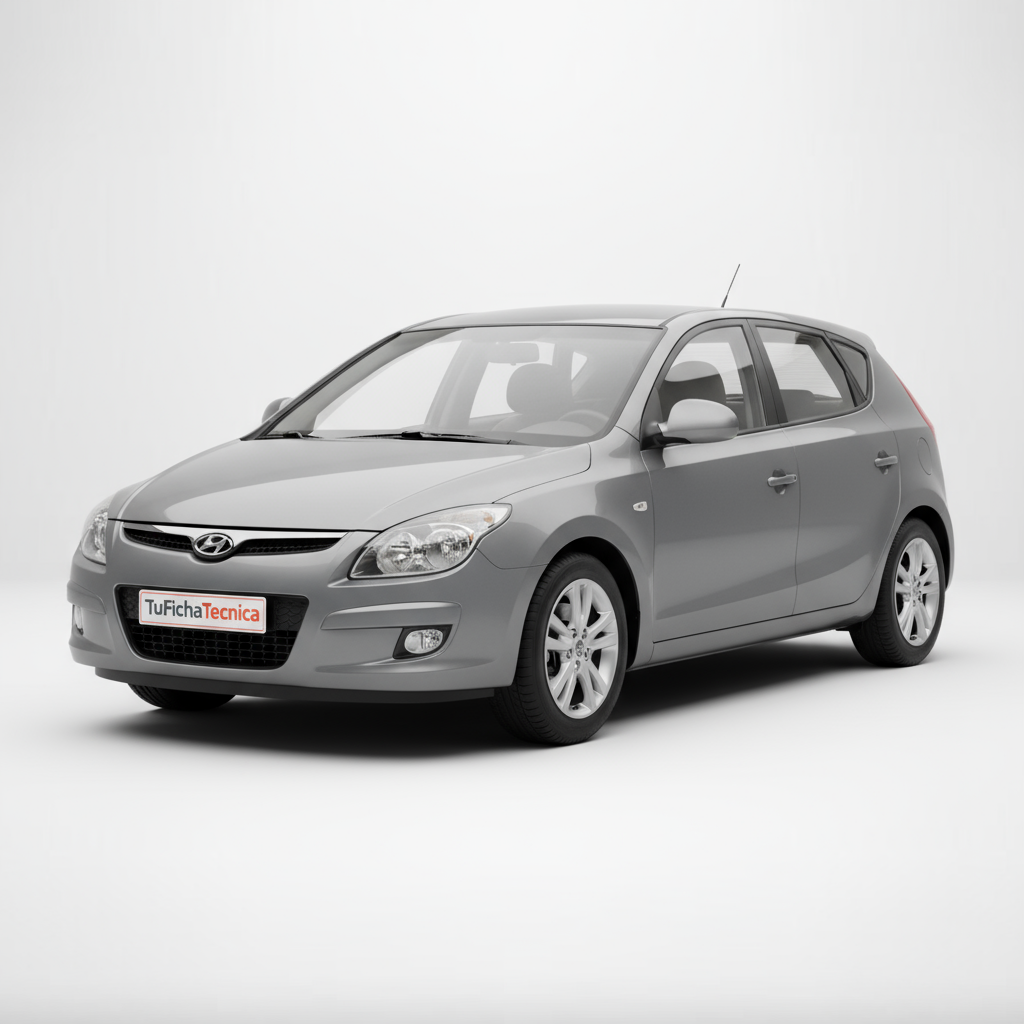
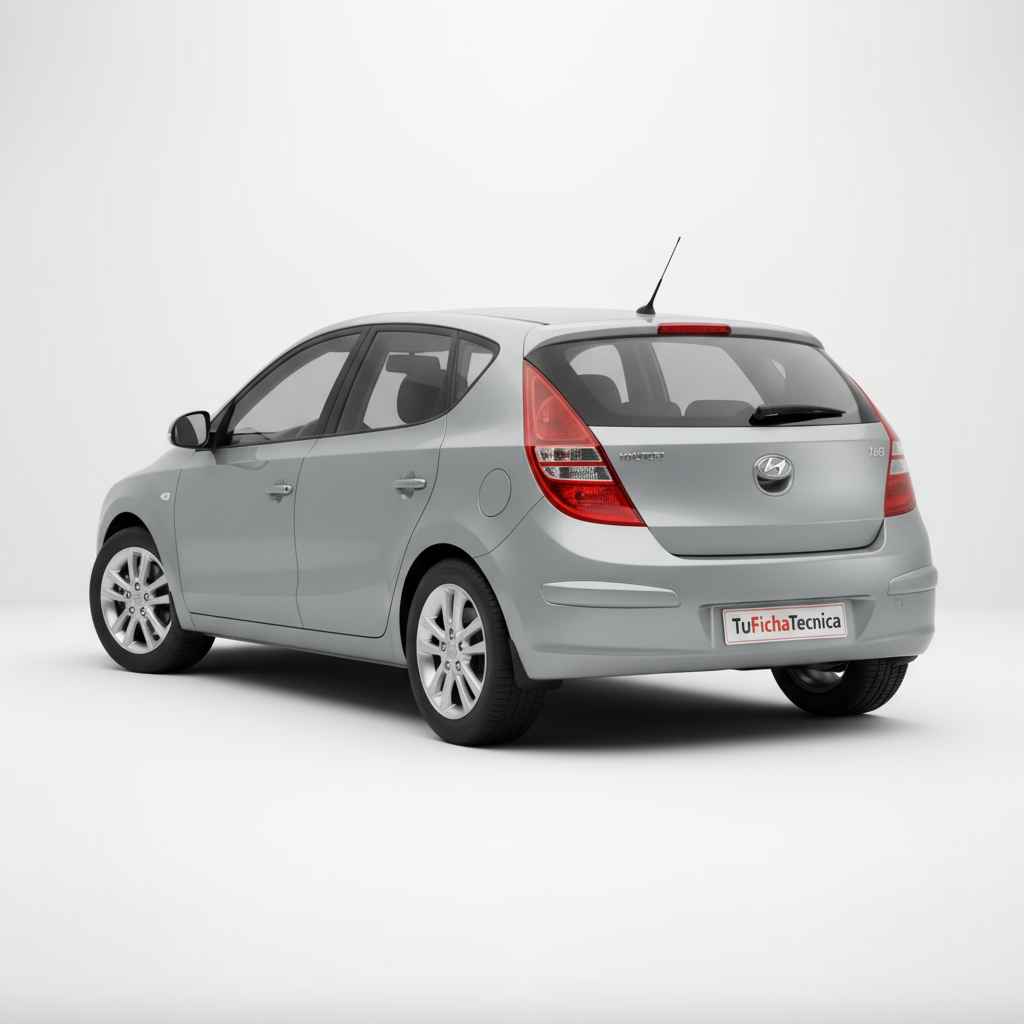
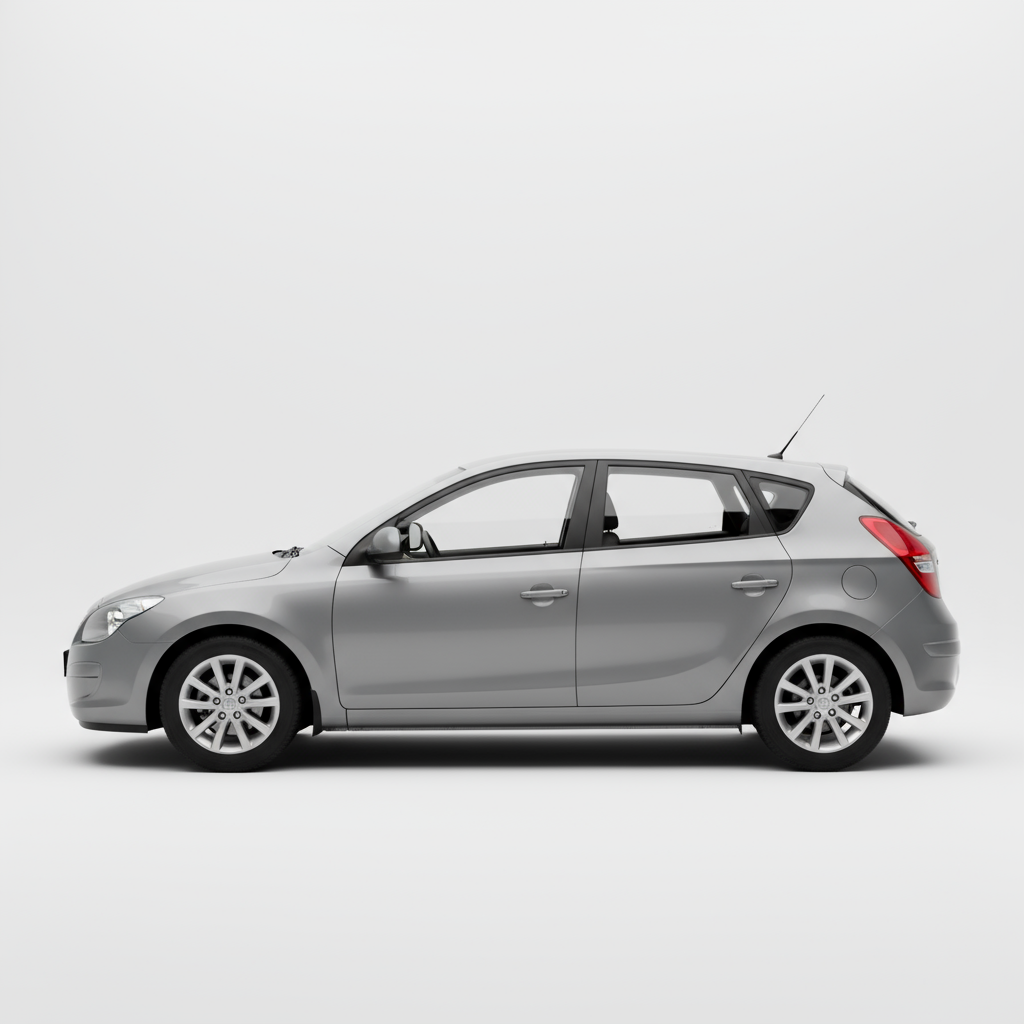
Its design was a breath of fresh air. With fluid lines and a harmonious silhouette designed for European tastes, the i30 left past aesthetics behind to embrace a modernity that has aged with incredible dignity. The swept-back headlights, integrated grille, and 17-inch wheels of this Premium version give it an athletic and elegant presence, a car that looks well-planted and self-assured.
Technology and features
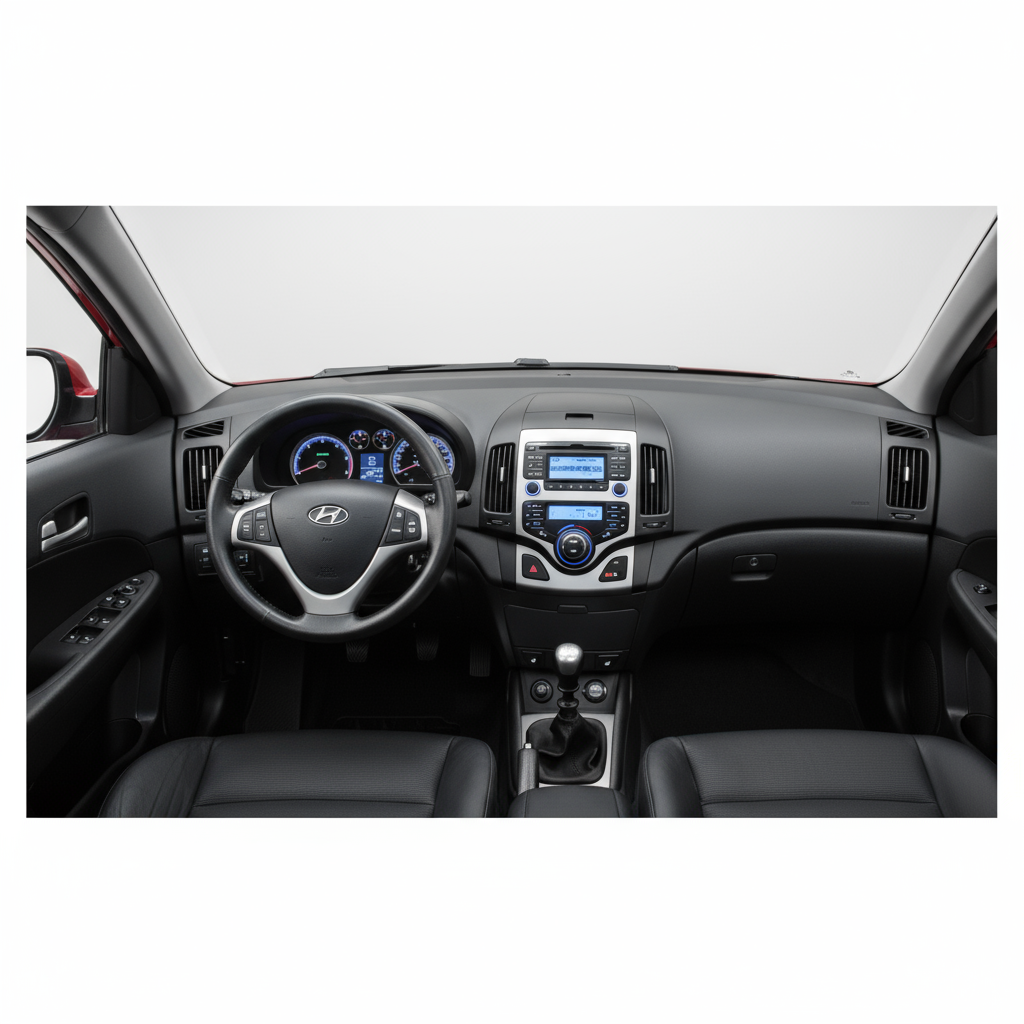
For its time, the equipment was one of its strongest points. Although we won't find today's touchscreens, it offered features like automatic climate control, a comprehensive trip computer, and multiple airbags. The technology focused on functional comfort and safety, with a variable intake engine that demonstrated the good work of Hyundai's engineers in optimizing performance and efficiency without unnecessary complications.
Competition
This i30 entered the lion's den, the compact segment dominated by the Volkswagen Golf, Ford Focus, and Opel Astra. Its strategy was brilliant: to offer a superior level of equipment, an extensive warranty, and rock-solid reliability for a more adjusted price. It also competed fiercely with the Kia Cee'd, with which it shared a platform, and with other models like the Seat León or the Renault Mégane.
Conclusion
The Hyundai i30 2.0 Premium is not just a car; it's the symbol of Hyundai's great leap in quality. It proved that you could have a reliable, spacious, and well-equipped vehicle without sacrificing an attractive design and genuine driving pleasure. It is a well-rounded and honest product that offered immense value and left an indelible mark, laying the foundation for the brand's current success.