
Especificaciones y análisis del Hyundai i30
Power
128HP
Torque
255Nm
Consumption
5.7l/100
Emissions
150g/km
0-100 km/h
12.3s
Top Speed
186km/h
Weight
-kg
Price
18,920€
Technical summary
Gasóleo
Automático 4v
FWD
5 / 5 doors
340 L
53 L
94 kW
Current
Technical specifications
Engine
Capacities
Detailed analysis of the Hyundai i30 1.6 CRDi GLS FDu Style VGT 128 CV Aut. (2011-2012)
General description
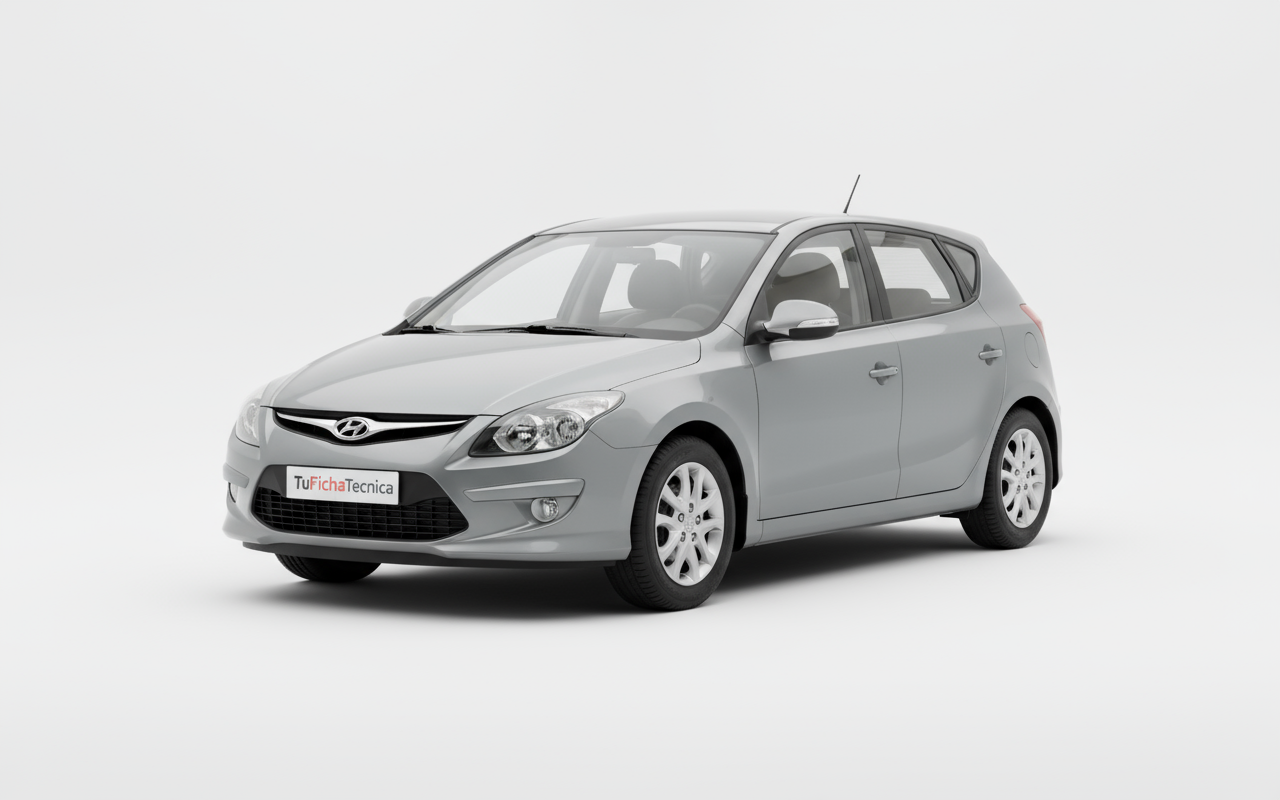
The 2010 Hyundai i30 was much more than a car; it was a statement of intent. With this generation, the Korean brand proved it could compete head-to-head with European giants, offering a well-rounded, balanced, and sensible product. This version with a 128-horsepower diesel engine and automatic transmission embodies the promise of a comfortable, economical, and hassle-free drive, a faithful daily companion that wins you over with its honesty.
Driving experience
Behind the wheel, the i30 conveys a sense of calm and control. The 1.6 CRDi engine pushes with admirable competence, without being loud but with the necessary force to move with agility in any situation. The 4-speed torque converter automatic transmission prioritizes smoothness in the city, making every journey relaxed. Although on the open road it may feel somewhat outmatched by more modern transmissions, it performs its function with reassuring reliability. It's not a sports car; it's a tireless cruiser, with a suspension that filters out road imperfections and makes you feel safe and protected.
Design and aesthetics
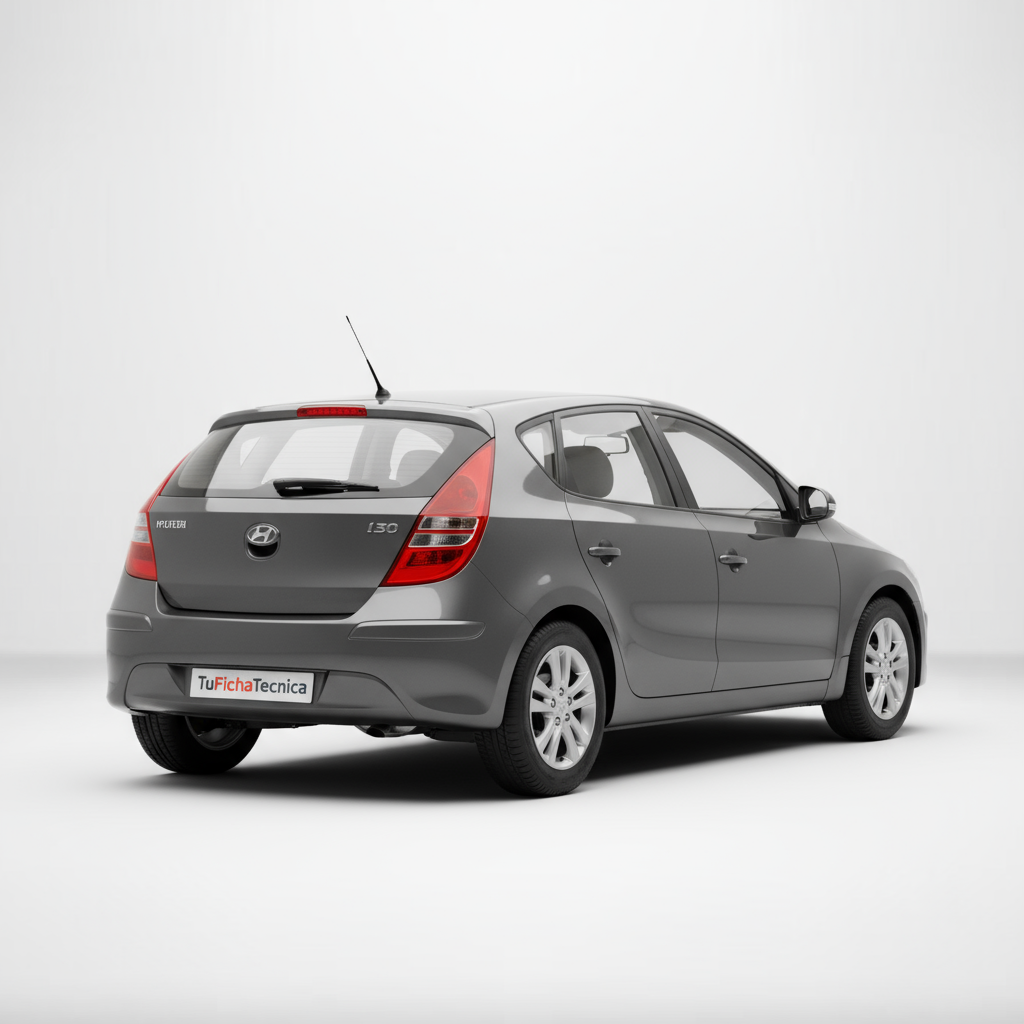
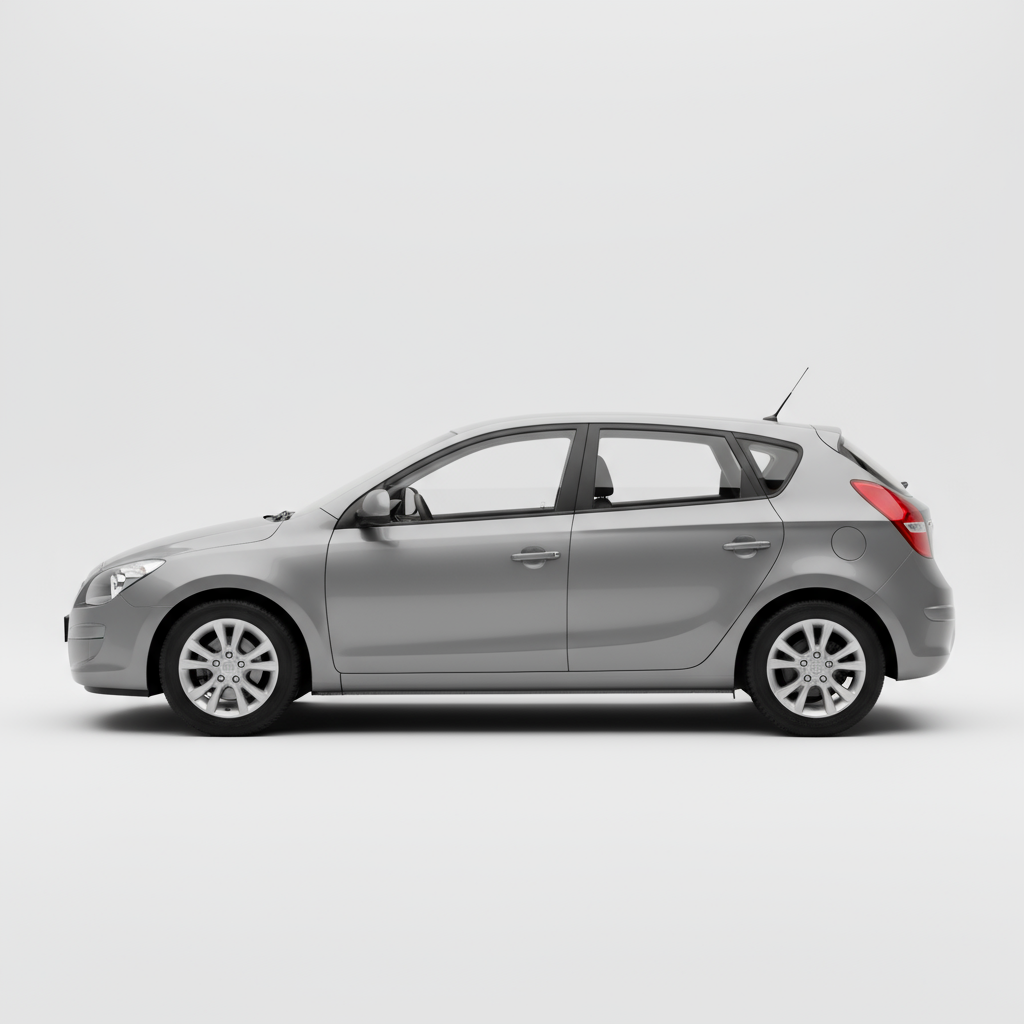
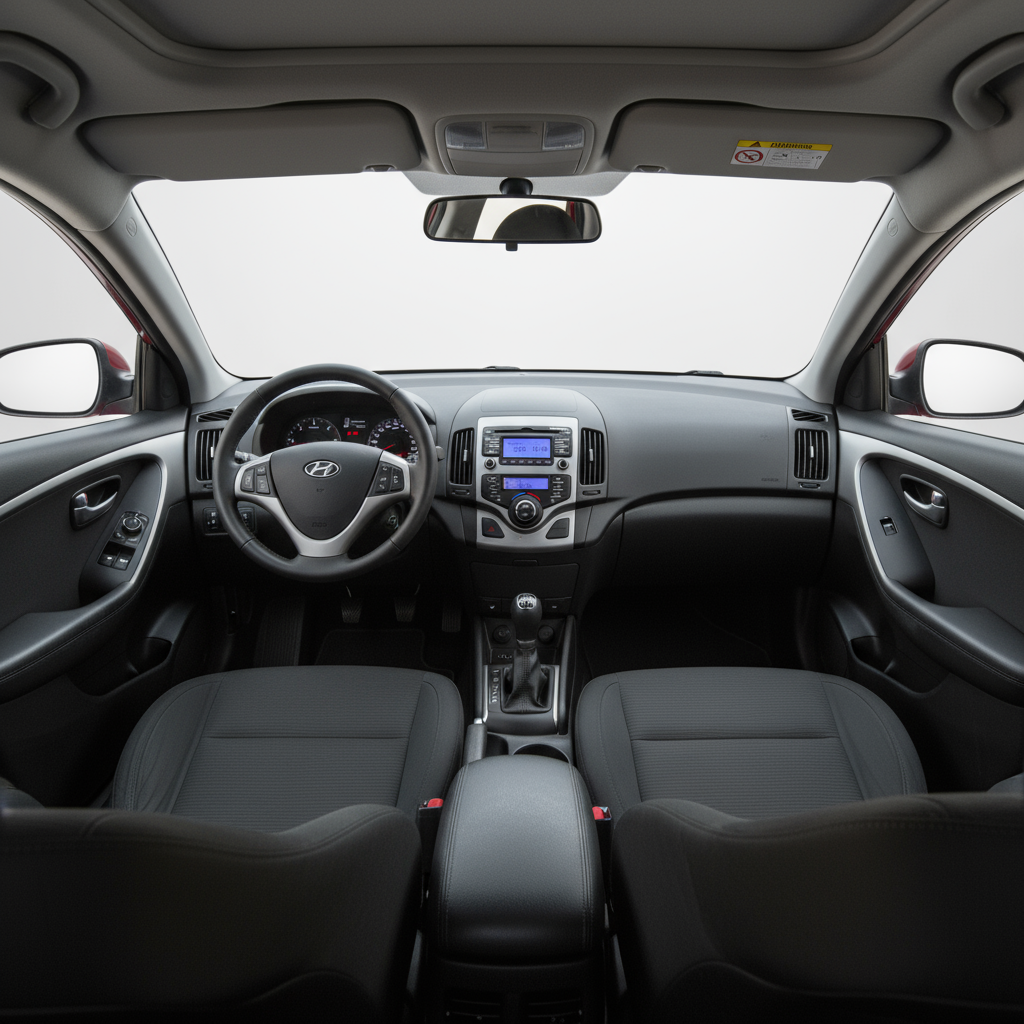
Its design is an exercise in restrained elegance. The fluid lines and harmonious proportions give it a presence that has aged with surprising dignity. It doesn't seek to attract attention, but rather to please with a timeless aesthetic. Inside, you are greeted by a spacious and functional cabin, where every control is in its place. The quality of the fit and finish is noteworthy, and although hard plastics predominate, the feeling is one of durability. The characteristic blue illumination of the instrument cluster creates a technological and welcoming atmosphere that became a hallmark of the brand.
Technology and features
For its time, the Style trim was generously equipped, offering comfort features that made life on board more pleasant, such as automatic climate control or auxiliary connectivity. However, its technology focuses on the functional rather than the spectacular. It lacks the large touchscreens and advanced driving assistants of today. The 4-speed automatic transmission itself, while robust, is a reflection of a previous technological era, focused more on durability than on pure efficiency or speed.
Competition
The i30 entered the lion's den, the competitive compact segment. It faced legends like the Volkswagen Golf, the Ford Focus, and the Opel Astra. Its strategy was not to imitate them, but to offer a smart alternative. Against them, the i30 presented unbeatable arguments: an exceptional quality-price ratio, more abundant equipment from the entry-level versions, and the peace of mind of an extensive warranty. It also competed with its cousin, the Kia Cee'd, and other Asian models like the Toyota Auris.
Conclusion
This Hyundai i30 is the personification of a sensible and brilliant car. It's a vehicle that doesn't lie to you; it offers exactly what you expect and does so with a competence that is endearing. It represents the turning point where Hyundai went from being a budget option to a smart and desirable one. Driving it is an experience of tranquility and confidence, the certainty of having chosen a reliable, comfortable, and efficient travel companion. A rational purchase that, over time, earns a place in your heart.