

Especificaciones y análisis del Hyundai i40
Power
136HP
Torque
325Nm
Consumption
4.5l/100
Emissions
119g/km
0-100 km/h
10.5s
Top Speed
198km/h
Weight
1570kg
Price
26,490€
Technical summary
Gasóleo
Manual 6v
FWD
5 / 5 doors
553 L
70 L
100 kW
Current
Technical specifications
Engine
Capacities
Detailed analysis of the Hyundai i40 CW 1.7 CRDi 136 CV BlueDrive Tecno (2011-2012)
General description
The Hyundai i40 CrossWagon burst onto the scene in 2011 as a statement of intent. It wasn't just a family car; it was Hyundai's bold bet to win the hearts of European families, offering a spacious, efficient vehicle with a groundbreaking design. A tireless traveler born to devour kilometers with style and comfort.
Driving experience
Behind the wheel, the 136 hp diesel engine feels lively and surprisingly refined. Its generous 325 Nm of torque pushes decisively from low revs, making every overtake a safe and pleasant maneuver. The six-speed manual gearbox is precise, and the chassis, with its well-calibrated suspension, conveys a sense of poise and security that invites long journeys, turning every trip into a relaxed and rewarding experience.
Design and aesthetics
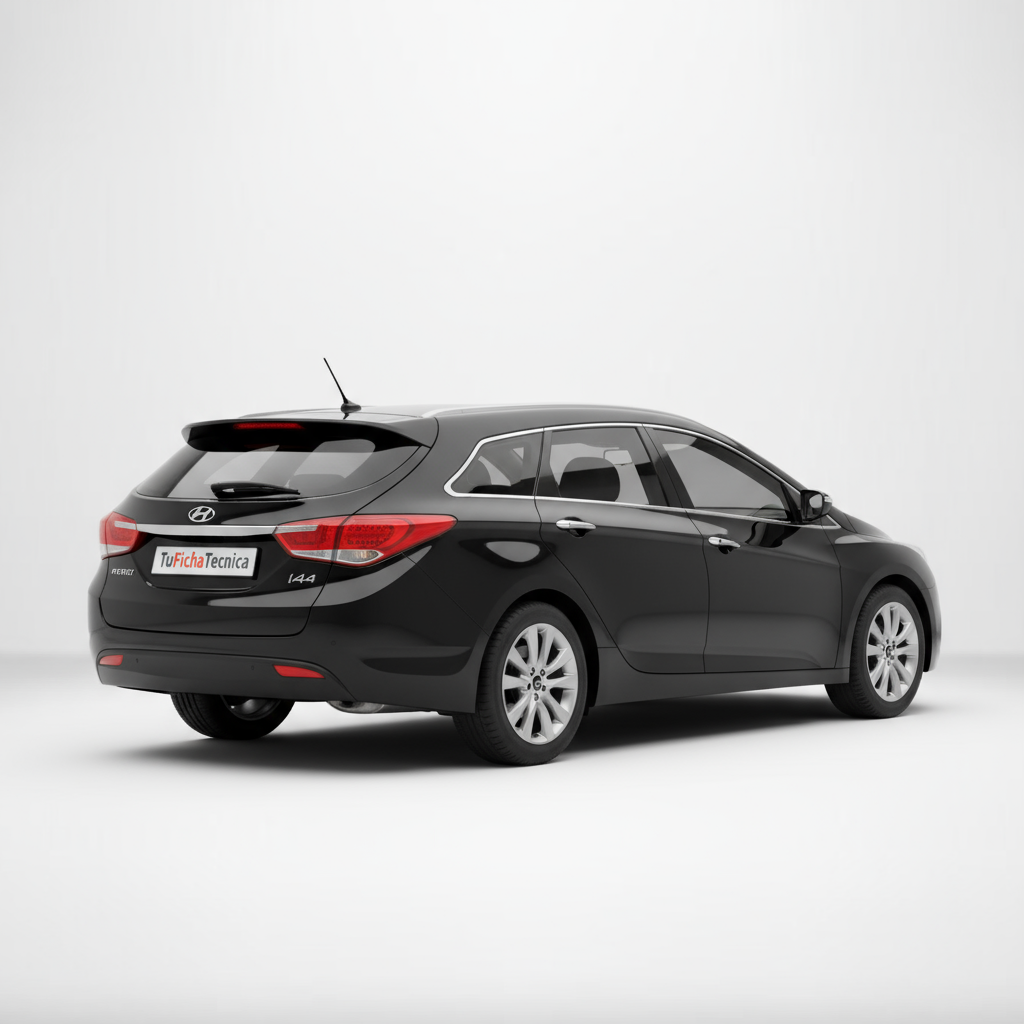
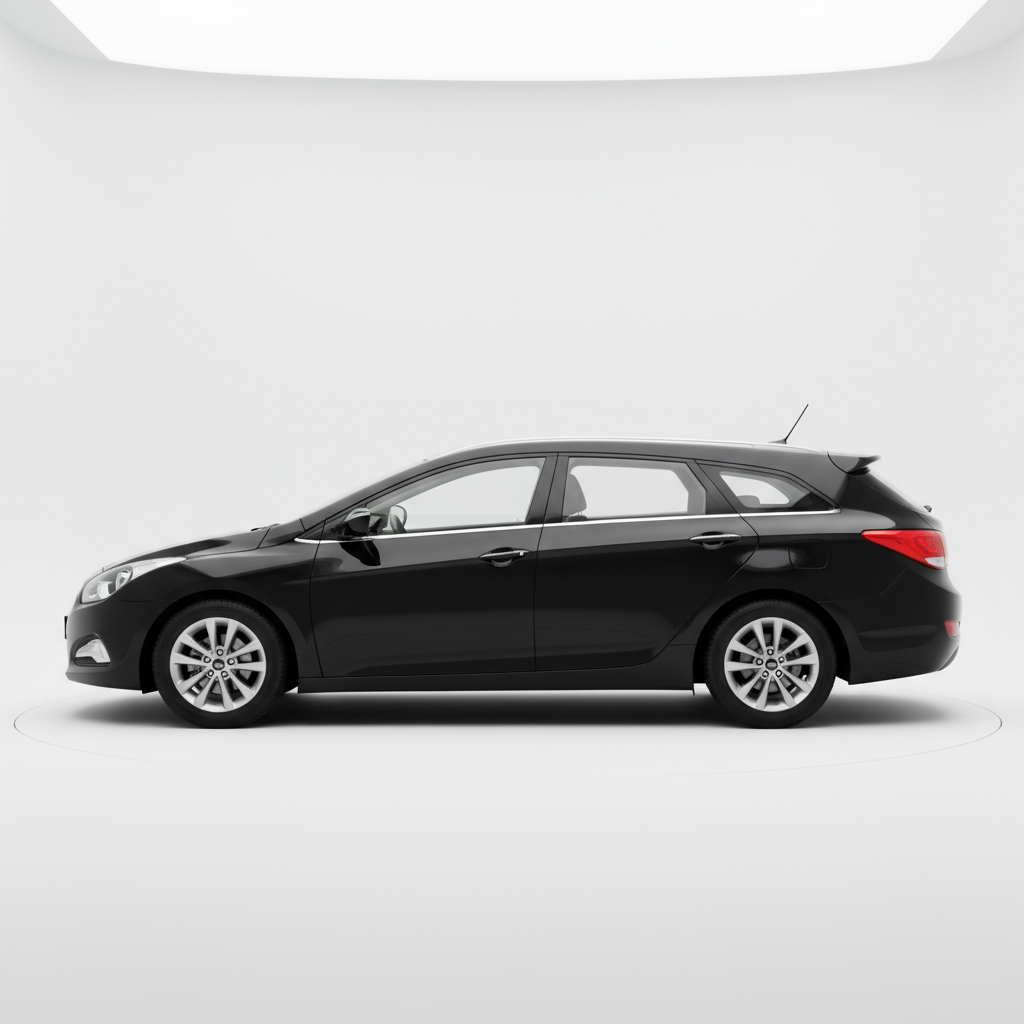
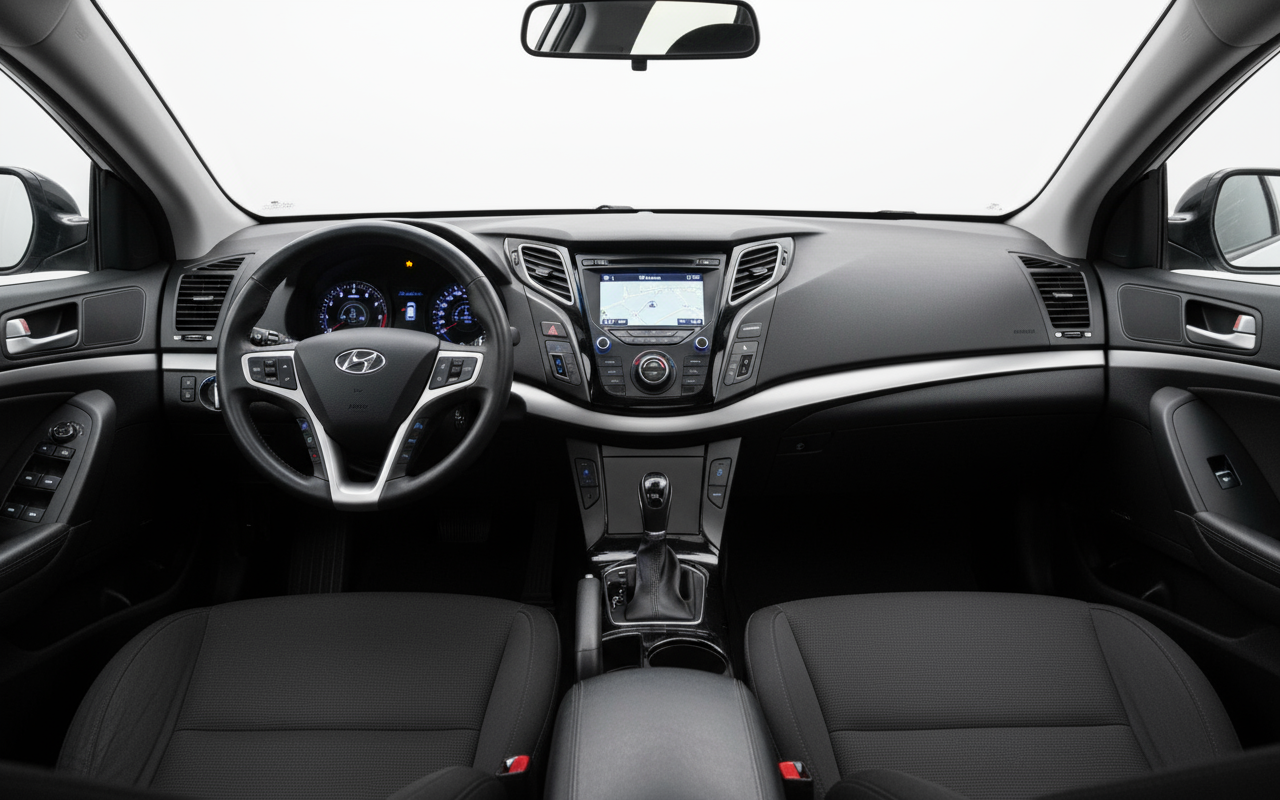
Its silhouette is an ode to movement. Hyundai called it 'fluidic sculpture,' and for good reason. Dynamic, sharp lines run along its family bodywork, creating an elegant and sporty aesthetic that stands out from the sobriety of its competitors. Inside, space is the protagonist, with a cabin designed to accommodate the family with quality materials and a 553-liter trunk ready for any adventure.
Technology and features
The Tecno trim, combined with BlueDrive technology, represented a perfect balance between equipment and efficiency. The Stop & Start system helped achieve a combined consumption of just 4.5 liters, an admirable figure for a car of its size. On board, the feeling was one of modernity, with comfort elements and technological features designed to make life easier and safer with every kilometer.
Competition
In such a competitive segment, the i40 CW bravely faced European giants like the Ford Mondeo Sportbreak, the Volkswagen Passat Variant, or the Opel Insignia Sports Tourer. Its strategy was clear: offer a bolder design, more generous equipment, and a solid warranty to entice those looking for a smart and reliable alternative.
Conclusion
The Hyundai i40 CW was much more than just a pretty face. It proved to be an exceptional travel companion, a complete family vehicle that combined captivating design, a practical interior, and an efficient and capable diesel engine. A rational purchase that also knew how to appeal to emotion, consolidating Hyundai as a manufacturer to be taken very seriously.