
Especificaciones y análisis del Hyundai i40
Power
116HP
Torque
260Nm
Consumption
4.3l/100
Emissions
113g/km
0-100 km/h
12.3s
Top Speed
192km/h
Weight
1554kg
Price
24,450€
Technical summary
Gasóleo
Manual 6v
FWD
5 / 4 doors
505 L
70 L
85 kW
Current
Technical specifications
Engine
Capacities
Detailed analysis of the Hyundai i40 Sedán 1.7 CRDi 115 CV BlueDrive Klass (2013-2015)
General description
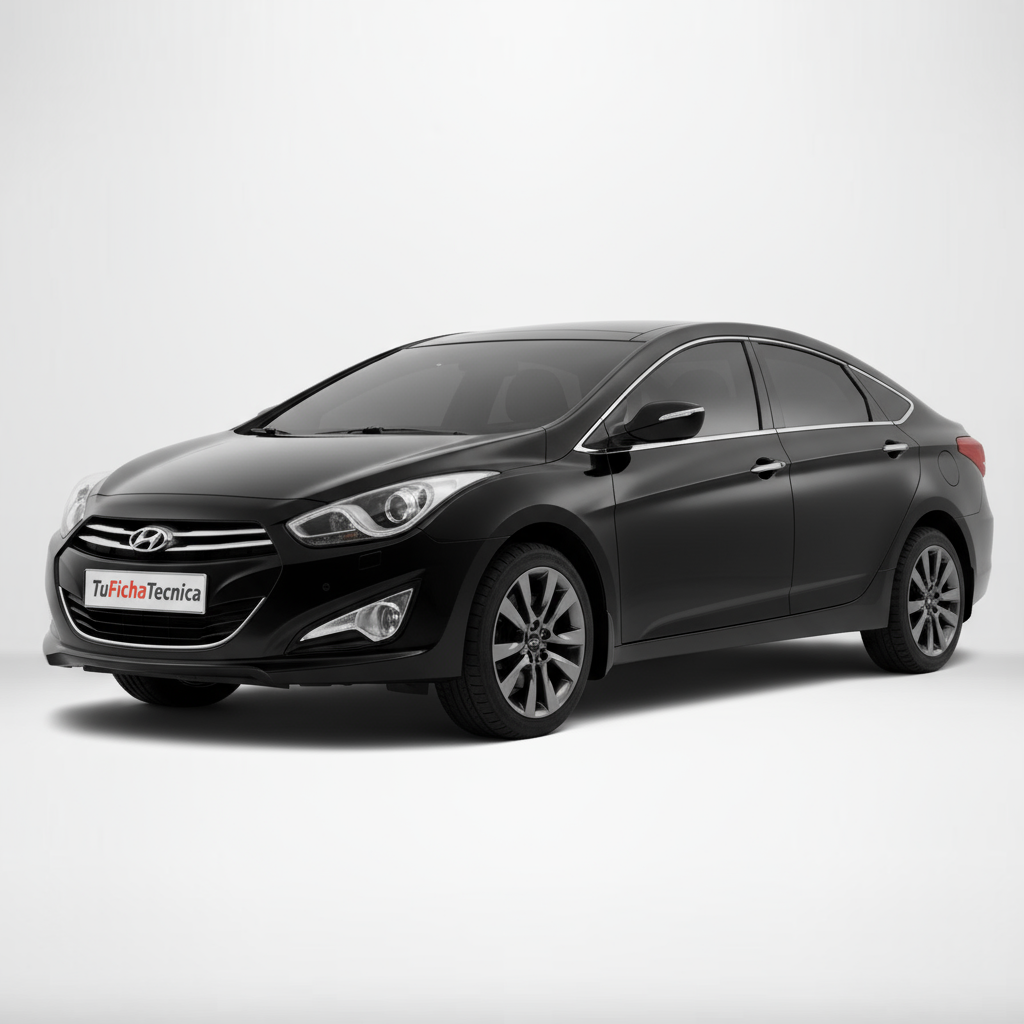
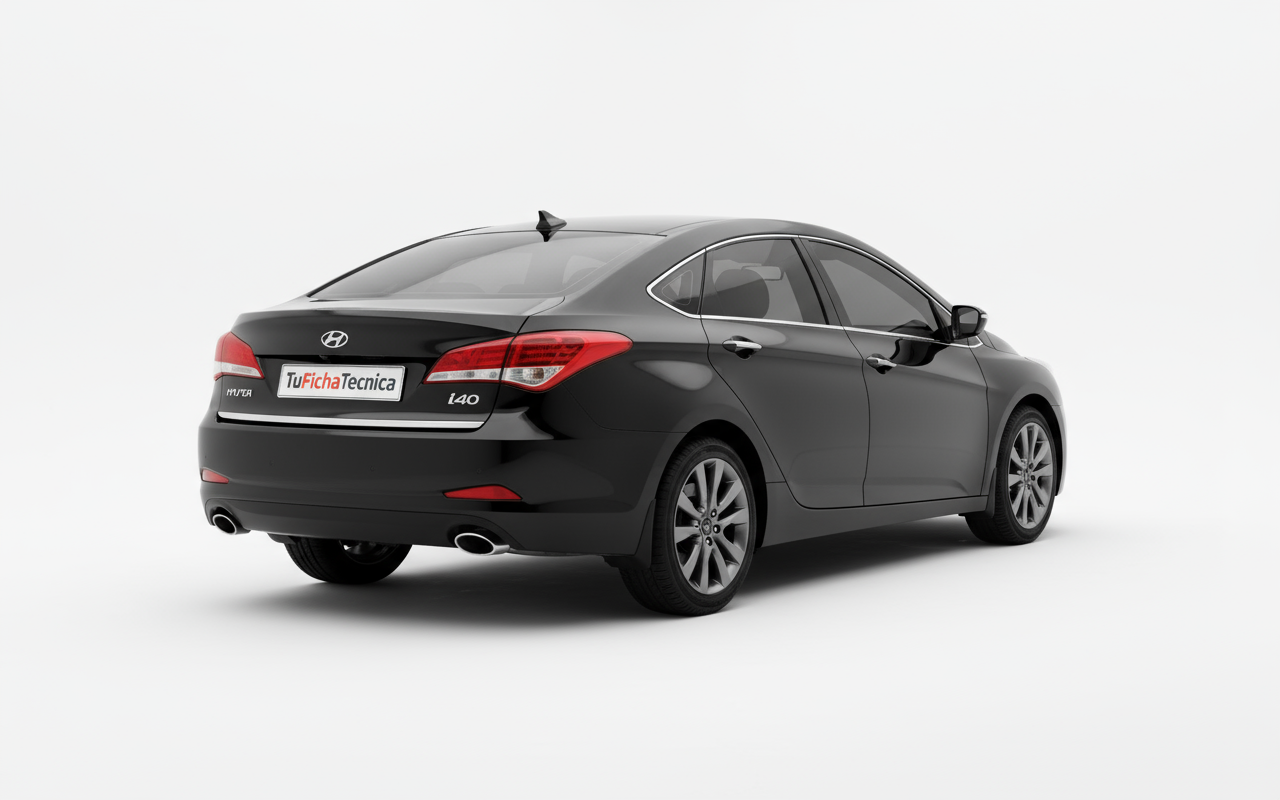
The 2012 Hyundai i40 burst into the sedan segment with a boldness that surprised everyone. It wasn't just a car; it was a statement of intent from the Korean brand, a vehicle designed to go head-to-head with the established European giants, combining an evocative design with a rational and value-packed proposition.
Driving experience
Behind the wheel, the i40 with its 116 HP 1.7 CRDi engine envelops you in an atmosphere of calm and efficiency. It doesn't seek to take your breath away with its acceleration, but to win you over with its smoothness and incredibly low consumption. The torque available from very low revs makes it pleasant in the city, and its chassis, clearly focused on comfort, turns every long journey into a relaxing and pleasant experience. It is a faithful travel companion, designed to devour kilometers without fatigue.
Design and aesthetics
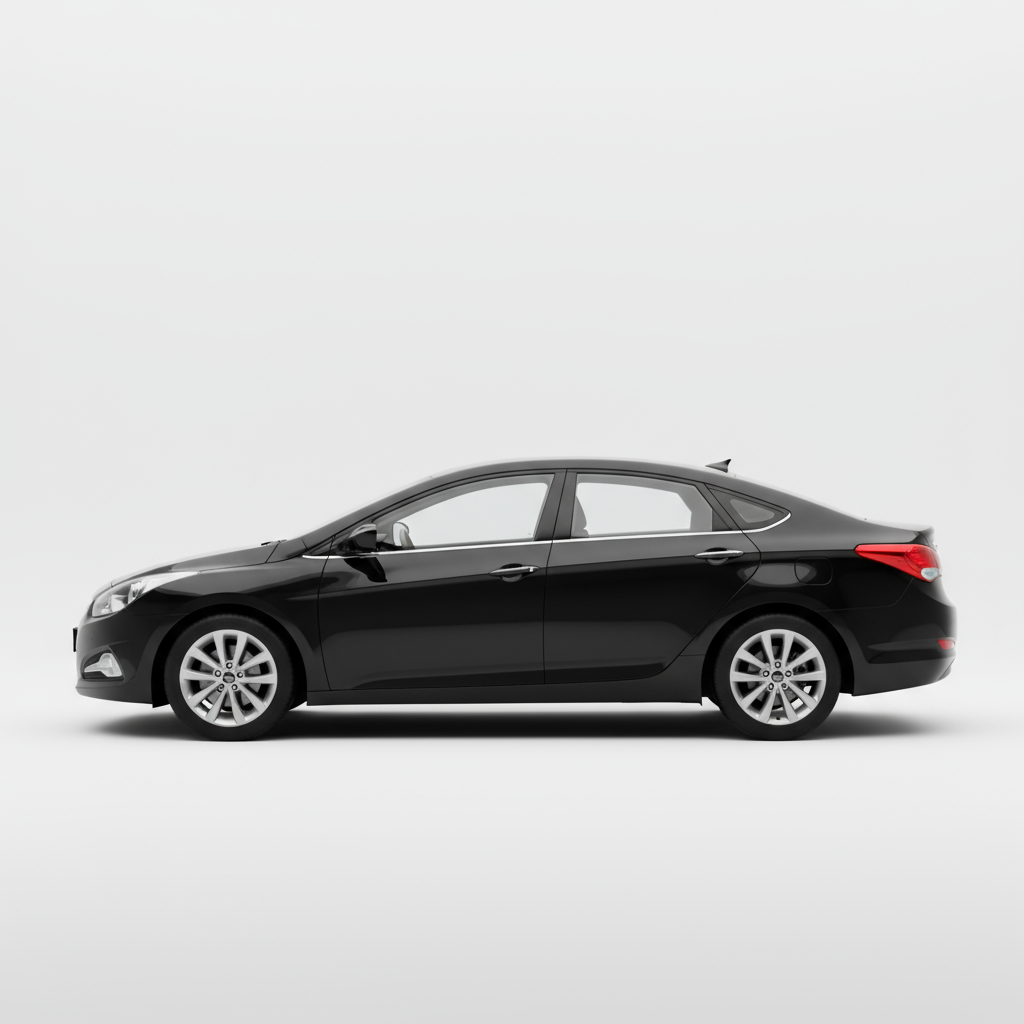
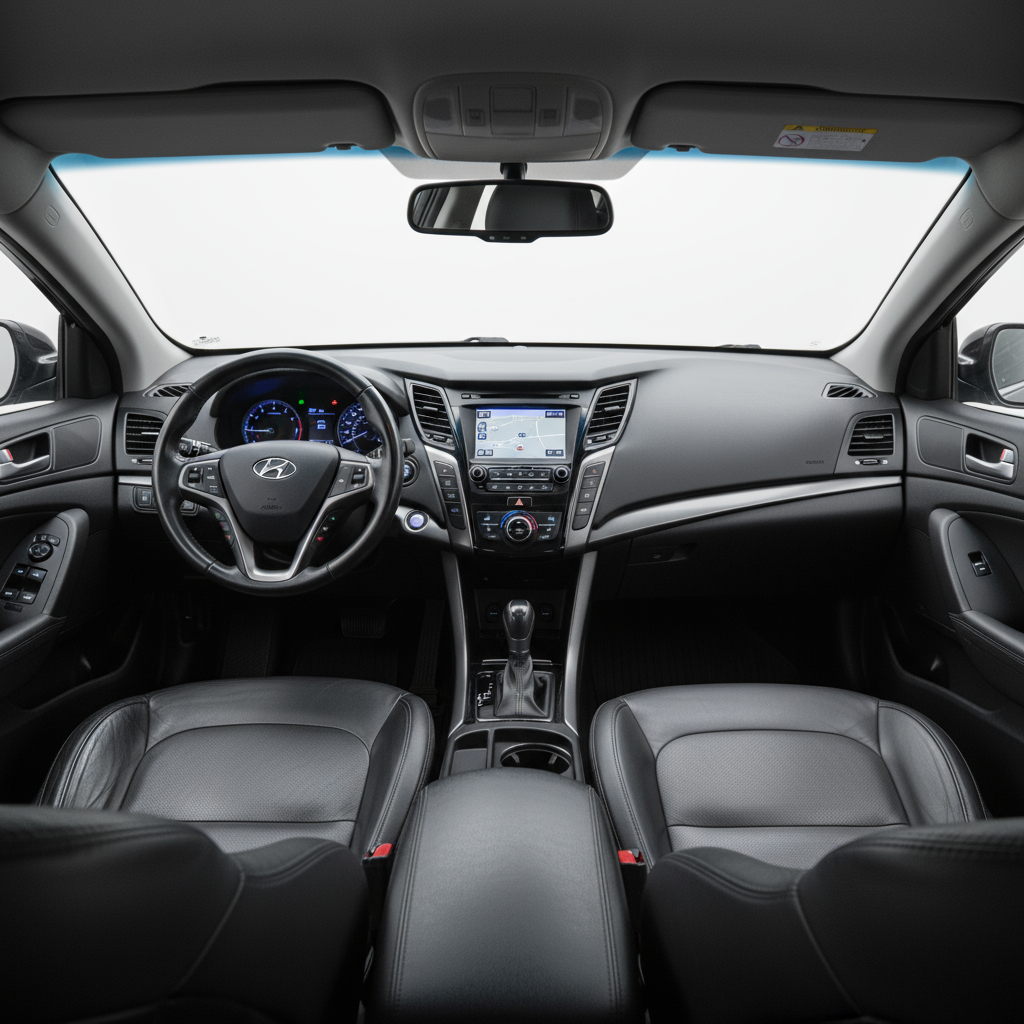
Its bodywork is an ode to Hyundai's 'Fluidic Sculpture' design, with lines that flow with an elegance and dynamism previously unseen from the brand. It's a car that, even today, turns heads. Inside, that feeling of fluidity continues, with a dashboard that embraces the occupants and surprising roominess in both the front and rear seats. The perceived quality was a giant leap forward, creating a cabin where you want to spend time.
Technology and features
For its time, the i40 was well-equipped. The BlueDrive system with Stop & Start was a clear nod to efficiency, while features like climate control, parking sensors, or Bluetooth connectivity were part of an equipment package aimed at making life on board simpler. Although its infotainment technology cannot compete with today's, it more than fulfilled its purpose, showing that Hyundai was committed to offering a lot for a contained price.
Competition
In the competitive battlefield of mid-size sedans, the i40 faced titans like the Ford Mondeo, the Volkswagen Passat, or the Opel Insignia. Its strategy was not to surpass them in a single aspect, but to offer a masterful balance between a captivating design, generous equipment, a market-leading warranty, and fuel efficiency that put its direct competitors in a tight spot.
Conclusion
The Hyundai i40 was much more than just a sedan; it was the car that established Hyundai as a manufacturer capable of creating well-rounded, desirable, and high-quality products. It is an extraordinarily sensible choice for anyone looking for space, comfort, and minimal running costs. A vehicle that charms you with its design and convinces you with its intelligence, leaving a mark of reliability and satisfaction in its wake.