
Especificaciones y análisis del Hyundai Matrix
Power
82HP
Torque
184Nm
Consumption
6l/100
Emissions
-g/km
0-100 km/h
16.9s
Top Speed
160km/h
Weight
1295kg
Price
13,300€
Technical summary
Gasóleo
Manual 5v
FWD
5 / 5 doors
345 L
55 L
60.3 kW
Current
Technical specifications
Engine
Capacities
Detailed analysis of the Hyundai Matrix 1.5 CRDi GLS · 82 CV (2001-2005)
General description
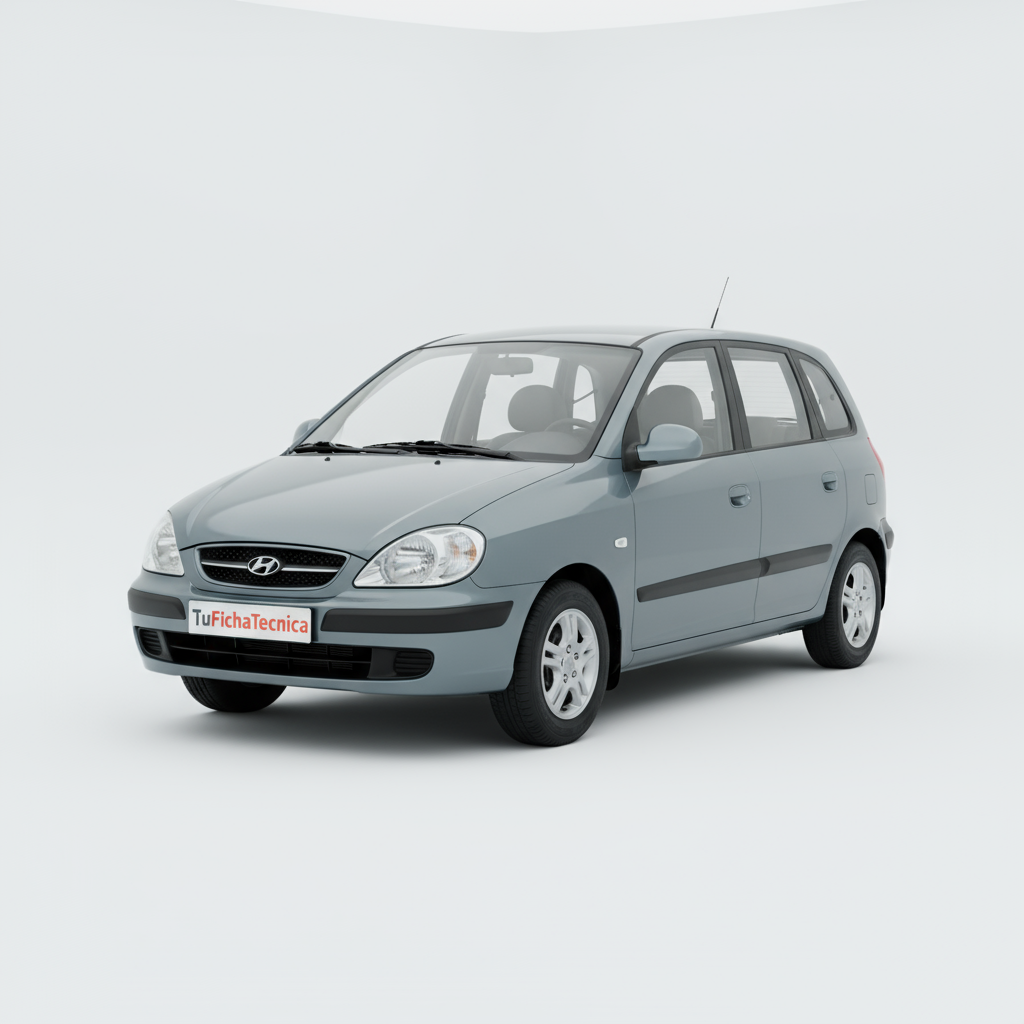
The 2002 Hyundai Matrix burst onto the market as a breath of fresh air and pragmatism. Conceived as a compact and affordable minivan, it represented the smart solution for families seeking space and versatility without giving up a manageable car for daily use. It was a vehicle that made no apologies for its functional approach, an honest travel companion ready for anything.
Driving experience
Behind the wheel of the Matrix 1.5 CRDi, the sensations are of pure sufficiency and economy. Its 82 horsepower, delivered by a characteristic three-cylinder engine, doesn't aim for speed records but to move the family with ease and contained consumption. The turbo's low-end torque makes it pleasant in the city, while on the highway, it feels like a calm and reliable traveler. It's driving without frills, focused on reaching the destination with the serenity provided by a robust and predictable engine.
Design and aesthetics
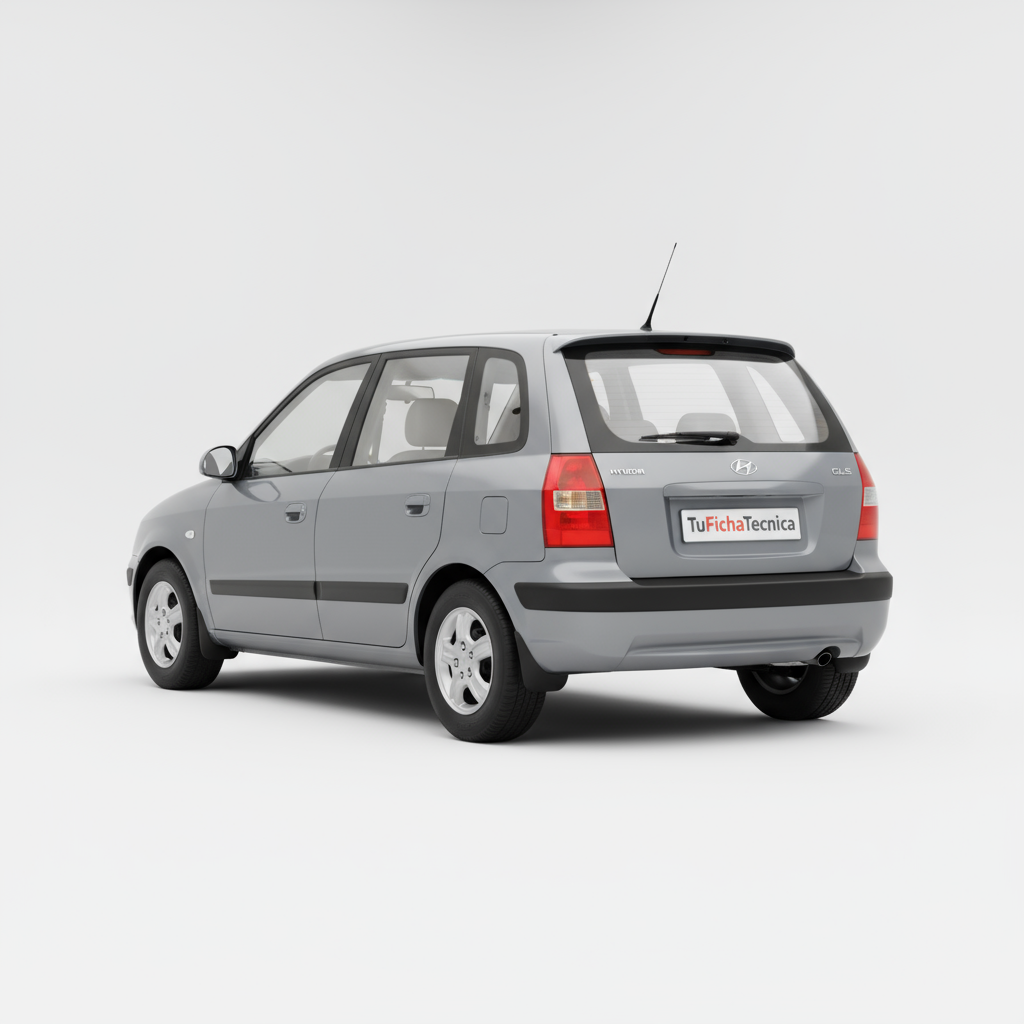
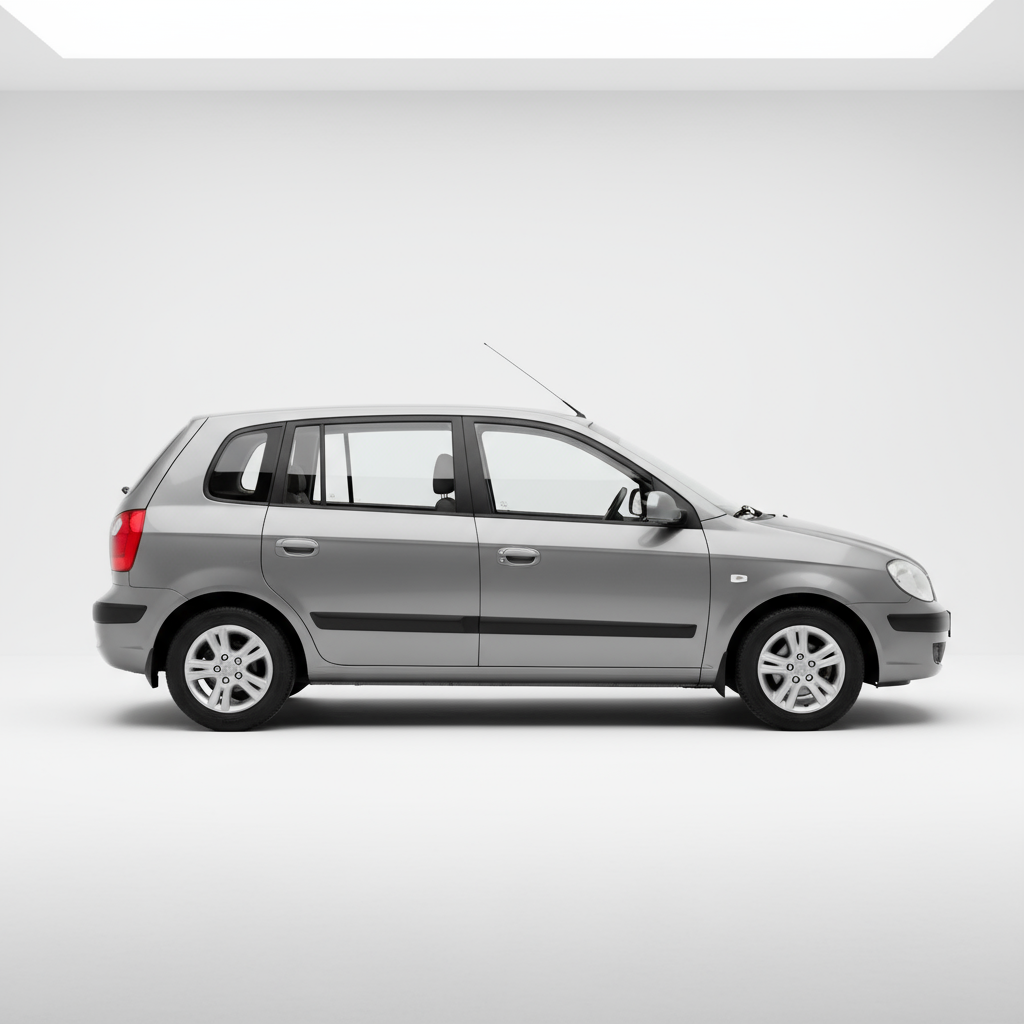
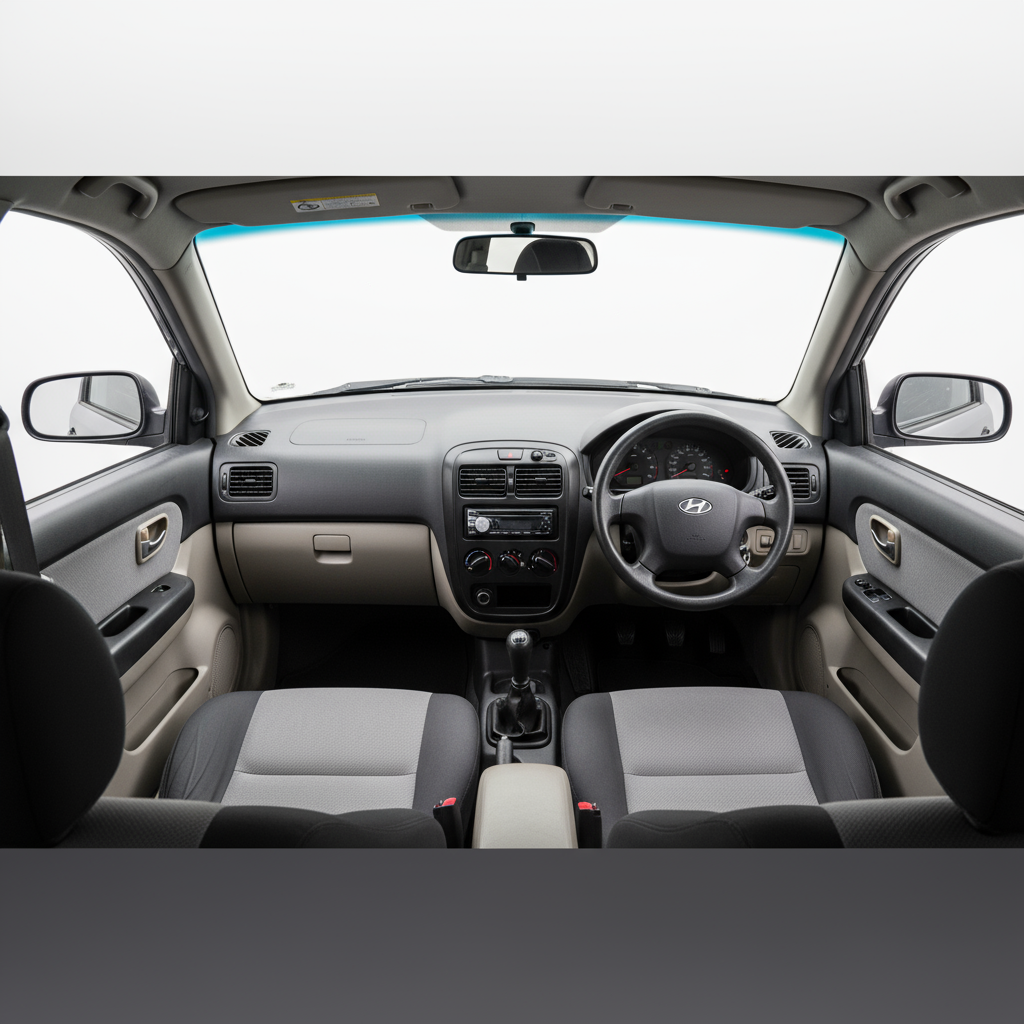
The Matrix's design is undoubtedly its most memorable feature, a work by Pininfarina that sought maximum functionality. Its distinctive stepped window line was not an aesthetic whim but a brilliant solution to improve visibility for rear passengers, especially children. Inside, space is the true protagonist, with surprising modularity for its size and a feeling of spaciousness that made you feel like you were in a higher-category car.
Technology and features
The Matrix's technology was at the service of efficiency and reliability. Its common-rail direct injection (CRDi) diesel engine was a sign of modernity for its time, offering a good balance between performance and consumption. The rest of the equipment was simple and functional, without screens or complex systems, reminding us of an era when technology focused on making driving easier and safer, not on distracting us from it.
Competition
In a segment as competitive as compact minivans, the Hyundai Matrix faced giants like the Renault Scénic, the Citroën Xsara Picasso, and the Opel Zafira. While its European rivals opted for more conventional designs or seven-seater solutions, the Matrix played the card of originality, interior space for five occupants, and, above all, a quality-price ratio that made it an irresistibly logical and sensible choice.
Conclusion
The Hyundai Matrix 1.5 CRDi is more than just a car; it's a memory of an era when practicality was the greatest luxury. A vehicle that more than fulfilled its promise of being a faithful ally for thousands of families, offering space, economy, and reliability tested by daily adventures. It represents the essence of the automobile as a tool for living, a popular classic that won hearts with its honesty and tireless spirit.