
Especificaciones y análisis del Hyundai Matrix
Power
82HP
Torque
184Nm
Consumption
6l/100
Emissions
-g/km
0-100 km/h
16.9s
Top Speed
160km/h
Weight
1295kg
Price
14,900€
Technical summary
Gasóleo
Manual 5v
FWD
5 / 5 doors
345 L
55 L
60.3 kW
Current
Technical specifications
Engine
Capacities
Detailed analysis of the Hyundai Matrix 1.5 CRDi GLS Full · 82 CV (2001-2005)
General description
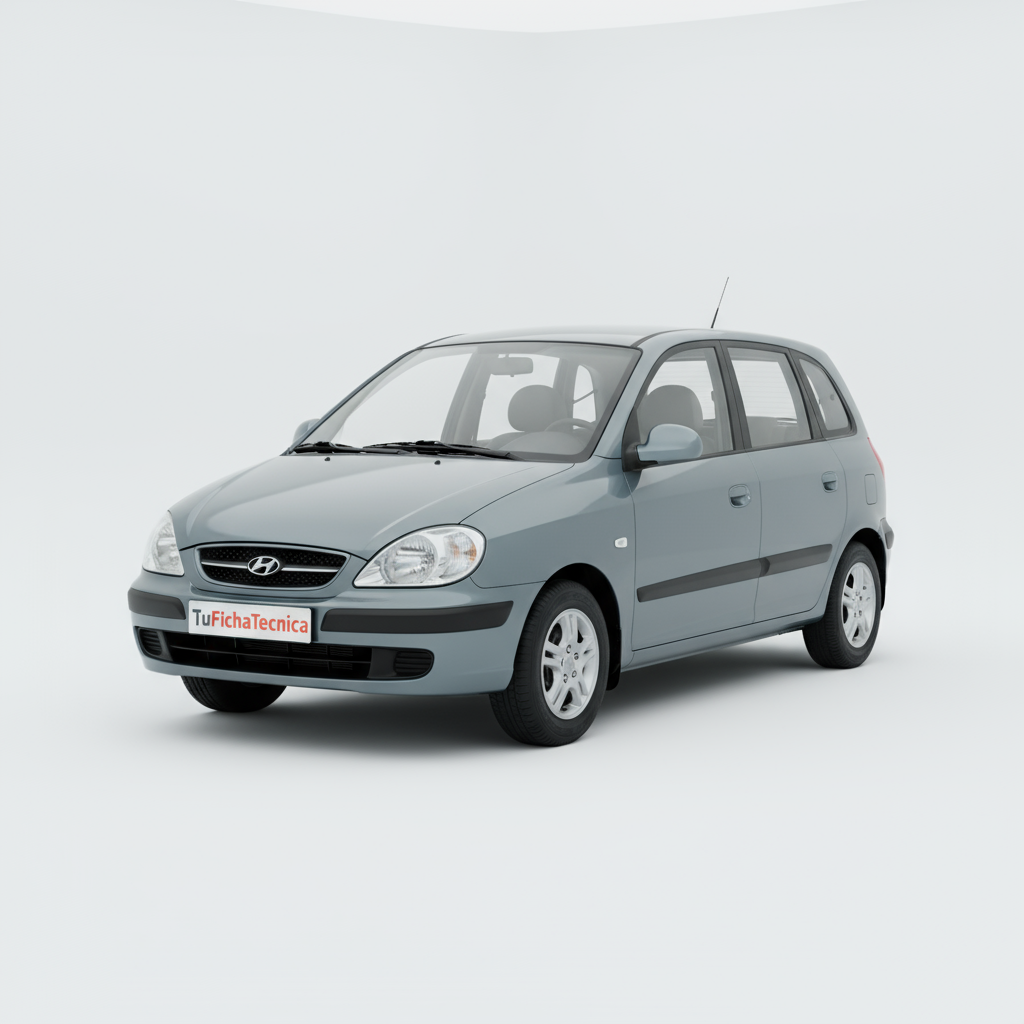
The 2002 Hyundai Matrix burst onto the market like a breath of fresh air and pragmatism. Conceived as a compact minivan, its soul did not lie in speed, but in the promise of being a faithful companion for the family, a living space on wheels where every journey, no matter how mundane, felt like a small shared adventure.
Driving experience
Getting behind the wheel of the Matrix is to rediscover a pure and unpretentious driving experience. Its 3-cylinder, 82-horsepower diesel engine, though modest in numbers, pushes with surprising honesty thanks to its good low-end torque. It doesn't seek acceleration records, but rather to offer a serene and economical journey. The comfort-oriented suspension effectively absorbs irregularities, making it an ideal vehicle for the urban jungle and weekend getaways.
Design and aesthetics
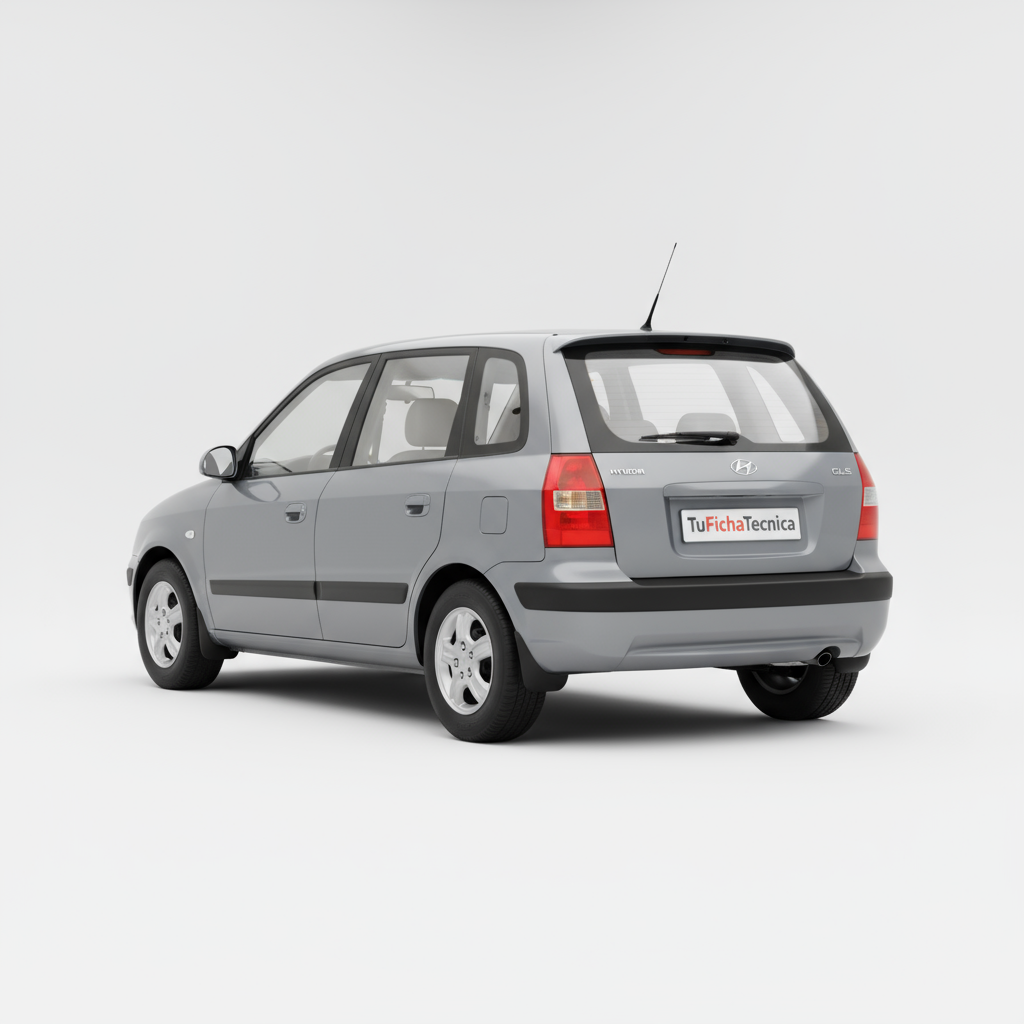
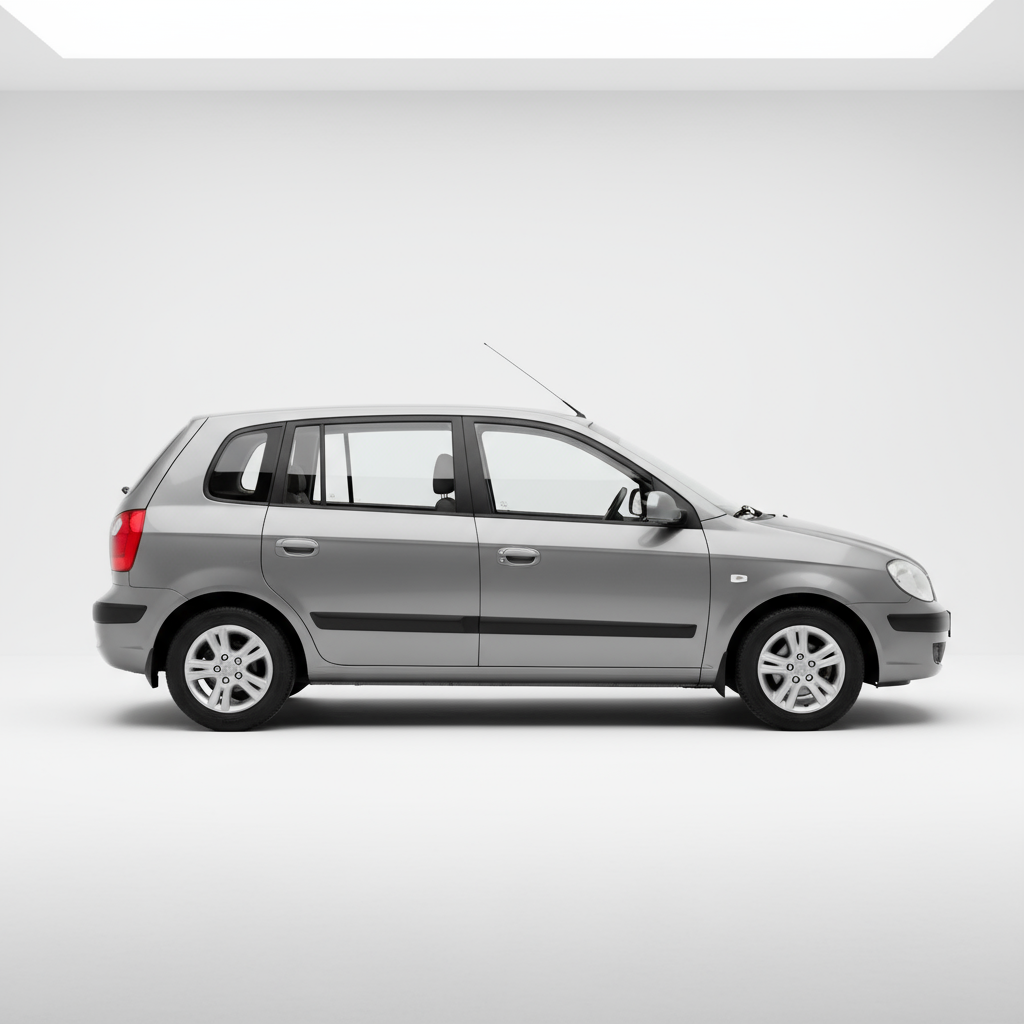
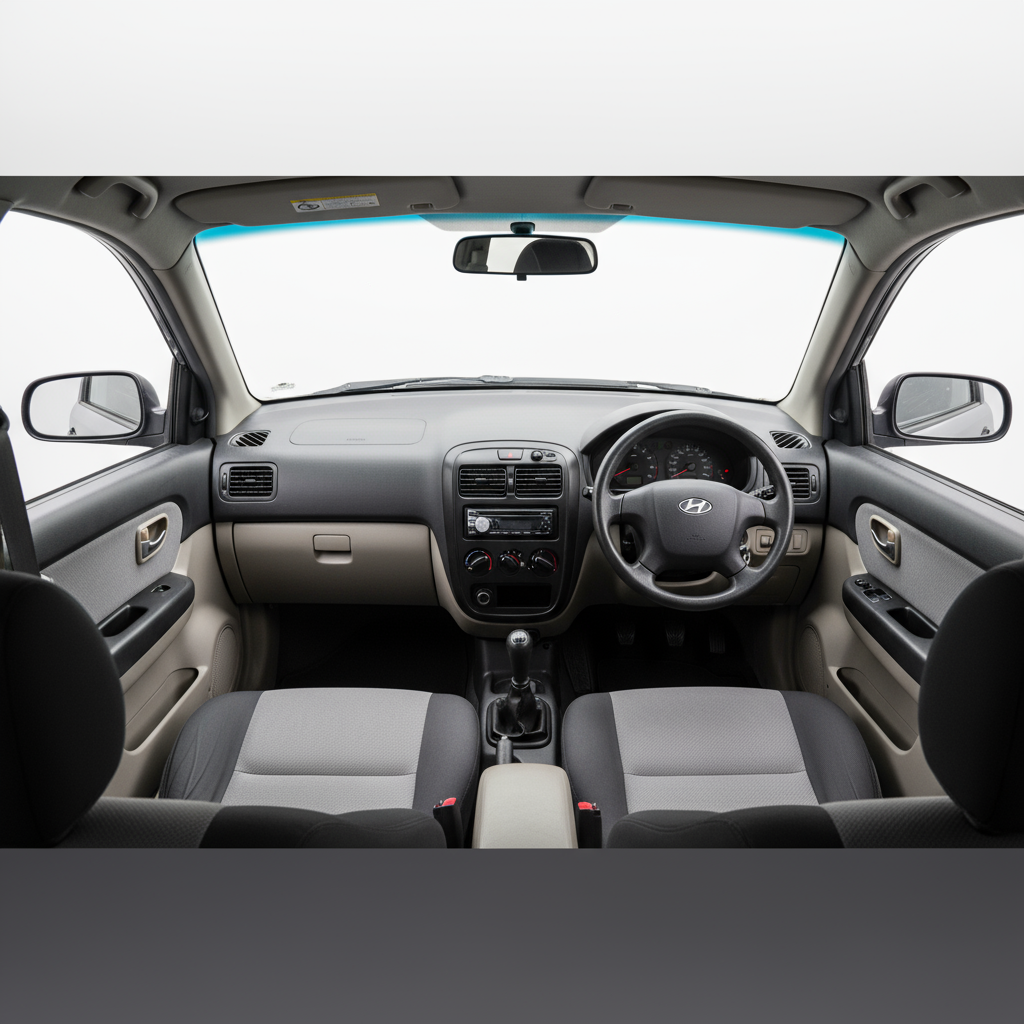
The result of the Pininfarina studio's genius, the Matrix's design is unforgettable and bold. It broke the mold with its characteristic stepped window line, an aesthetic solution that not only gave it a unique personality but also improved visibility. Its almost cubic shape is a statement of intent: function defines form, maximizing interior space and creating a bright and welcoming cabin.
Technology and features
At its technological heart beat the efficiency of its time. Common rail direct injection and a turbo were advanced features for a diesel engine in its category in the early 2000s, seeking to optimize every drop of fuel. The rest of the equipment was simple and functional, reminding us of an era when technology served durability and ease of use.
Competition
The Matrix faced giants of the segment like the Renault Scénic, the Citroën Xsara Picasso, and the Opel Zafira. While its competitors opted for more conventional designs, the Hyundai played the card of originality, an intelligently used interior space, and a quality-price ratio that made it an irresistibly logical and sensible choice for many families.
Conclusion
The Hyundai Matrix is more than just a car; it is a reminder of a people-centric automotive philosophy. An honest, incredibly practical vehicle with a design that dared to be different. It represents the smart buy, the companion that never fails, and that, despite the years, continues to evoke a deep sense of warmth, functionality, and home.