
Especificaciones y análisis del Hyundai Matrix
Power
102HP
Torque
236Nm
Consumption
5.4l/100
Emissions
147g/km
0-100 km/h
14.3s
Top Speed
164km/h
Weight
1305kg
Price
15,960€
Technical summary
Gasóleo
Manual 5v
FWD
5 / 5 doors
345 L
55 L
75 kW
Current
Technical specifications
Engine
Capacities
Detailed analysis of the Hyundai Matrix 1.5 CRDi 16v GLS Full · 102 CV (2005-2008)
General description
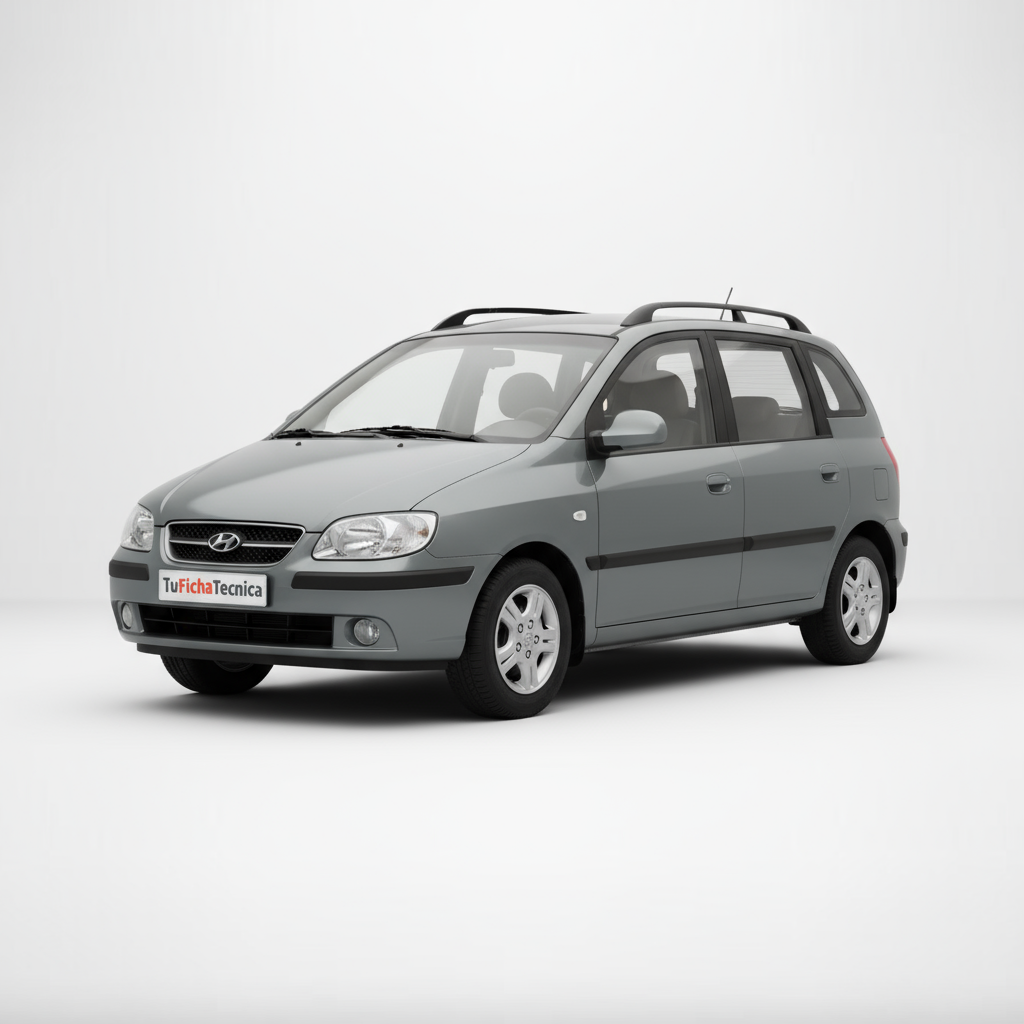
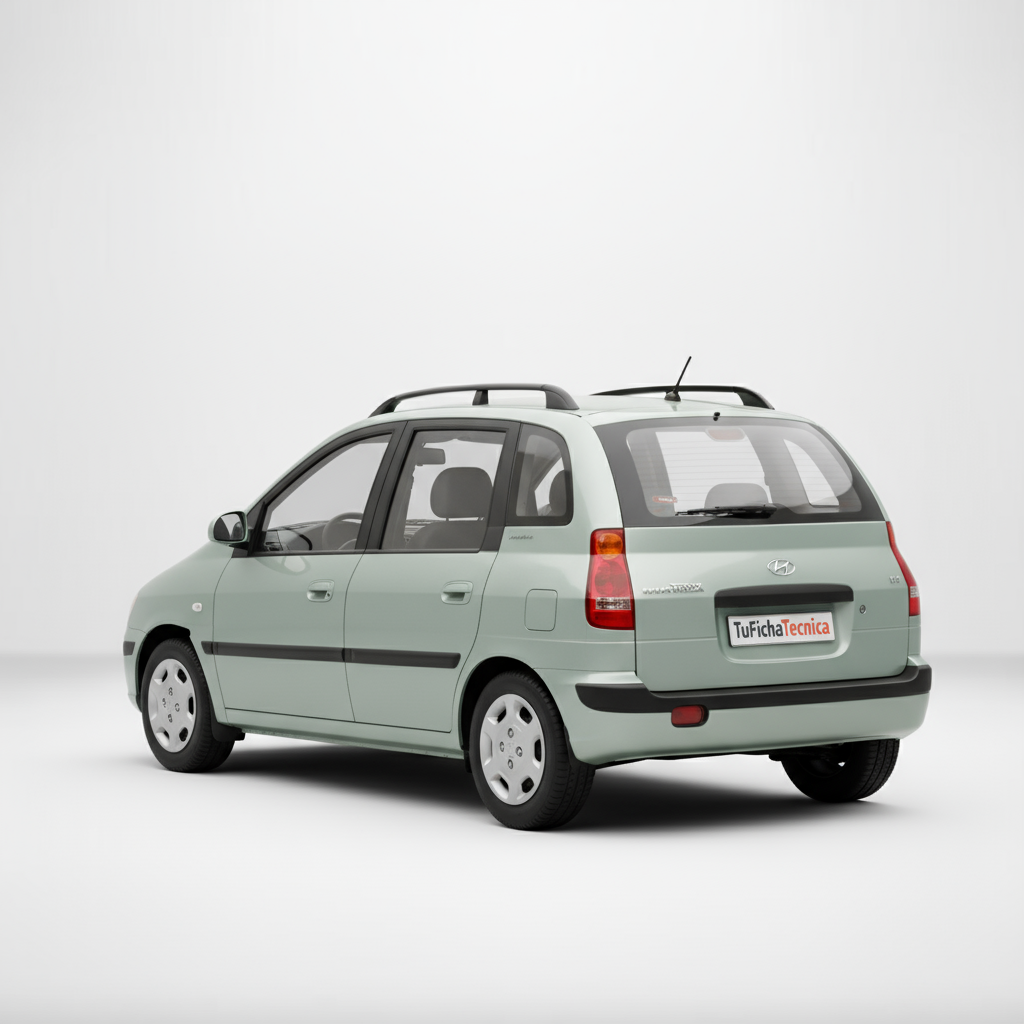
The 2005 Hyundai Matrix is more than just a simple minivan; it's a haven of practicality and sensibility in an automotive world that was beginning to get complicated. Born to be the family's faithful companion, its purpose was clear: to offer maximum space and versatility in a compact format, a promise it fulfilled with a very particular charm.
Driving experience
Behind the wheel, the Matrix conveys a sense of honesty and adequacy. Its 102-horsepower diesel engine, with generous torque from low revs, moves the vehicle with surprising ease for daily use, without any sporting pretensions. The ride is smooth and predictable, with a suspension designed to absorb road irregularities and care for its occupants, turning every journey into a calm and comfortable experience.
Design and aesthetics
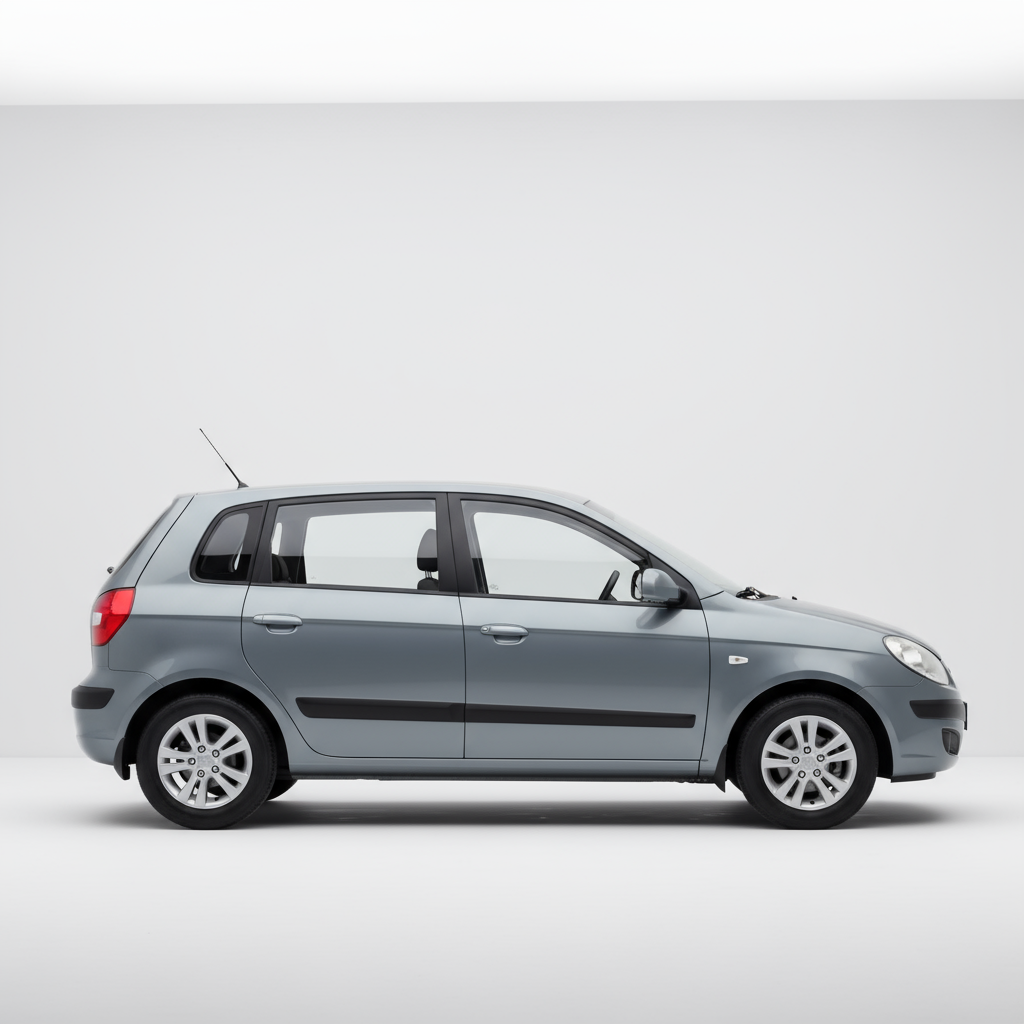
Designed by the legendary Pininfarina studio, the Matrix has an aesthetic that does not leave one indifferent. Its characteristic descending window line and its elevated silhouette break the monotony, prioritizing visibility and the feeling of interior spaciousness. It's a functional design that dared to be different, creating a unique visual identity that has aged with admirable dignity.
Technology and features
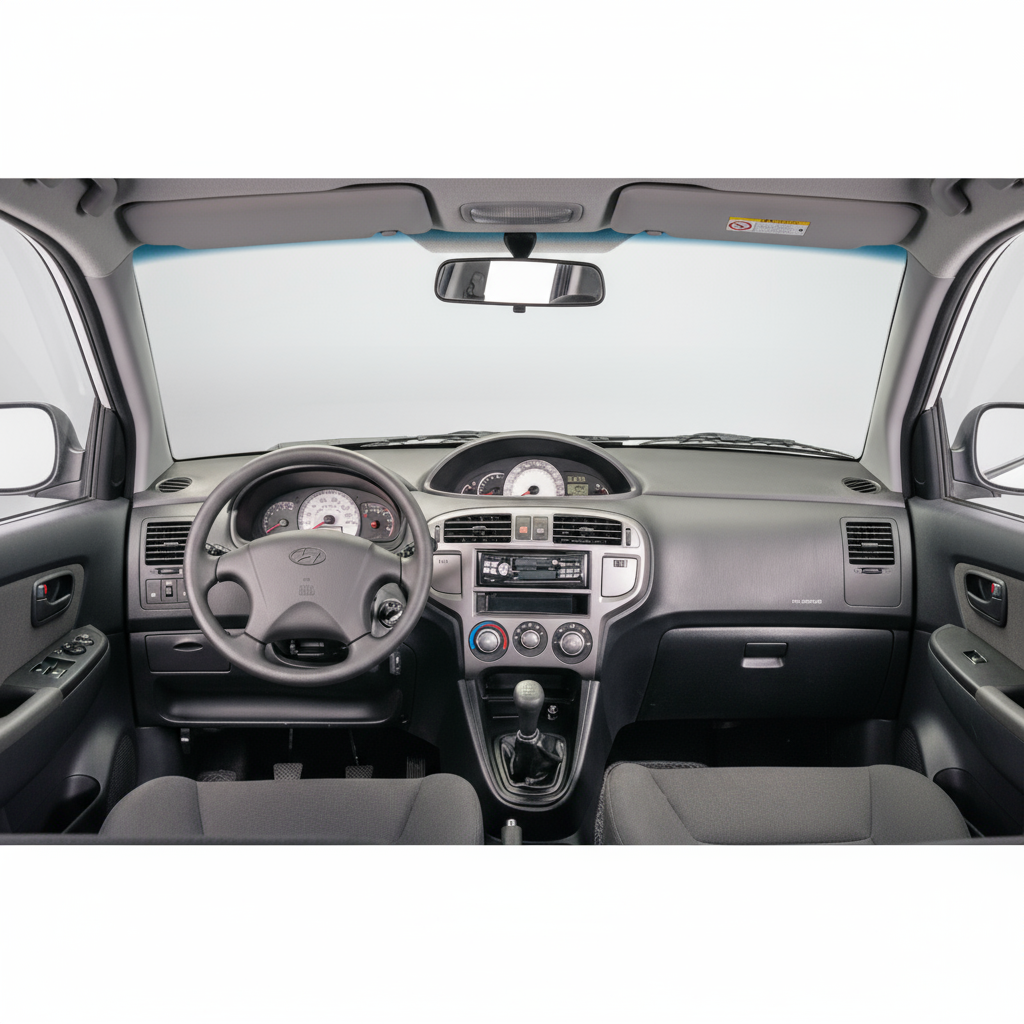
At its technological heart beat efficiency. The CRDi engine with common-rail direct injection and variable geometry turbo was an example of modern diesel technology of the era, focused on offering a low consumption of 5.4 liters per hundred kilometers. On board, the technology focused on the essentials, without distractions, with a central instrument cluster that aimed to be innovative and functional for the driver.
Competition
In a competitive segment, the Matrix faced rivals like the Opel Meriva or the Renault Modus. While others opted for more conventional designs or complex modular solutions, the Hyundai defended itself with an unbeatable formula of interior space, a very competitive price, and a reliability that was beginning to forge the legend of the Korean brand.
Conclusion
The Hyundai Matrix is a reminder of a time when a family car was, above all, a tool to make life easier. It represents the intelligence of choosing with the head without giving up a touch of heart. A spacious, economical, and reliable vehicle that won the affection of its owners for being exactly what it promised: a loyal companion for everyday adventures.