
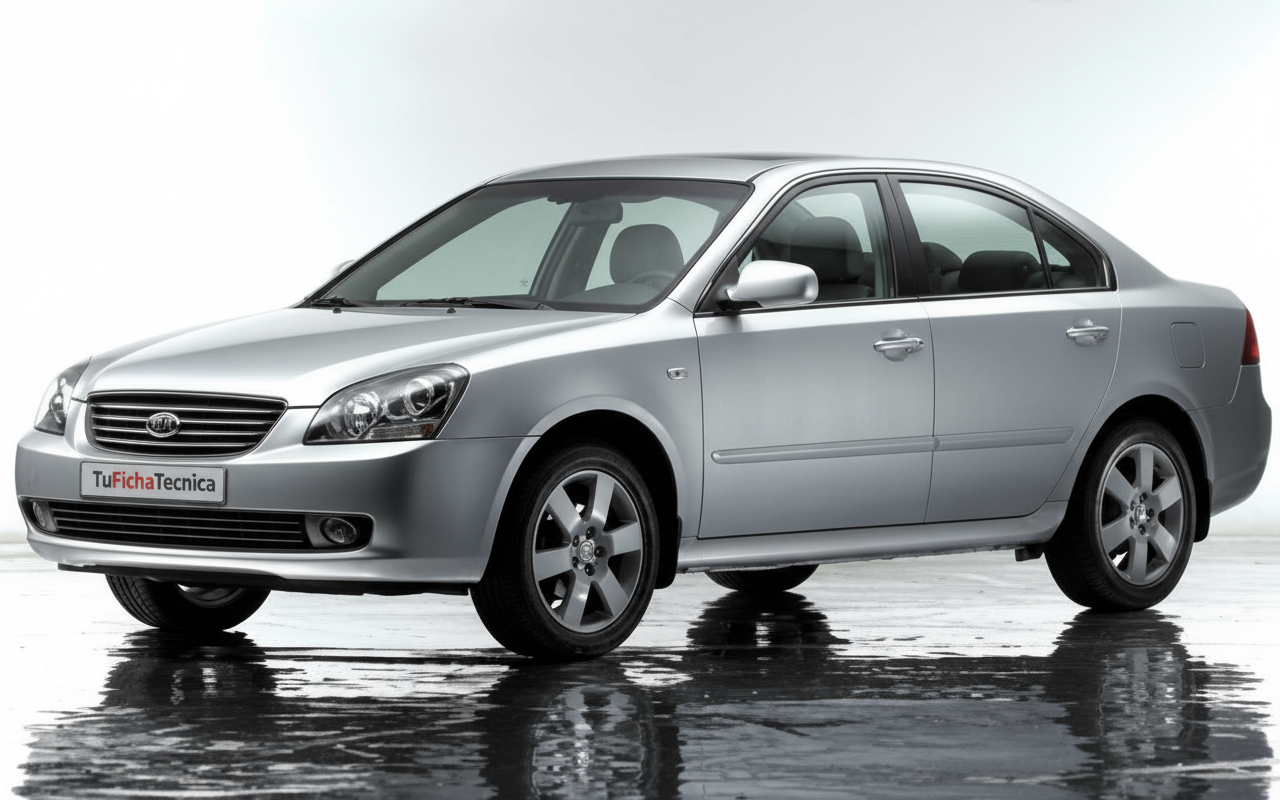
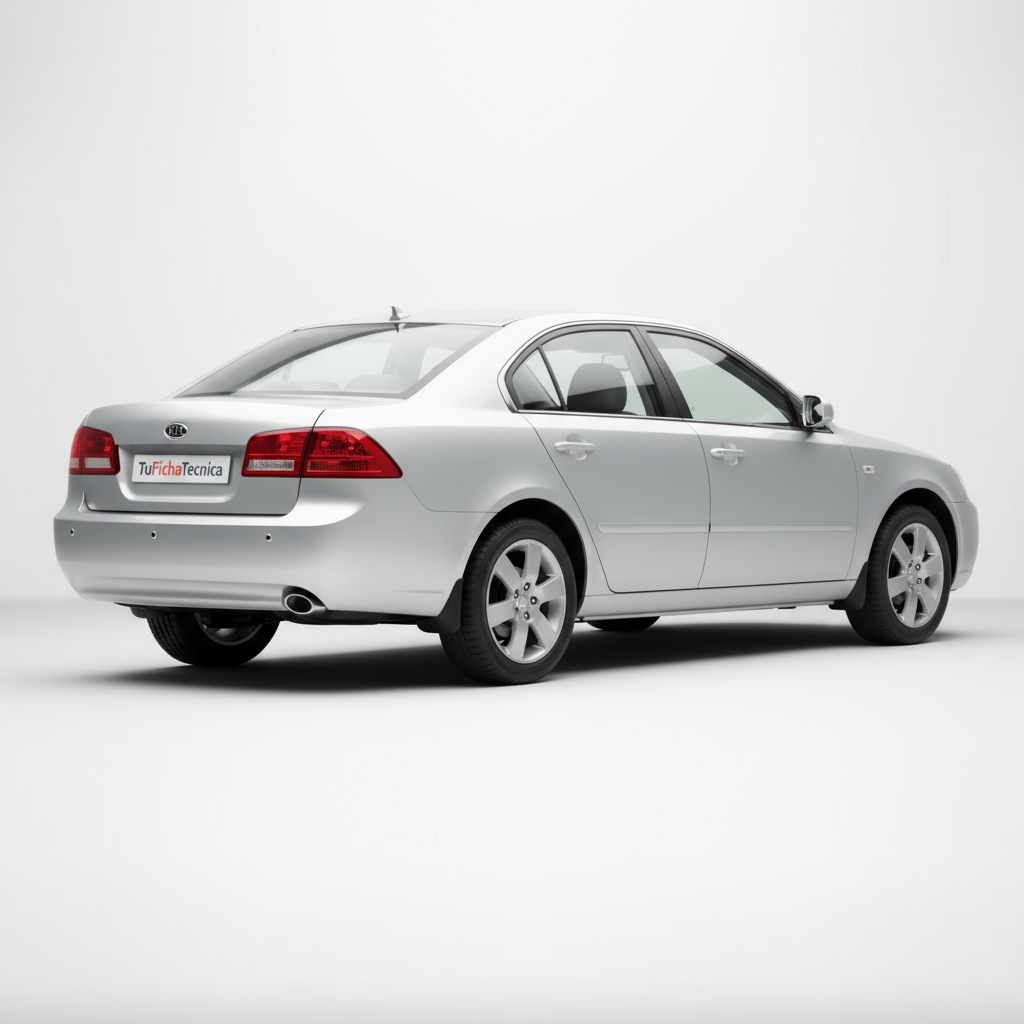
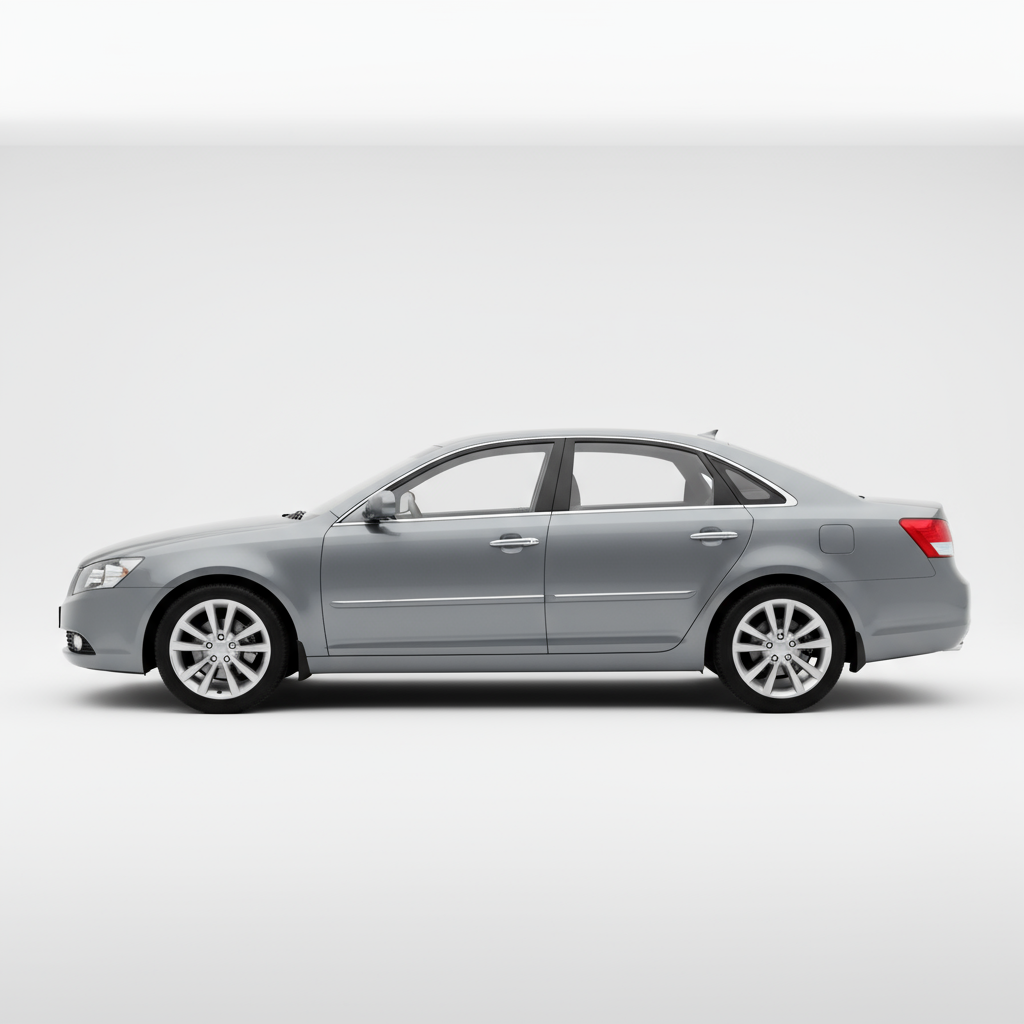
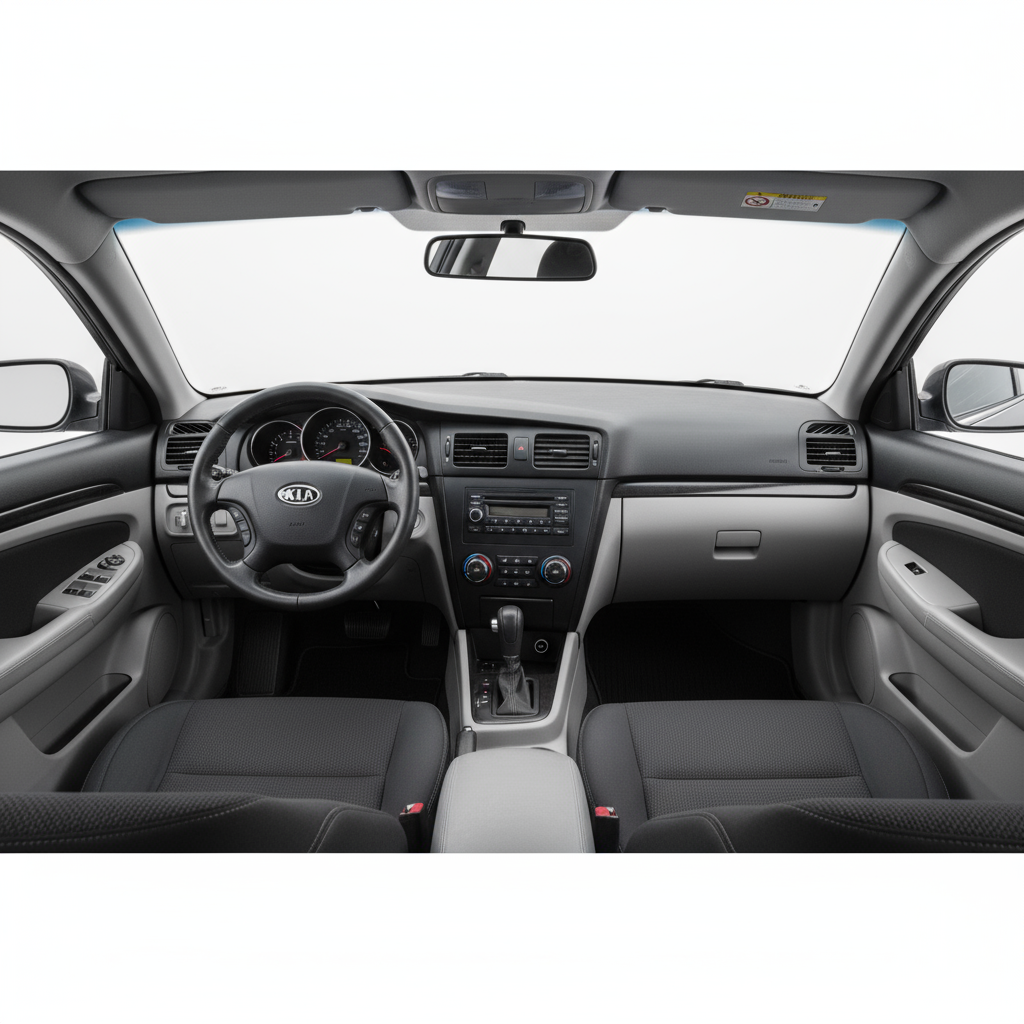
Especificaciones y análisis del KIA Magentis
Power
145HP
Torque
189Nm
Consumption
7.7l/100
Emissions
184g/km
0-100 km/h
10.2s
Top Speed
208km/h
Weight
1408kg
Price
20,111€
Technical summary
Gasolina
Manual 5v
FWD
5 / 4 doors
495 L
62 L
106.3 kW
Current
Technical specifications
Engine
Capacities
Detailed analysis of the KIA Magentis 2.0 DOHC EX I · 145 CV (2006-2007)
General description
The 2006 KIA Magentis burst onto the market as a statement of intent, a sedan that offered generous space and remarkable ride comfort at a price that challenged its European competitors. It was an honest car, designed for the family looking for a reliable and spacious travel companion without the need for great fanfare.
Driving experience
Behind the wheel, the Magentis conveys a sense of calm and smoothness. Its 145-horsepower gasoline engine responds progressively and linearly, without abruptness, ideal for long highway journeys. The suspension, clearly comfort-oriented, absorbs road irregularities with surprising efficiency, creating an atmosphere of tranquility in the cabin. It is not a car that invites sporty driving, but rather to enjoy the pleasure of stress-free travel.
Design and aesthetics
Its design is a reflection of its philosophy: sober, elegant, and functional. With a classic three-box design and generous dimensions, it projects an image of solidity and seriousness. It shuns stridency to offer a timeless aesthetic that has aged with dignity. Inside, space is the true protagonist, especially in the rear seats, and the dashboard prioritizes ease of use over showiness.
Technology and features
Technologically, the Magentis aligns with the standards of its time, offering the essentials to ensure safety and comfort. Its indirect injection engine is a proven and robust mechanism, and its chassis features elements like four-wheel disc brakes. It lacks the driving aids and multimedia screens that are common today, but its simplicity is also a virtue, resulting in a car that is easy to understand and maintain.
Competition
At the time, the KIA Magentis faced heavyweights in the mid-size sedan segment, such as the Ford Mondeo, the Opel Vectra, or the Renault Laguna. It also competed with the Peugeot 407 and its first cousin, the Hyundai Sonata, with which it shared a platform. Against them, its main argument was an almost unbeatable relationship between space, equipment, and price.
Conclusion
The KIA Magentis 2.0 is much more than just an affordable sedan; it is a rolling refuge that prioritizes the well-being of its occupants. It is the smart choice for anyone looking for a spacious, comfortable, and reliable car, a vehicle that fulfills its promise without asking for anything in return. Although it may not stir passions with its dynamism, it leaves a memory of gratitude and trust.