
Especificaciones y análisis del KIA Rio
Power
86HP
Torque
121Nm
Consumption
5.1l/100
Emissions
119g/km
0-100 km/h
13.1s
Top Speed
168km/h
Weight
1104kg
Price
9,635€
Technical summary
Gasolina
Manual 5v
FWD
5 / 5 doors
288 L
43 L
63 kW
Current
Technical specifications
Engine
Capacities
Detailed analysis of the KIA Rio 5p 1.2 CVVT Basic · 86 CV (2011-2012)
General description
The 2012 KIA Rio was not just another car; it was a statement of intent. It represented a quantum leap for the Korean brand, a vehicle that left its complexes behind and stood proudly in the competitive B-segment. With a design that was love at first sight and an unbeatable value proposition, this Rio changed public perception and proved that an affordable car could also be exciting and desirable.
Driving experience
Behind the wheel, the 86 HP 1.2 Rio conveys a refreshing honesty. It doesn't pretend to be a sports car, but a faithful and efficient daily companion. Its naturally aspirated engine revs smoothly and, although its 13.1 seconds to reach 100 km/h won't pin you to your seat, it feels agile and sufficient for the city and road trips. The five-speed manual gearbox is precise and pleasant, and its overall lightness translates into a comfortable and predictable drive that inspires a deep sense of confidence and control.
Design and aesthetics
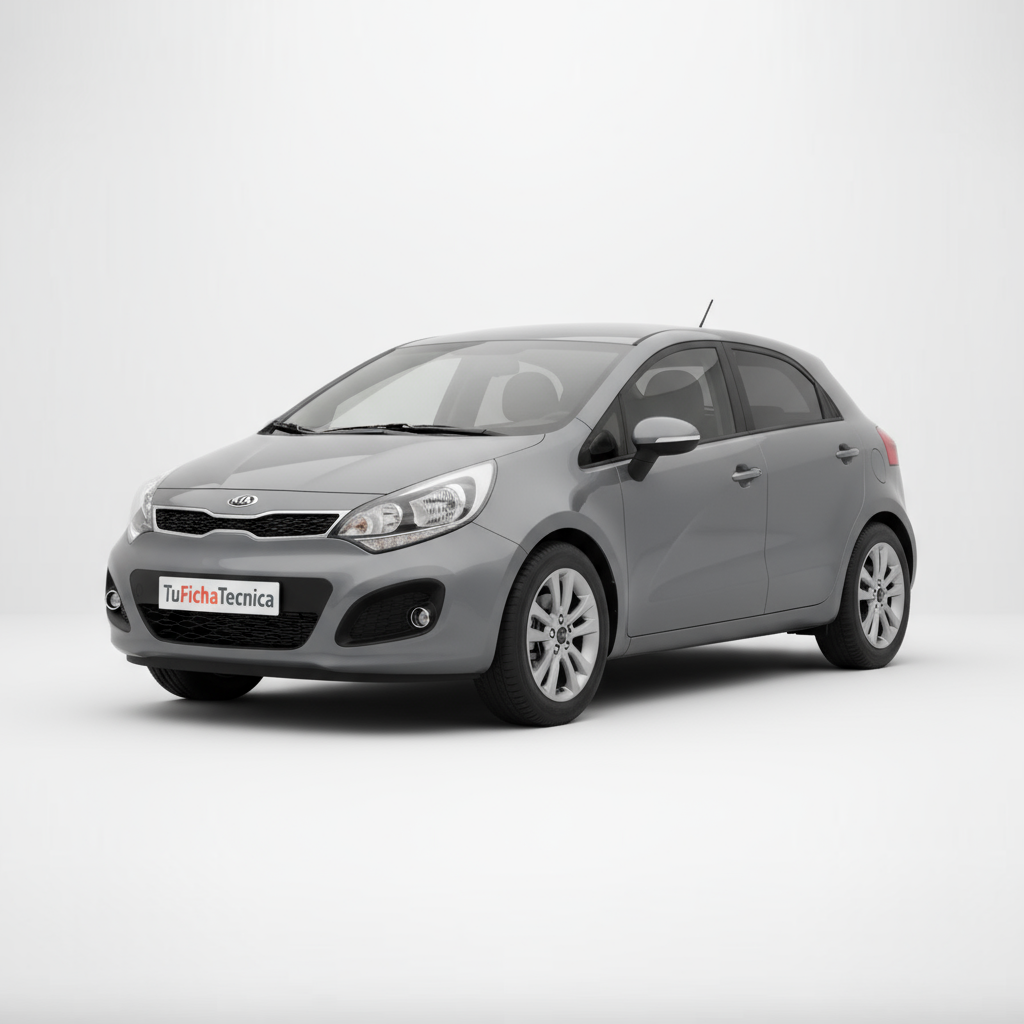
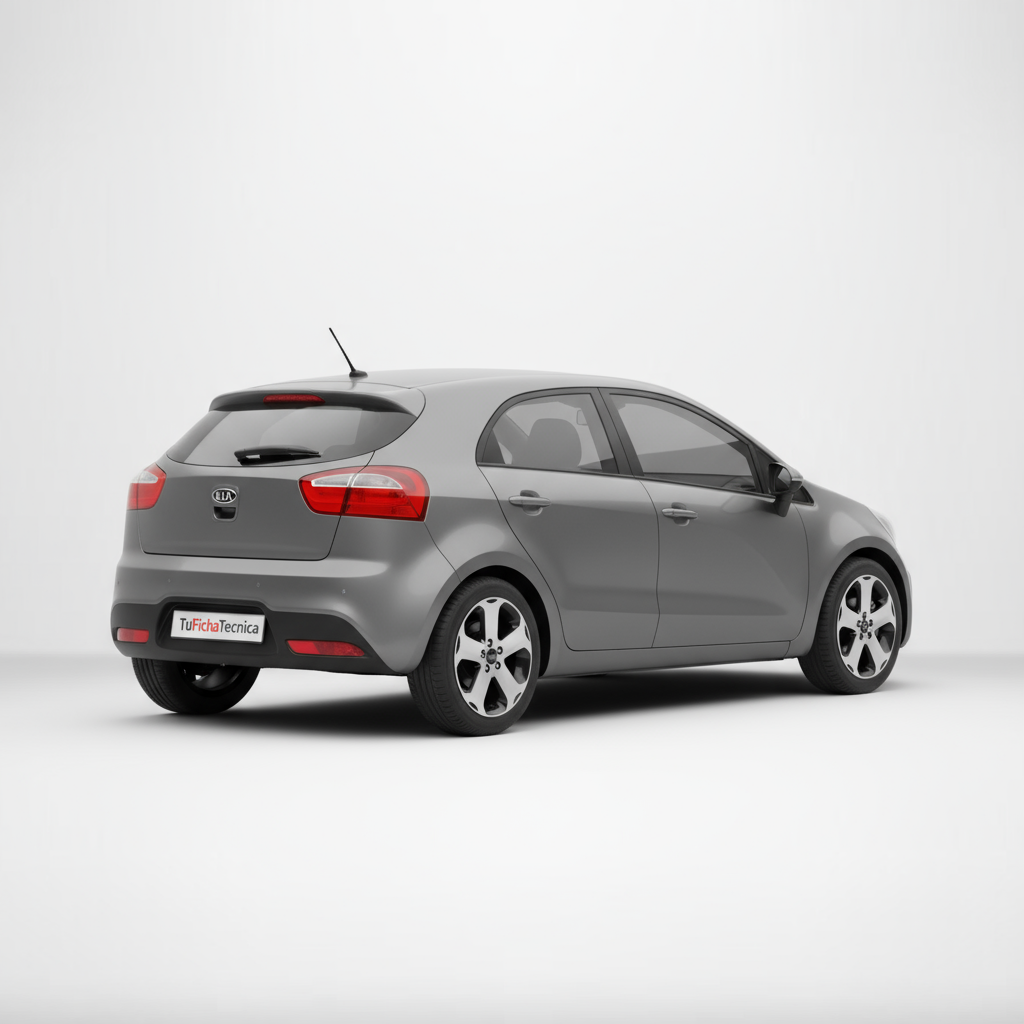
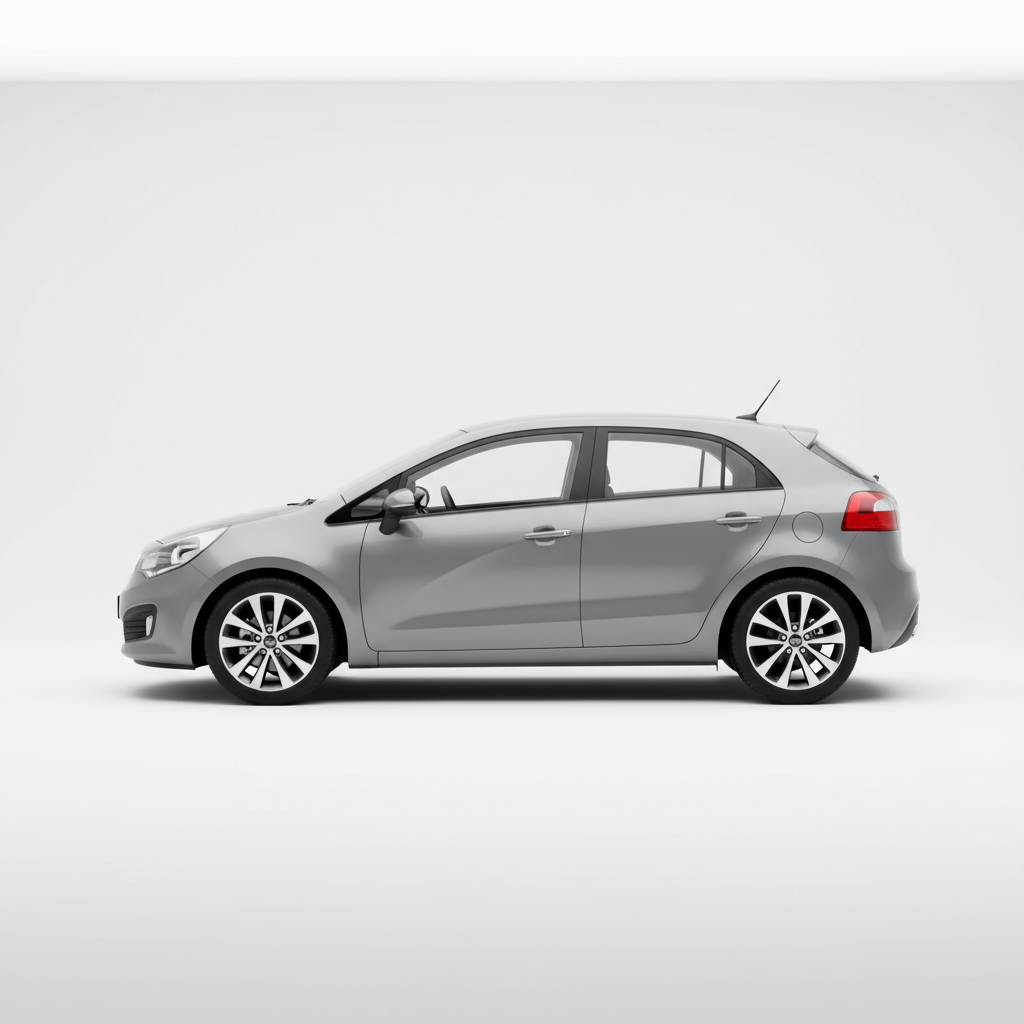
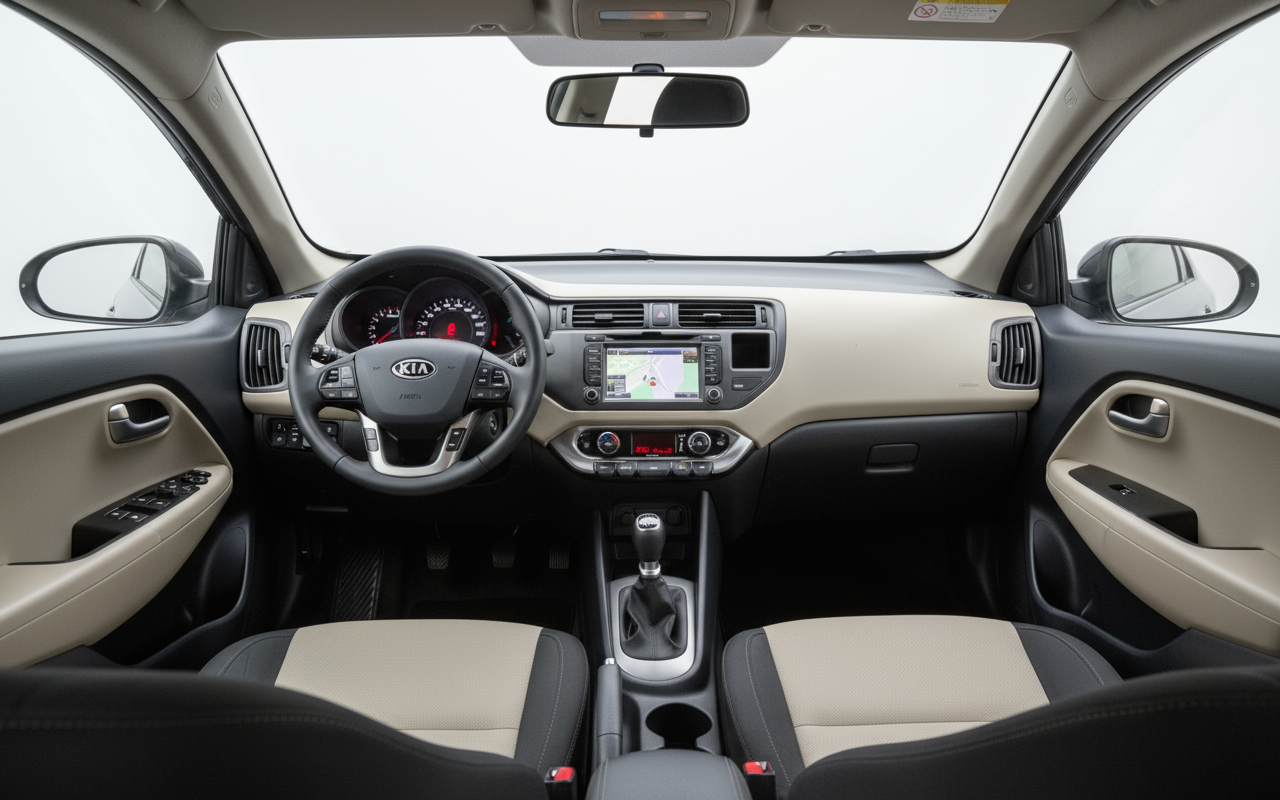
This is where the 2012 Rio broke all the molds. Under the direction of master Peter Schreyer, it adopted the iconic 'Tiger Nose' grille and sharp, dynamic lines that gave it an imposing presence. It ceased to be a purely rational choice to become an object of desire. Its European aesthetics, balanced proportions, and an interior that drastically improved in quality and ergonomics, created a package that felt much more expensive and sophisticated than it really was.
Technology and features
In its entry-level version, the Rio's technology focused on the essential and functional. It had electric power steering, a basic audio system, and the essential safety features for the time. Its real innovation was not in screens or advanced assistants, but in the efficiency of its aluminum engine with variable intake and in offering a reliable and proven mechanical package. It was technology at the service of durability and low maintenance cost, not artifice.
Competition
In 2012, the Rio faced established giants like the SEAT Ibiza, Ford Fiesta, Renault Clio, and Volkswagen Polo. While its European competitors played the card of tradition and brand image, the KIA Rio counterattacked with a bolder design, surprising roominess for its size, and the peace of mind of an industry-leading warranty. It positioned itself as the smart alternative, the one that offered more for less without sacrificing style or perceived quality.
Conclusion
The 2012 KIA Rio is much more than just a second-hand utility car; it is the car that marked a before and after for KIA. It is the perfect choice for anyone looking for a reliable, economical vehicle with a design that remains attractive a decade later. It represents the culmination of an effort to create well-rounded, well-built products and, above all, capable of generating an emotional connection with its driver. An honest, beautiful, and durable car.