
Especificaciones y análisis del LADA Kalina
Power
90HP
Torque
127Nm
Consumption
6.4l/100
Emissions
155g/km
0-100 km/h
13s
Top Speed
165km/h
Weight
1203kg
Price
10,732€
Technical summary
Gasolina
Manual 5v
FWD
5 / 5 doors
350 L
50 L
66 kW
Current
Technical specifications
Engine
Capacities
Detailed analysis of the LADA Kalina Vagon Luxe · 90 CV (2010-2012)
General description
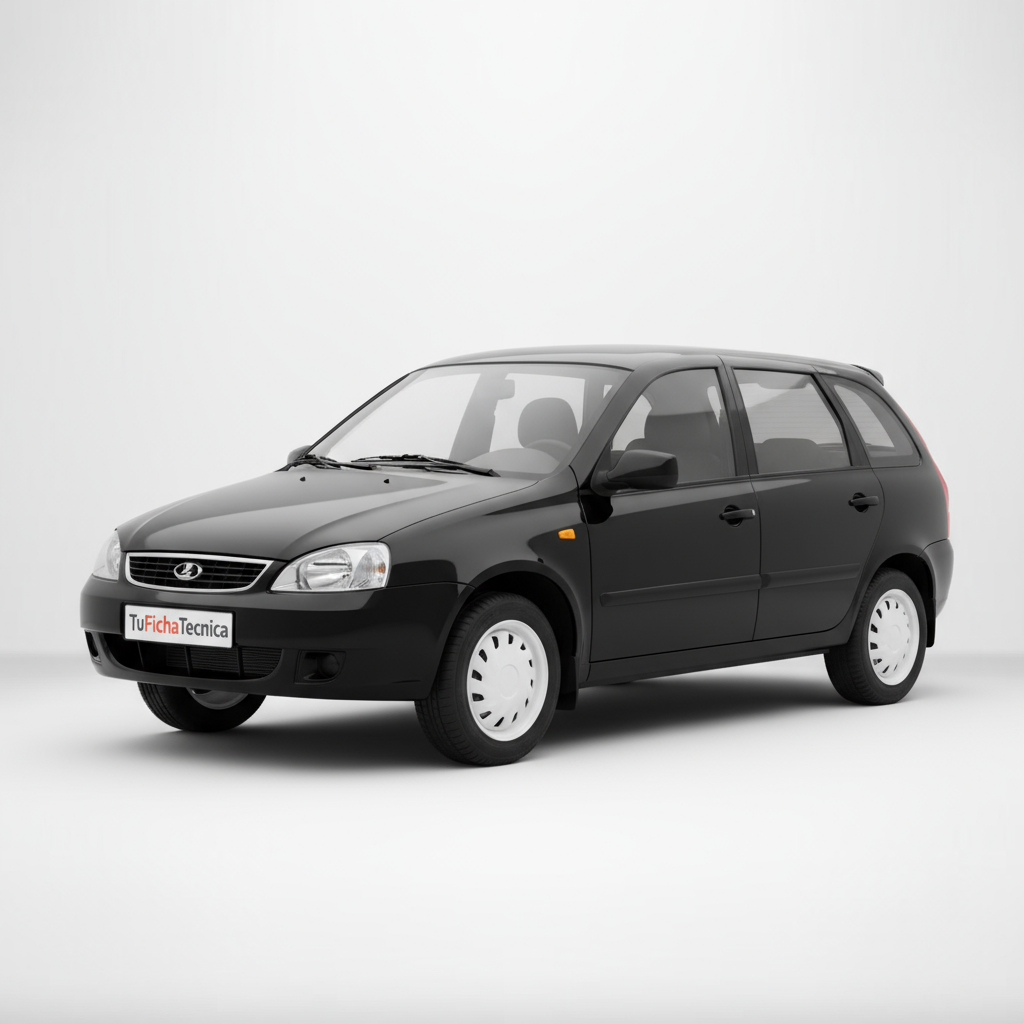
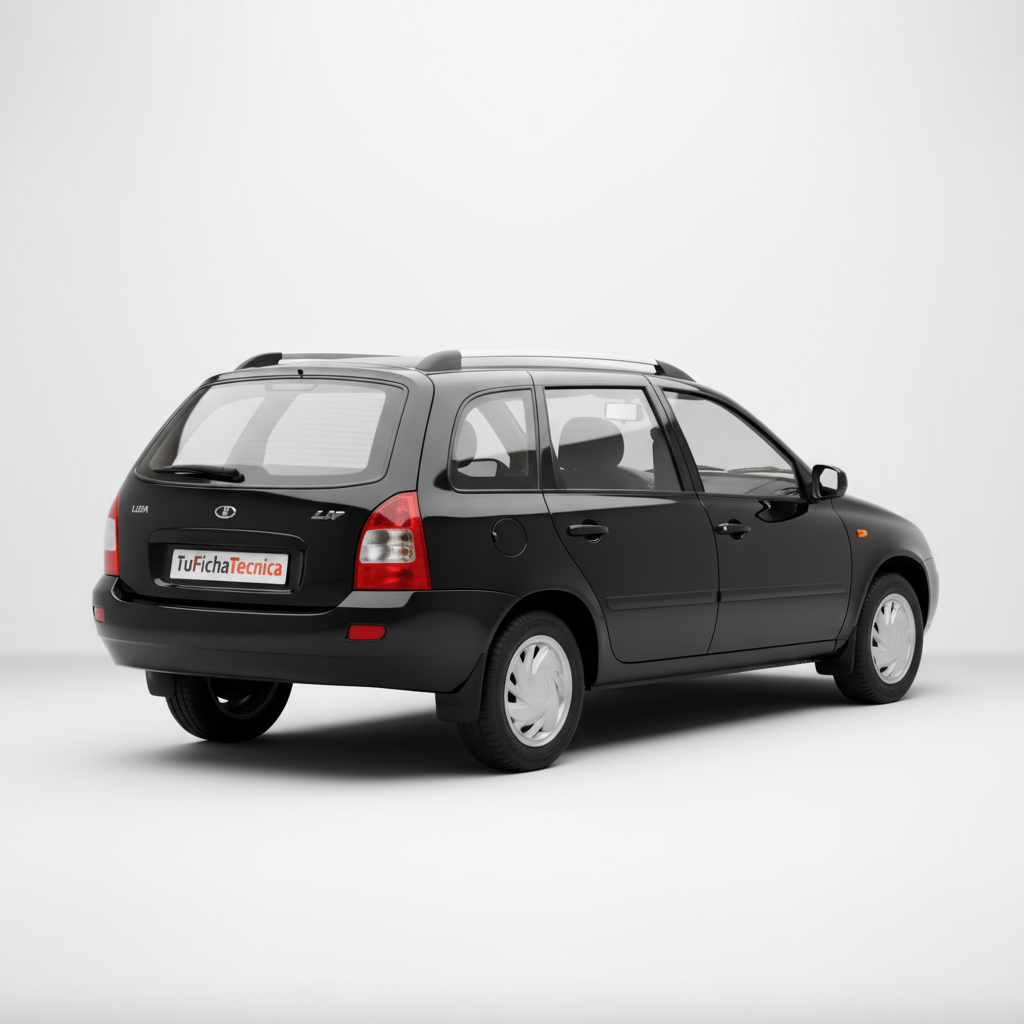
The LADA Kalina Vagon Luxe is an echo of the past, a vehicle that transports us to an era where functionality and affordability were the pillars of motoring. Born in 2010, this Russian station wagon presents itself as an honest and unpretentious mobility solution, a car designed to fulfill its mission with a simplicity that today seems almost poetic.
Driving experience
Driving the Kalina is a purely analog experience. Its 90 horsepower, delivered by a willing engine, demands a constant connection with the five-speed manual gearbox. There are no filters; you feel the road through a simple suspension and a steering system that, although electrically assisted, communicates frankly. It's not a car for setting records, with a 0 to 100 km/h acceleration in 13 seconds, but for enjoying the act of driving in its most essential and mechanical form.
Design and aesthetics
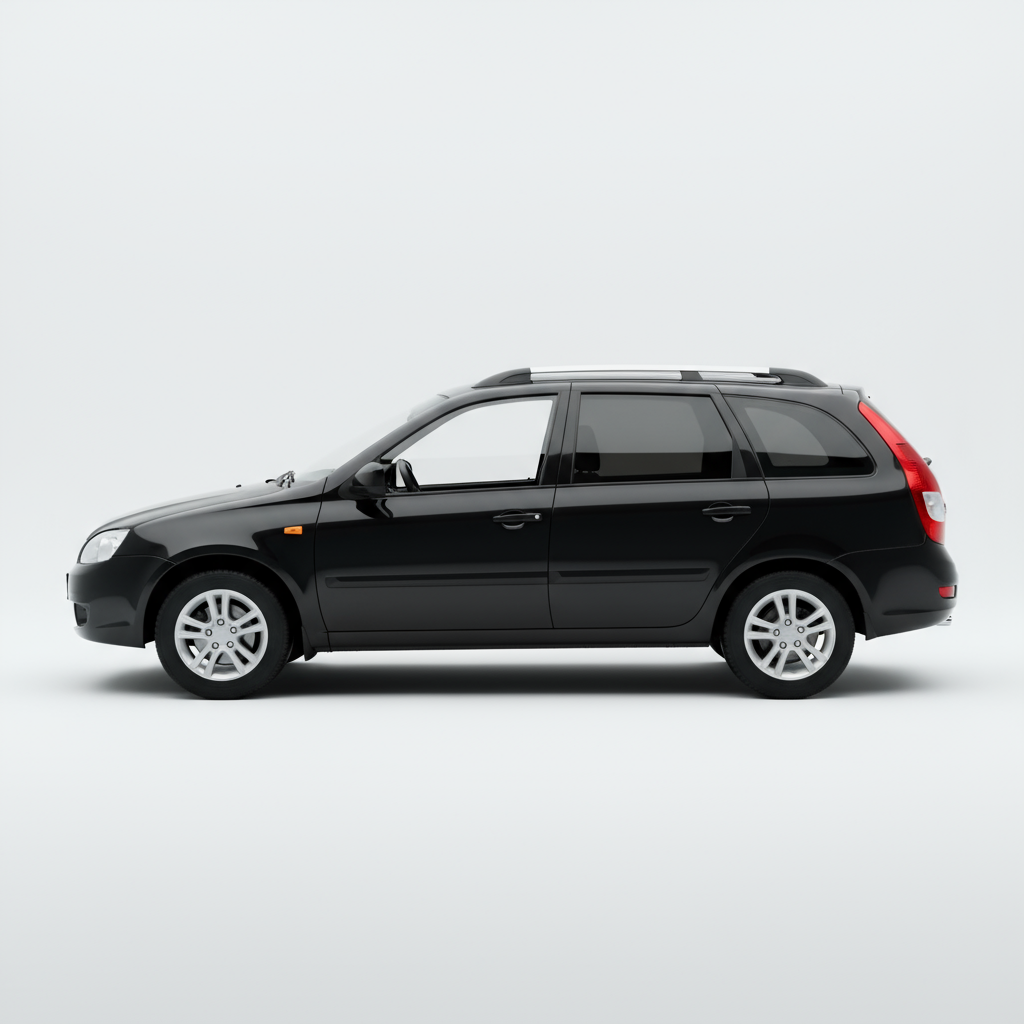
The design of the Kalina Vagon is a manifesto of pragmatism. Its forms are simple, dictated by the need to maximize interior space and cargo capacity in a compact body of just four meters. The result is a humble-looking but incredibly practical vehicle, with a 350-liter trunk that speaks to its family vocation. Its beauty lies not in ostentation, but in its functional honesty.
Technology and features
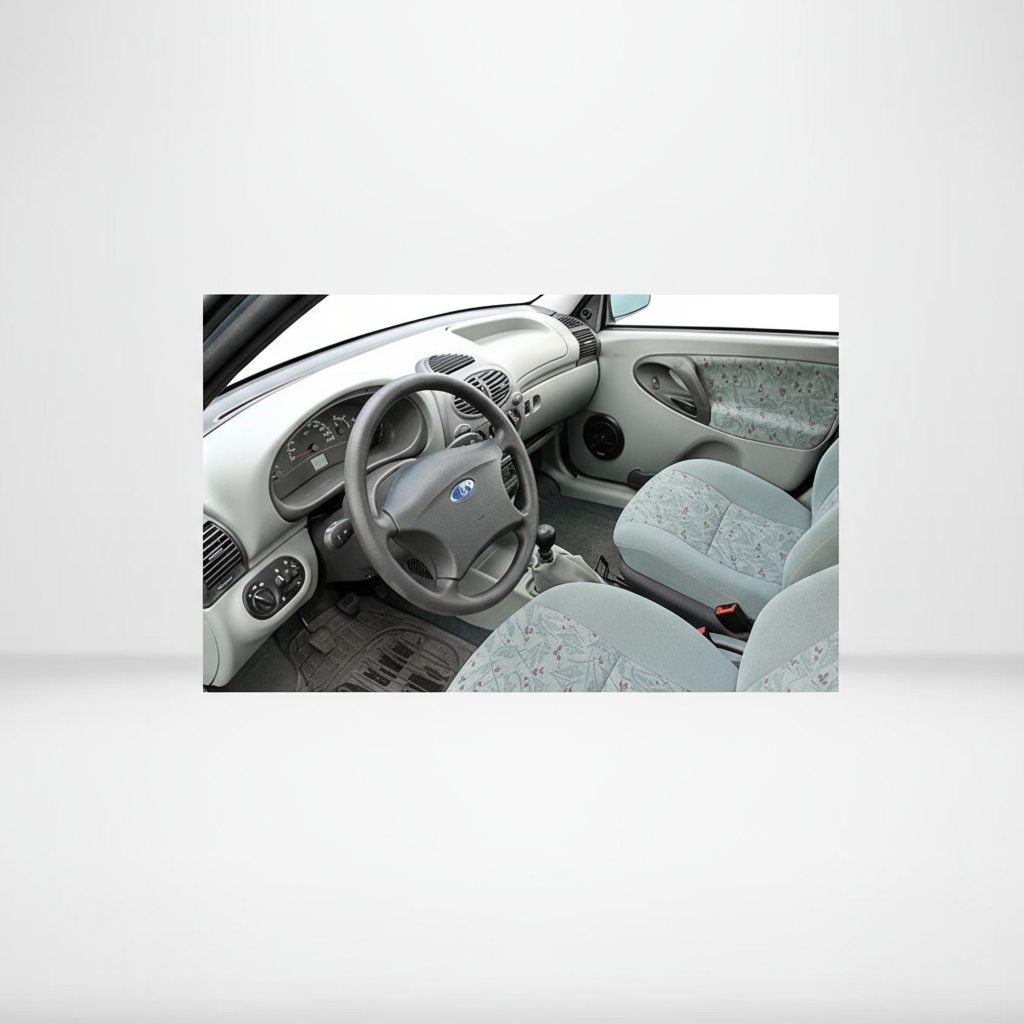
In an era dominated by touch screens and driving assistants, the Kalina feels like a refuge of simplicity. Its technological equipment is the bare minimum to function, focused on elements like indirect injection or power steering. It lacks complex modern systems, and it is precisely in this absence that its charm lies, reminding us that the most important technology in a car is the connection between the driver and the machine.
Competition
In its time, the Kalina Vagon faced low-cost giants like the Dacia Logan MCV. While the Romanian-origin model offered a more modern platform and slightly superior finishes thanks to Renault's backing, the LADA counterattacked with an even tighter price and a reputation for foolproof mechanical robustness. It was a battle between affordable modernity and indestructible simplicity.
Conclusion
The LADA Kalina Vagon is much more than just a car; it is a statement of principles. It is a vehicle for those who value substance over appearance, durability over refinement, and a fair price above all else. It represents a way of understanding the automobile that has been lost, one that is direct, unadorned, and deeply loyal. It may not be love at first sight, but it wins the heart with its honesty and its unwavering spirit of service.