
Especificaciones y análisis del Lancia Lybra
Power
131HP
Torque
164Nm
Consumption
8.6l/100
Emissions
-g/km
0-100 km/h
10.7s
Top Speed
201km/h
Weight
1490kg
Price
22,598€
Technical summary
Gasolina
Manual 5v
FWD
5 / 5 doors
420 L
60 L
96 kW
Current
Technical specifications
Engine
Capacities
Detailed analysis of the Lancia Lybra SW 1.8 · 131 CV (1999-2001)
General description
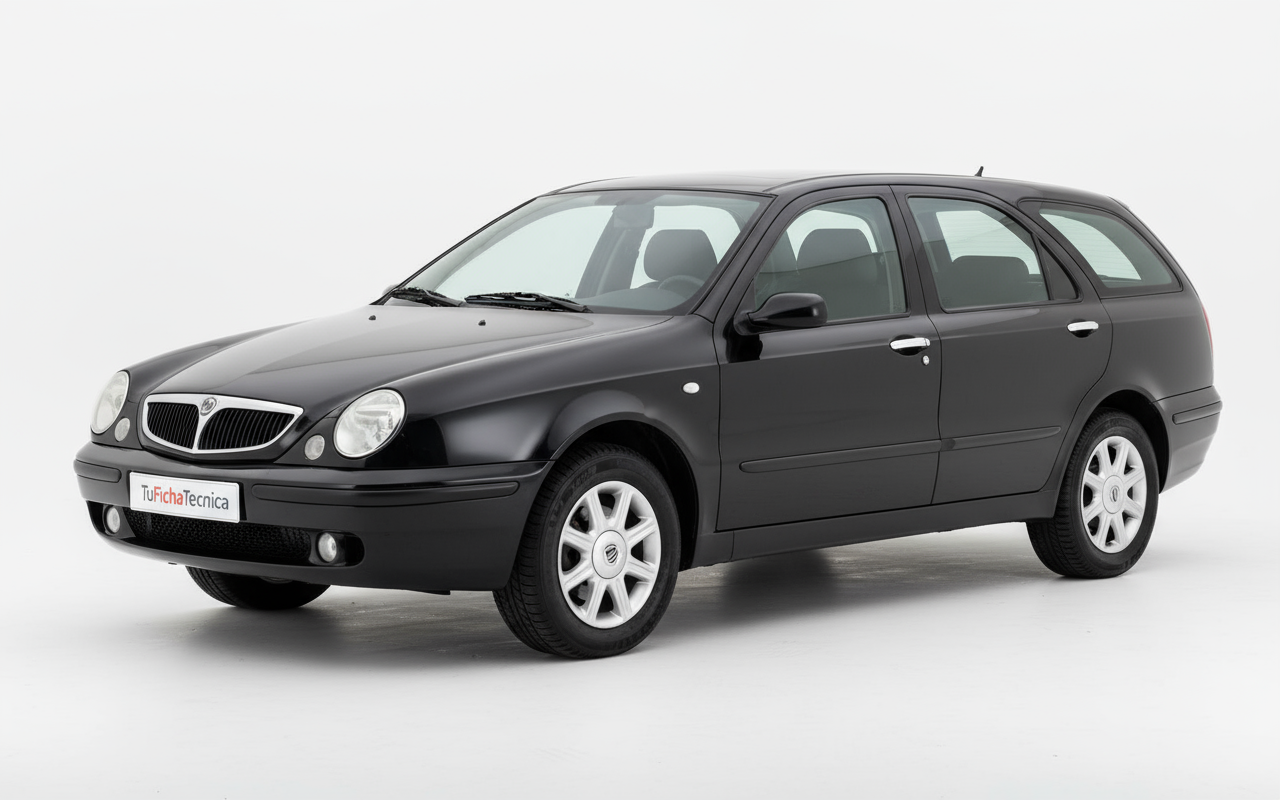
The 1999 Lancia Lybra SW is the embodiment of an almost lost philosophy, an attempt by Lancia to merge Italian elegance with the versatility of an estate body. It was not a car for everyone, but for those who sought distinction and comfort in a sea of predictable German sedans. It represents a swan song to an era where design and soul mattered as much as performance.
Driving experience
Driving the Lybra SW is an experience that envelops the senses in comfort. Its 1.8-liter, 131-horsepower engine offers a capable and progressive response, with no sporting pretensions. The real magic lies in its suspension, which filters out road imperfections with exquisite smoothness, creating a serene and pleasant travel atmosphere. It is a car that invites you to devour kilometers without haste, enjoying the silence and ride quality.
Design and aesthetics
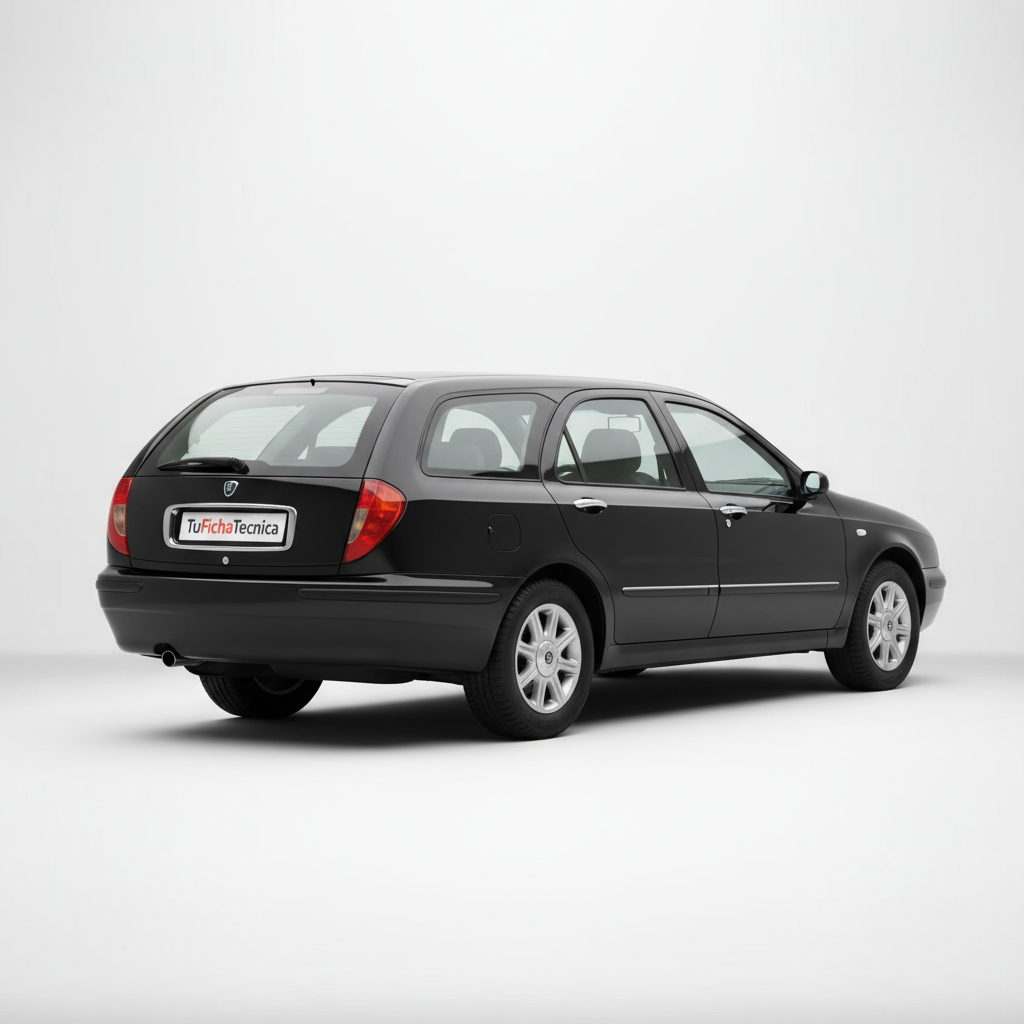
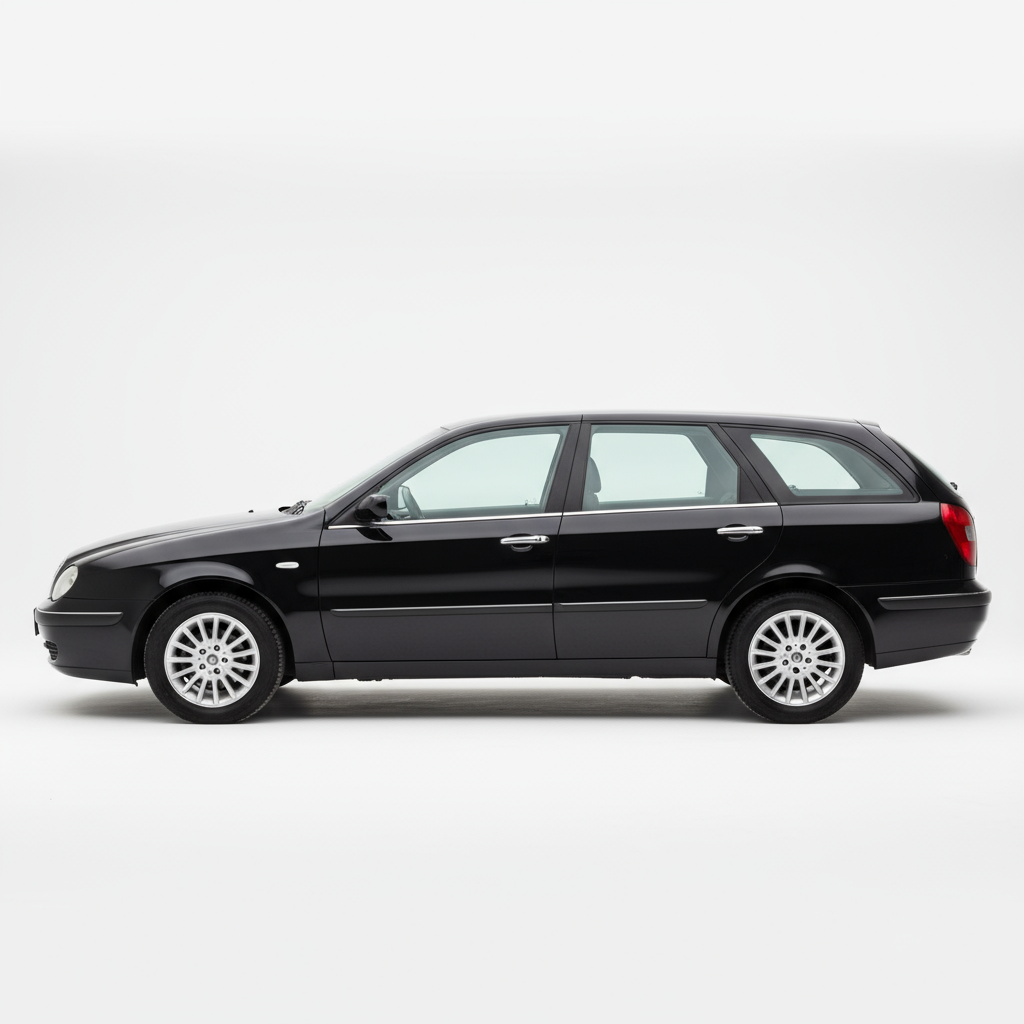
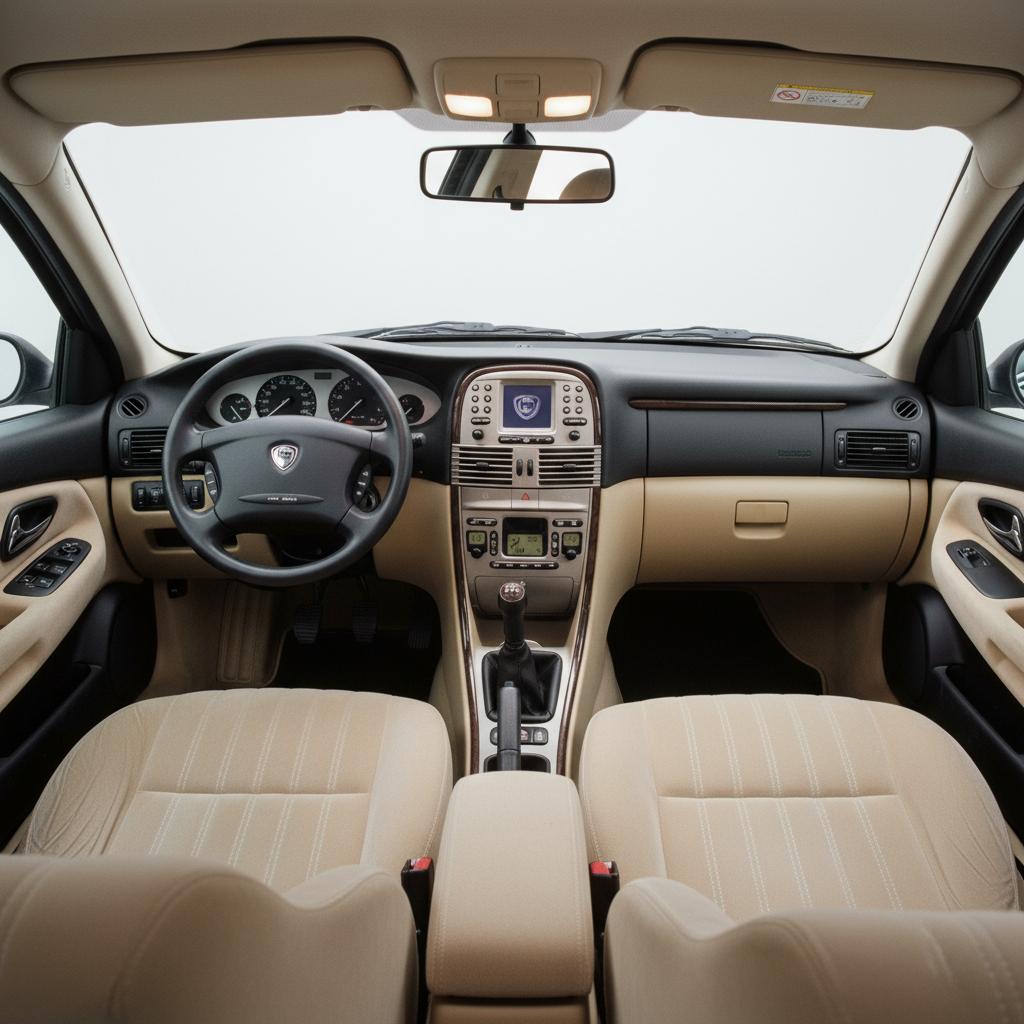
The Lybra's design is polarizing and absolutely personal. Its front end, with those round, nostalgic headlights, and a gracefully flowing estate silhouette, immediately set it apart. But it is in its interior where the heart surrenders. The cabin is a rolling lounge, with high-quality materials for its time, such as Alcantara or wood, and a dashboard with classic, enveloping shapes that makes you feel in a special place. It is a design that has aged with a dignity and character that few contemporaries can match.
Technology and features
For the late 90s, the Lybra was well-equipped. Its dual-zone climate control system was advanced and effective, and it often included a Bose sound system that turned the cabin into a small concert hall. The onboard computer, integrated into a central screen, provided comprehensive information. The technology did not seek to overwhelm, but to serve comfort and make every journey simpler and more luxurious, a very occupant-focused approach.
Competition
In its time, the Lybra SW faced established giants like the BMW 3 Series Touring, the Audi A4 Avant, and the Mercedes-Benz C-Class Estate. While the Germans focused on sobriety and sportiness, the Lancia offered a different approach. Its true spiritual rival was perhaps the Alfa Romeo 156 Sportwagon, with which it shared a passion for Italian design, although the Lybra always opted for a more bourgeois and comfortable luxury.
Conclusion
The Lancia Lybra SW is more than just an estate car; it is a statement of intent, a haven of style and comfort in an increasingly homogeneous automotive world. It is a gem for connoisseurs, a modern classic that rewards its owner with a unique driving experience and an interior ambiance that captivates. It is not the fastest or the most efficient, but it possesses a soul and a beauty that time has only enhanced.